The Cost of This Job
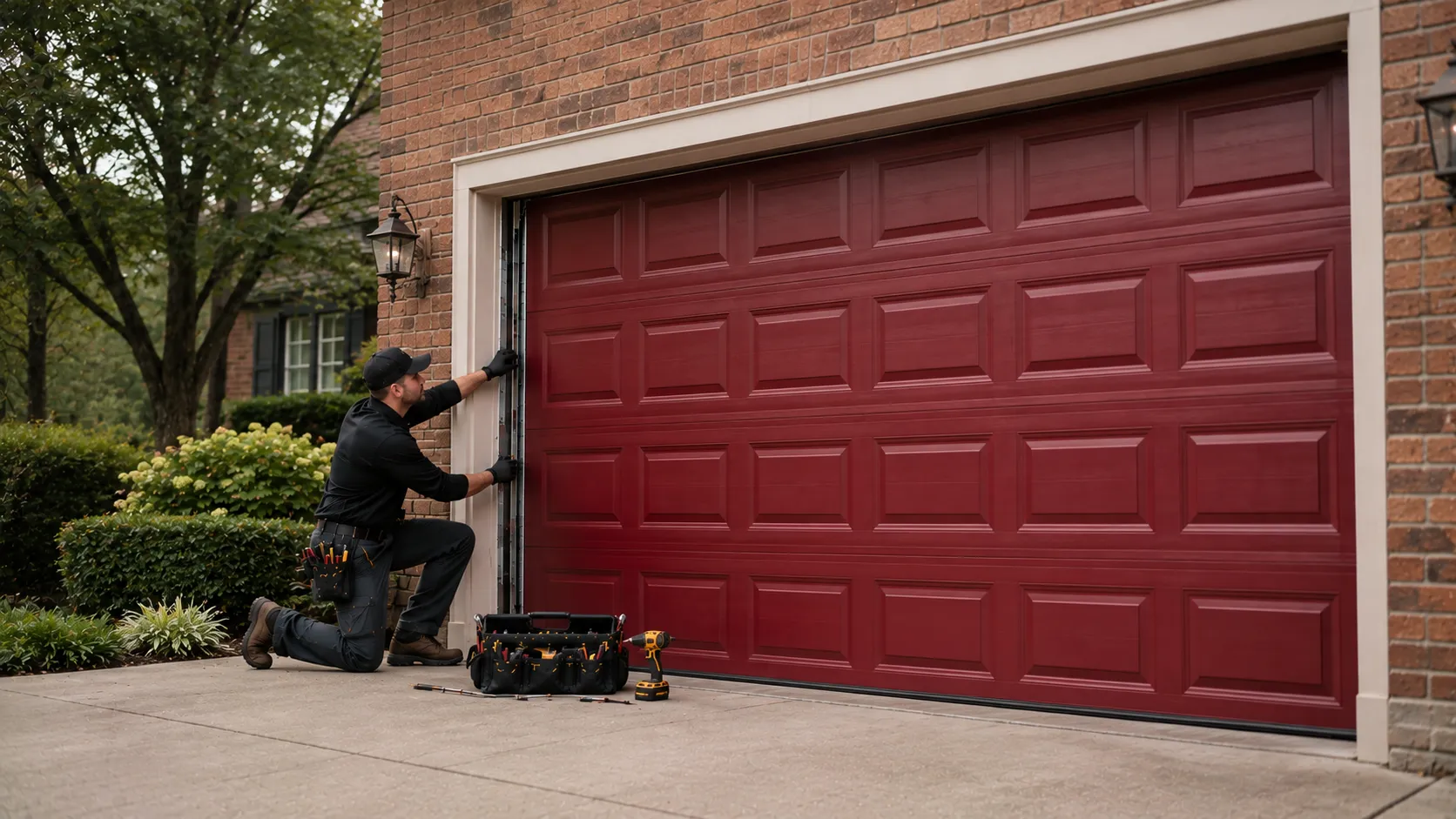
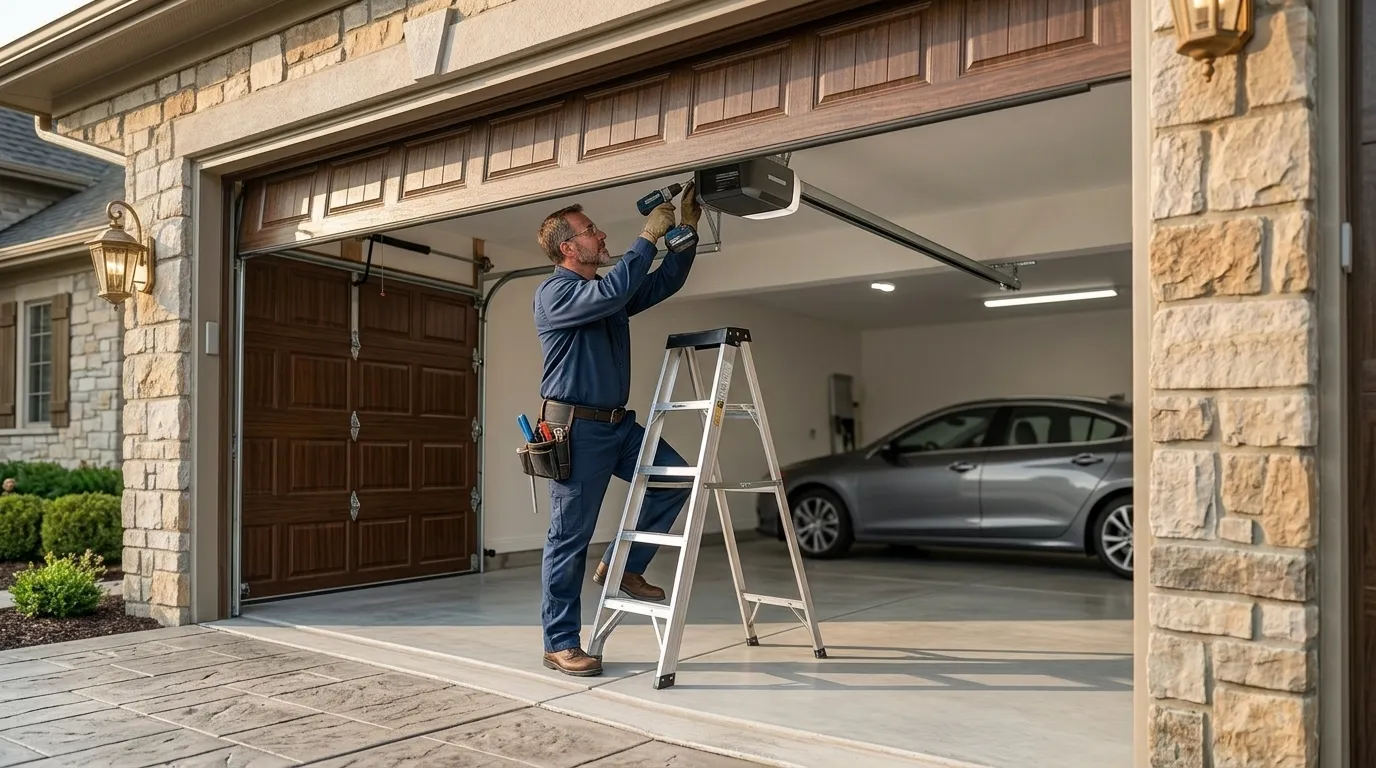
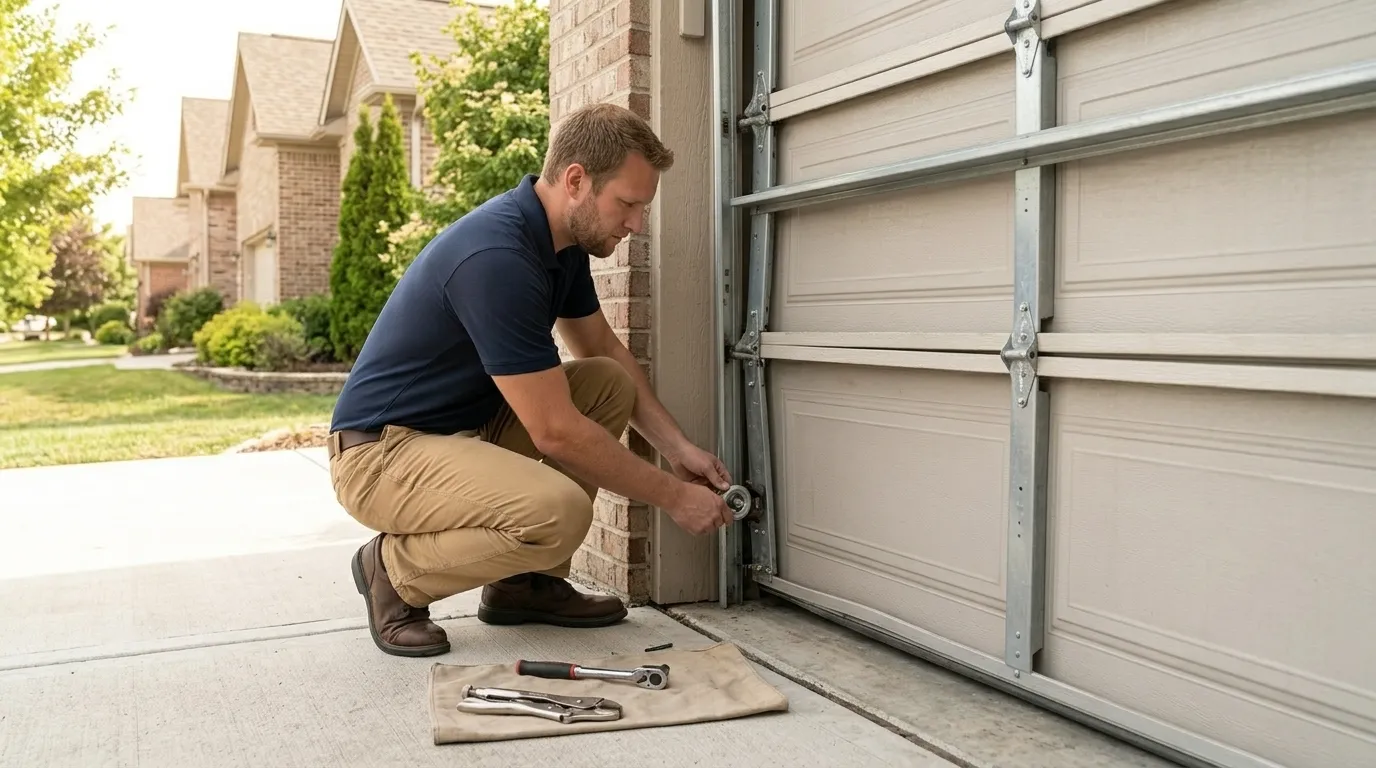
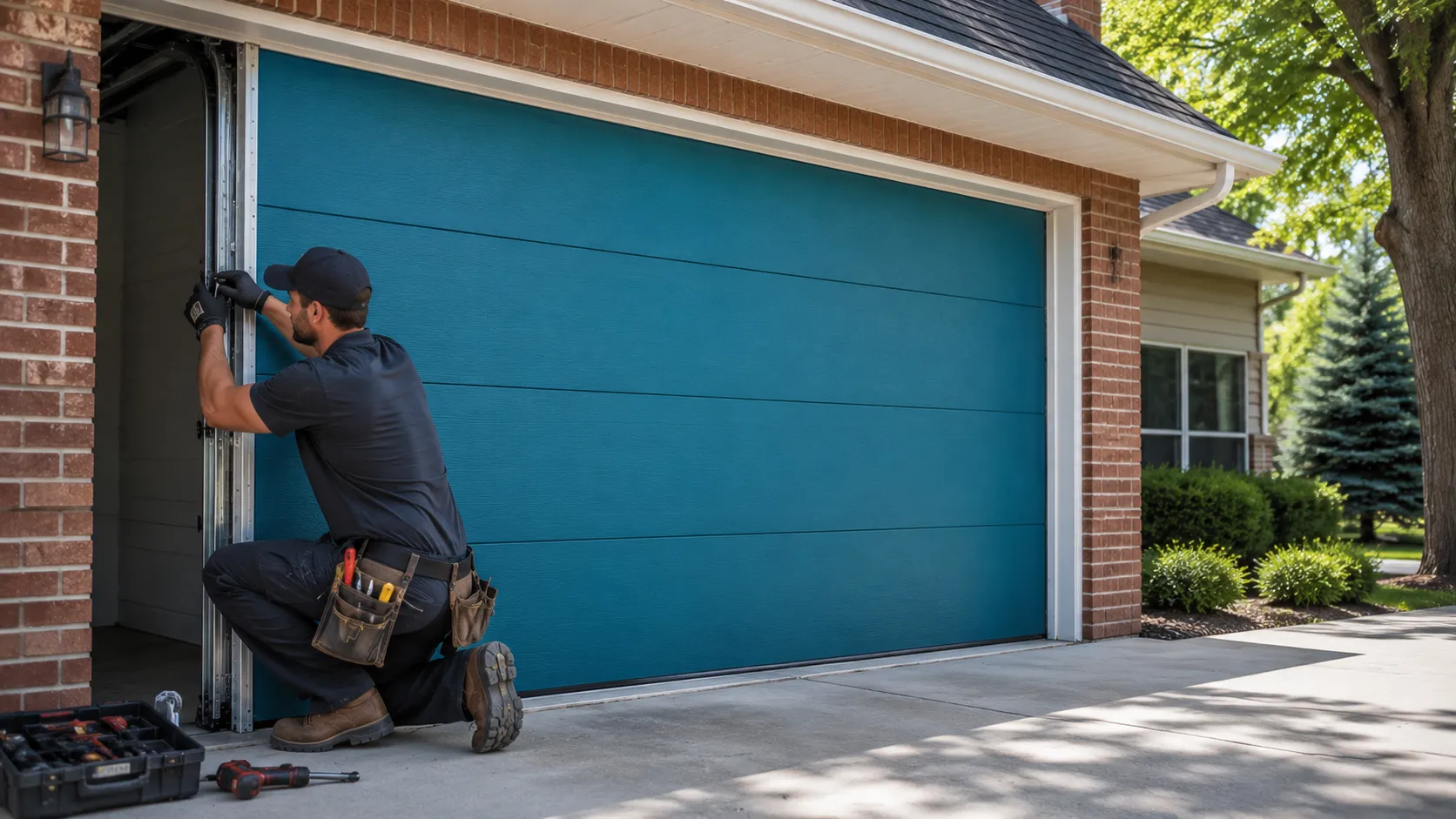
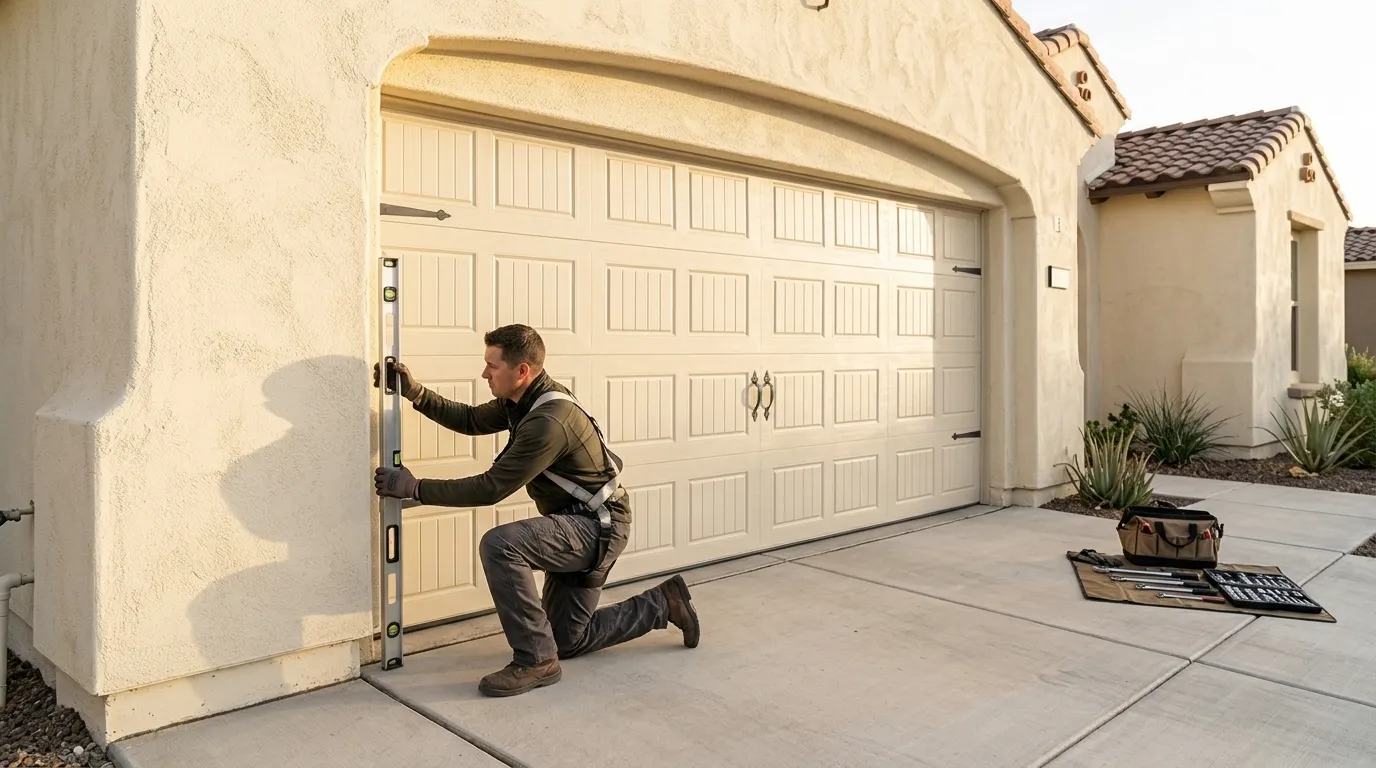
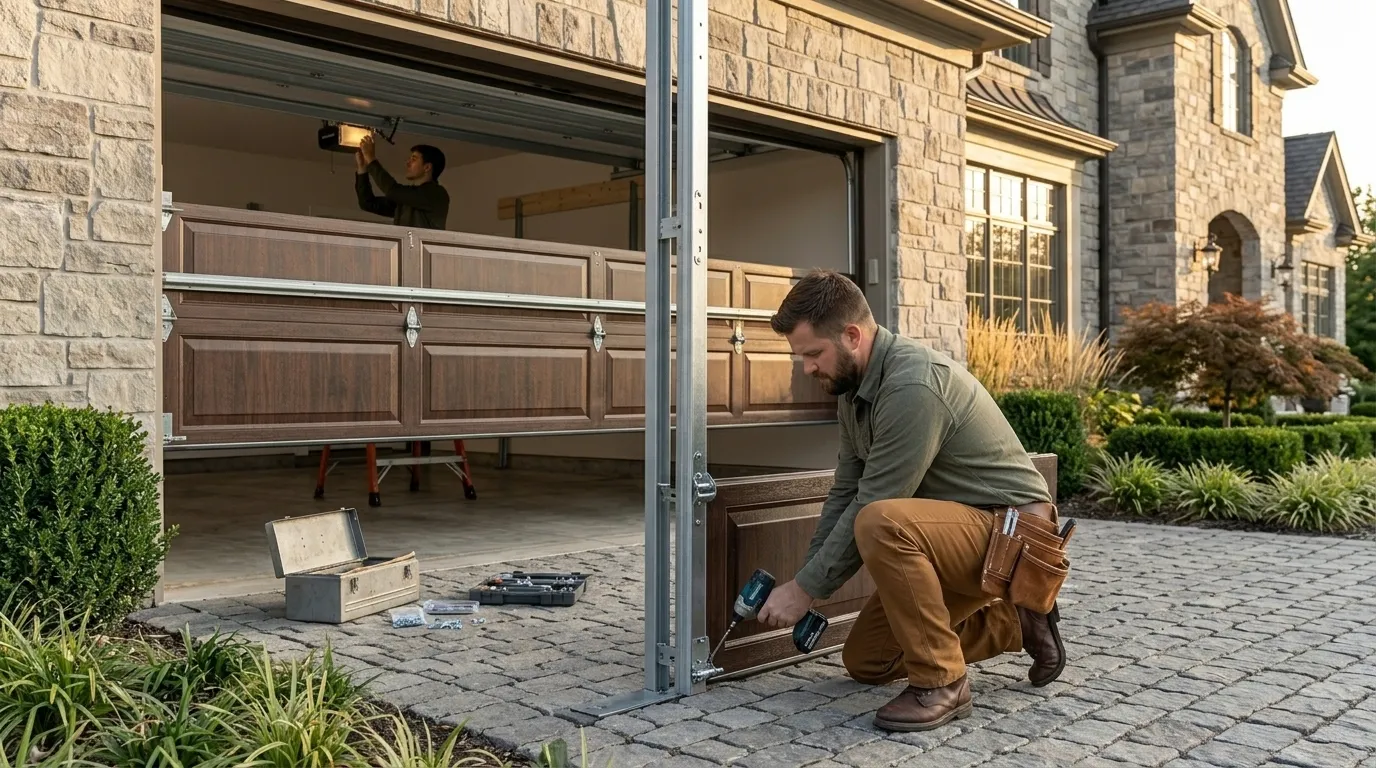
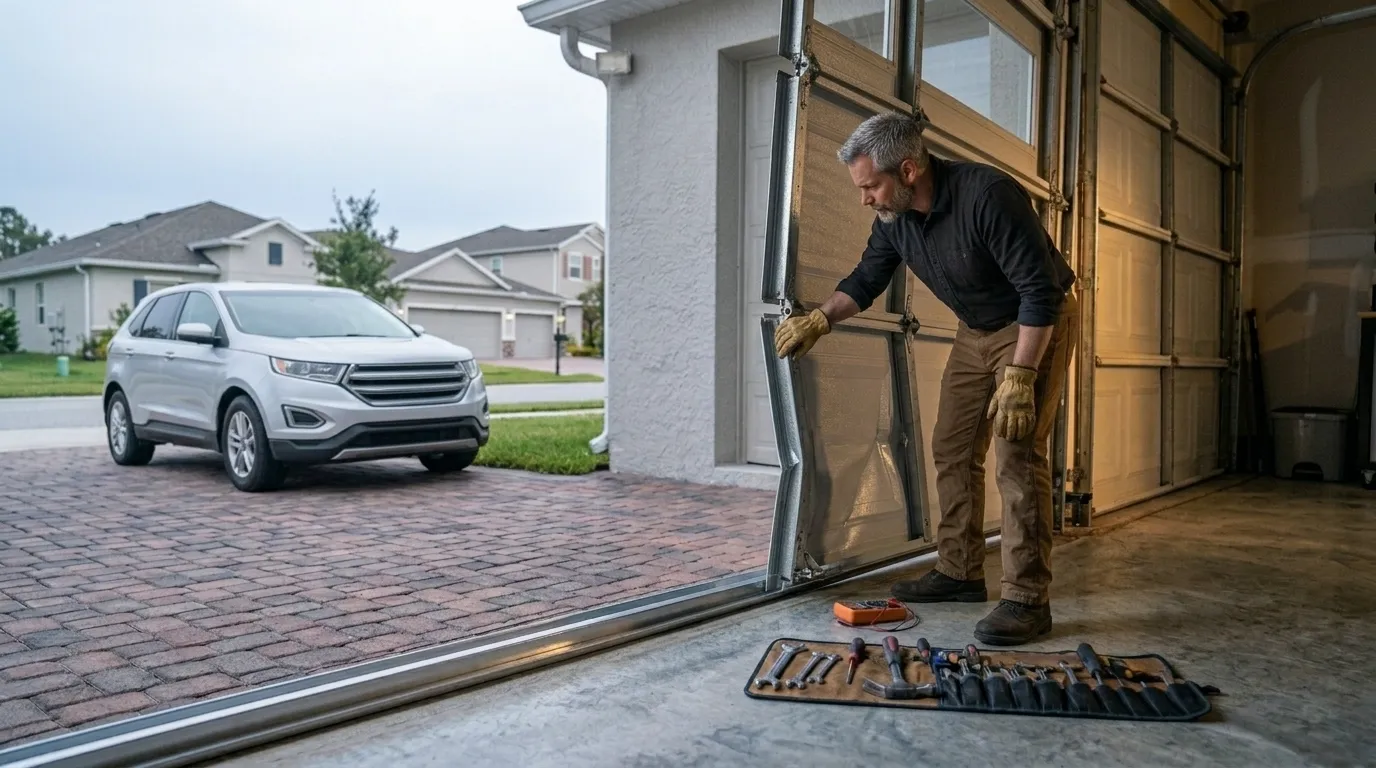
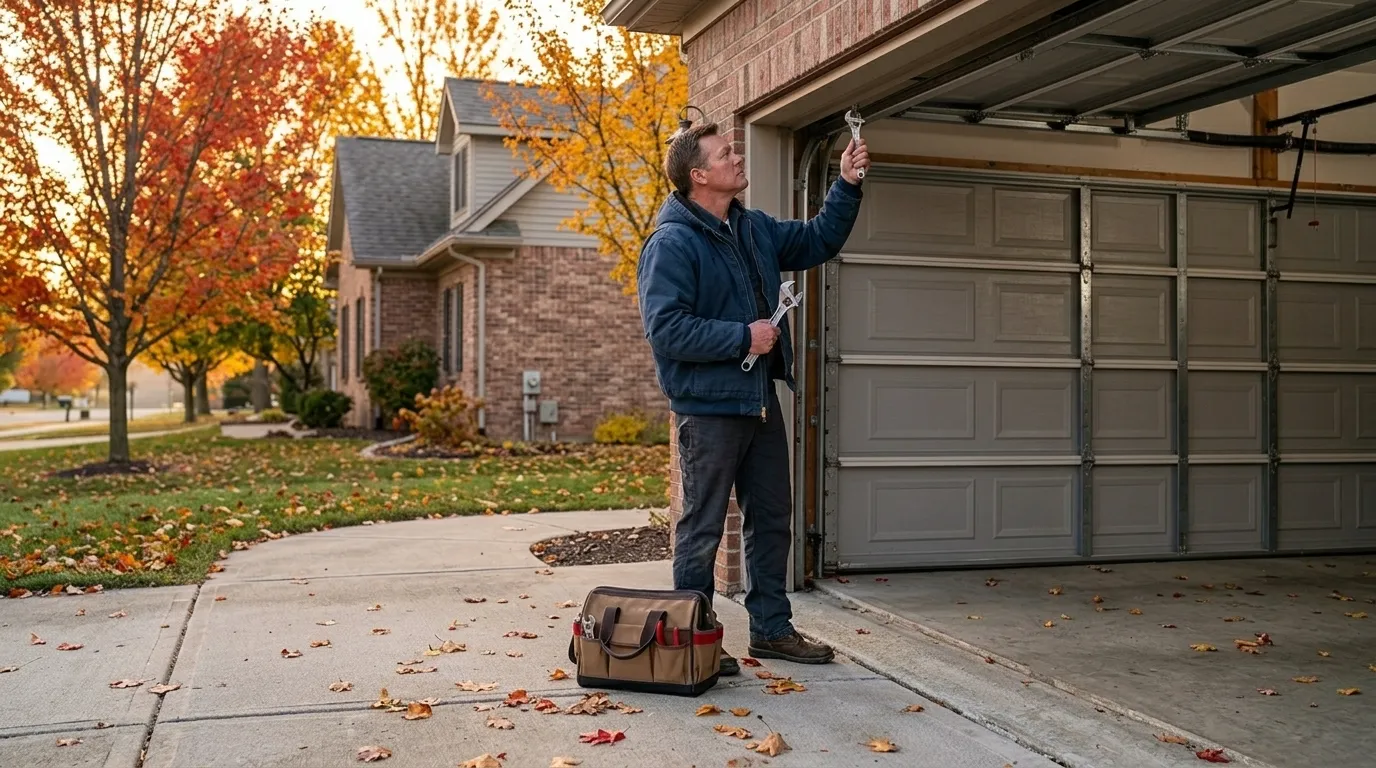
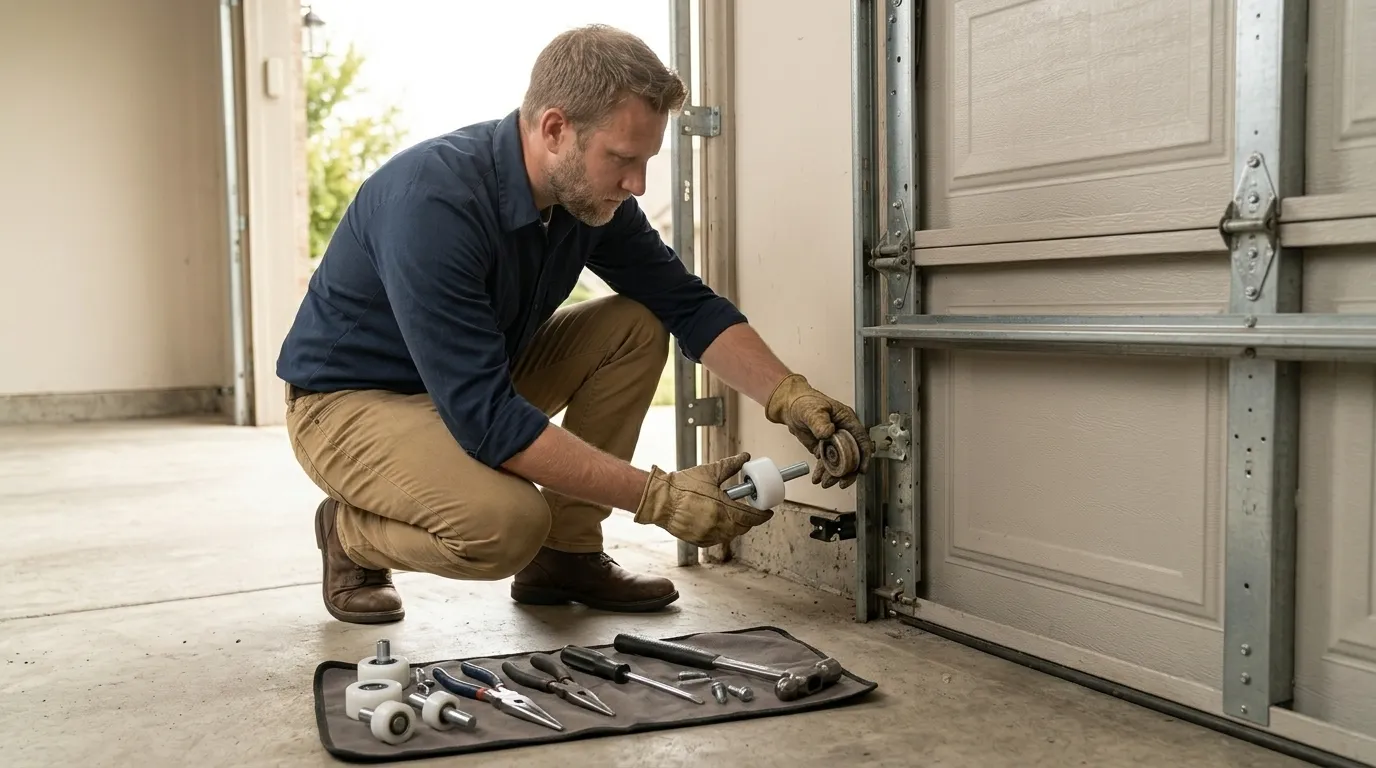
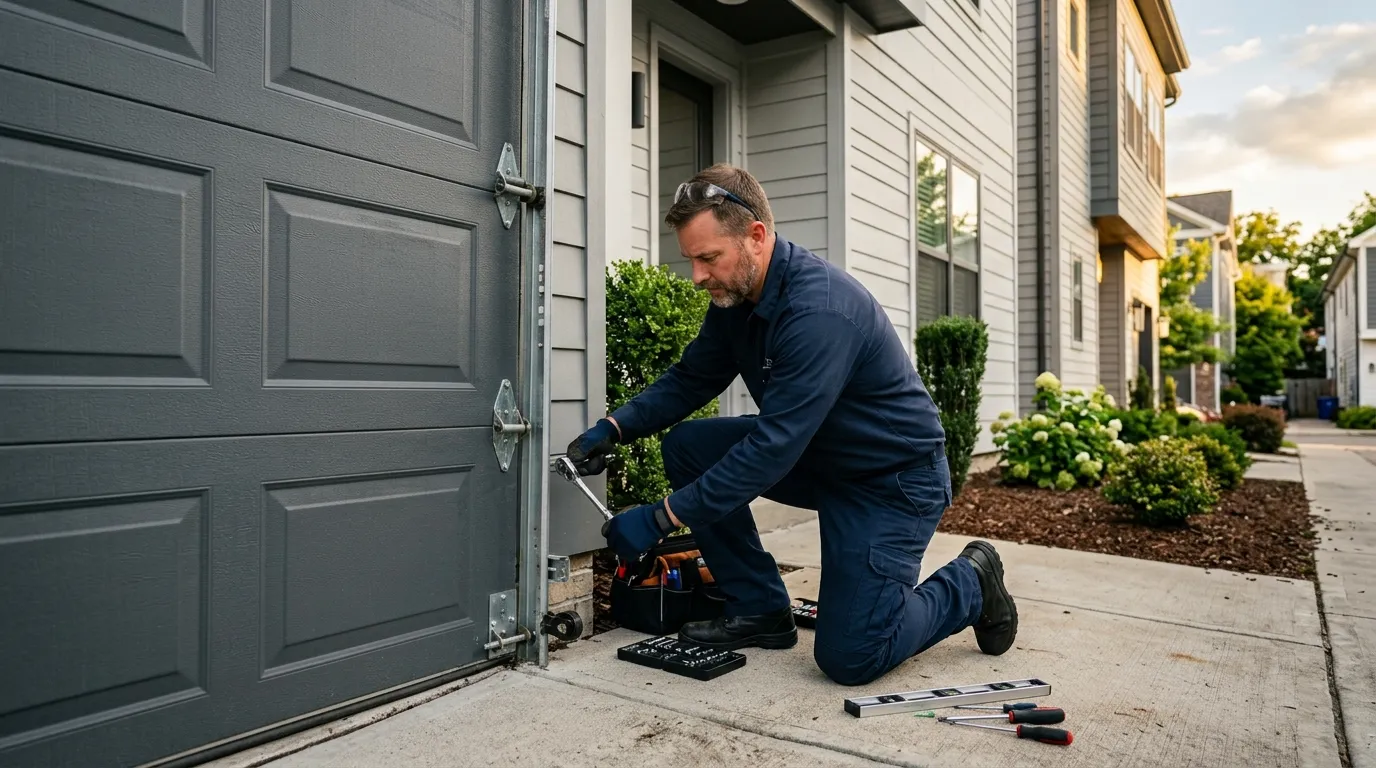
We don't quote a job over the phone without seeing the door, so we won't post a number here that doesn't match what you're facing. What we can tell you is what drives it: spring size and cycle count, whether the opener is original to the house or a swap-in, and how much the track has bent. In much of the McKinney service area, houses went up between 1971 and 2015 with a median build year of 2005, which means a lot of doors are running on the torsion hardware the builder specified for that decade of construction, not always the same gauge spring we'd size today. Replacing a spring on a heavier insulated door costs more than the light steel doors common in older stock, and if the drum or bearing plate has to come off with it, that adds labor. One honest limitation: we don't carry every non-standard opener part on the truck, so a rare or discontinued unit can mean a return trip while we order it. If a door is old enough that repair costs start closing in on replacement, we'll tell you that too, rather than stack repairs on a door that's done.
What Causes It Around Here
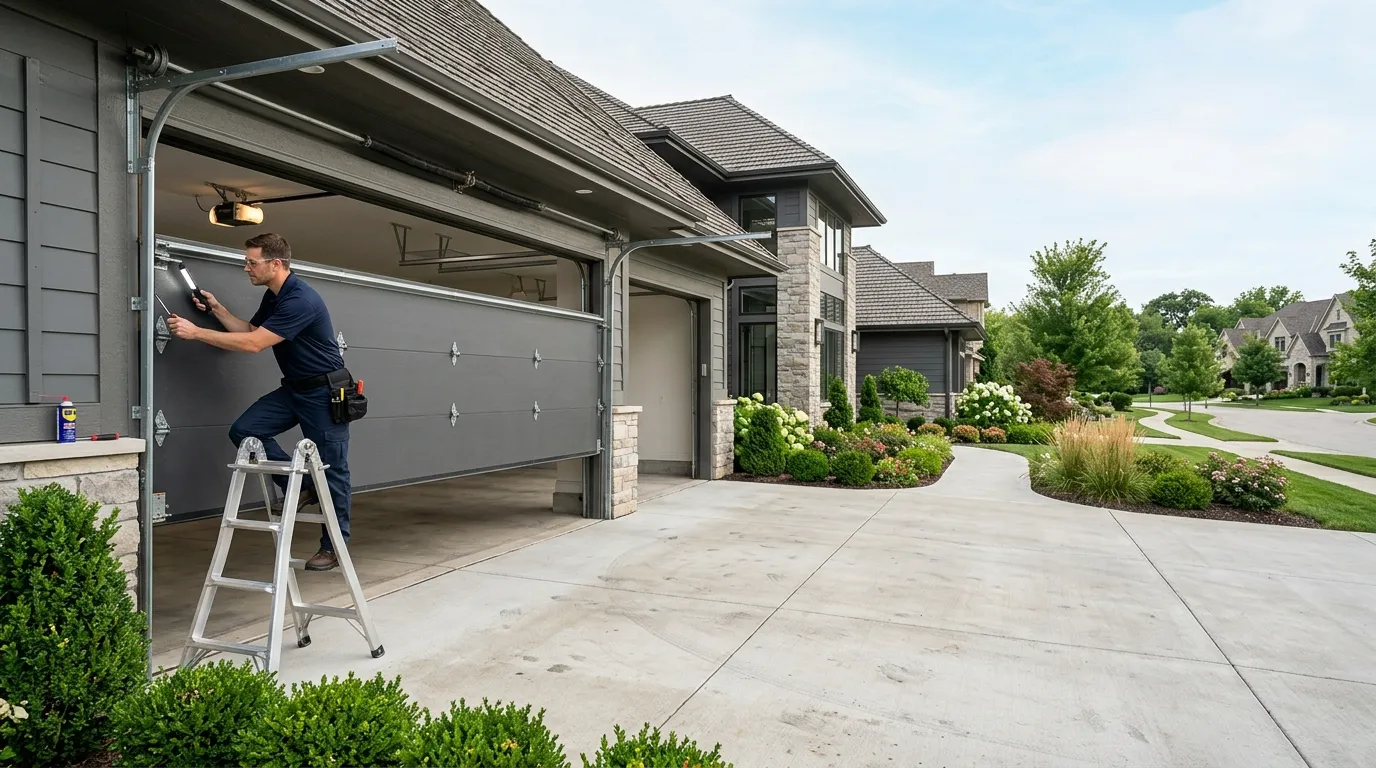
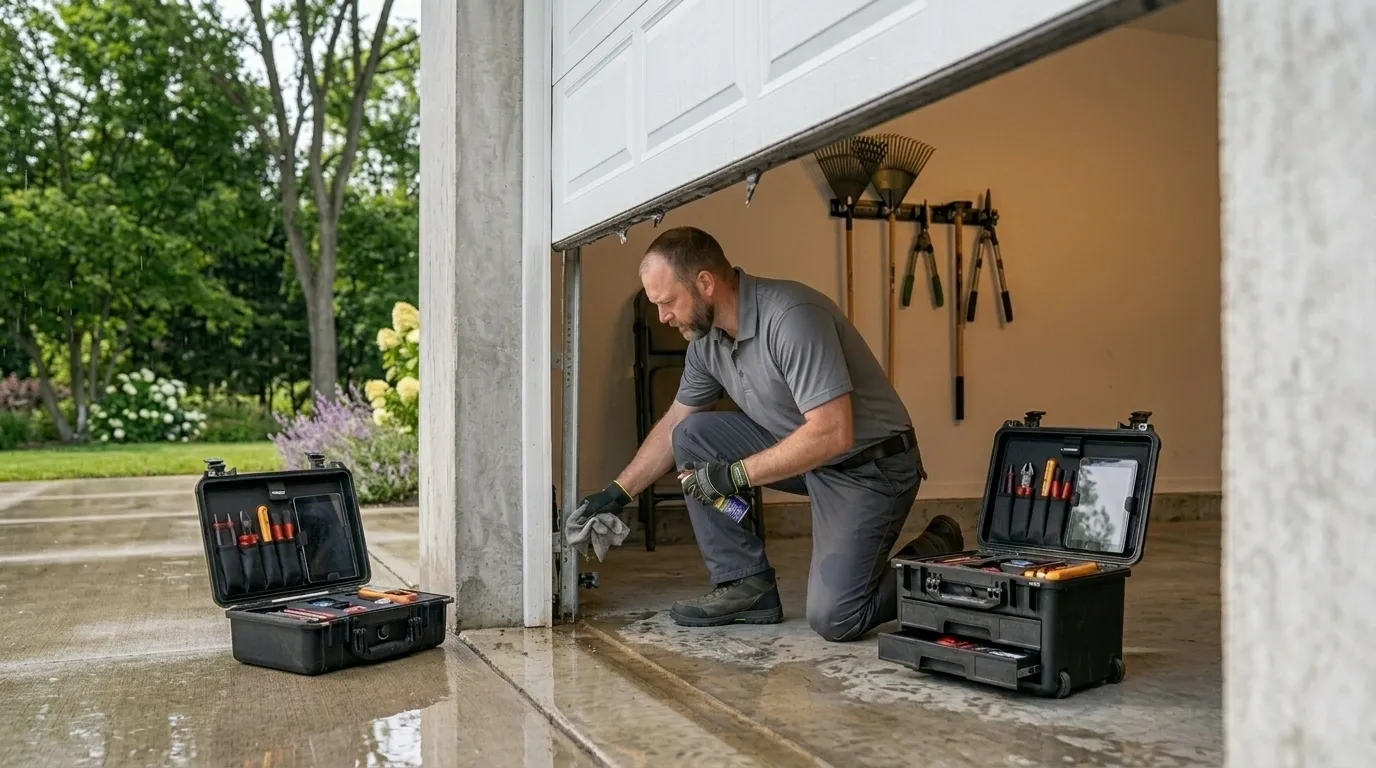
Most of the housing stock in this service area is 2000s construction across the nineteen communities we track, with the median home built in 2005. That matters for garage doors because torsion springs are rated in cycles, not years, usually somewhere around 10,000, which for a door used twice a day works out to roughly 15 years before it's due. Houses built at the peak of that building boom are hitting that mark now, all at once, which is why we see clusters of spring failures in subdivisions that went up in the same two or three years. The climate band here is moderate heat, not the freeze-thaw cycling that cracks doors in colder regions, so what we see instead is heat drying out spring coating and opener gear grease over long summers, plus UV breaking down plastic idler pulleys and belt drives faster than the manufacturer's spec sheet assumes. It's a slower failure than a cold-snap snap, but it adds up the same way: a door that worked fine in April is suddenly hard to lift by August.
The Complications
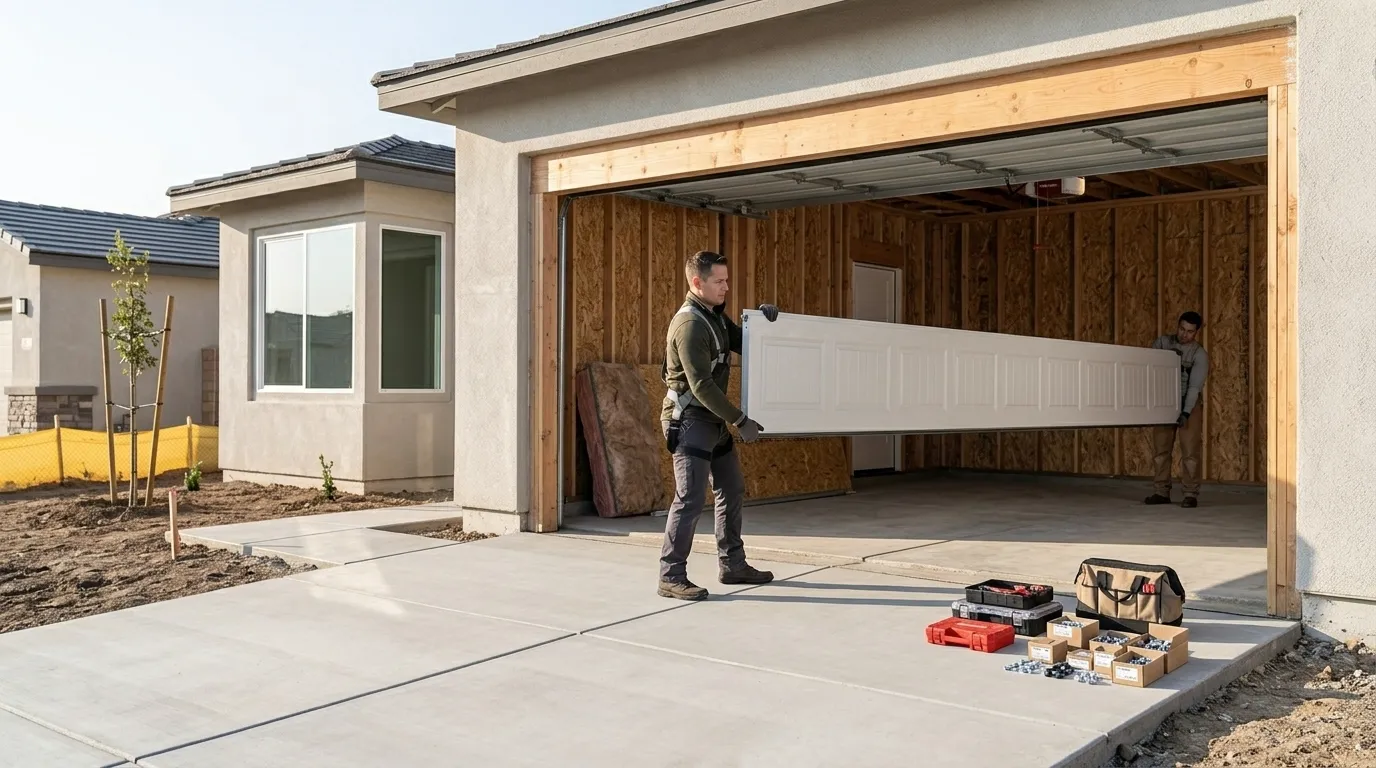
A few things complicate what looks like a simple spring job. Double garage doors, common on the larger lots through this area, use two springs sized as a matched pair, and if one has failed from age, the other is usually close behind; replacing just the broken one means a second call in a few months. Heat cycling also affects the opener's circuit board and logic, not just the spring, so a door that's hard to lift by hand may also be tripping the opener's force sensors, and both issues need checking in the same visit. We take calls from owners across the wider area, Fairview five miles off, New Hope six, Lowry Crossing seven, out through Melissa and Weston at nine, and travel time on top of the actual repair is worth factoring in if you're scheduling around a workday. Across the service area's 40,679 households, 31,785 are owner-occupied houses, and at a median income of $109,528, most owners we see are deciding between a full opener replacement and a targeted repair rather than stretching a bad door further than it should go. We'll tell you honestly which side of that line your door is on.