The Cost of This Job
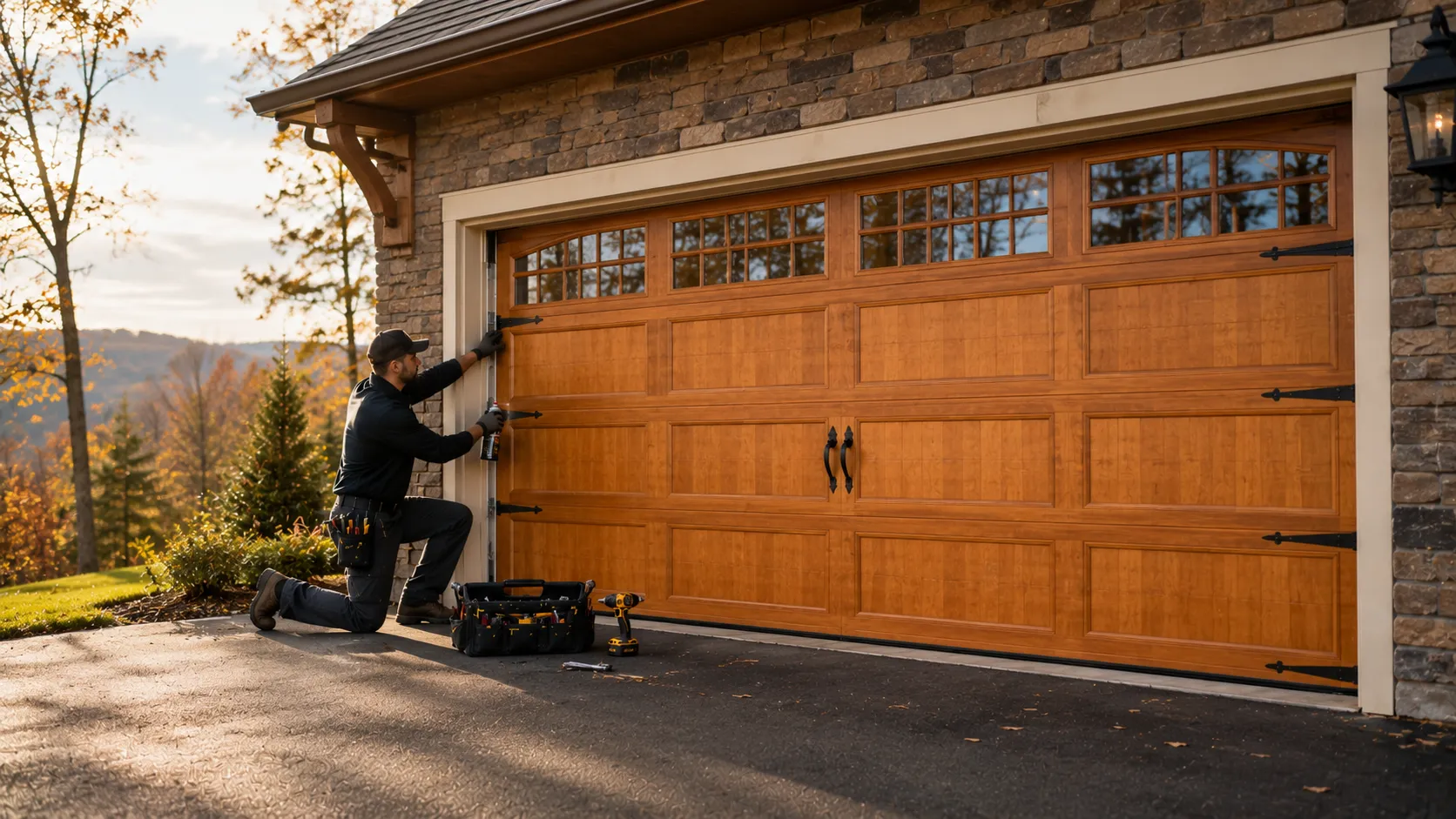
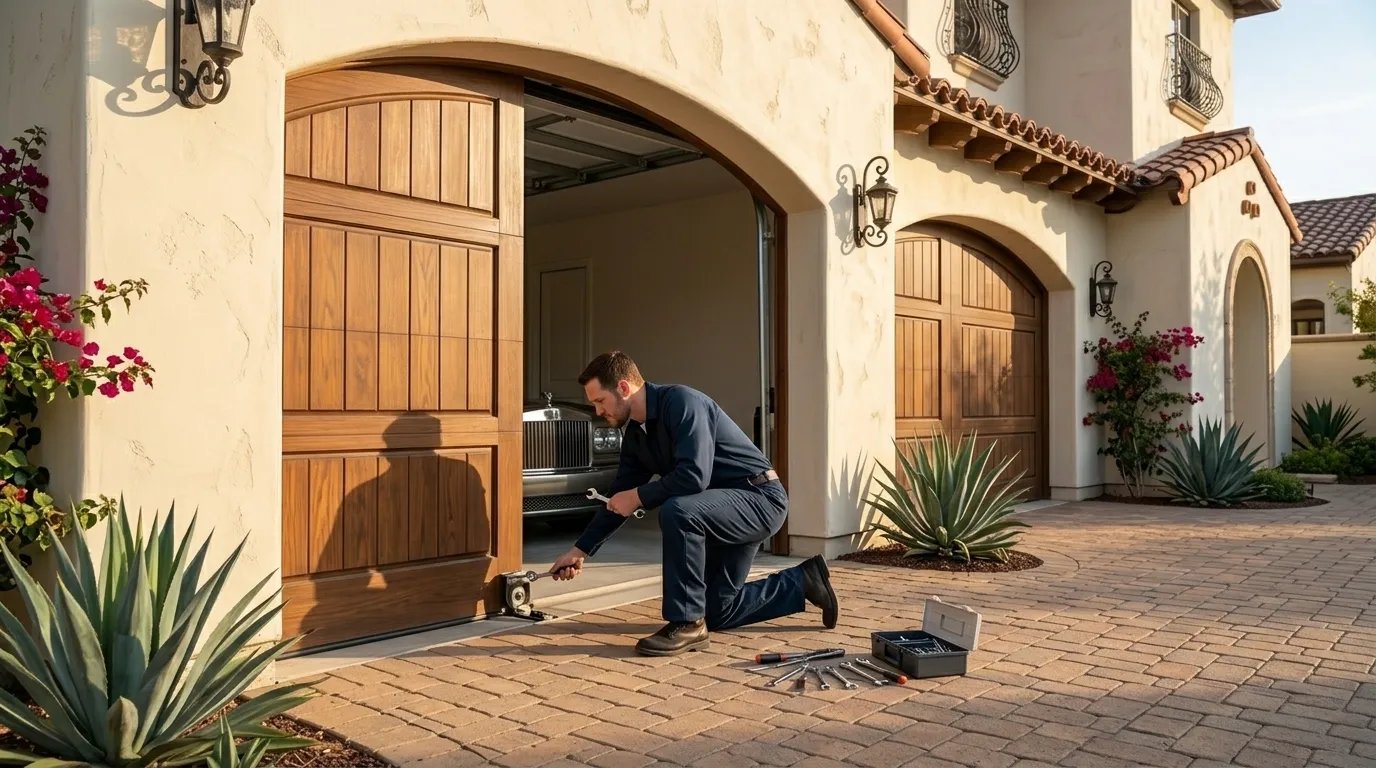
We're not going to hand you a number here, because a straight number for installation is close to meaningless without seeing the opening. What drives the cost on a McKinney job is usually the door size and the insulation package, not the brand name on the panel. Most of the homes in this service area date from 1971 to 2015, with the bulk of the stock built around the mid-2000s, which means openings are fairly standard 16x7 and 9x7 sizes - good news for cost, since custom framing jobs are rarer here than in older towns. Where the cost moves is insulation. With a moderate heat climate band, an insulated steel door with a thermal break does real work keeping a garage from turning into an oven in July, and that upgrade costs more than a single-layer door. If your garage sits under a bonus room or shares a wall with living space, that insulation spend usually pays for itself in comfort, if not in a fast payback. One honest limitation: we price the door and the install, not the drywall or trim repair if your old jambs are out of square - that's a separate conversation once we're on site.
With median household income in this area at $109,528, most owners we talk to are comparing a mid-tier insulated steel door against a higher-end wood-composite or full-view glass option, not deciding whether they can afford a door at all. We'll walk both ranges with you before you commit to anything.
What Causes It Around Here
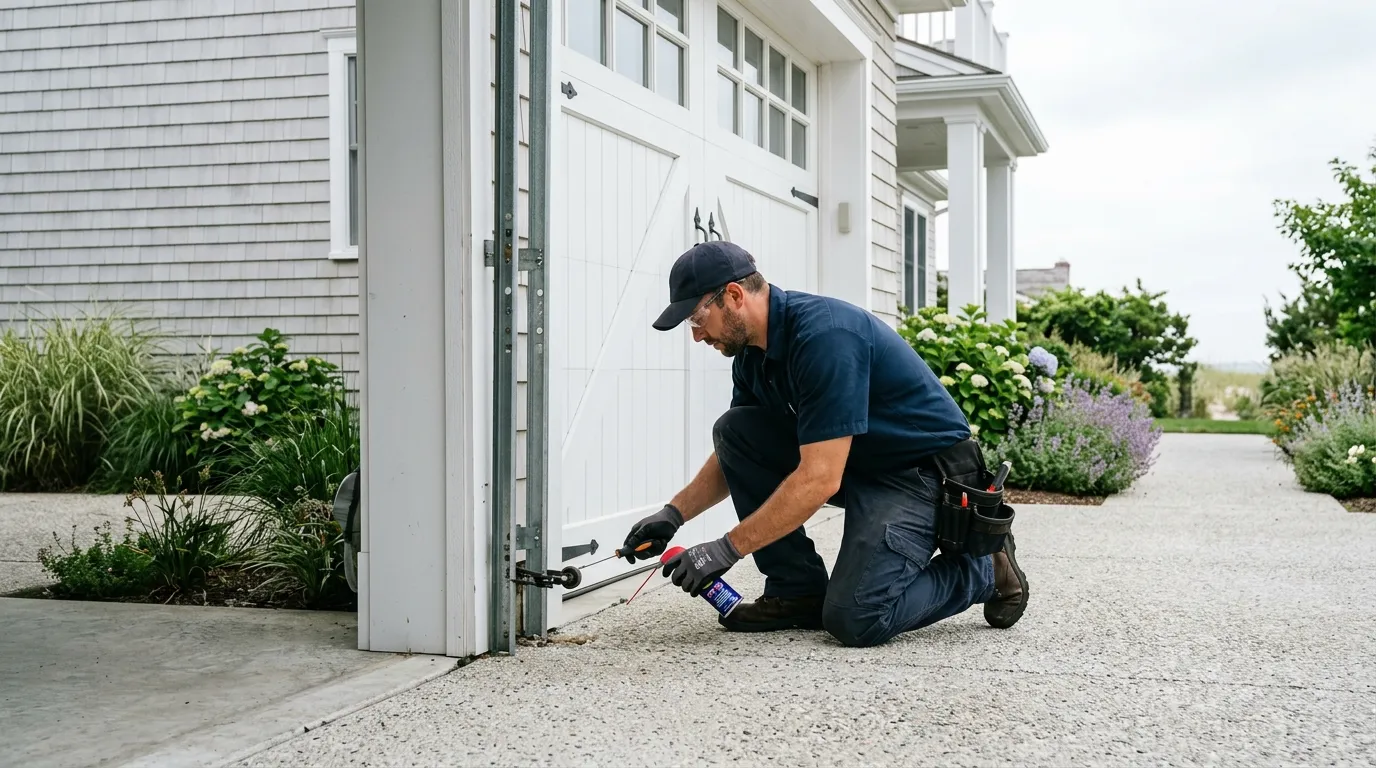
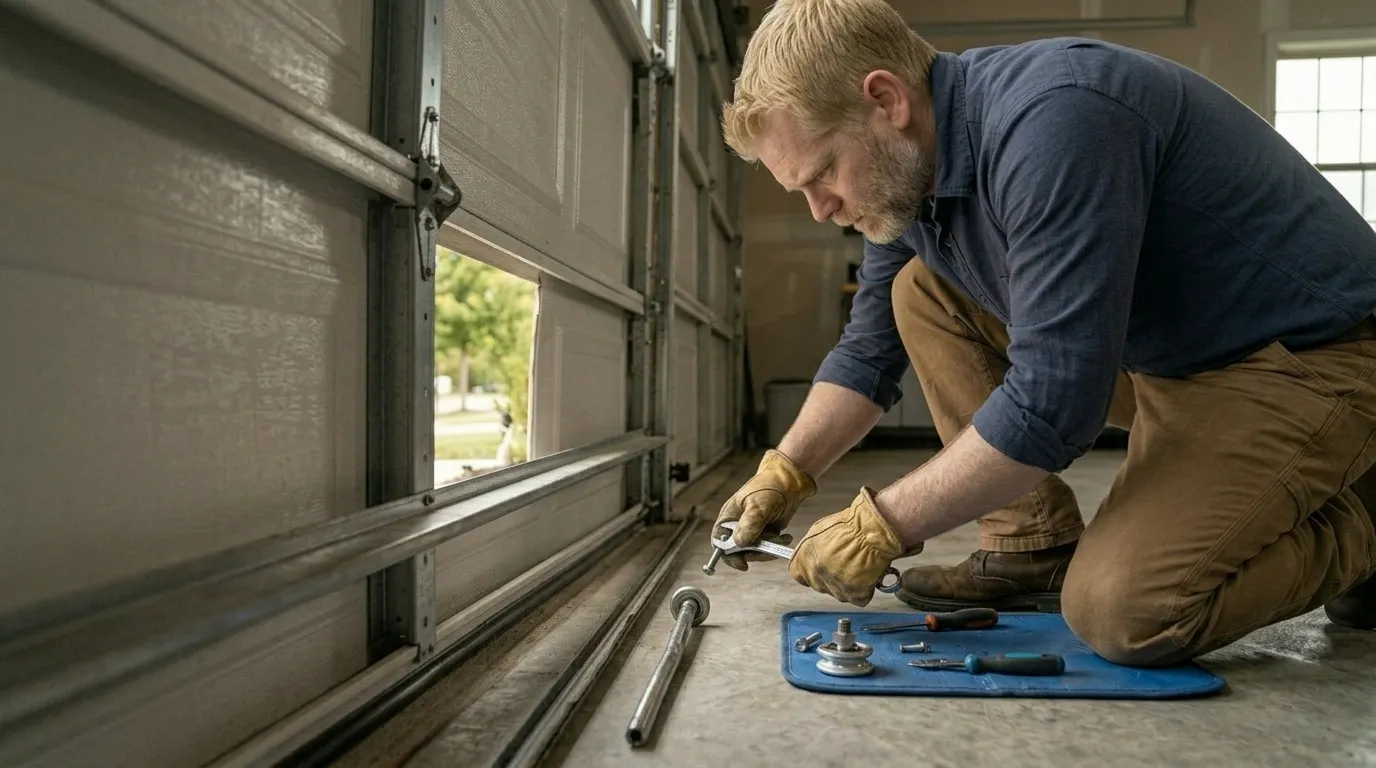
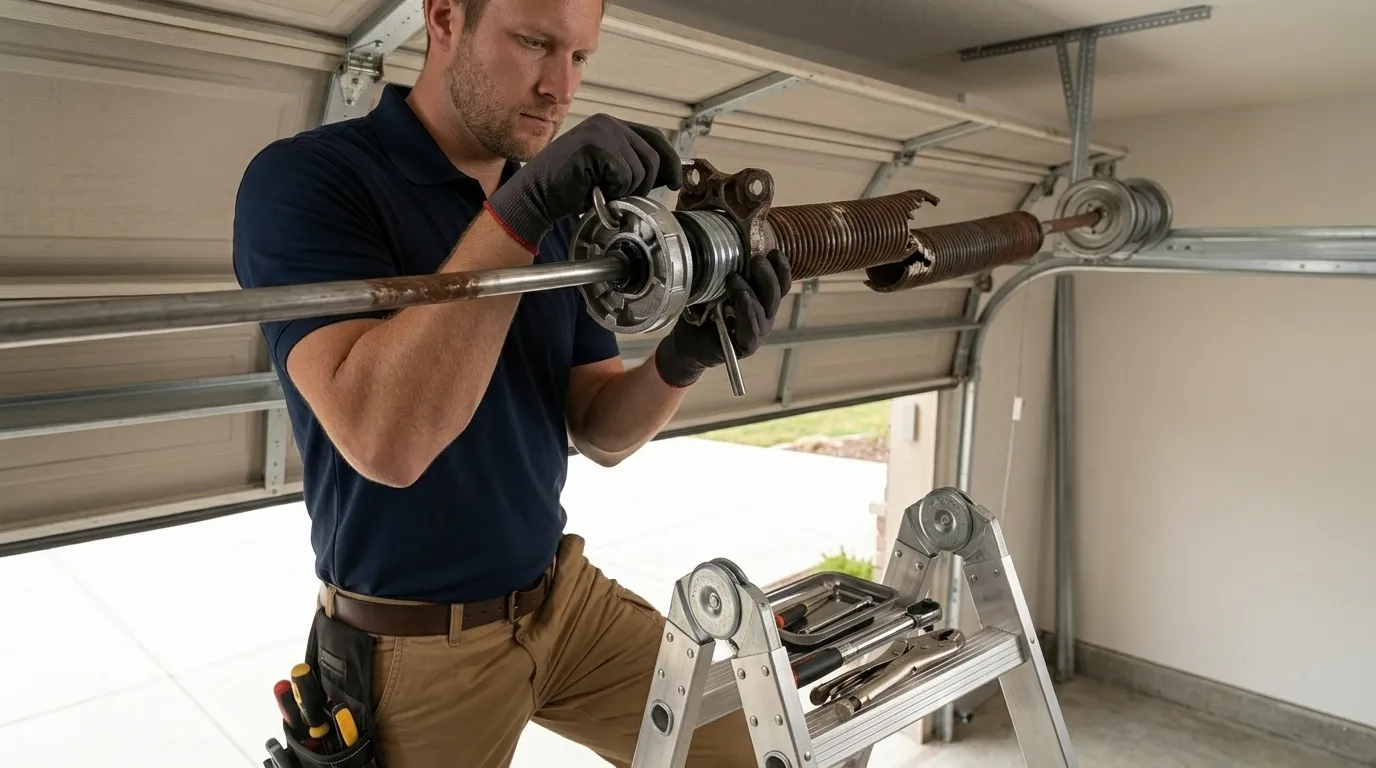
The install calls we get aren't mostly storm damage or accidents - they're doors reaching the end of their working life at roughly the same time, because so much of McKinney went up in the same building window. With housing built mainly between 1971 and 2015 and a median year around 2005, a large share of original doors and springs are now old enough that the torsion springs are past their rated cycle count and the panels have taken enough thermal expansion and contraction from our moderate heat swings to start showing it. Steel expands and flexes with heat over enough summers, and on a door that's 15 to 20 years old, that shows up as warping at the bottom panel or seams that no longer close tight.
Across the 19 named areas in this service territory, the housing ages together in clusters, so it's common for us to do three or four installs on the same street inside a single season - not because of any one event, but because the doors were all put in around the same year and they're all wearing out around the same year too. That's a different pattern than an older city with mixed-era housing, where failures are scattered and random instead of bunched.
The Complications
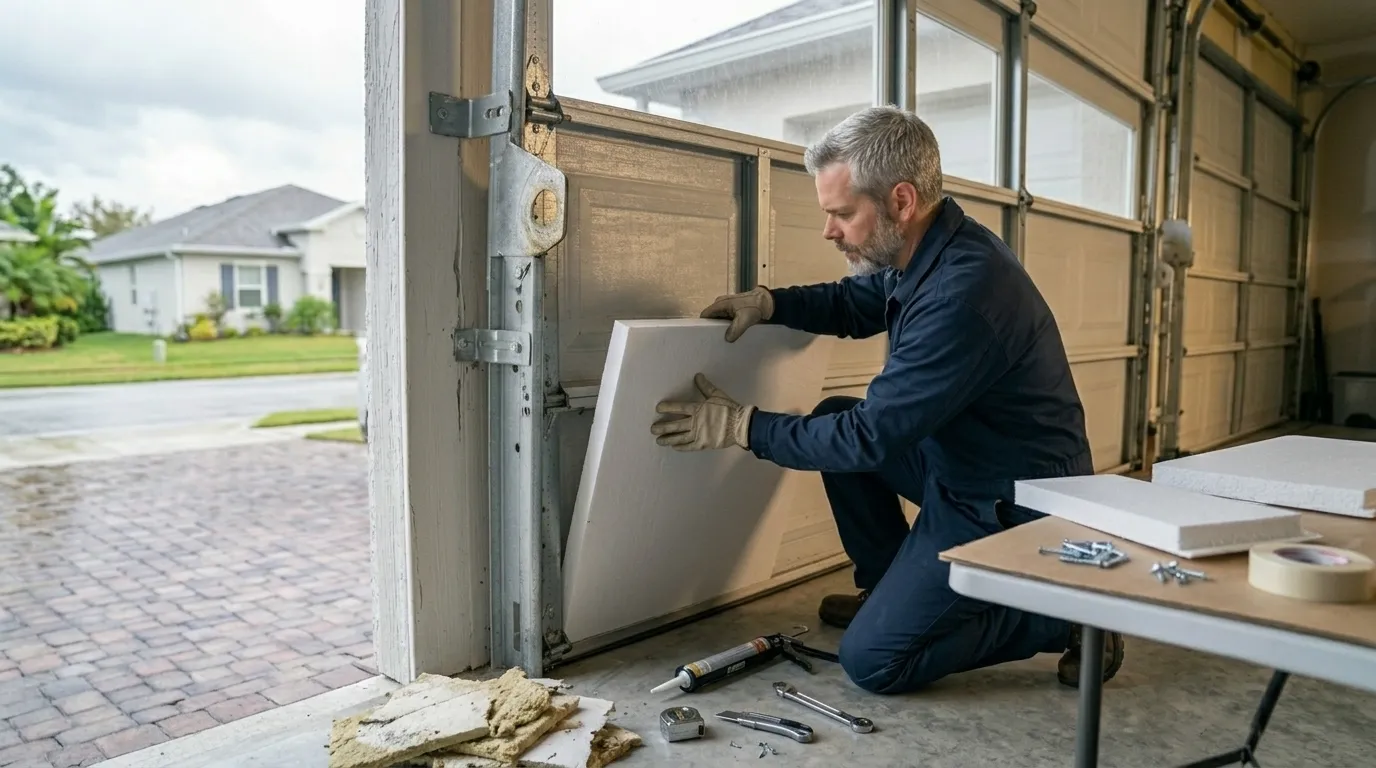
The complication we run into most on McKinney installs isn't the door itself - it's what's behind it. Homes built in the 2000s often have garages finished with shared walls to living space or bonus rooms above, which means an insulated door choice isn't optional if you want the room above to hold temperature through the summer months this climate band brings. Skipping that step to save money up front usually means a callback later.
The other complication is opener compatibility. If your house is on the older end of the 1971-2015 range and never had the opener replaced, the old unit's mounting and travel settings often don't match up cleanly with a new door's weight and spring rating, so the opener needs replacing or at least re-tuning at the same time as the door - not a hidden upsell, just how the hardware works. We'll flag that during the estimate rather than after the door's already hung. Across the households in this area - about 40,679 total, with roughly 31,785 owner-occupied - this is the single most common reason a straightforward install quote grows by a line item once we're actually in the garage.