What People Here Ring About
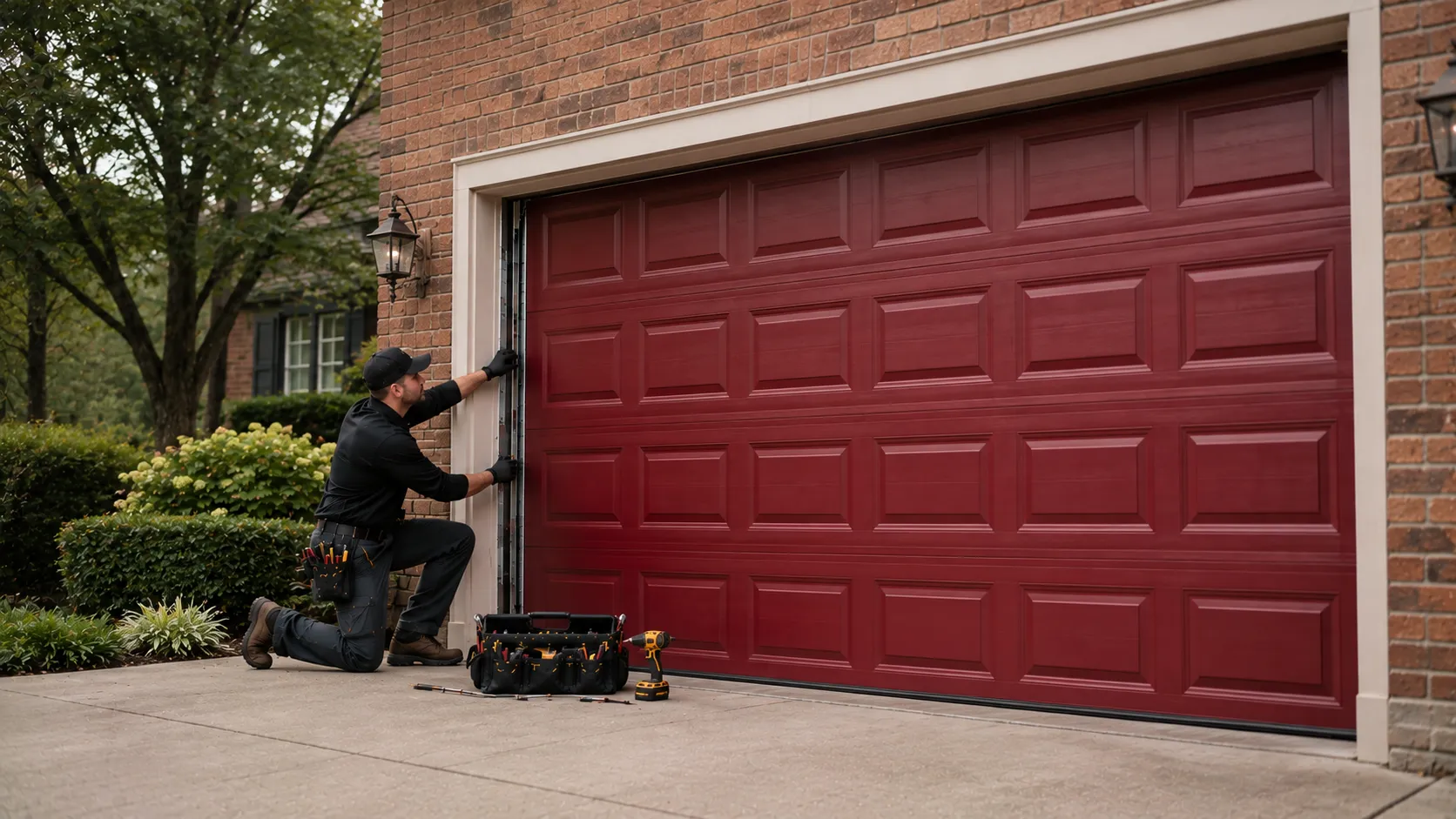
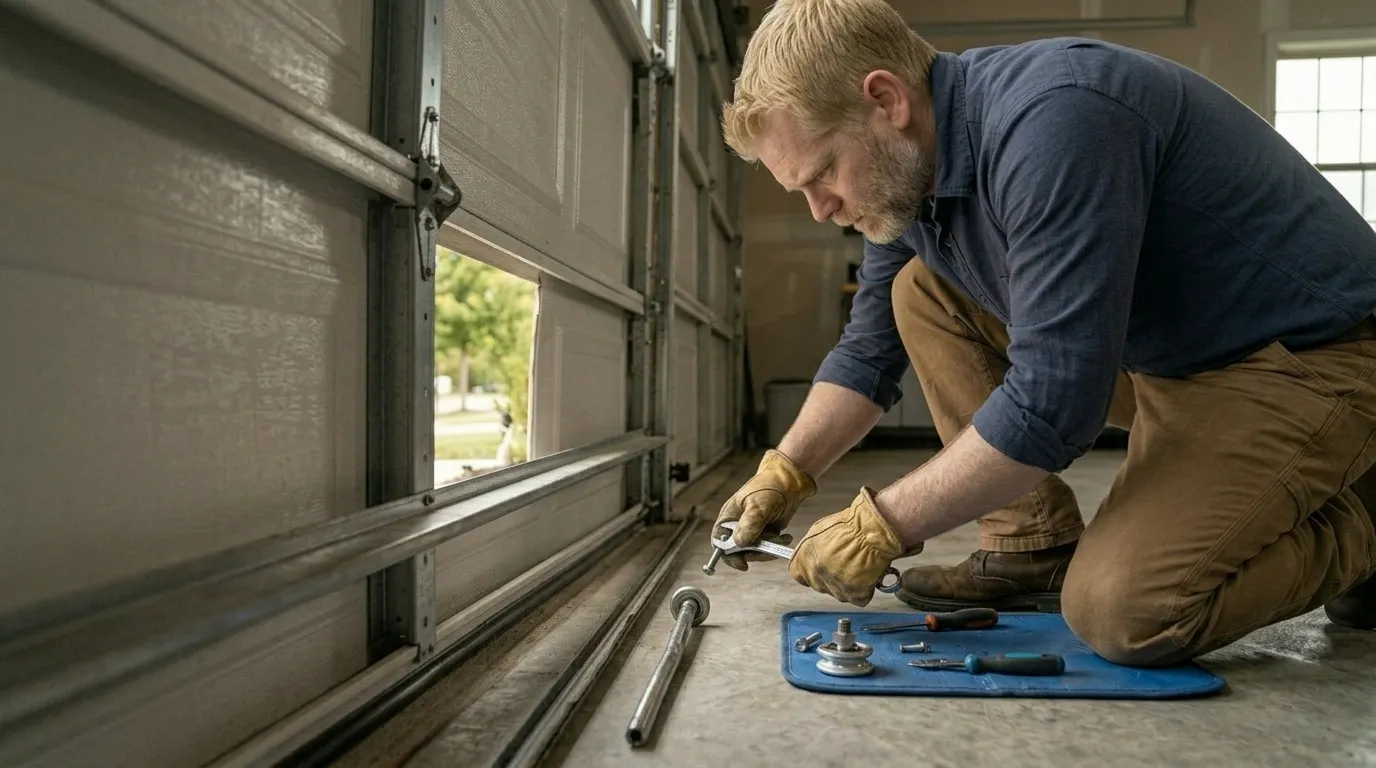
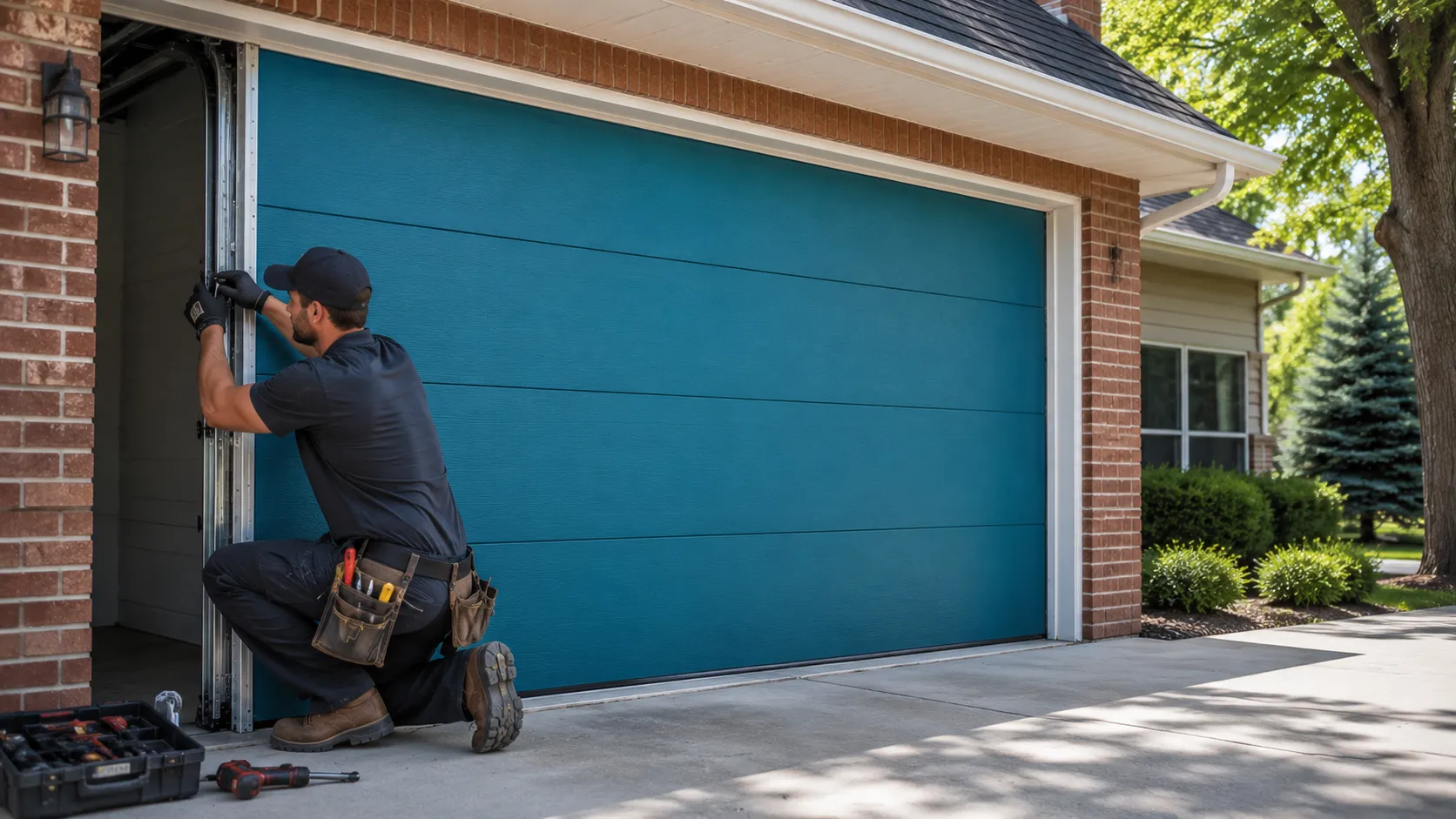
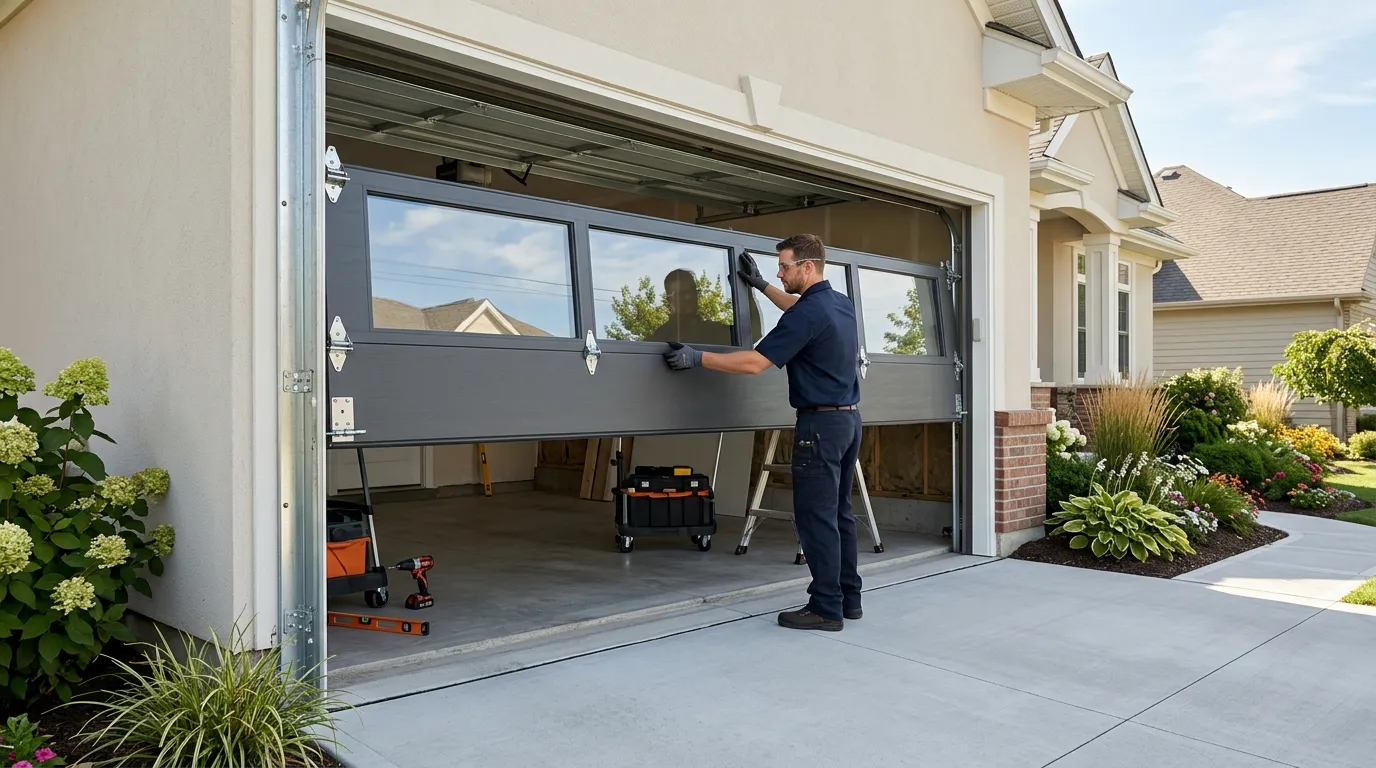
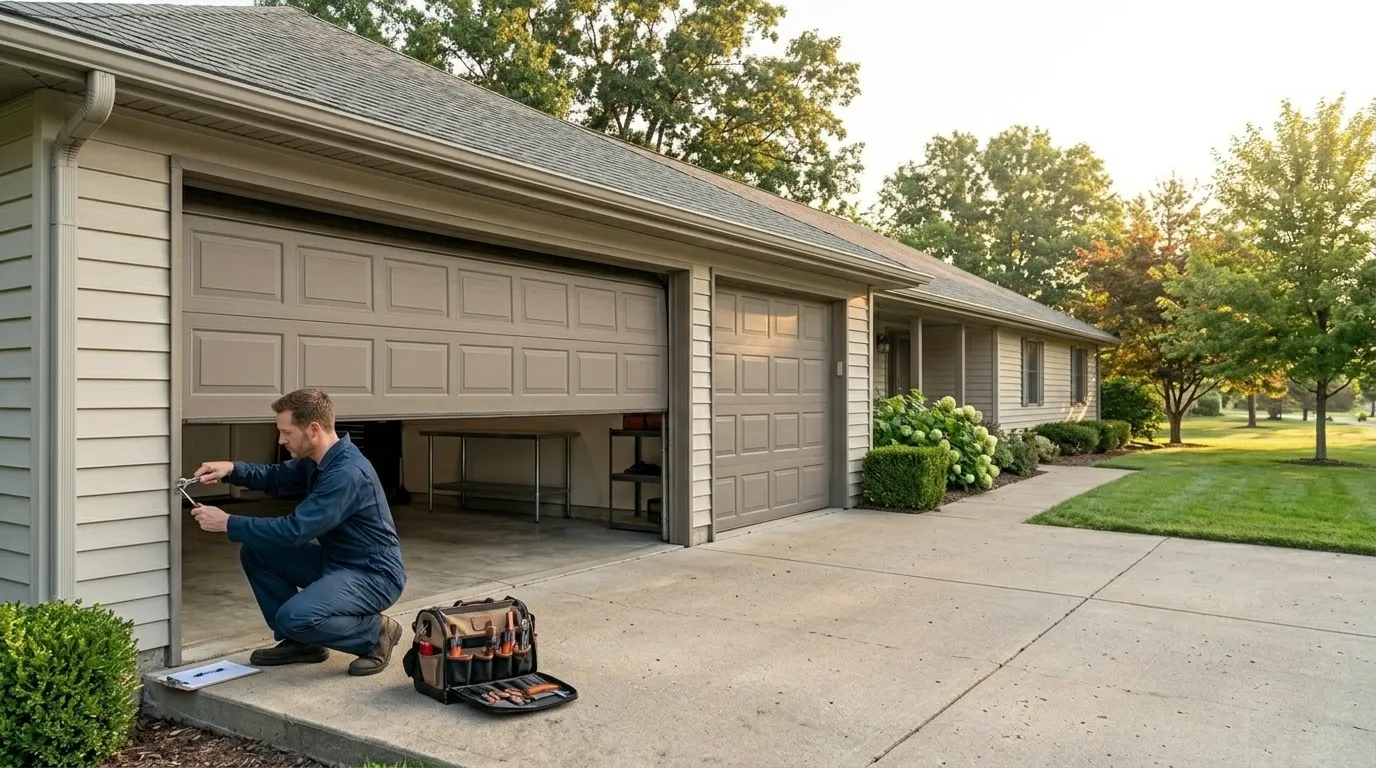
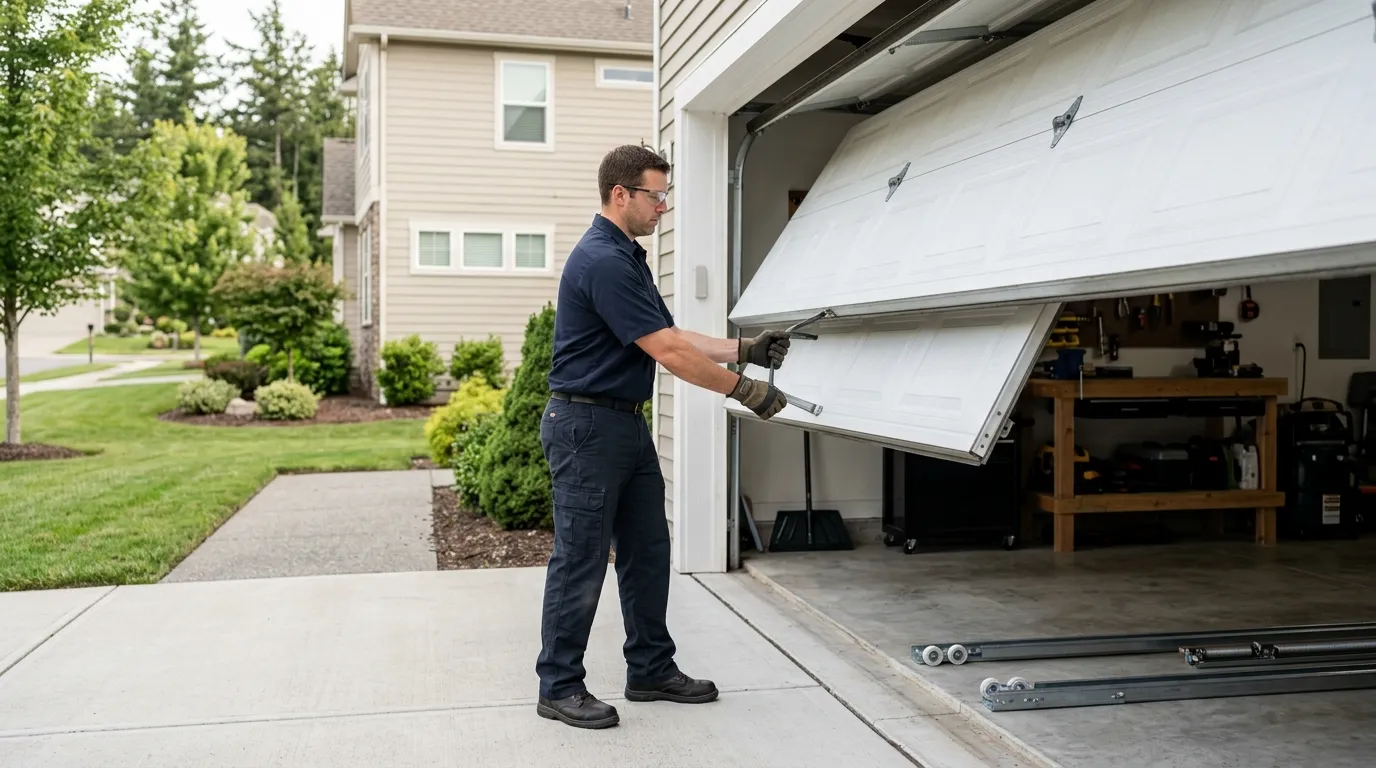
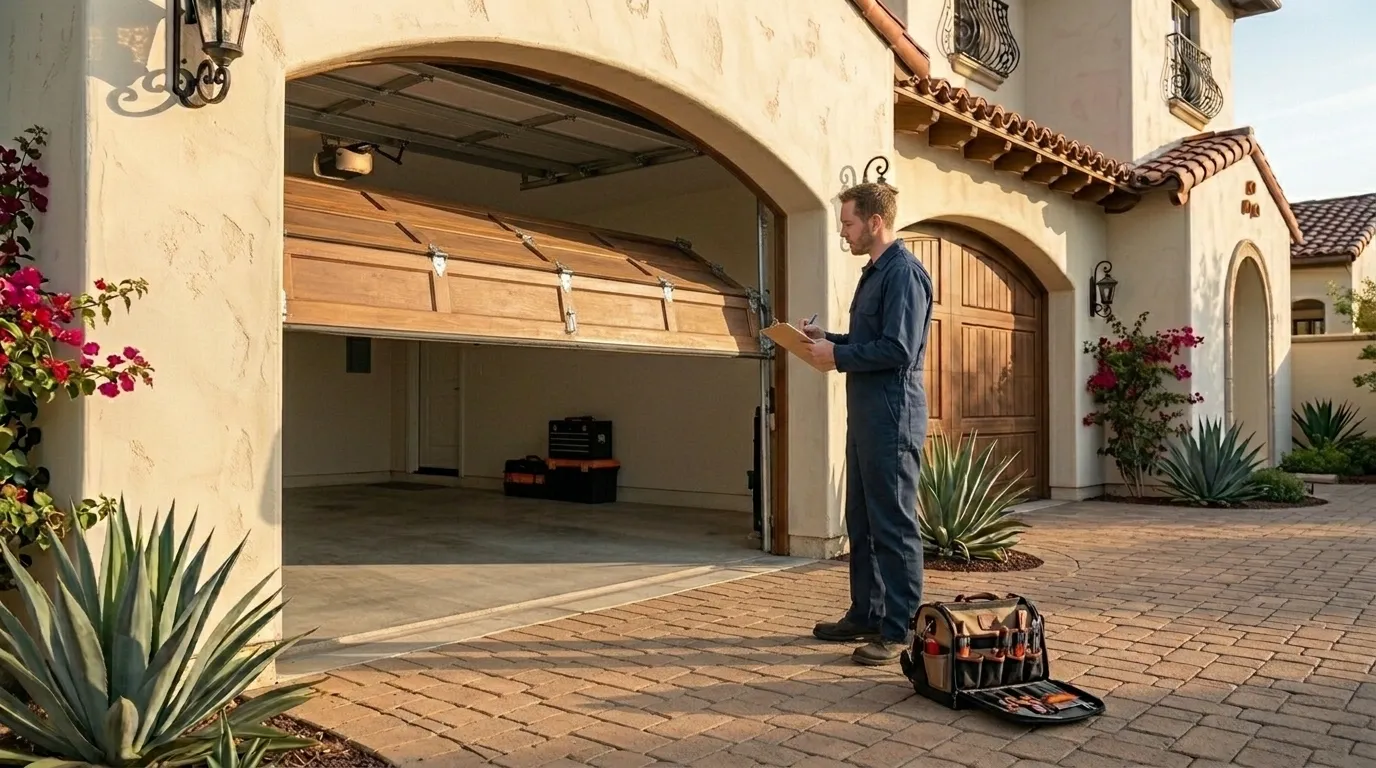
Murphy sits about 13 miles from our shop in McKinney, and most of the calls we get from this side of the service area follow a pattern tied to how the neighborhoods were built. Homes here went up mostly around 2005, which puts a lot of doors and openers right at the age where springs fatigue, nylon rollers crack, and the first-generation opener logic boards start acting up. We hear about doors that open partway and stop, openers that grind before they lift, and torsion springs that finally give out after 15-20 years of daily cycles.
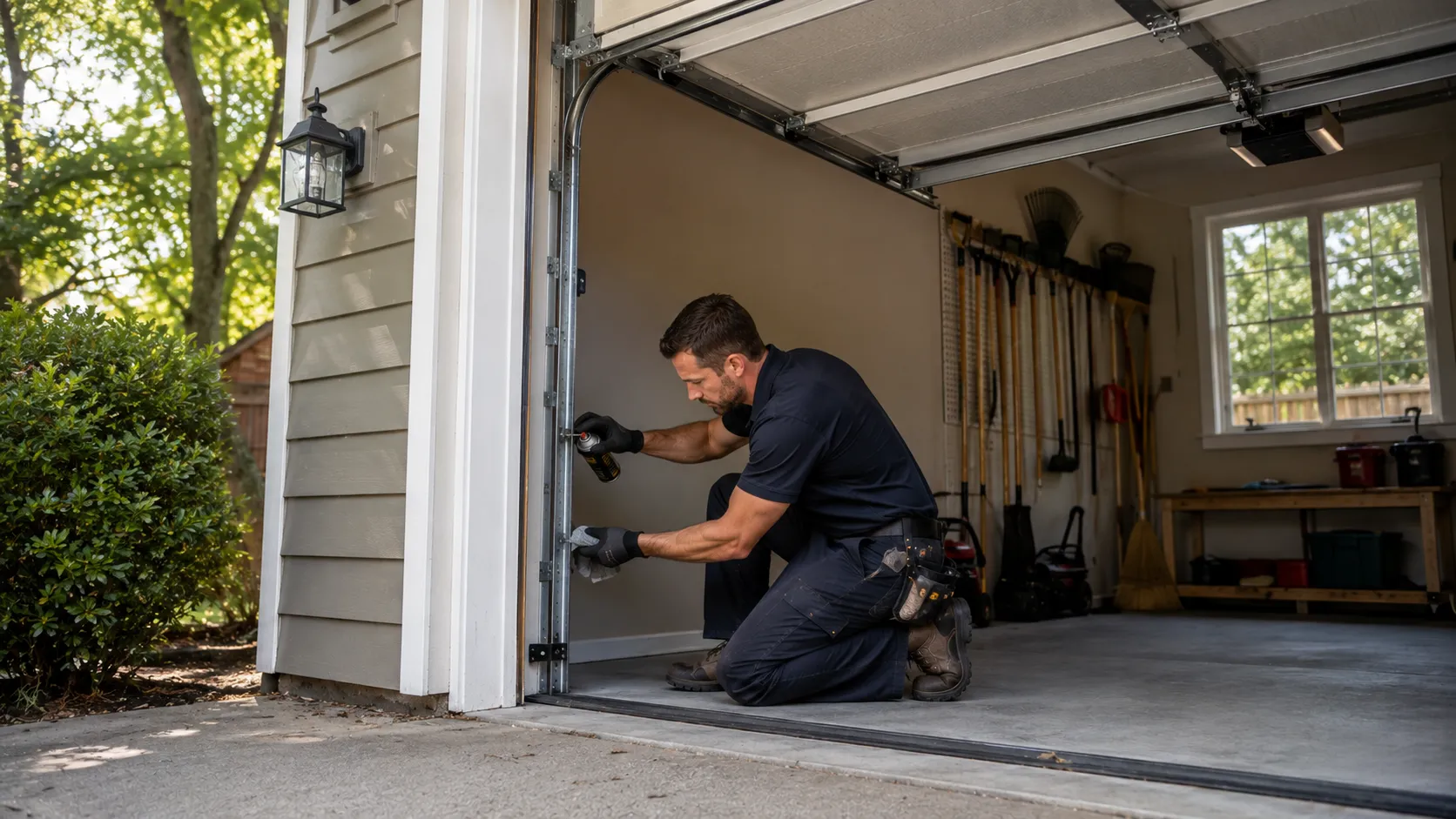
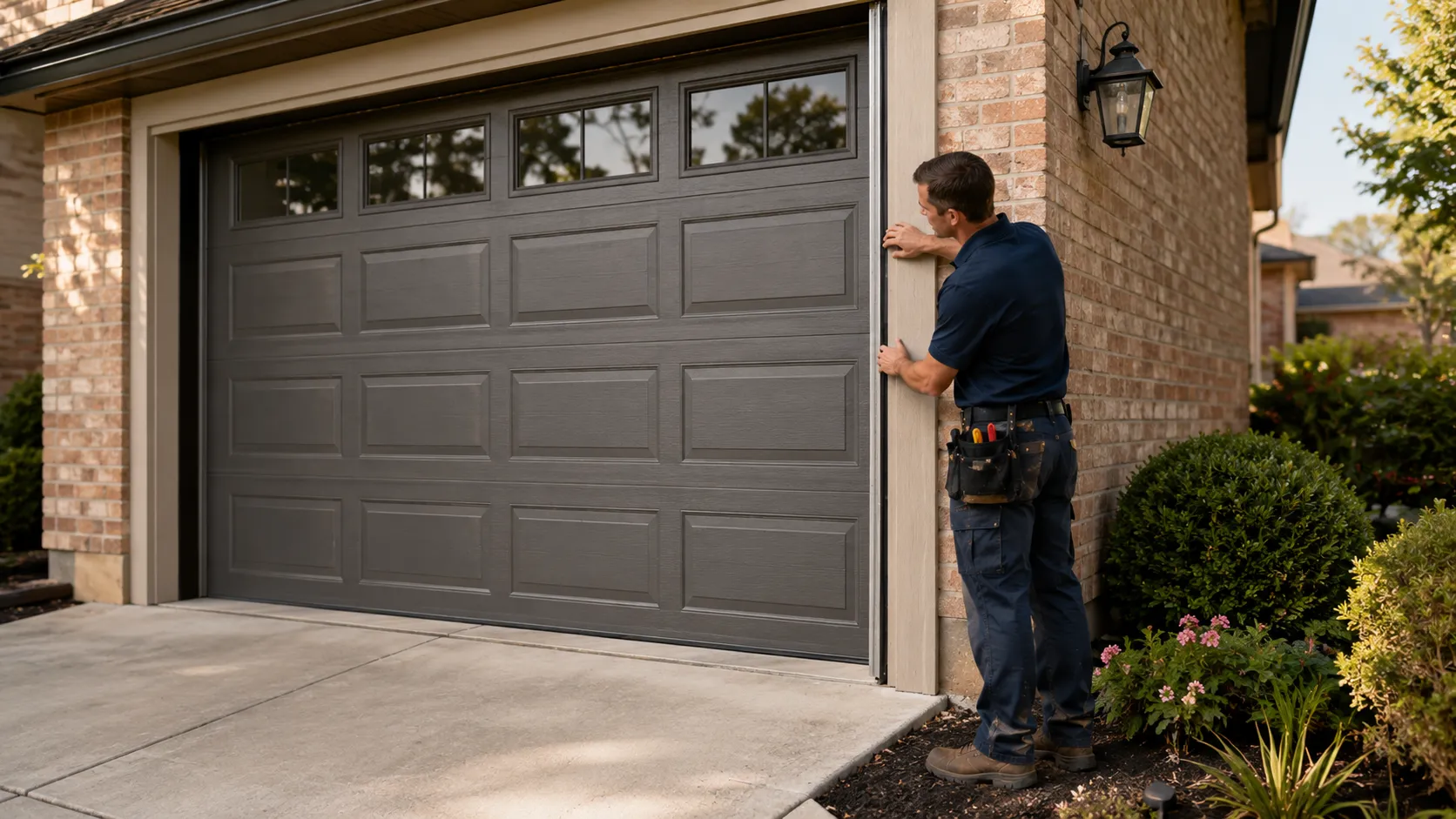
We also get calls about noise. Builder-grade rollers from that era were often plastic, and by year fifteen they're loud and pitted. That's a straightforward fix, not an emergency, but it's the single most common reason a Murphy homeowner picks up the phone. Panel dents from car mirrors and basketball hoops show up too, though those are cosmetic and can usually wait until you're ready.
One thing we're upfront about: if a job needs a part we don't have on the truck that day, there can be a short wait to get it in, especially for less common opener models. We'd rather tell you that than promise same-day on something we can't back up.
This Area's Housing
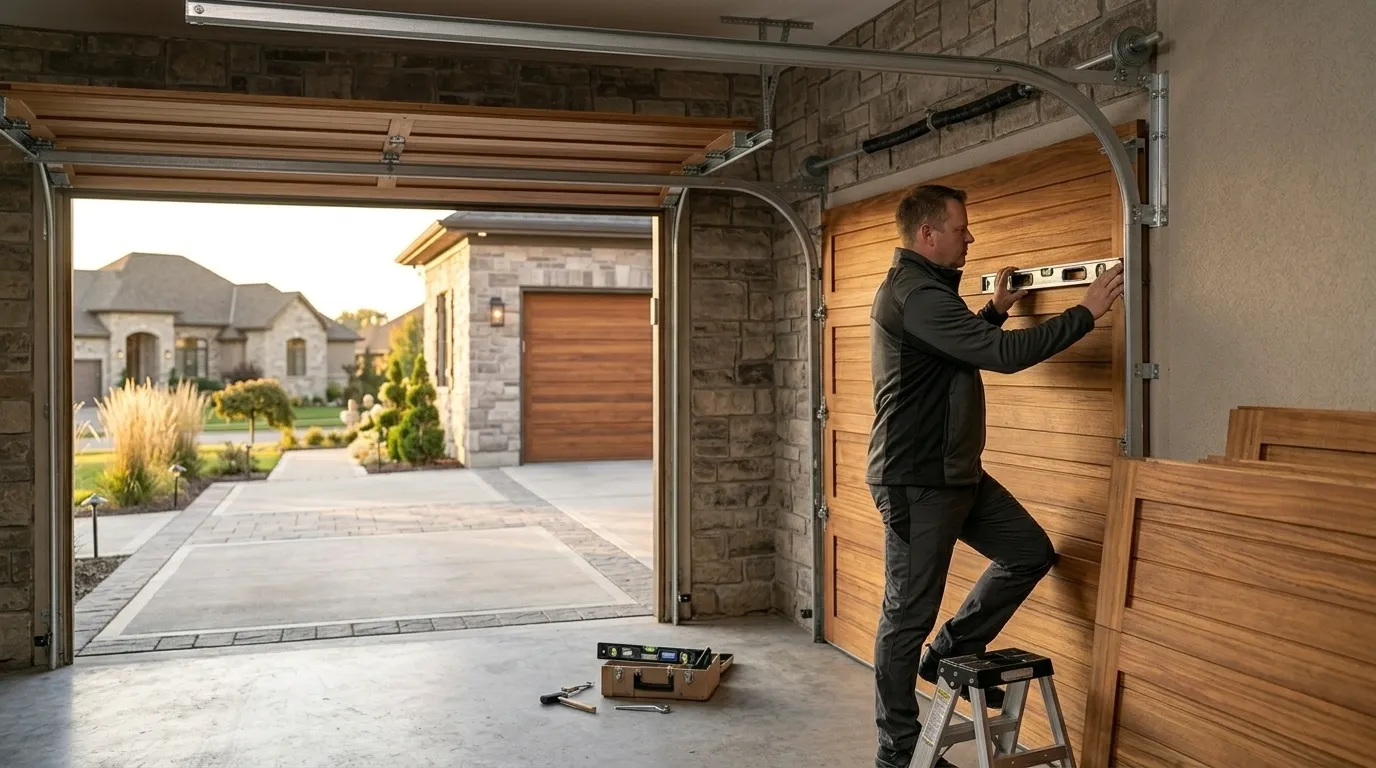
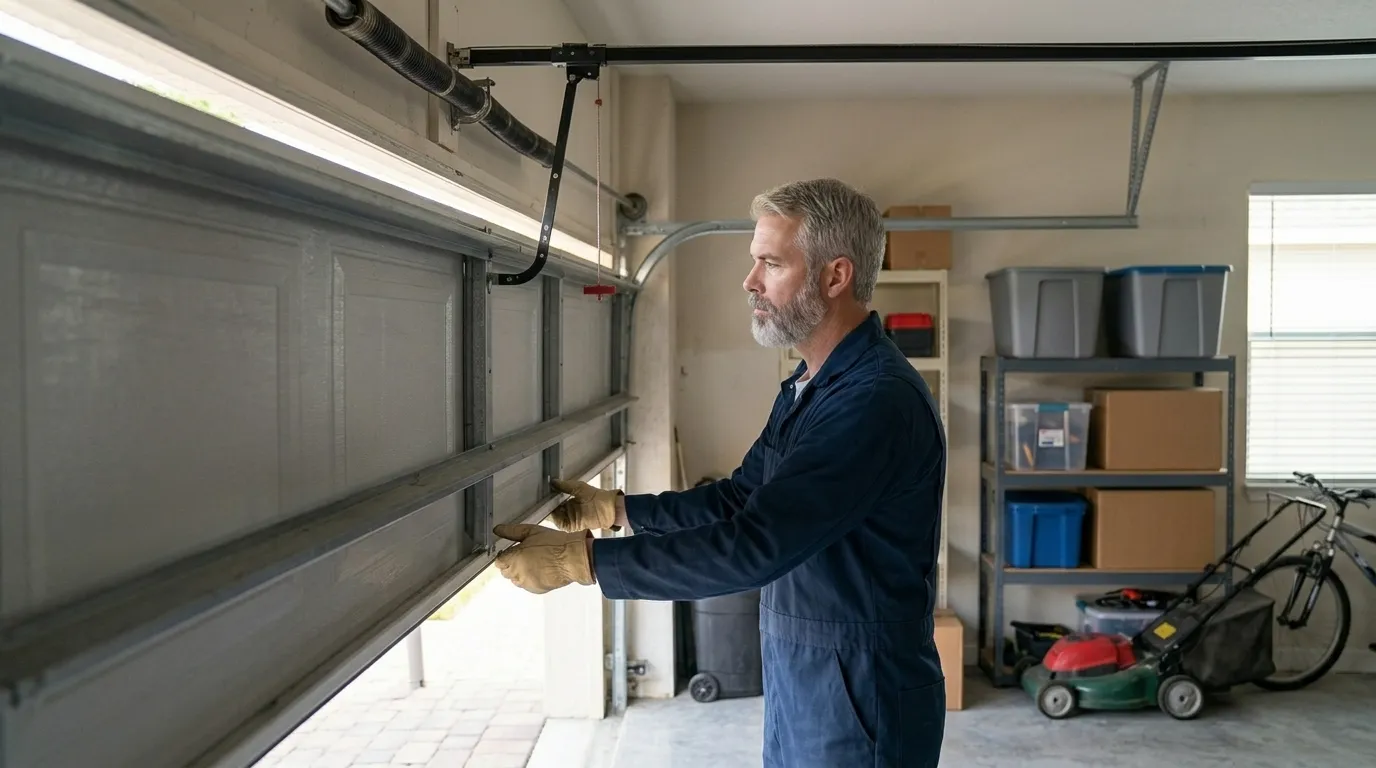
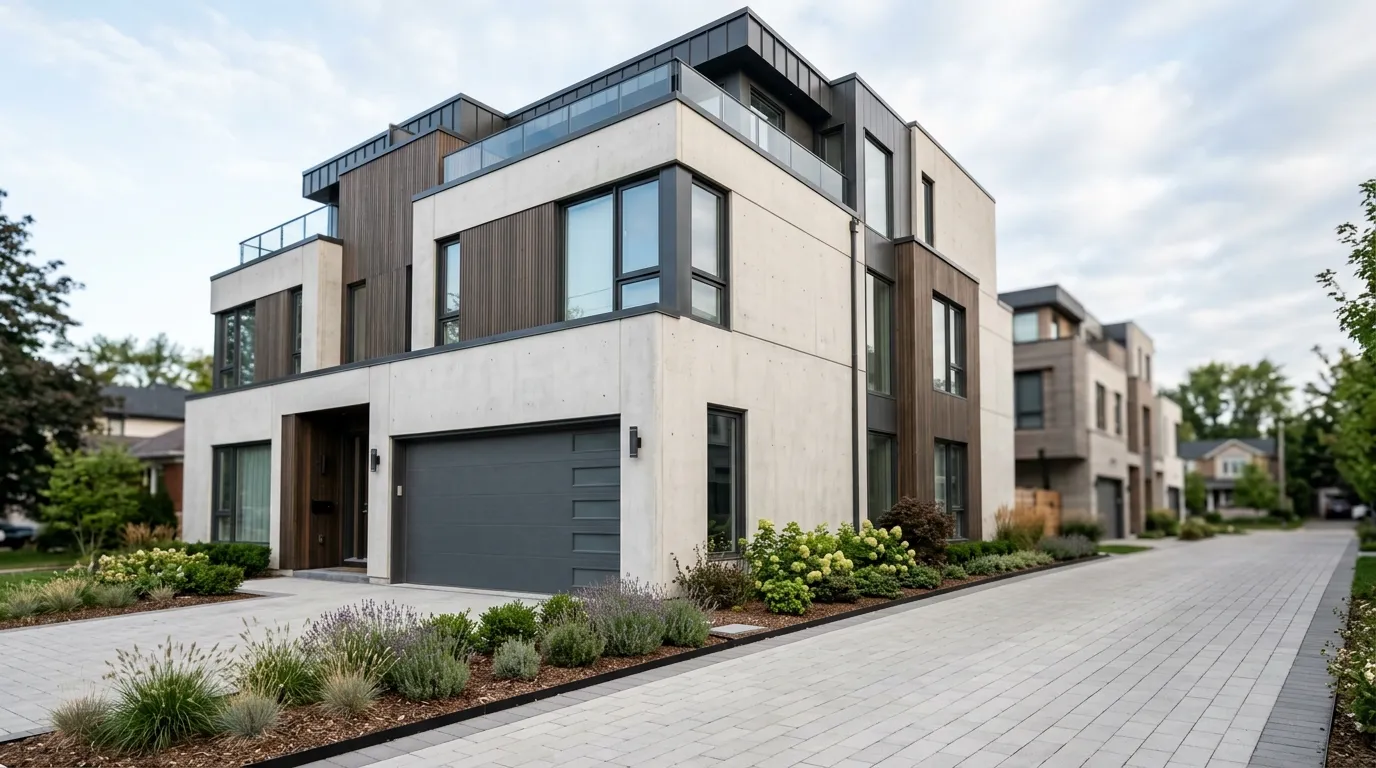
Murphy's housing stock centers on a median build year of 2005, which lines up closely with the median across our whole coverage area. That's useful to know, because it means the doors here aren't the mixed bag you'd find in an older, patchwork town - they're overwhelmingly one generation of hardware. Steel sectional doors with torsion springs mounted above the opening, factory openers with photo-eye safety sensors, and rolled-steel tracks are the standard, not the exception.
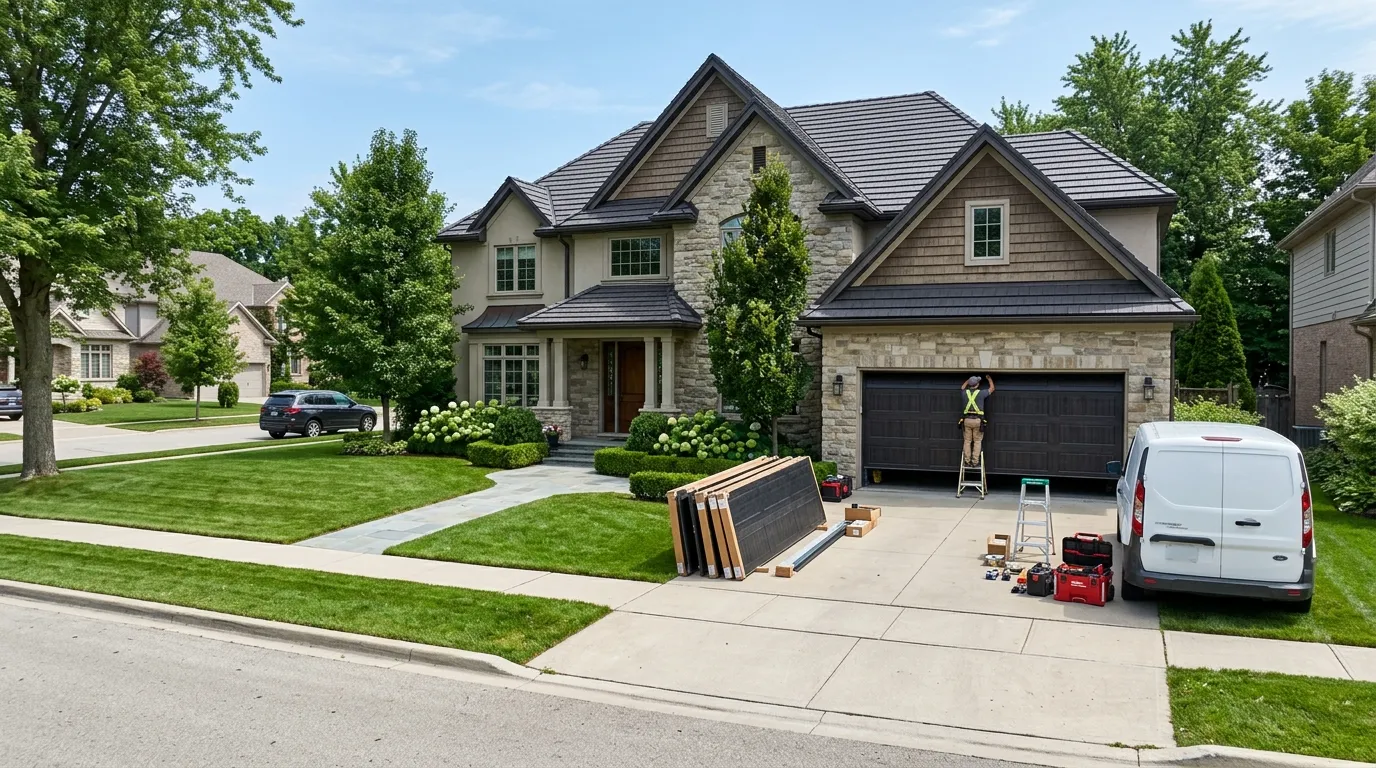
With 5,907 households in Murphy and a median household income of $165,109 - well above the broader service area's $109,528 - a lot of these houses were built with mid-to-upper-tier door packages: insulated steel doors, sometimes with windows, on openers with basic safety features that were standard by the early 2000s. That matters for repair versus replace decisions, because a well-built 2005 door is usually worth fixing rather than tearing out.
We don't see much of the old extension-spring, no-sensor hardware that shows up in pre-1993 construction elsewhere in our coverage area. Murphy's stock is newer and more uniform, which actually makes diagnosis faster once we're on site.
What the Housing Means for Your Door
Because Murphy's homes cluster so tightly around a 2005 build year, the fixes we bring are specific rather than general. We're not guessing at whether a house has an old extension-spring setup or a newer torsion system - we know to expect torsion springs, steel doors, and openers with photo-eye sensors, and we load the truck accordingly.
The flip side is that a whole neighborhood built in the same few years tends to have springs and rollers wearing out in the same few years, too. If your street went up in 2004 or 2006, a spring failure on your neighbor's door is a decent early warning for yours.
Higher-end original door packages, common given the income level in this area, also mean more insulated doors and heavier double-car sections - which puts more load on springs and openers than a bare steel door would. That's worth knowing if you're budgeting for a repair: parts on a heavier insulated door cost a bit more than the stripped-down version.