What Local Conditions Do
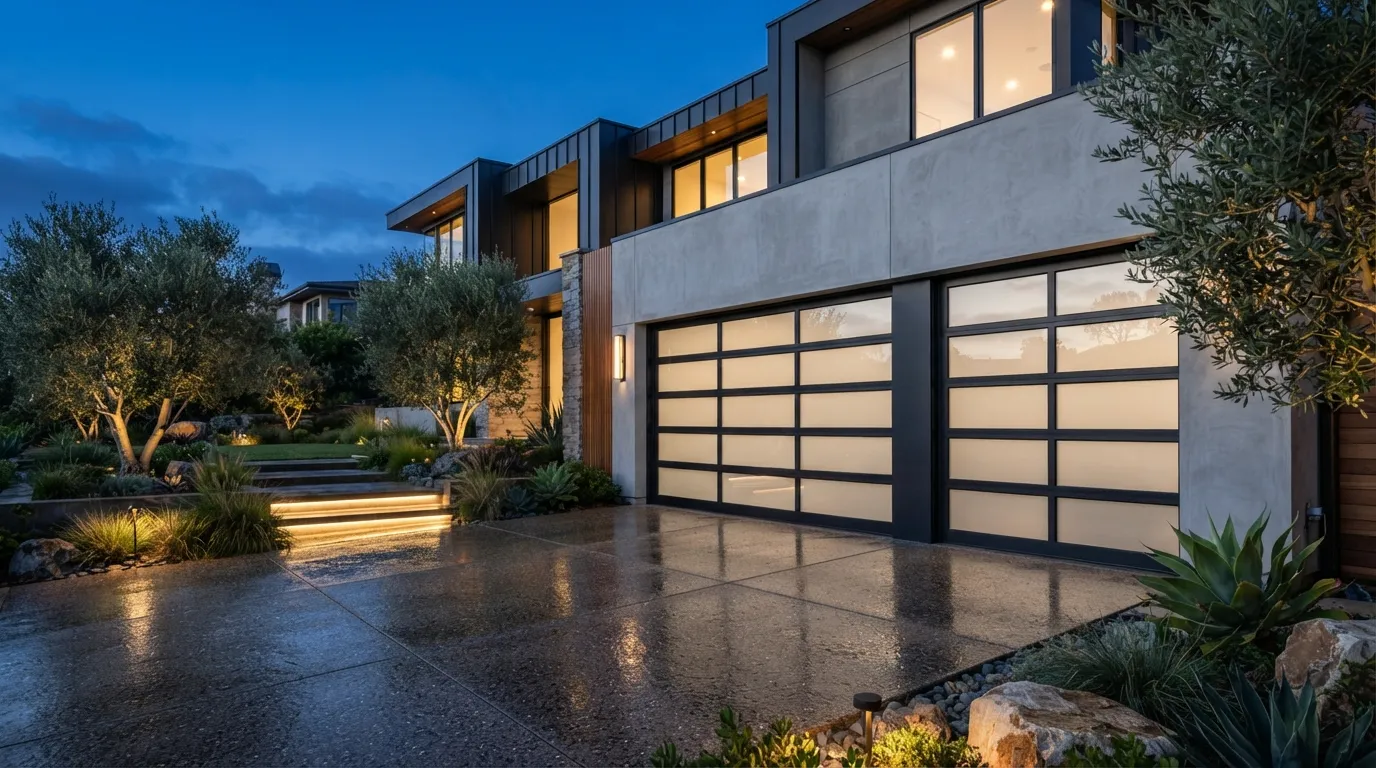
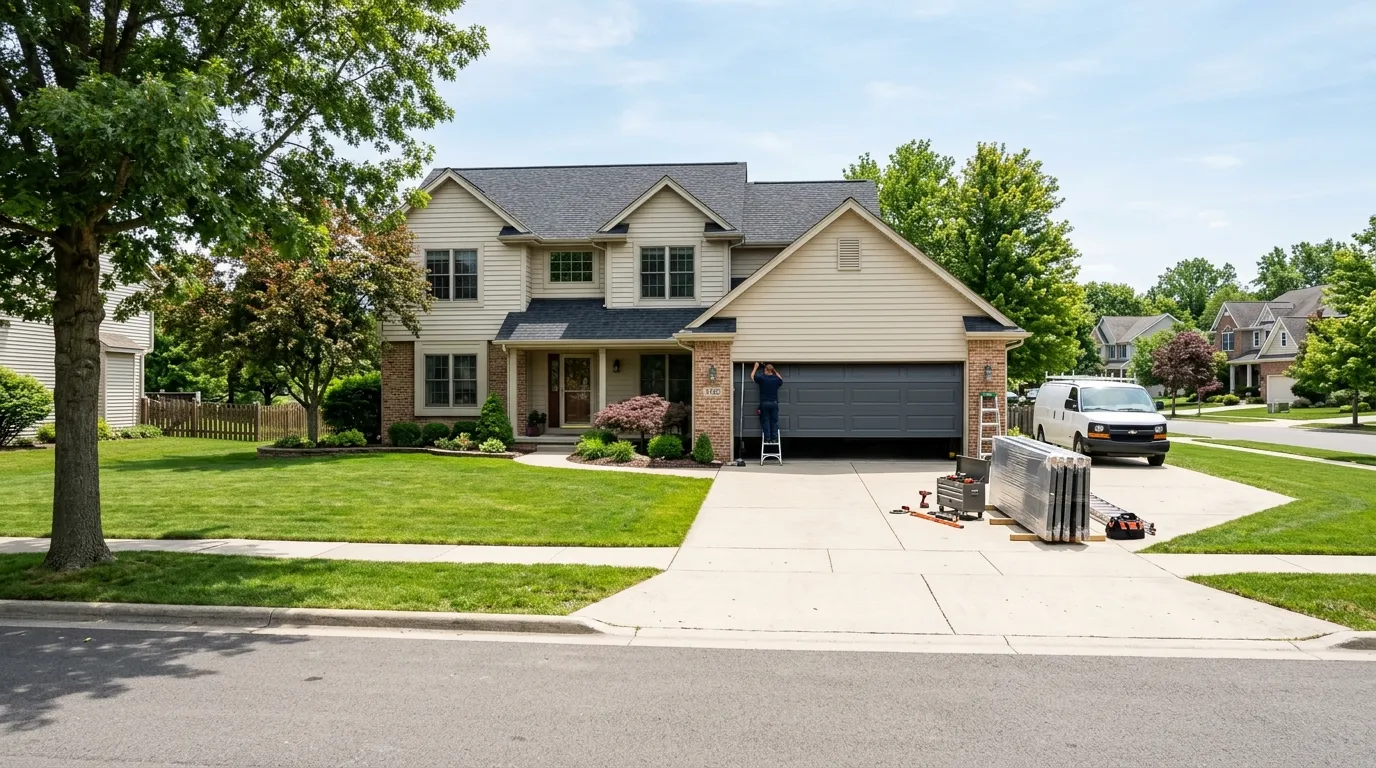
Most of the houses in this service area went up between 1971 and 2015, with the bulk of that stock dating to somewhere around 2005. That's not ancient, but it's old enough that a door installed with the original build is now twenty years into a service life that torsion springs, rollers, and openers were never meant to cover without attention. Across the 19 named areas we cover, from Fairview five miles out to Aubrey twenty miles north, the housing stock skews heavily toward 2000s construction, so the doors we're called out to fix tend to be the same builder-grade steel sectional units, give or take a model year. The climate here sits in the HEAT moderate band, not the extreme end of the scale, so these doors aren't fighting daily triple-digit swings the way equipment does further west. That's a small mercy - it means the failures we see are mostly about age and cycle count on the hardware, not heat-warped panels. Whether a door in this bracket is worth saving comes down to what's actually failed: a spring or a set of rollers is cheap next to a full replacement, but a door with a rusted-through bottom panel or a bent track from years of a bad opener is a different conversation.
What Changes With the Season
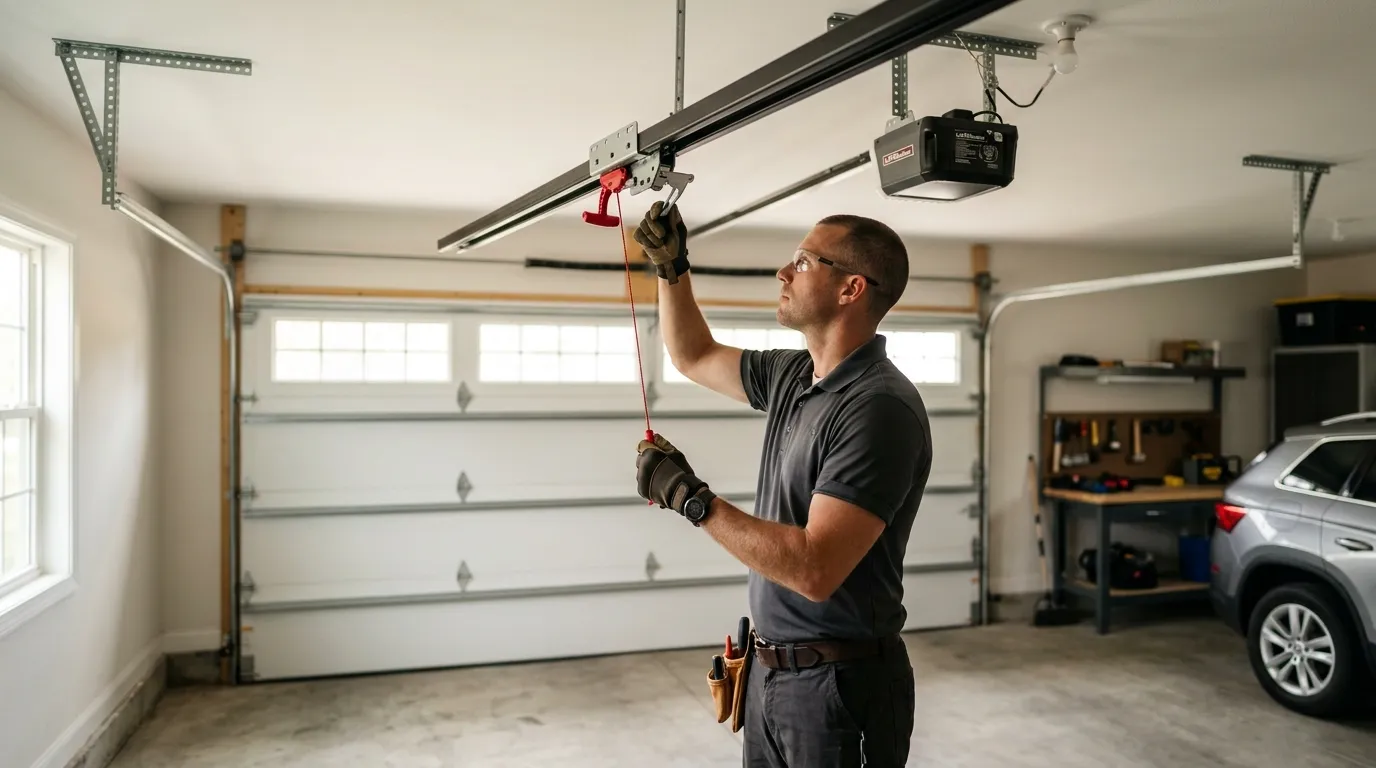
Because the climate here runs moderate on heat rather than extreme, the seasonal stress on a garage door is steadier than in places with harsher summers, but it isn't nothing. Lubricant on rollers and hinges thins out faster once temperatures climb, and a door that was fine in spring can start binding on the track by mid-summer simply because nobody re-greased it. Openers built in the early-to-mid 2000s, which is what a lot of this housing stock still has, use drive belts and gears that were never rated for indefinite service, and heat accelerates the wear on the plastic gear inside a chain-drive unit specifically. On a door that's already fifteen-plus years old, that gear failing under a summer load is often the first sign the whole opener, not just the door, needs a look. None of this means every door needs a service call every season. It means the doors most likely to fail are the ones nobody has touched since the house was built, and in a neighborhood where most homes are 2000s-era, that describes a lot of garages.
What to Look At First
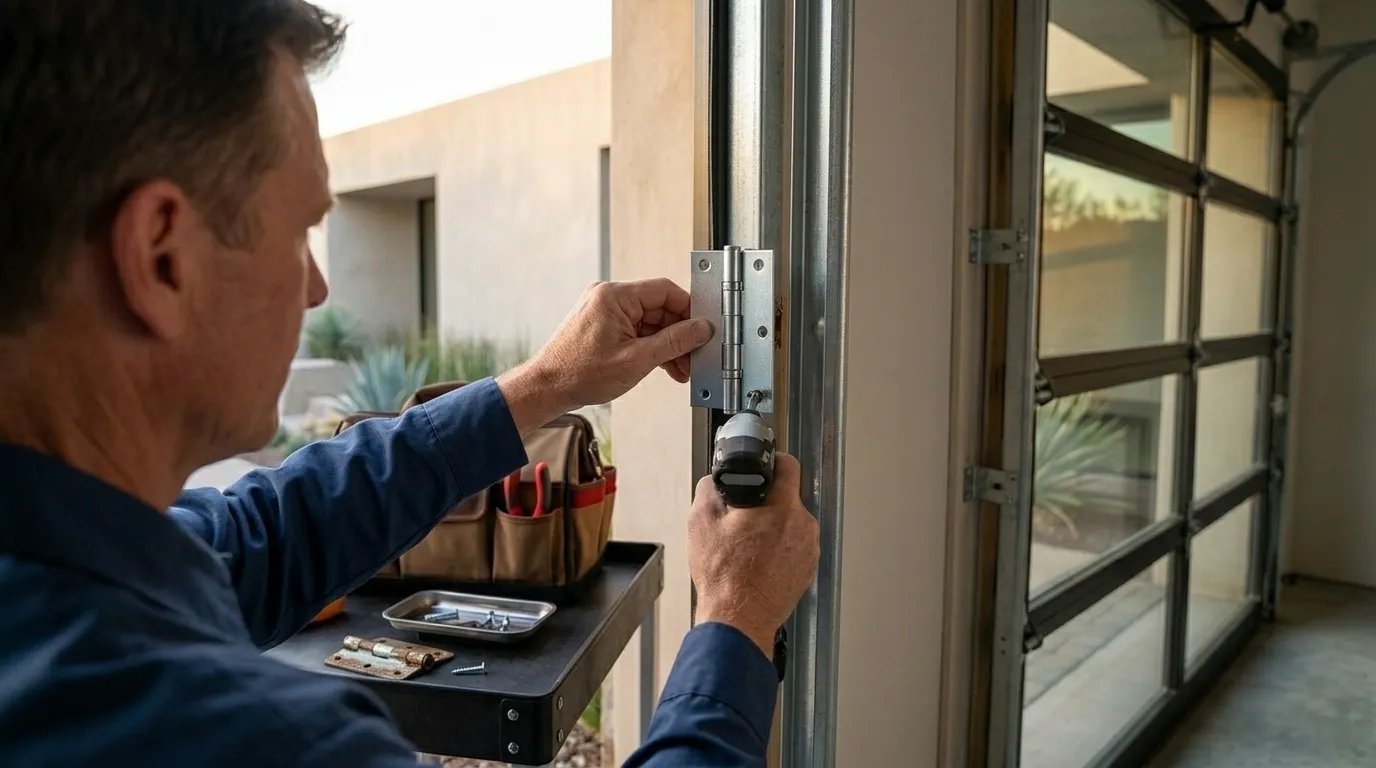
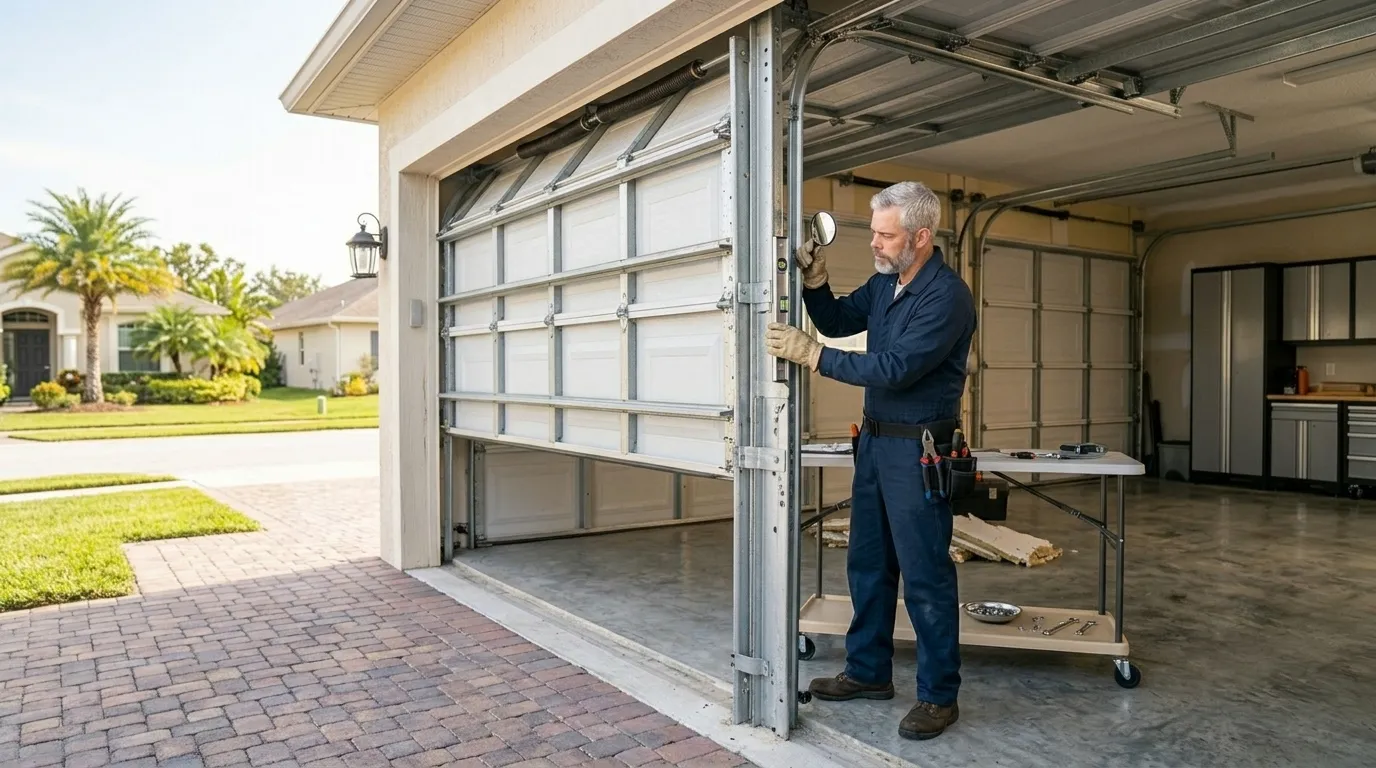
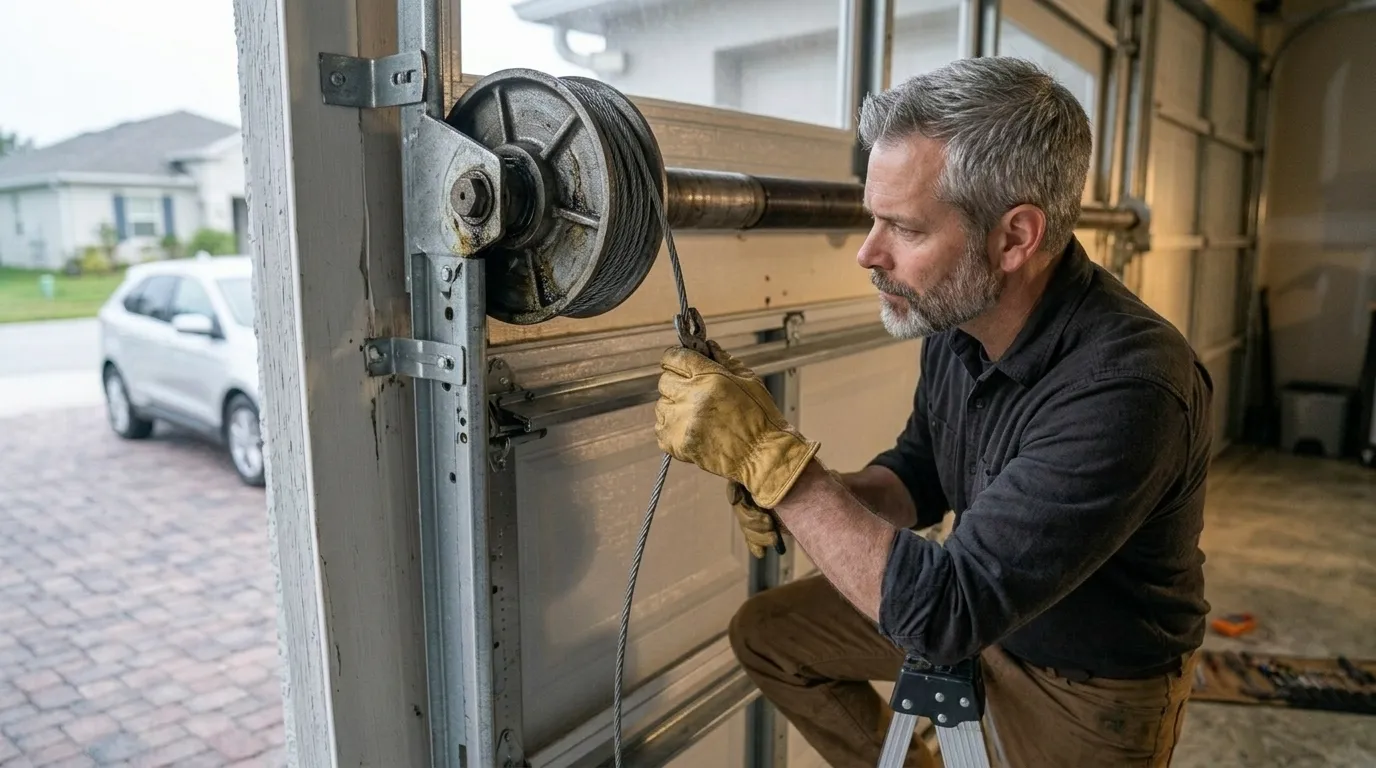
Start with the springs. If the door is from the 2000s build wave that makes up most of this area's housing stock, a torsion spring nearing the end of its rated cycle count is the single most common reason for a door that suddenly won't open, and it's also the cheapest fix on this list. Next, check the rollers and track for grinding or visible wobble - on a builder-grade steel door, worn rollers are routine at this age and cheap to swap. Look at the bottom panel and weather seal for rust or cracking, since that's where moisture damage shows up first even in a moderate-heat climate. Check the opener's age against the house - if it's original to a 2000s build, the drive gear is a wear item that's likely due. Here's the honest limit: if you're looking at a door where the panels are dented or rusted through in more than one spot and the opener is also failing, we're not going to recommend patching each piece separately. At that point, a new door and opener installed together costs less over time than three separate service calls.