What People Here Ring About
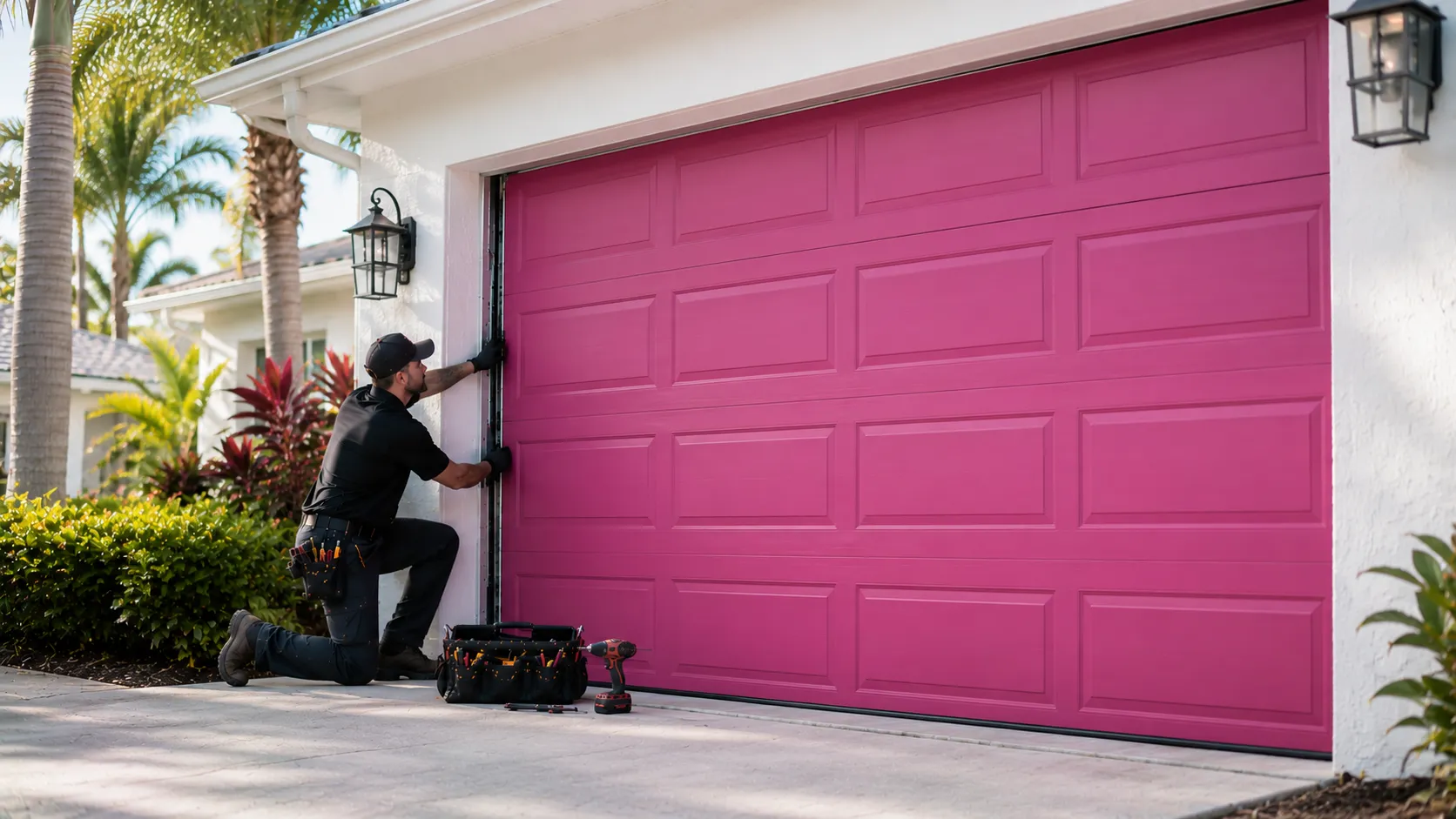
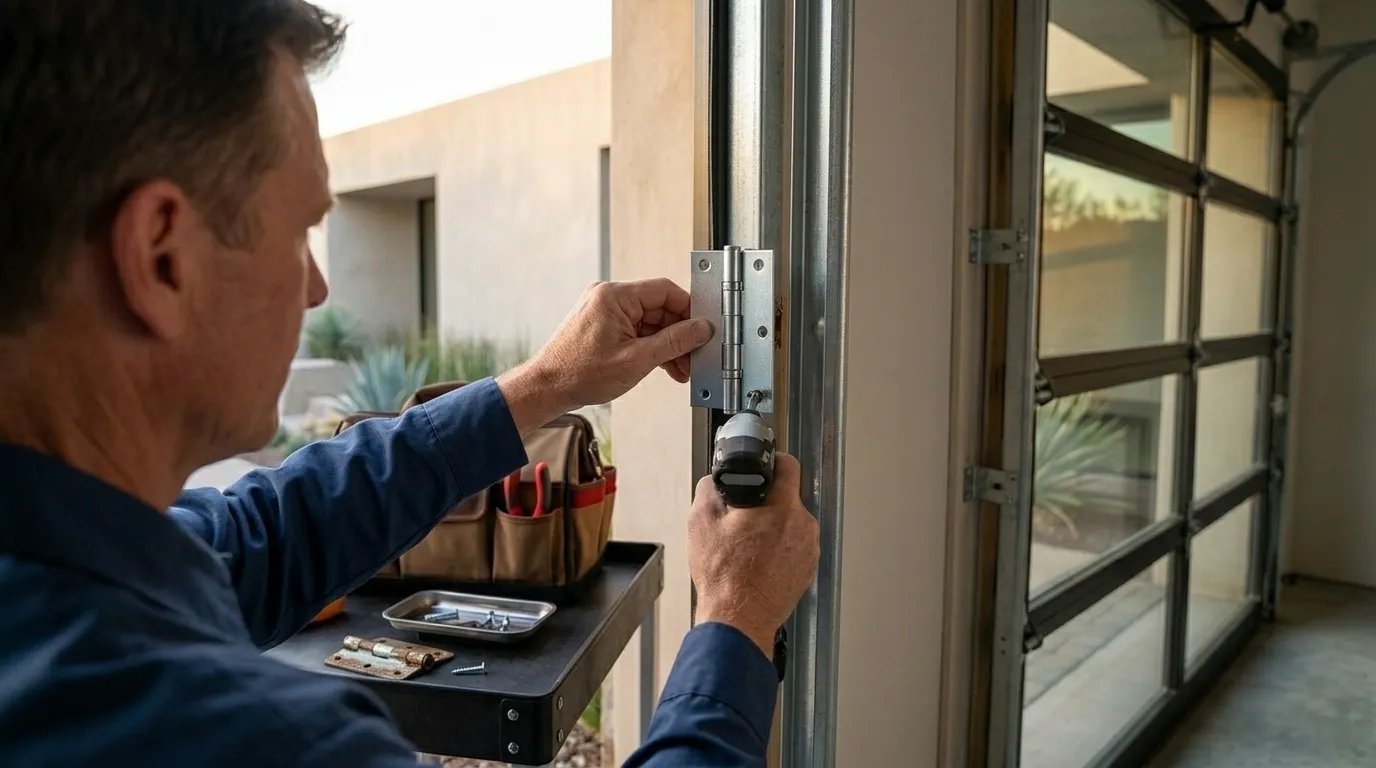
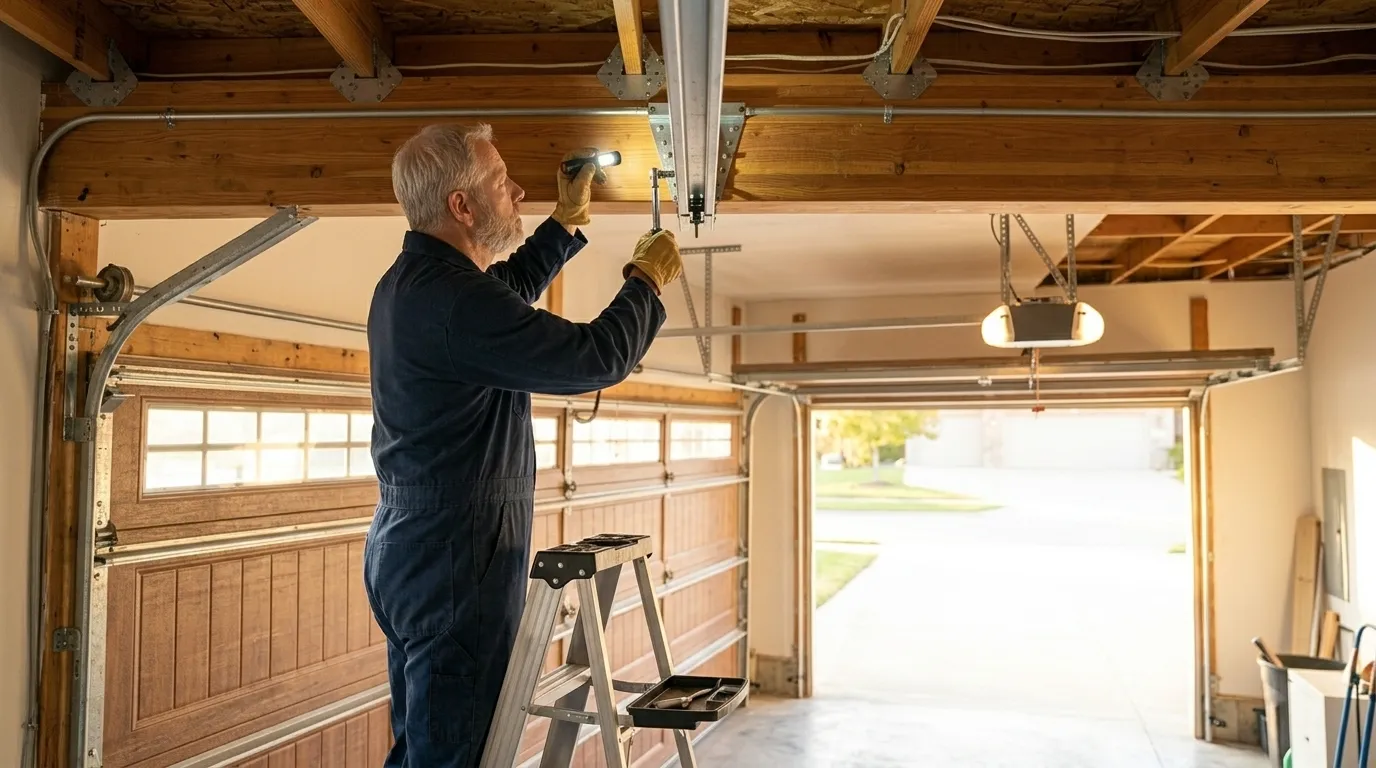
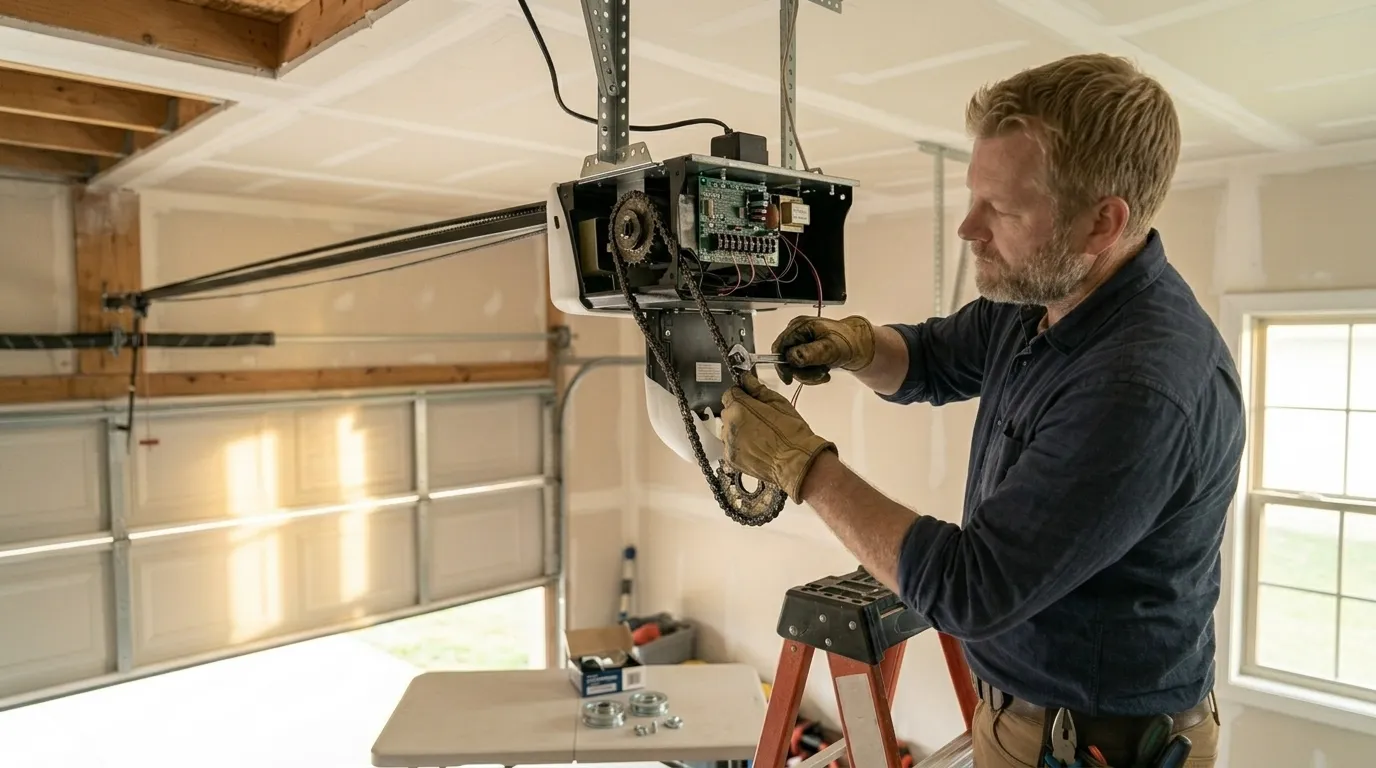
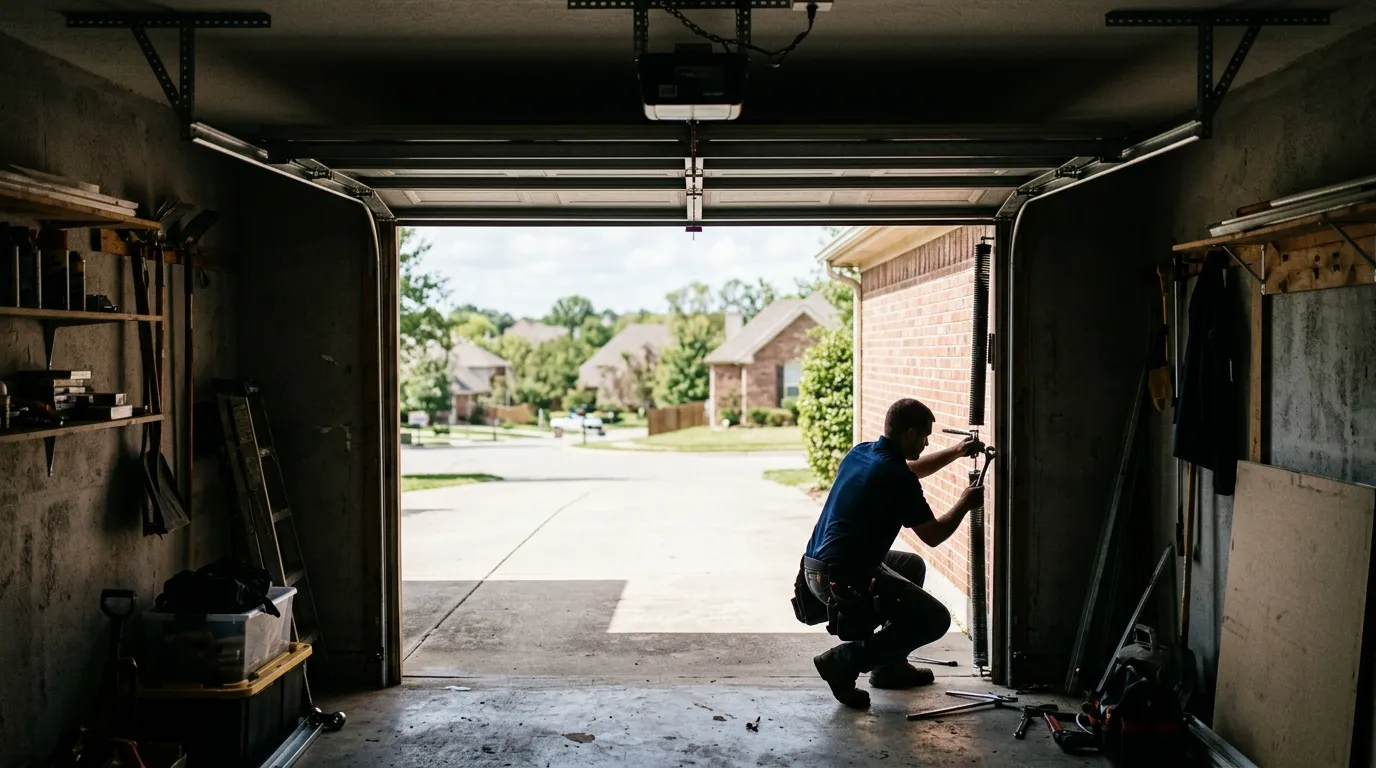
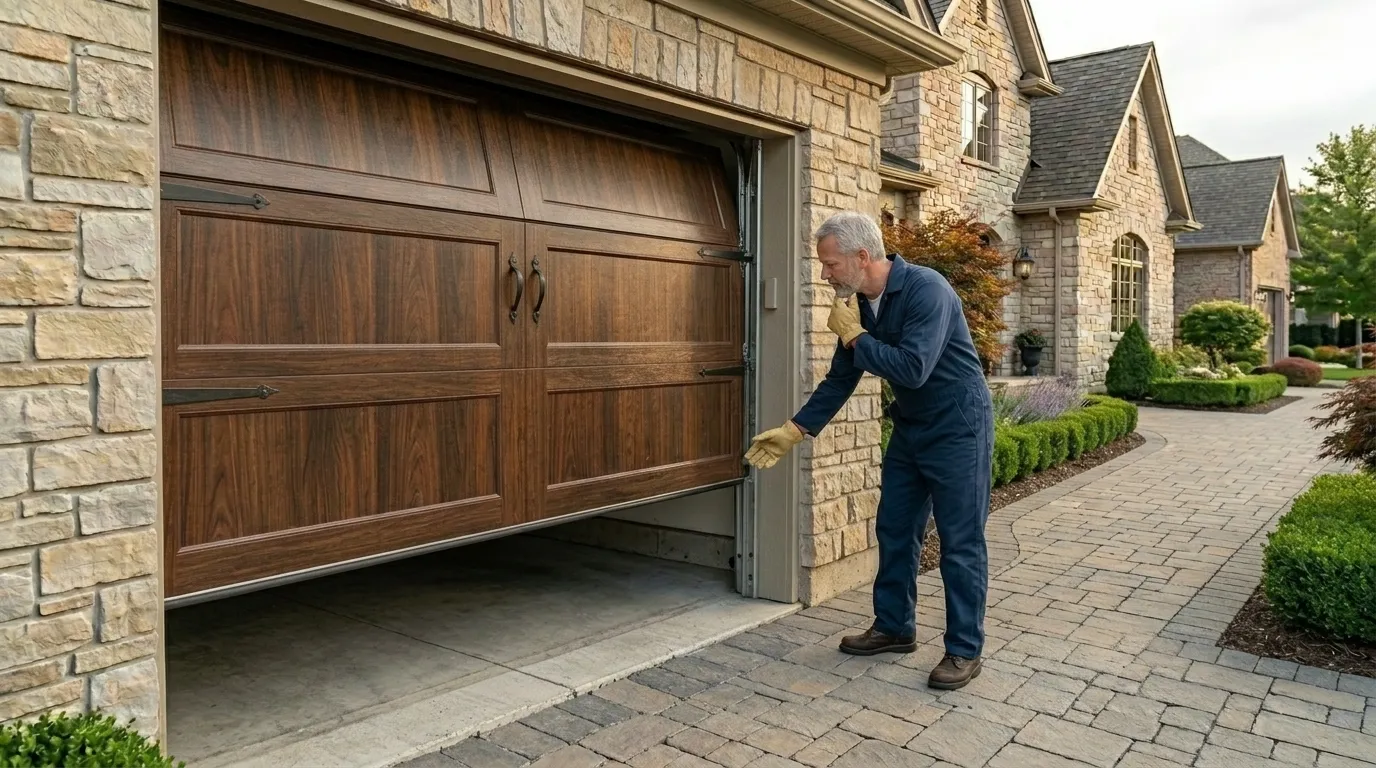
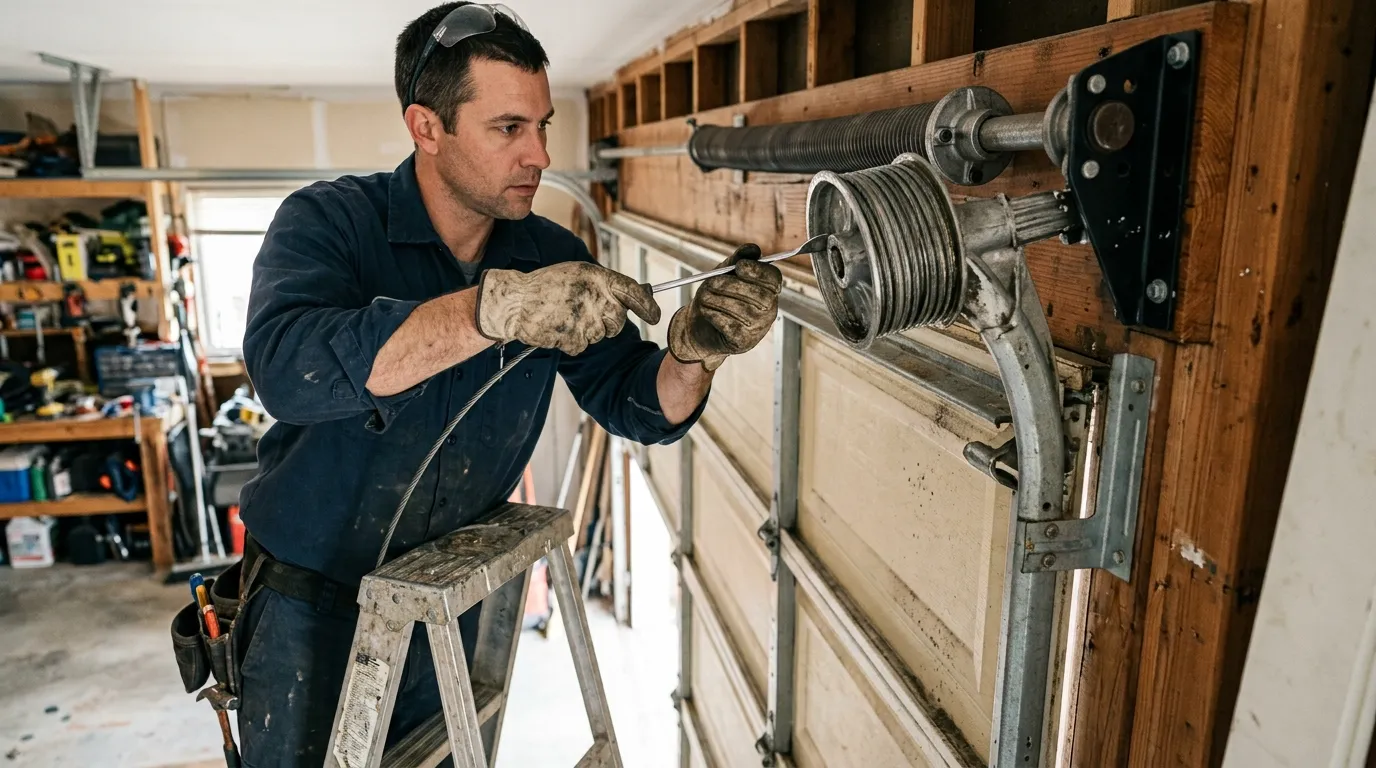
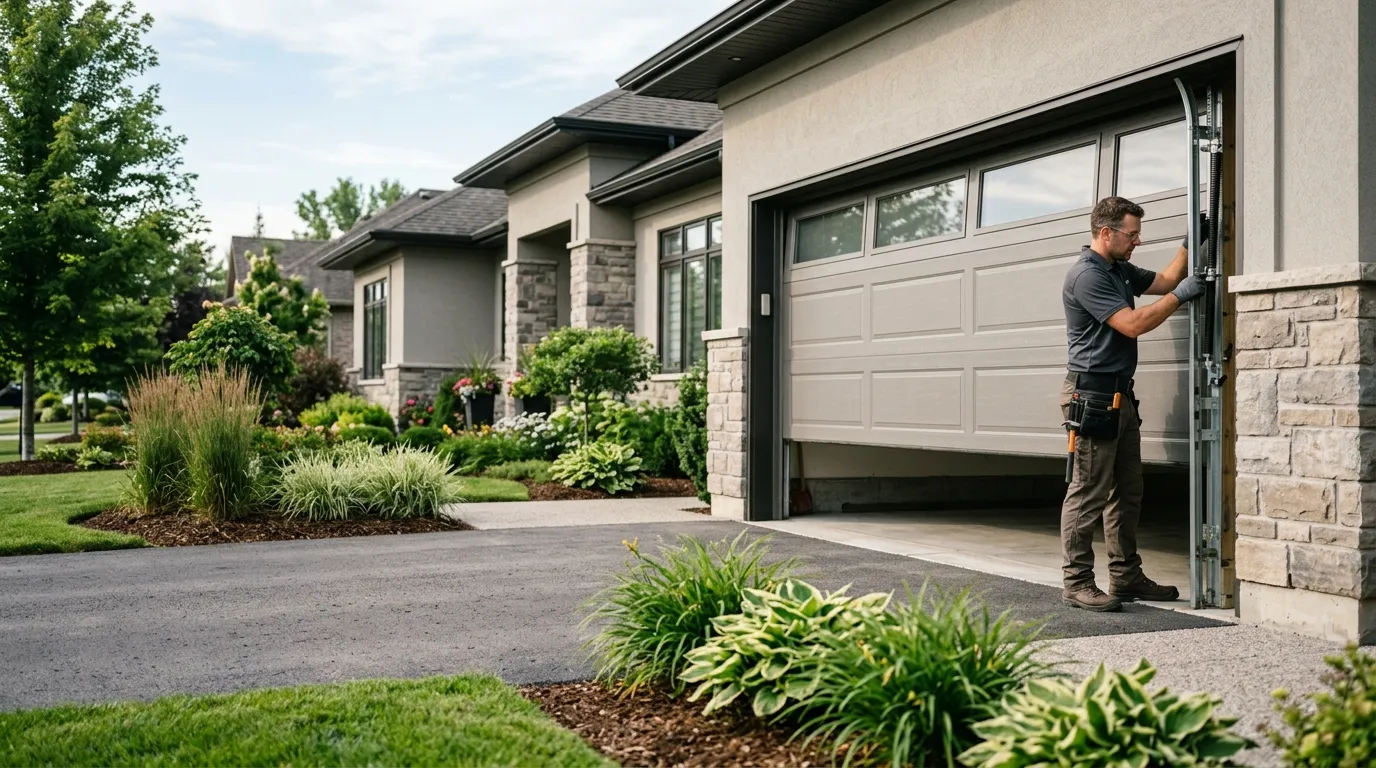
Most calls we get from New Hope are about hardware that's simply worn out, not damaged. With a median build year around 1985, a lot of these garage doors are on their second or third opener and original torsion springs that have long outlived their cycle count. That's different from what we see in newer parts of the county, where doors are still on factory parts from the 2000s and the complaints run more toward sensor alignment or smart-opener setup. Here, it's cables fraying at the drum, rollers seized in the track, and springs that finally let go on a cold morning. We also hear from folks who tried to source a replacement panel and found out the manufacturer stopped making that profile years ago - a real headache with doors this age. New Hope is a small area, only about 298 households by our count, so word travels when a job goes well or badly. We drive out from McKinney, about 6 miles, and we tell people up front what a repair will actually fix versus what it won't, because on a door this old, sometimes a spring replacement just buys you a year before the opener quits too.
This Area's Housing
New Hope's homes center on a median build year of 1985, noticeably older than the roughly 2005 median across the wider service area. That gap matters more than it sounds. Doors and openers installed in the mid-1980s used different mounting hardware, different spring sizing standards, and openers with chain drives that have mostly aged out of production support. Compare that to the newer 2000s-era stock common across the other 18 communities we cover, and you're looking at two different generations of garage door technology sitting a few miles apart. With around 298 households in New Hope, this isn't a sprawling subdivision built in one phase - it's a smaller, older pocket where houses have had more time to accumulate wear, additions, and prior repairs that didn't always match the original hardware. Median household income here runs about $65,625, lower than the roughly $109,528 median across the broader area, which we mention only because it shapes the kind of job we quote most: targeted repair on existing hardware rather than full system replacement, unless the door itself is structurally done.
What the Housing Means for Your Door
If your New Hope house was built around the mid-1980s, the practical takeaway is this: your garage door hardware is likely a full model generation behind what's common in newer parts of the county. That means parts availability is the real variable in any repair - some springs and drums are still stock items, others need to be special-ordered or substituted with a modern equivalent that fits the same mounting points. We'll always try the direct-fit option first because it's cheaper and faster, but we won't hide it from you if the original part isn't made anymore and a workaround is needed. One honest limitation: if a part has to come from a supplier rather than off the truck, that adds lead time we can't shorten no matter how the job is booked. For a door this age, budgeting for an opener replacement in the near term, even if today's call is just a spring, is usually the realistic plan rather than a surprise.