What People Here Ring About
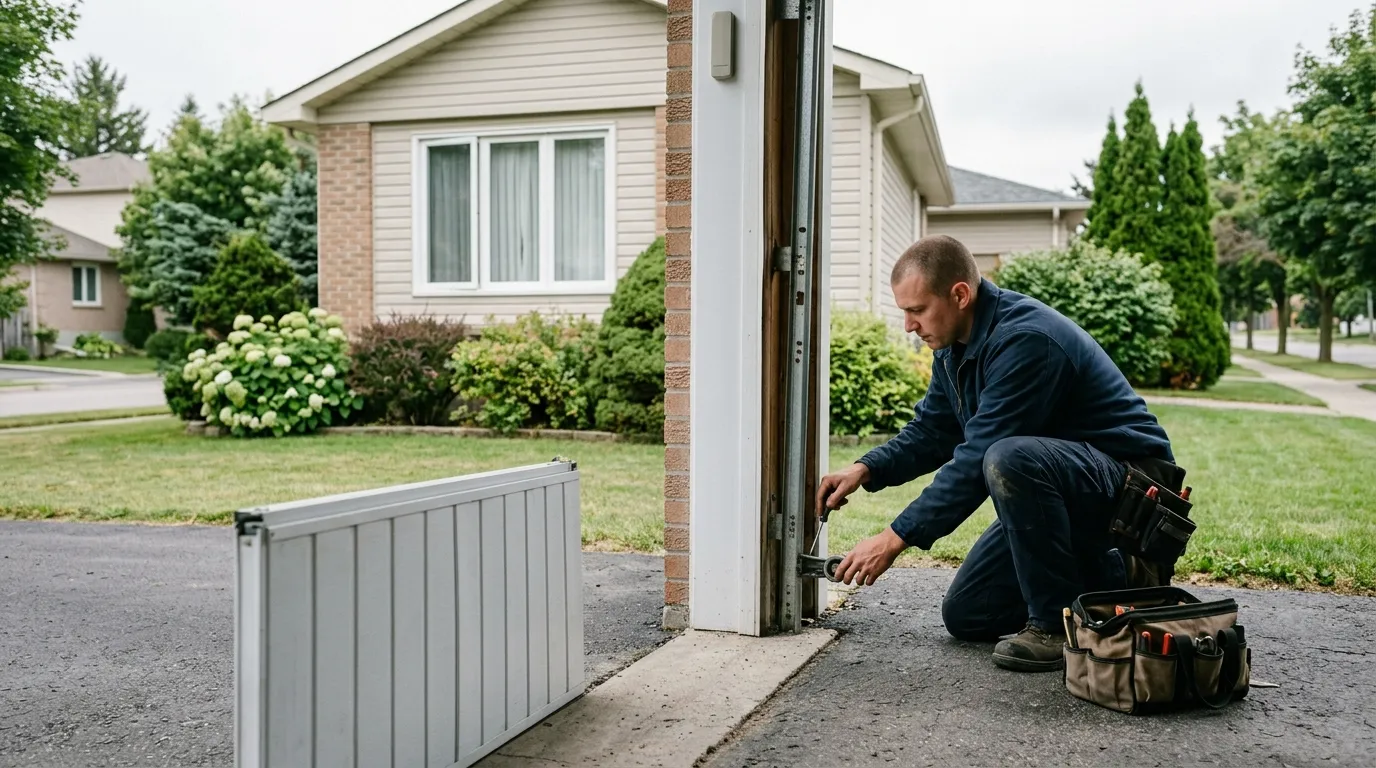
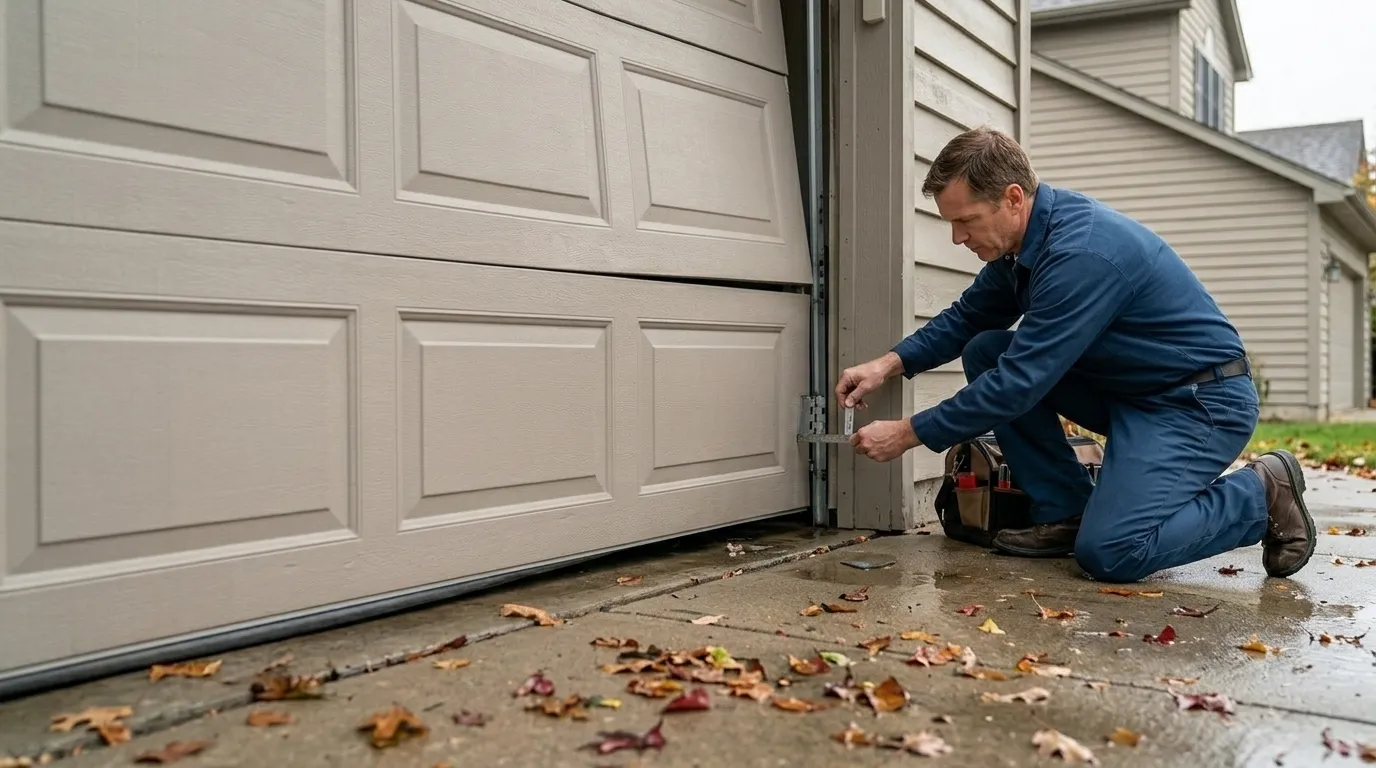
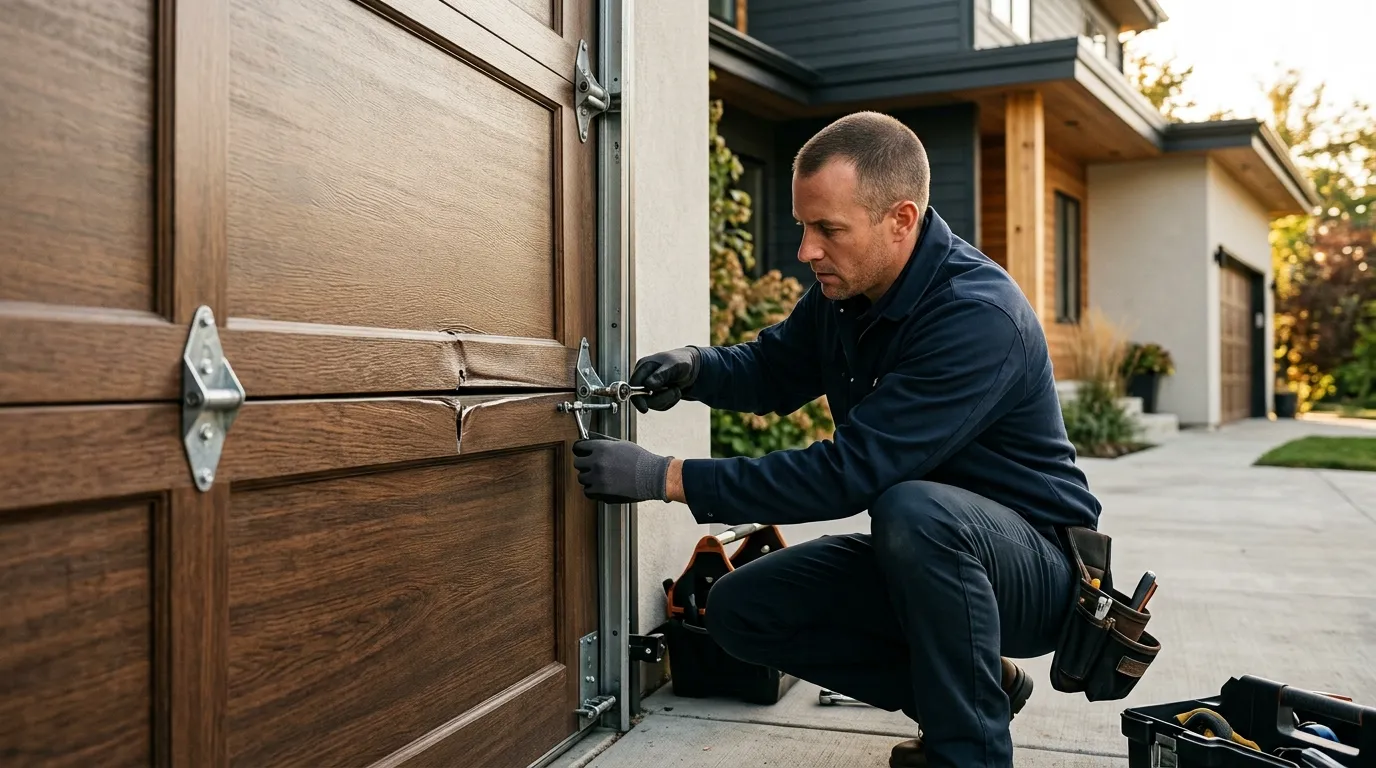
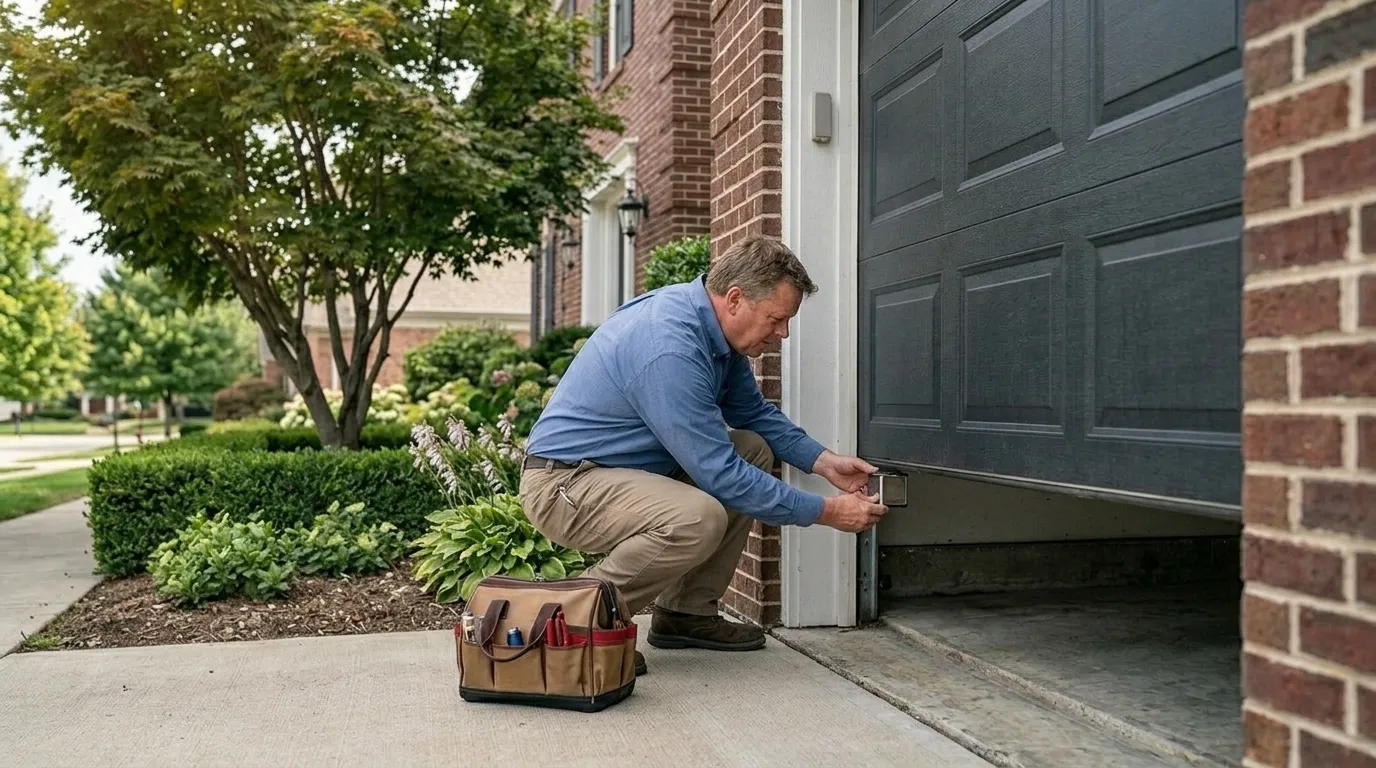
Farmersville calls tend to be different from what we hear closer to McKinney. The typical house here went up around 1971, decades before most of the newer stock across our service area, which runs a median build year closer to 2005. That gap shows up on the phone. Farmersville owners are usually dealing with a spring that's original or close to it, a section that's rusted at the hinge, or an opener that predates anything with a safety reversal sensor built in. We also get calls about doors that never had an opener added at all - just a manual door on old track that's finally worn out its rollers. It's less
This Area's Housing
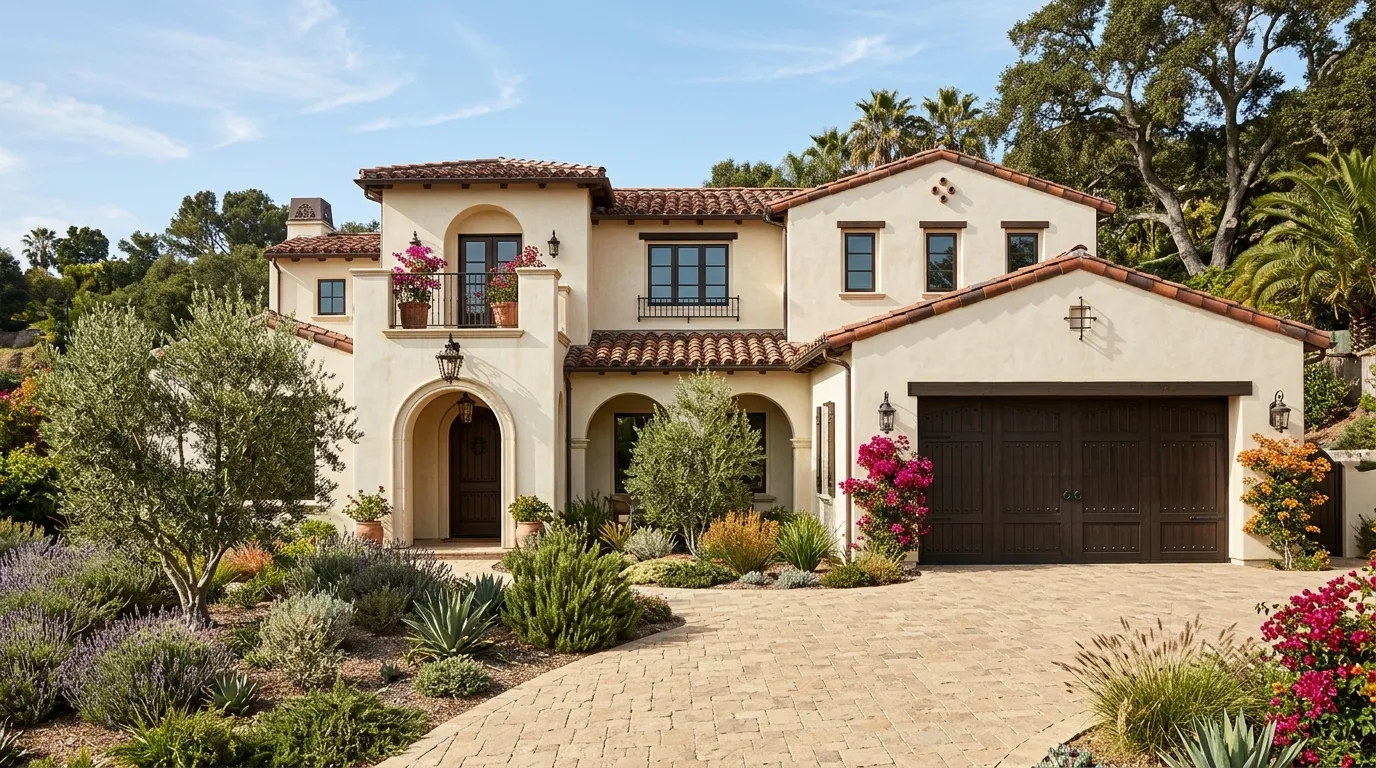
With about 1,414 households in Farmersville and a median income of $47,016, this is a different market than the newer subdivisions closer to McKinney, where the broader service area's median household income runs $109,528. That's not a knock on the area - it means repair makes more sense here more often than a straight replacement pitch, and it means the doors people own were bought to last, not swapped out every decade. Houses from 1971 were built with hardware standards nobody uses anymore: heavier gauge track, spring setups sized differently than what a big-box door kit ships with today. When a part fails, it's often not a universal fit.
What the Housing Means for Your Door
Because Farmersville is about 18 miles out from McKinney, we plan the trip - we don't have a depot in town, so a same-morning call here works differently than a call five minutes from the shop. What we bring matters more: on a 1971 build, the truck needs the older spring sizes and drum types on hand, not just current stock. Climate-wise, this area sits in the same moderate-heat band as the rest of our coverage, so the wear pattern isn't about extreme temperature swings - it's straightforwardly about age. A 50-year-old door with regular use has had a lot of open-close cycles on hardware that was never designed to be maintenance-free.