General characteristics of each style - your exact options depend on the manufacturer and product line.
Sectional steel
Steel, insulated or non-insulated
The most common residential garage door style in North America. Horizontal panel sections hinge together and roll up along a pair of vertical-then-horizontal tracks. Available as a single steel skin or, more often, an insulated build with a foam core between two steel layers.
Carriage house
Steel, composite, or wood-faced
Styled to look like the swing-out carriage or barn doors of an older building, but operates on the same overhead track as a standard sectional door. Usually finished with decorative hinge and handle hardware to complete the look.
Modern flush
Steel or aluminum
A flat, smooth-faced panel design with no raised molding or ridges - a minimalist look that pairs with contemporary architecture. Built on the same sectional-track mechanism as a traditional panel door.
Full-view glass
Aluminum frame with glass or acrylic panels
Aluminum-framed sections glazed with glass (clear, frosted, or tinted) instead of solid panels. Common on modern homes and commercial storefronts for natural light; typically offers less insulation than a solid steel door unless the glazing itself is insulated.
Raised panel
Steel
The traditional embossed-panel look most associated with a residential garage door, available in long- or short-panel patterns. Comes insulated or non-insulated, same as sectional doors.
Commercial roll-up
Heavy-gauge rolling steel
A rolling steel curtain (often slatted) built for higher daily cycle counts and larger openings than a residential sectional door - loading docks, warehouses, and commercial bays.
Options
Insulation & options
Insulated doors sandwich a foam core (polystyrene or polyurethane) between two steel skins; non-insulated doors are a single steel layer. Insulation is usually described by R-value, and thicker cores generally mean a higher R-value and a heavier door - which changes the spring and opener sizing needed to lift it safely.
Beyond the core, the main choices on most manufacturer lines are the color finish, the window/lite pattern (if any), and decorative hardware. Exact availability varies by manufacturer and product line.
How it works
From “it’s stuck” to “it’s fixed”
A quick, honest process - no guesswork and no surprises.
1
Tell us what’s wrong
Describe the symptom - won’t open, loud bang, opener runs but the door won’t move.
2
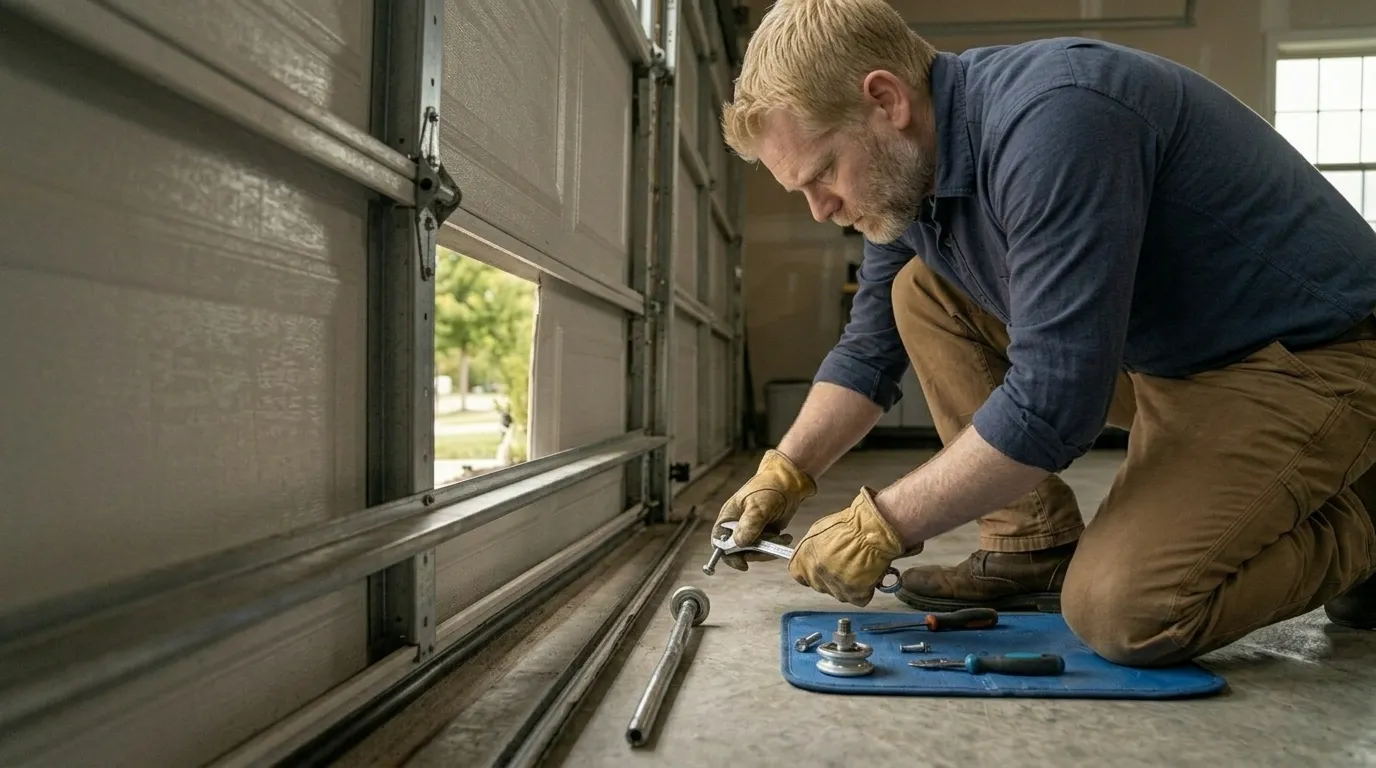
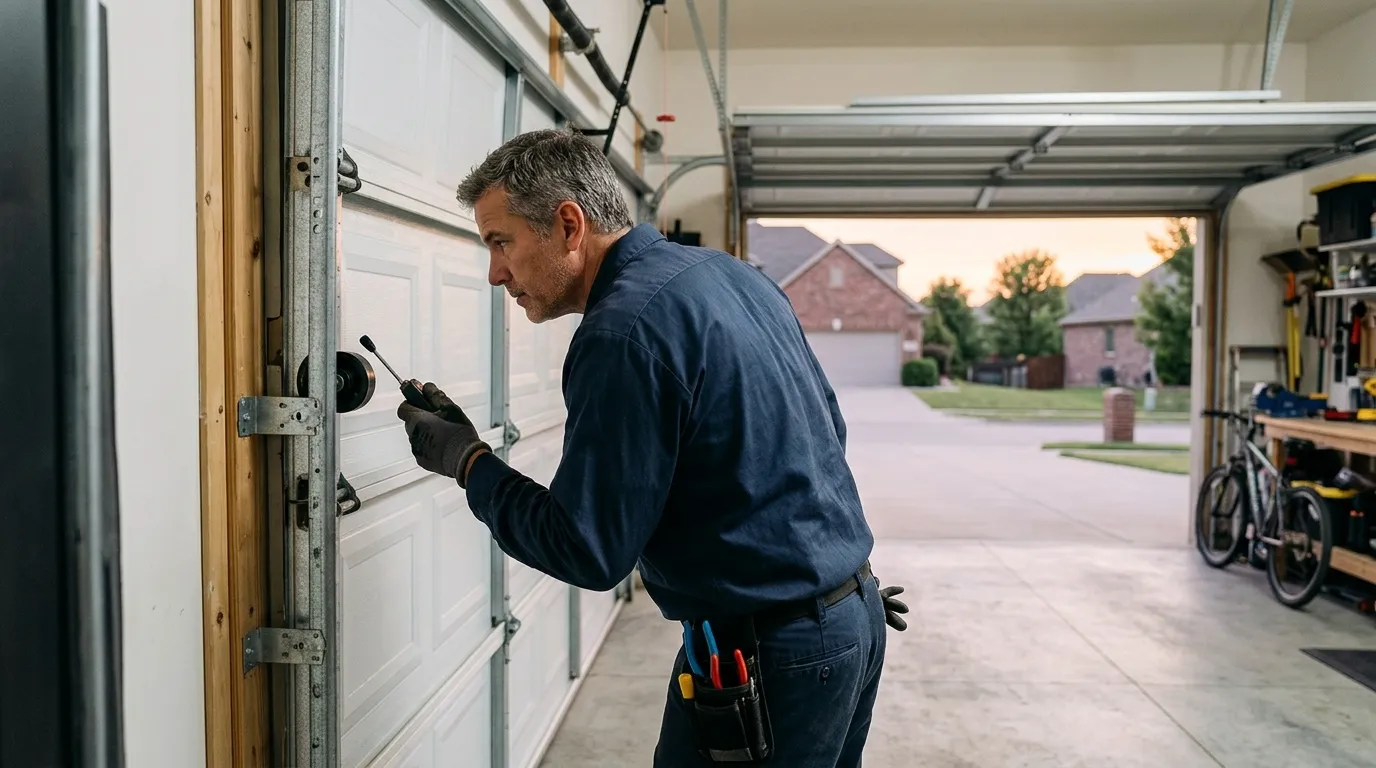
On-site diagnosis
A technician tests the door under power and by hand and finds what actually failed.
3
Clear, up-front plan
You get the fix that’s needed and what drives the cost - before any work starts.
4
Repaired & tested
The repair is done, the door is set true and tested, and the work area left clean.
Door styles
Doors and work we handle
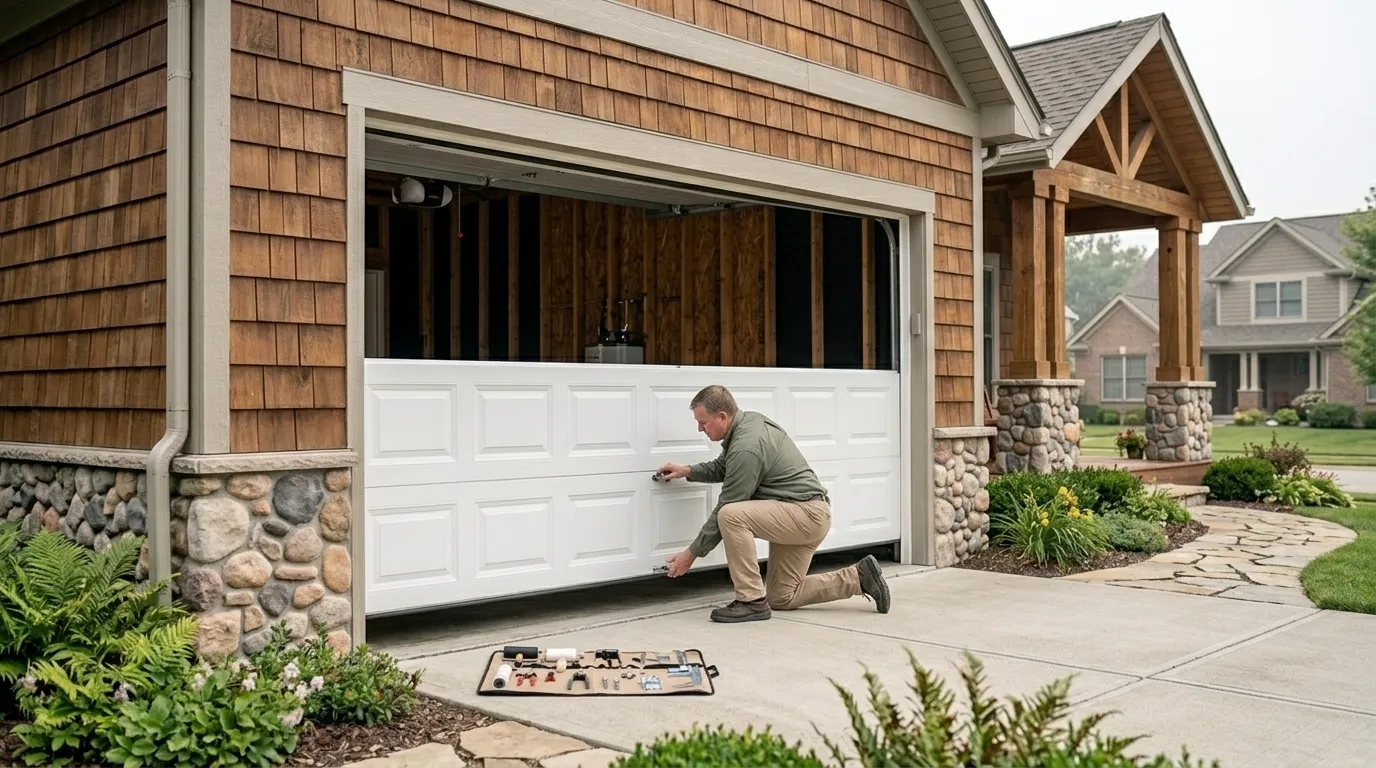
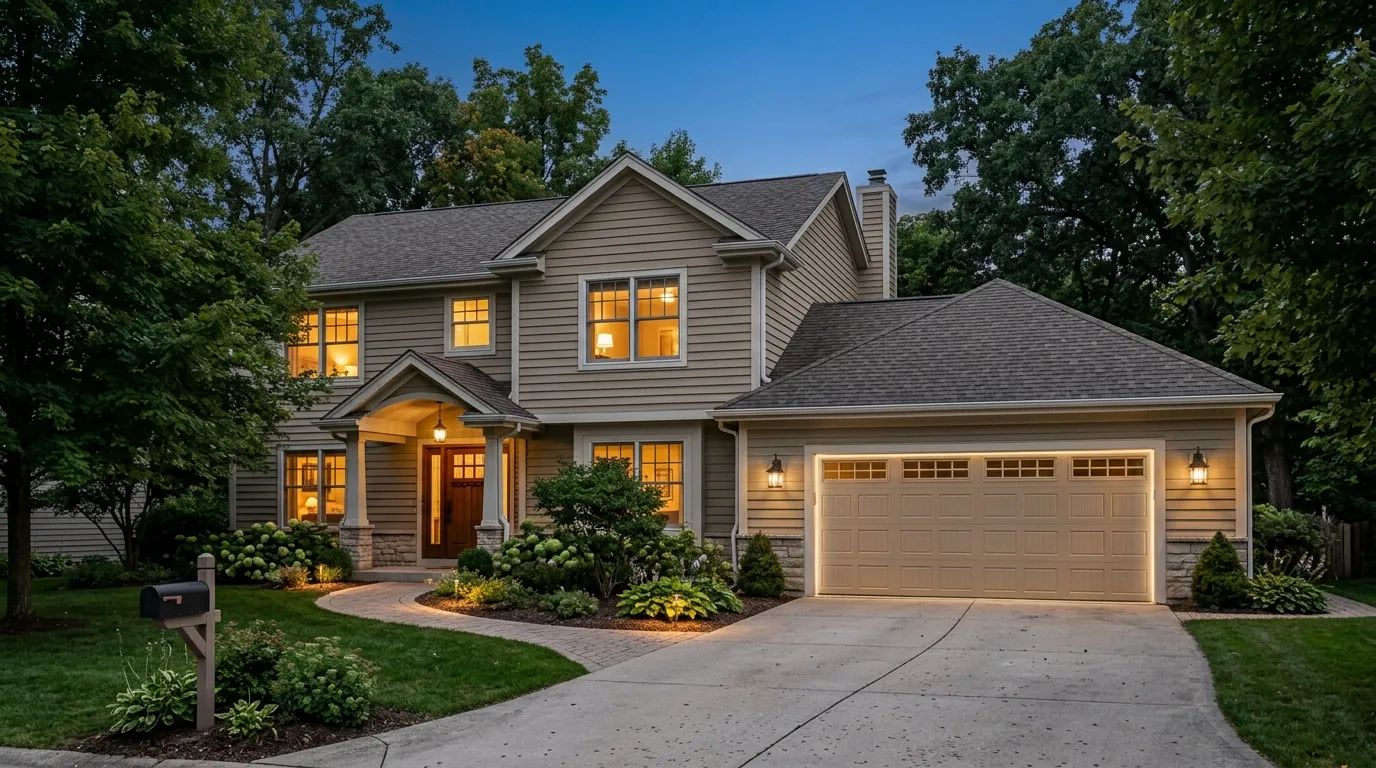
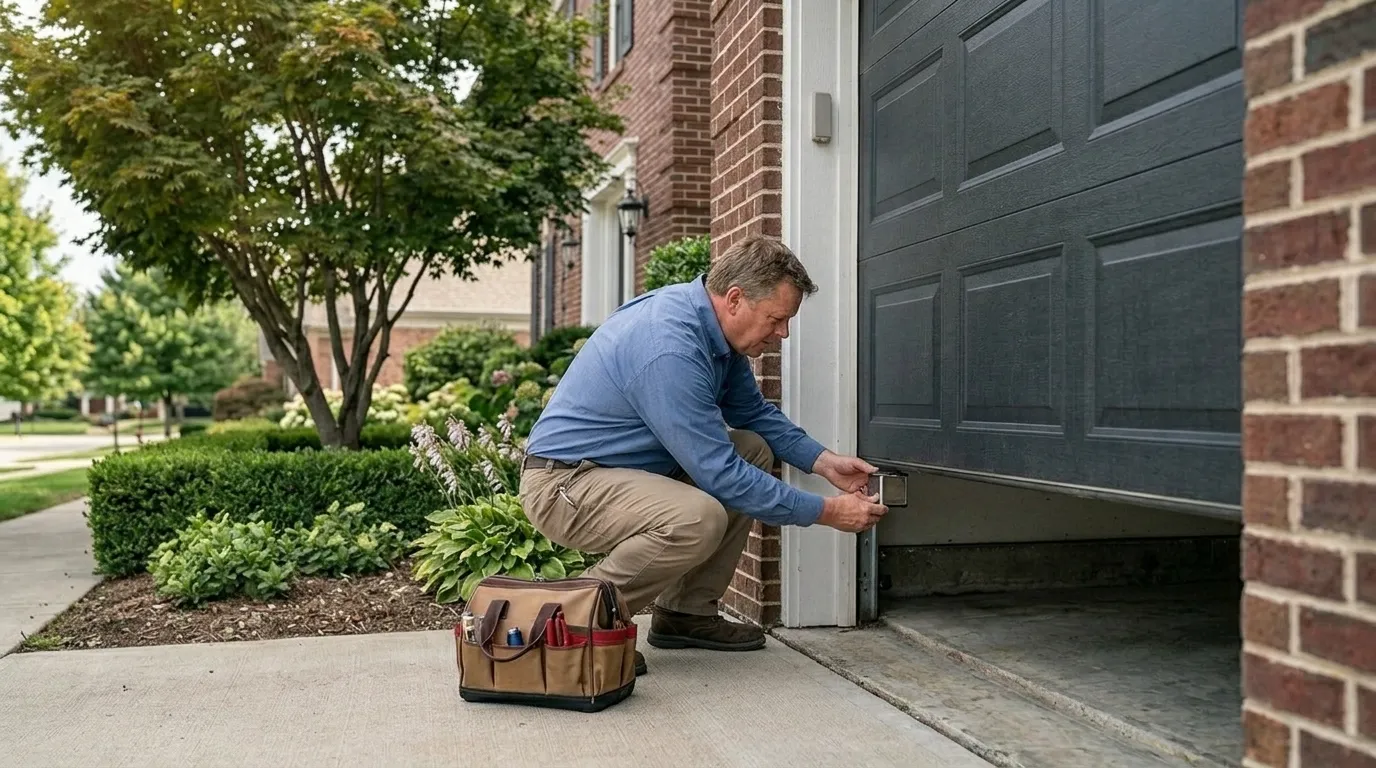
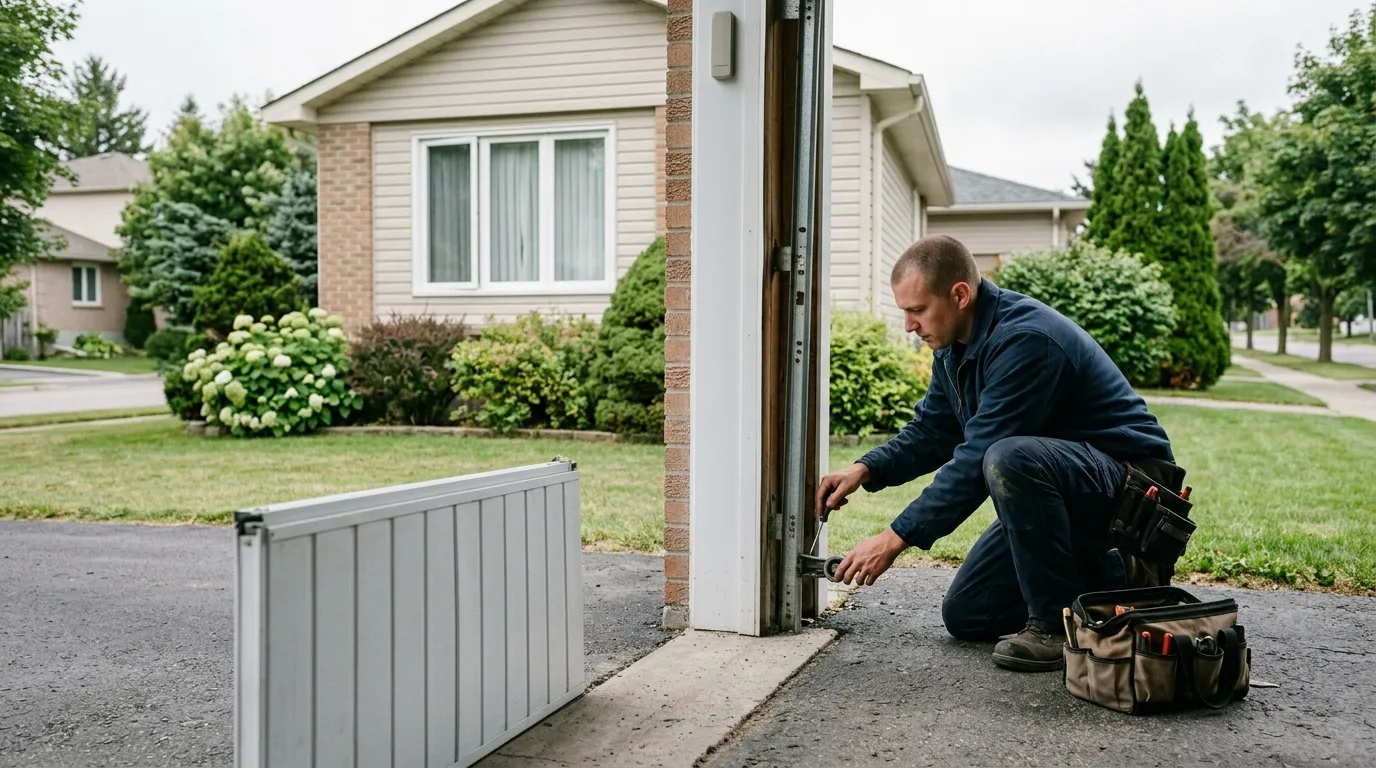
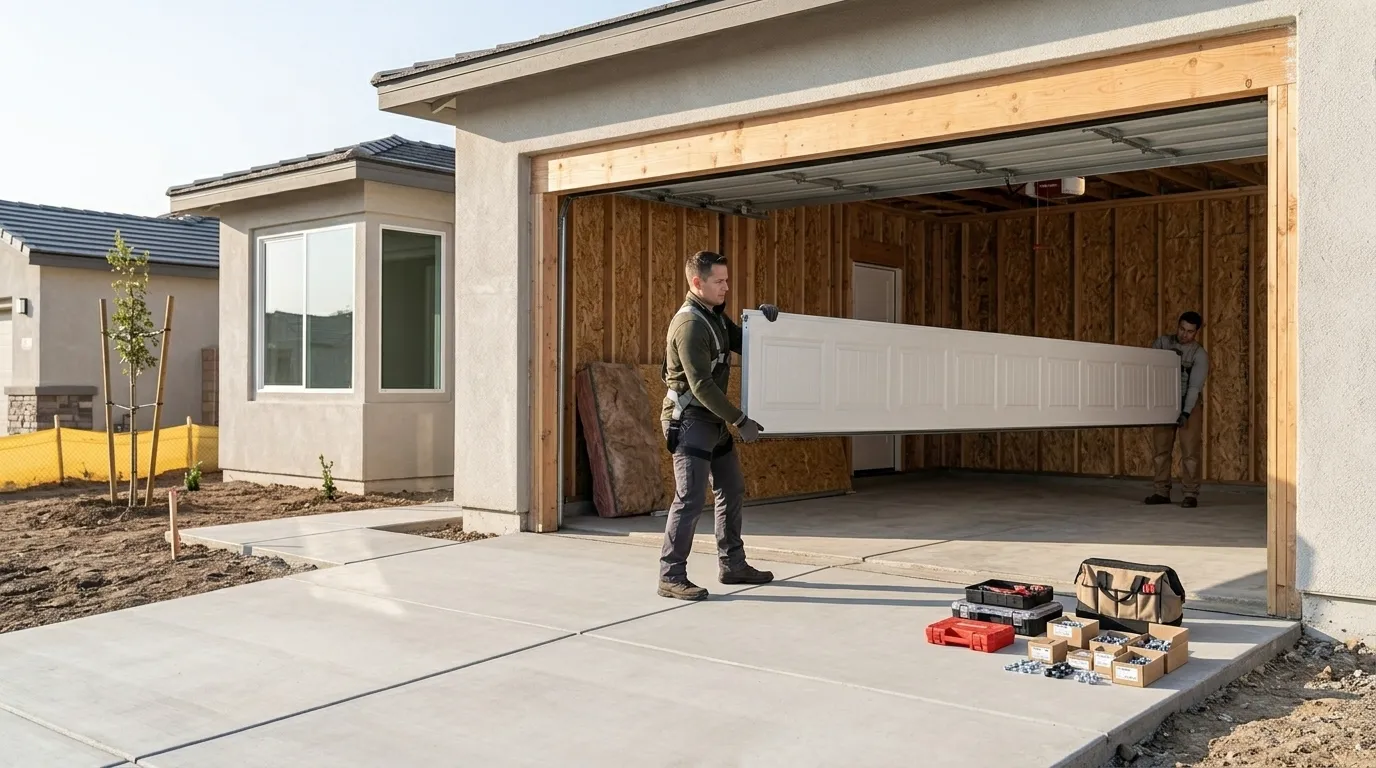
Illustrative styles - sectional, insulated steel, carriage, and commercial doors.
We run calls out to about 20 miles, covering towns like Fairview, Lucas, Princeton, Melissa, Parker, and. If you're near the edge of that range, ask when you call - we'll be straight about whether same-day service is realistic for your address.
Why does the age of my house matter for a garage door repair?
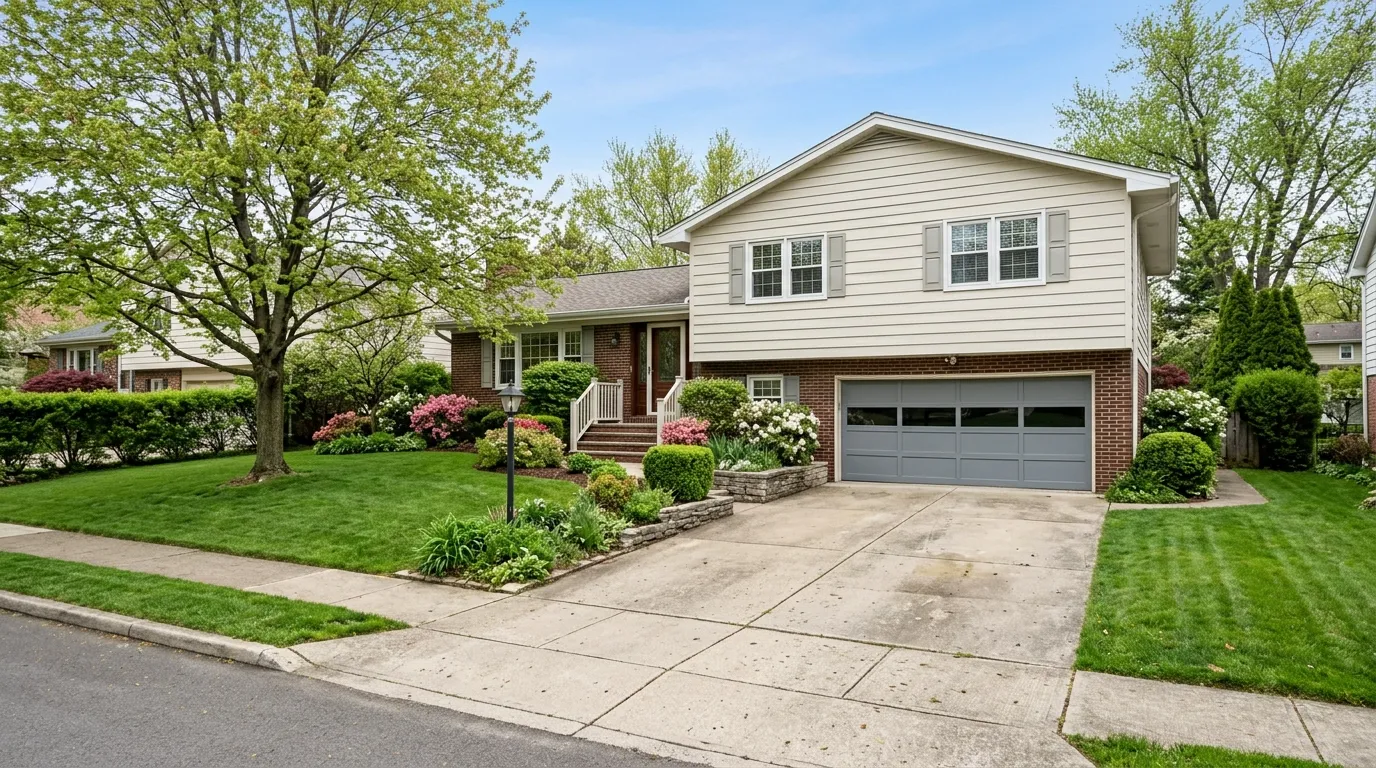
Most homes in this area were built between 1971 and 2015, with a lot of that stock from the 2000s. That build era used specific spring sizes and opener models, so knowing your house's age helps us bring the right parts on the first trip instead of guessing.
Do you always recommend repair over replacement?
No. If your opener is old and already showing electrical issues, or the door itself is worn past what a spring or cable swap will fix, we'll tell you replacement is the better move, even though it's a bigger job than what you called about.
What usually fails first on a garage door here?
Torsion springs and opener gears tend to wear out from steady heat exposure rather than one big event. We see a lot of doors from the same build era fail in the same order - springs first, then rollers, then the opener itself.
Ready to get your garage door sorted?
Tell us what it’s doing and where you are in McKinney - we’ll take it from there.