The Cost of This Job
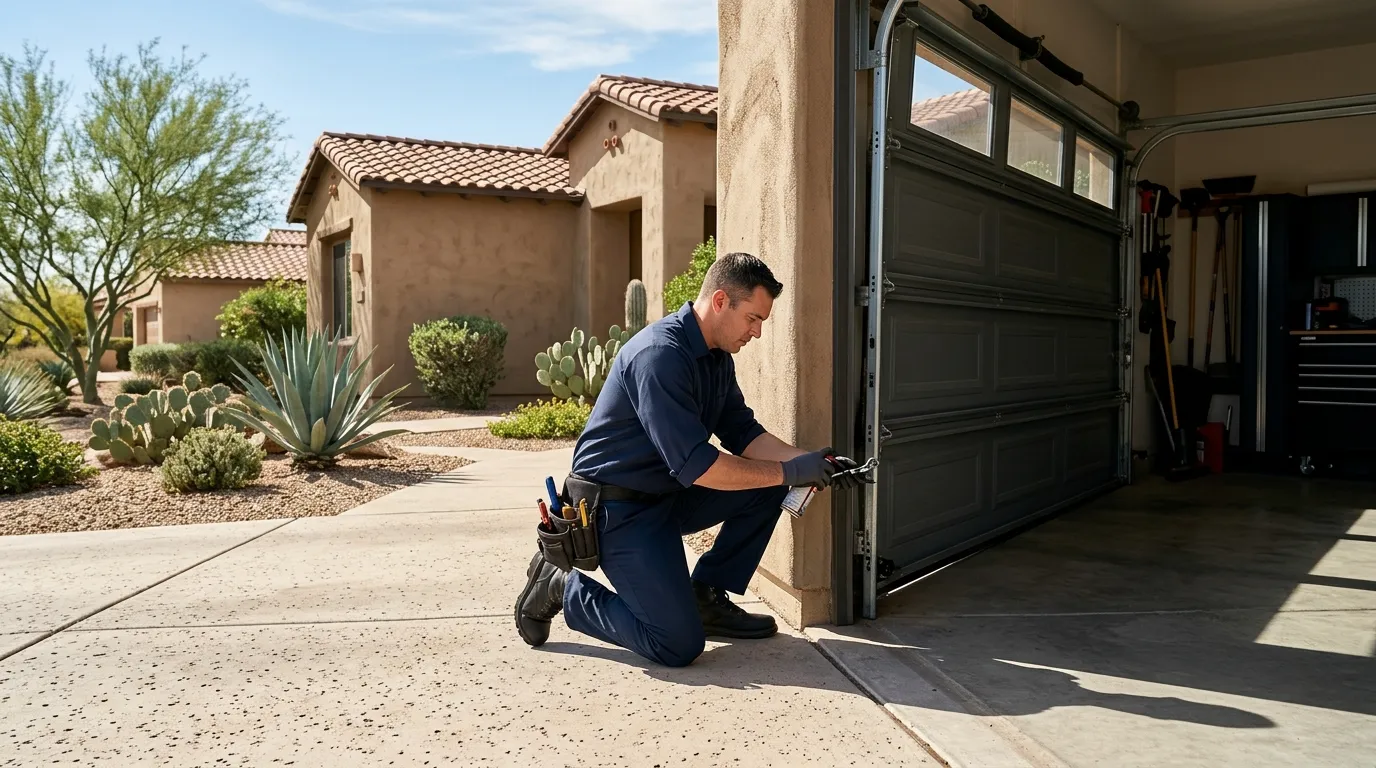
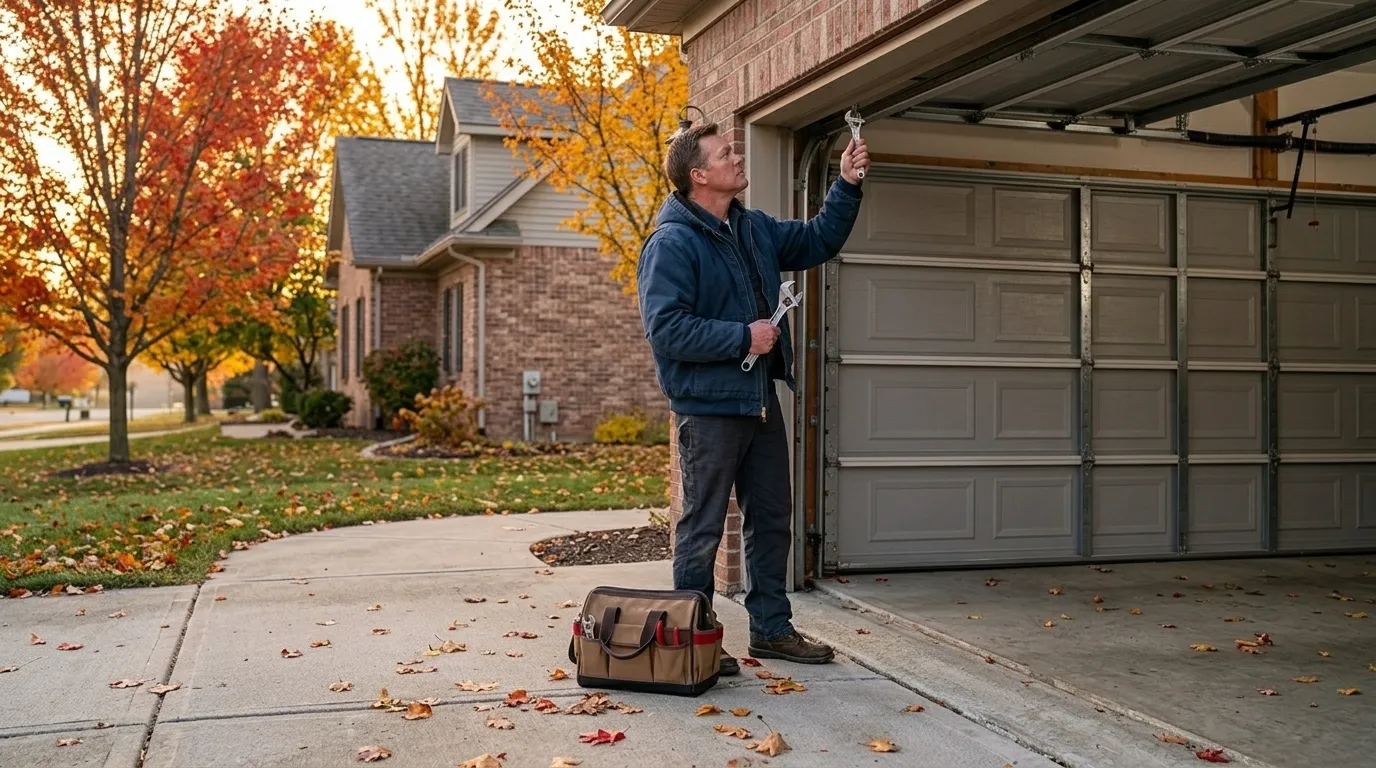
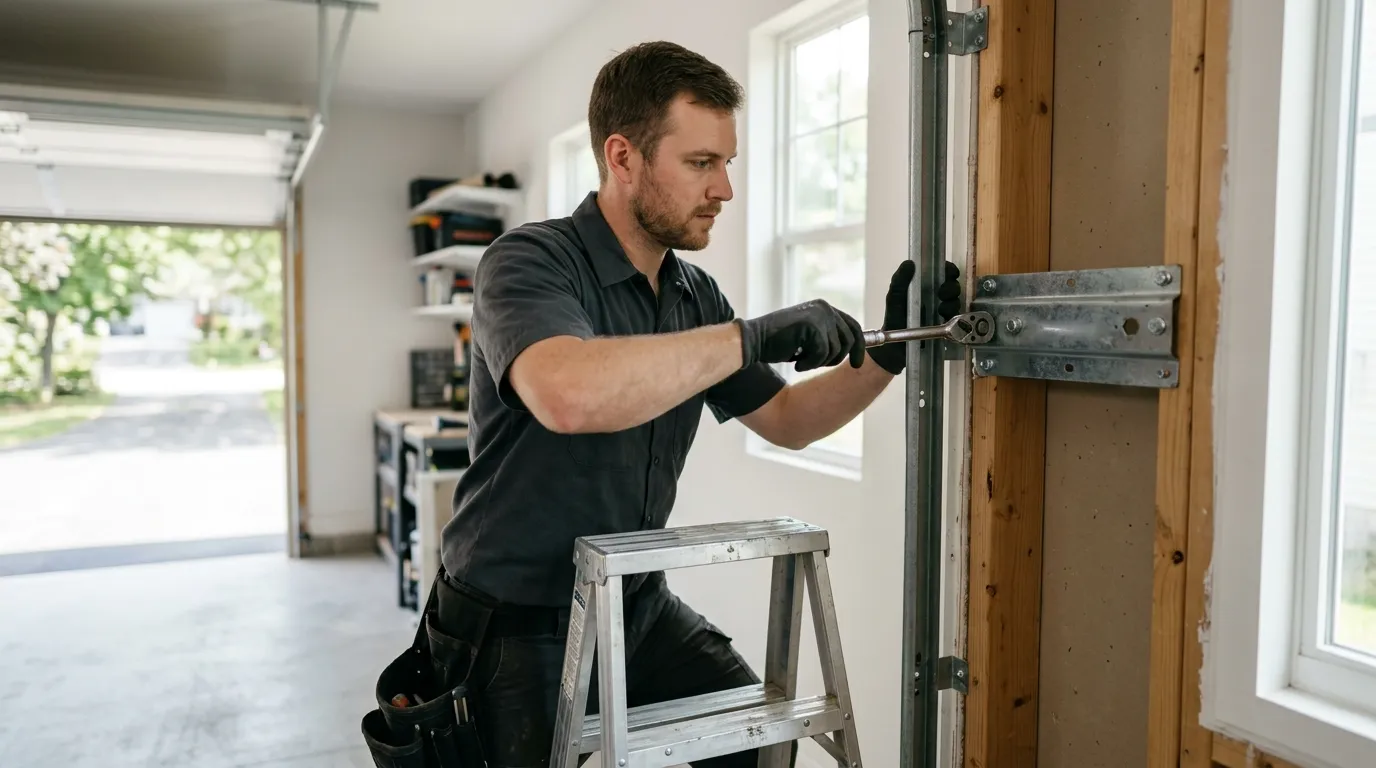
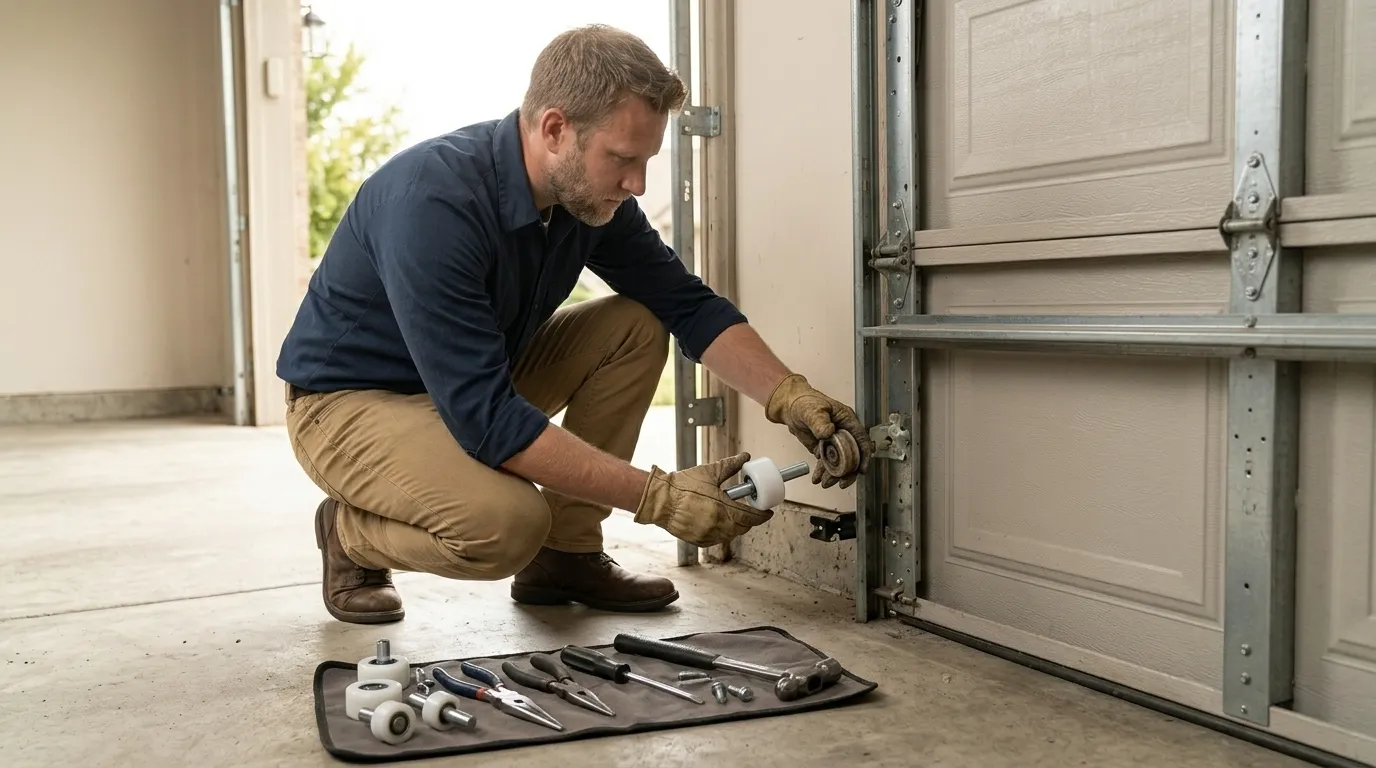
There's no single price for roller replacement because the job varies with what's actually worn. A full set of new nylon rollers on a door that's otherwise in good shape is a small job. Swap to steel ball-bearing rollers and the price moves up, but they last longer and run quieter, which matters if the garage sits under a bedroom.
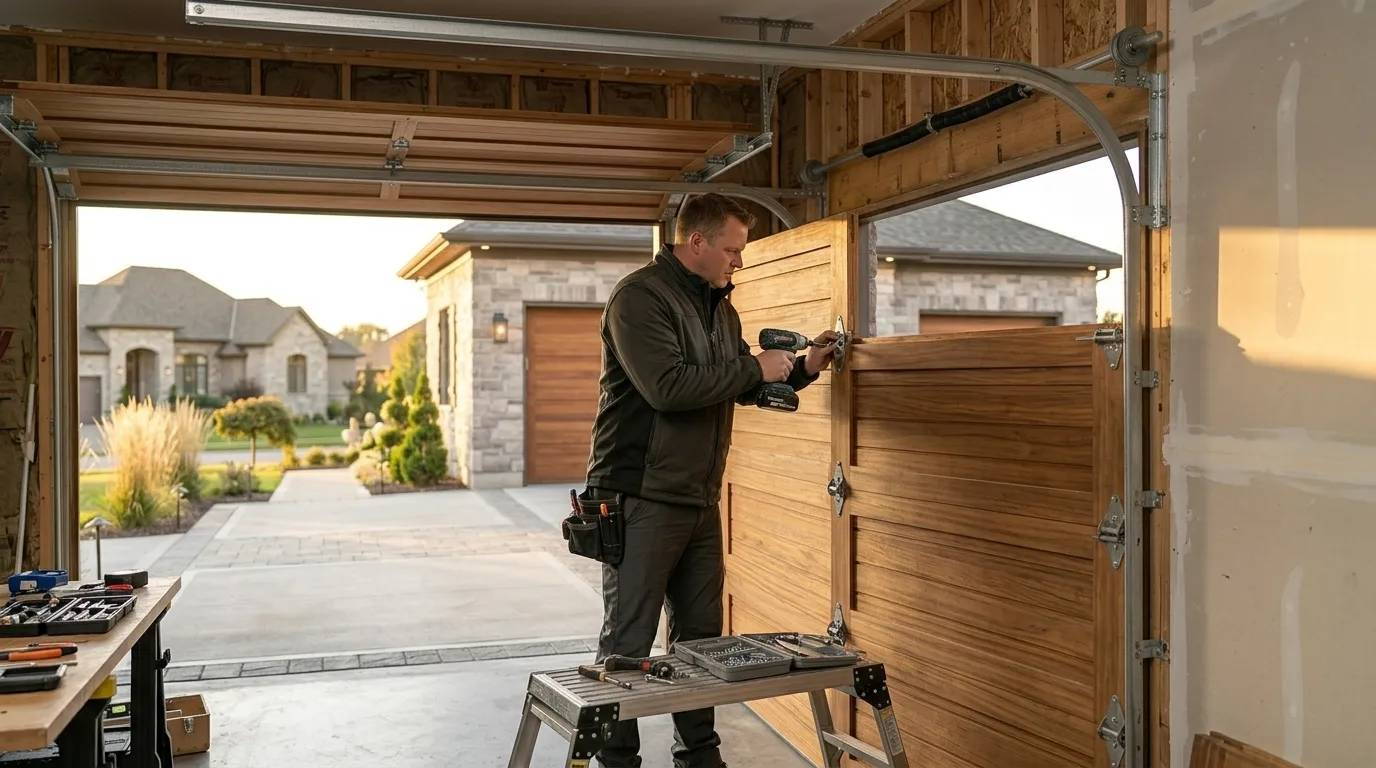
What actually drives the cost is condition, not just the rollers themselves. If the track has been chewed up by a roller that seized or came off its stem, we're not just swapping ten rollers - we're straightening or replacing track sections too. If the door is heavy (insulated steel, two-car width) the hardware has to be rated for the load, which changes what we can put in.
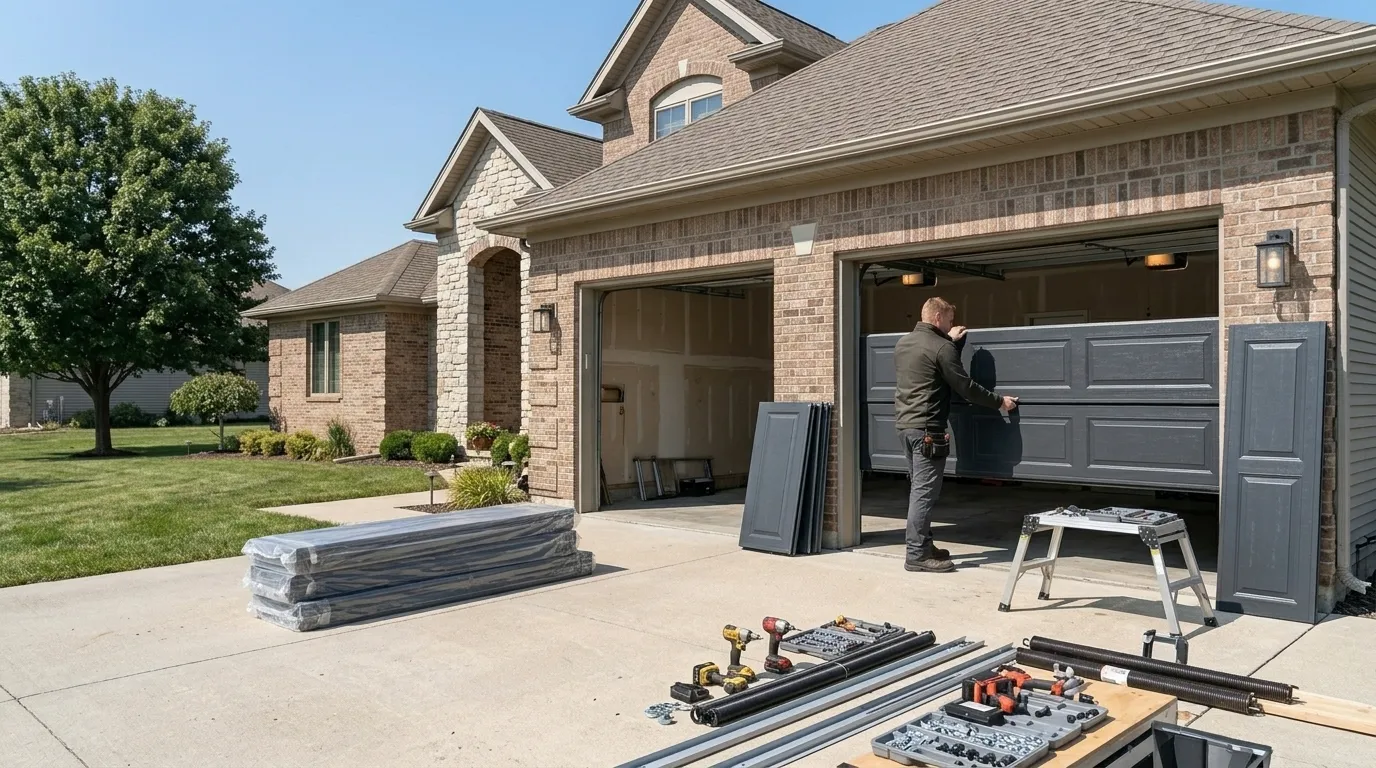
We won't quote a number here because we haven't seen your door. What we can tell you: if you're only replacing rollers and the track and hinges are fine, it's a same-visit job. If a technician gets there and finds bent track, cracked hinges, or a spring that's also on its way out, that's a different conversation, and we'll walk you through it before we touch anything.
What Causes It Around Here
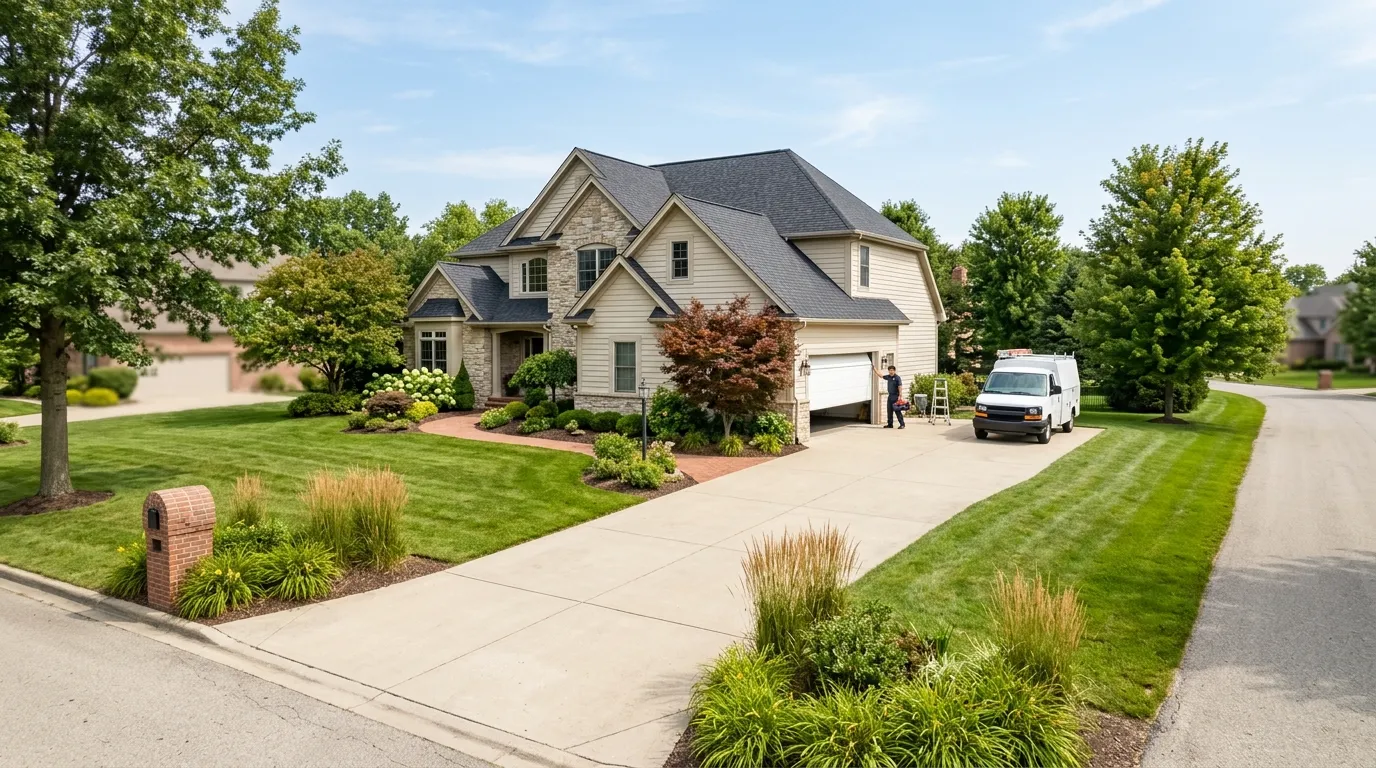
Most of the housing across McKinney and the surrounding service area went up between 1971 and 2015, with the median build year sitting around 2005. That means a huge share of garage doors in this market are still running the original hardware the builder put in - and builder-grade rollers are almost always nylon, sized to last maybe seven to ten years under normal use.
Nineteen years past a 2005 build date is well past that window for a lot of these doors. The rollers were never meant to be the last part standing, but nobody thinks about them until they start screeching or a door starts jumping in the track.
Heat is the other piece. McKinney sits in a moderate-heat climate band, and a garage that faces west or gets afternoon sun bakes for a good part of the year. Nylon rollers don't handle sustained heat well - the material dries out, the stems get brittle, and small cracks that started invisible turn into a roller that shears off mid-cycle. Steel rollers don't have that failure mode, which is part of why we see more owners upgrading to steel when they replace rather than just matching what was there.
The Complications
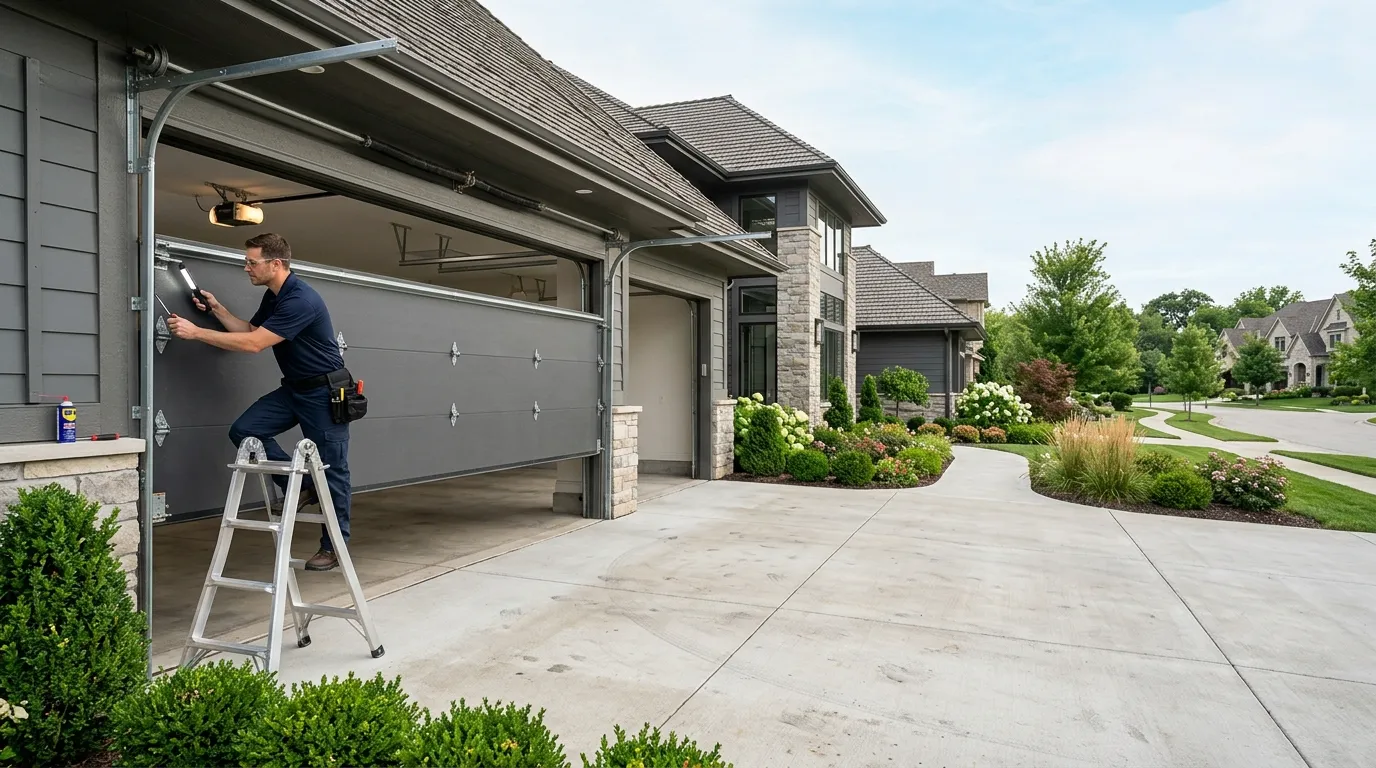
Roller replacement is straightforward when it's just the rollers. It stops being straightforward when the wear has already spread to other parts.
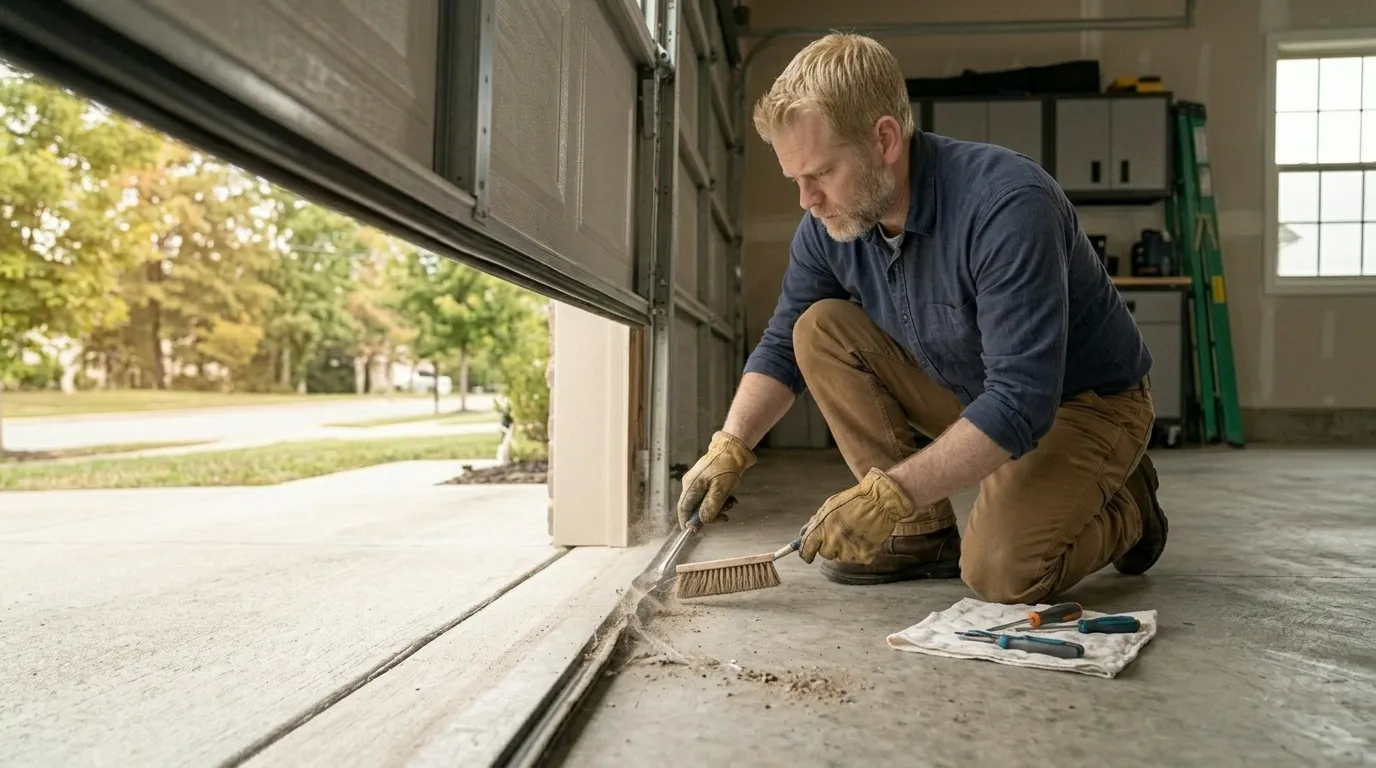
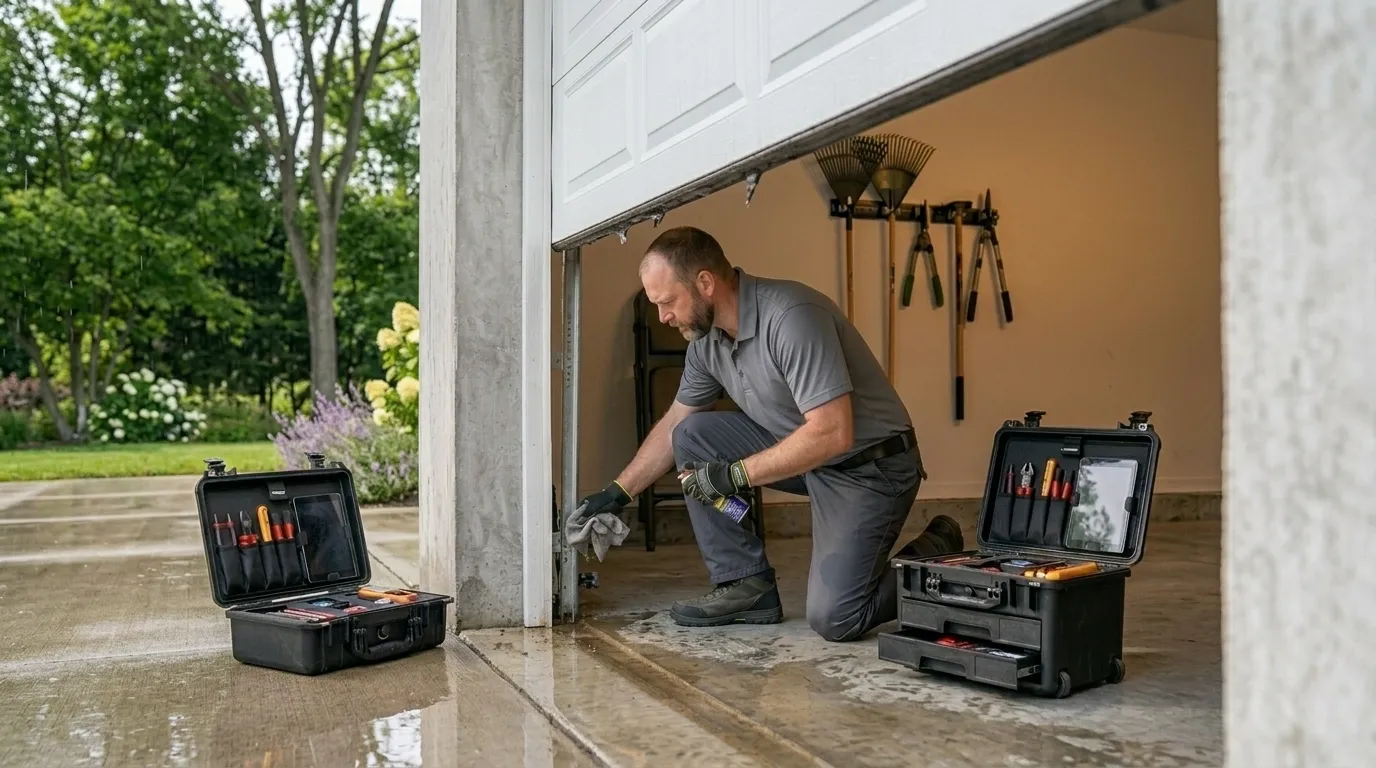
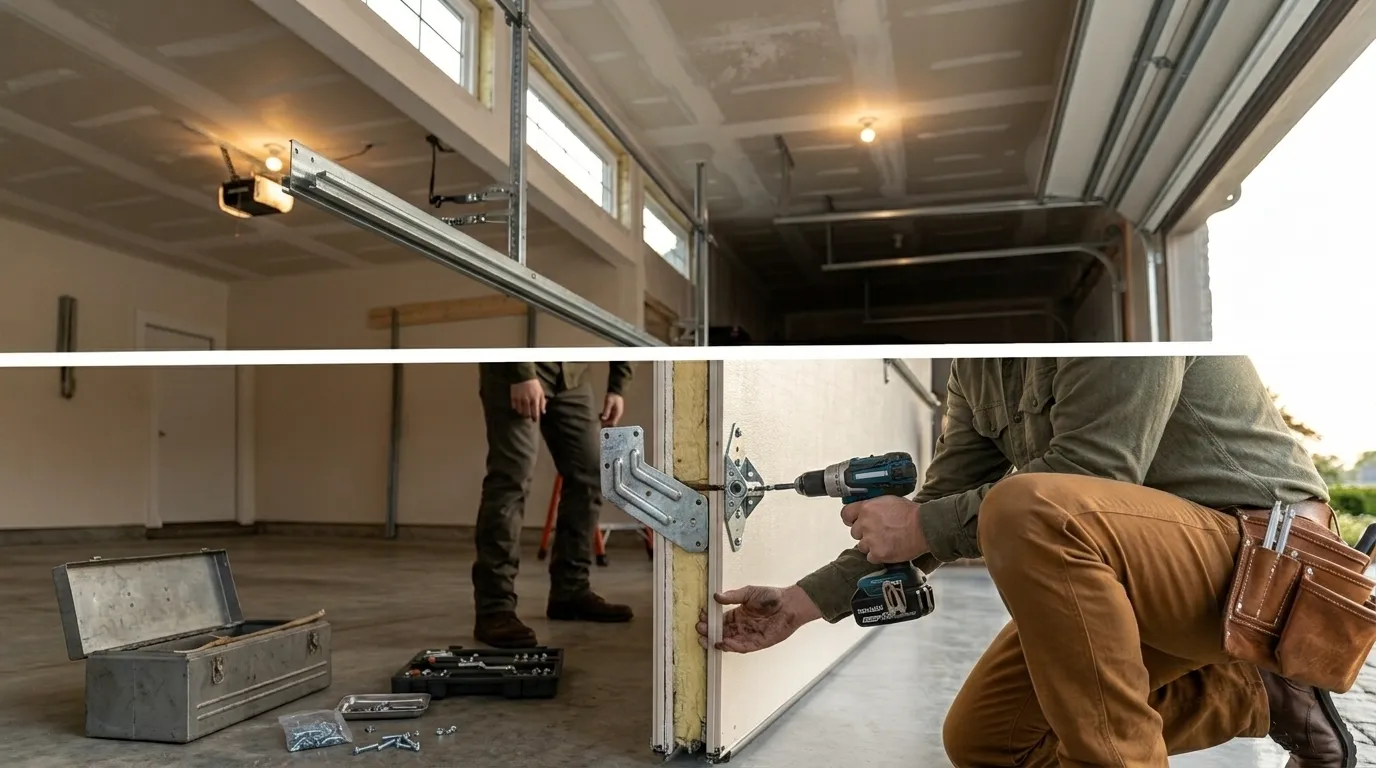
A cracked roller riding rough for months can gouge the track it runs in. If the track has visible dents or the rail has spread, replacing the roller alone won't fix the noise or the jerking motion - the track needs attention too, and that's a bigger job than rollers by themselves.
Rollers also share hardware with hinges. If a hinge has stretched or its roller bracket has worn oval instead of round, a new roller will still wobble in a bad hinge. We check hinges every time we're replacing rollers, because putting new parts into worn brackets just moves the problem down the road a few months.
One limitation worth saying plainly: if your door is original to a 2005-era build and the rollers are failing, there's a decent chance the springs are near the end of their cycle count too, since they've been doing the same amount of work for the same number of years. We won't sell you a spring you don't need, but we will tell you if the numbers suggest it's close, so you're not paying for two service calls when one would've covered it.