What People Here Ring About
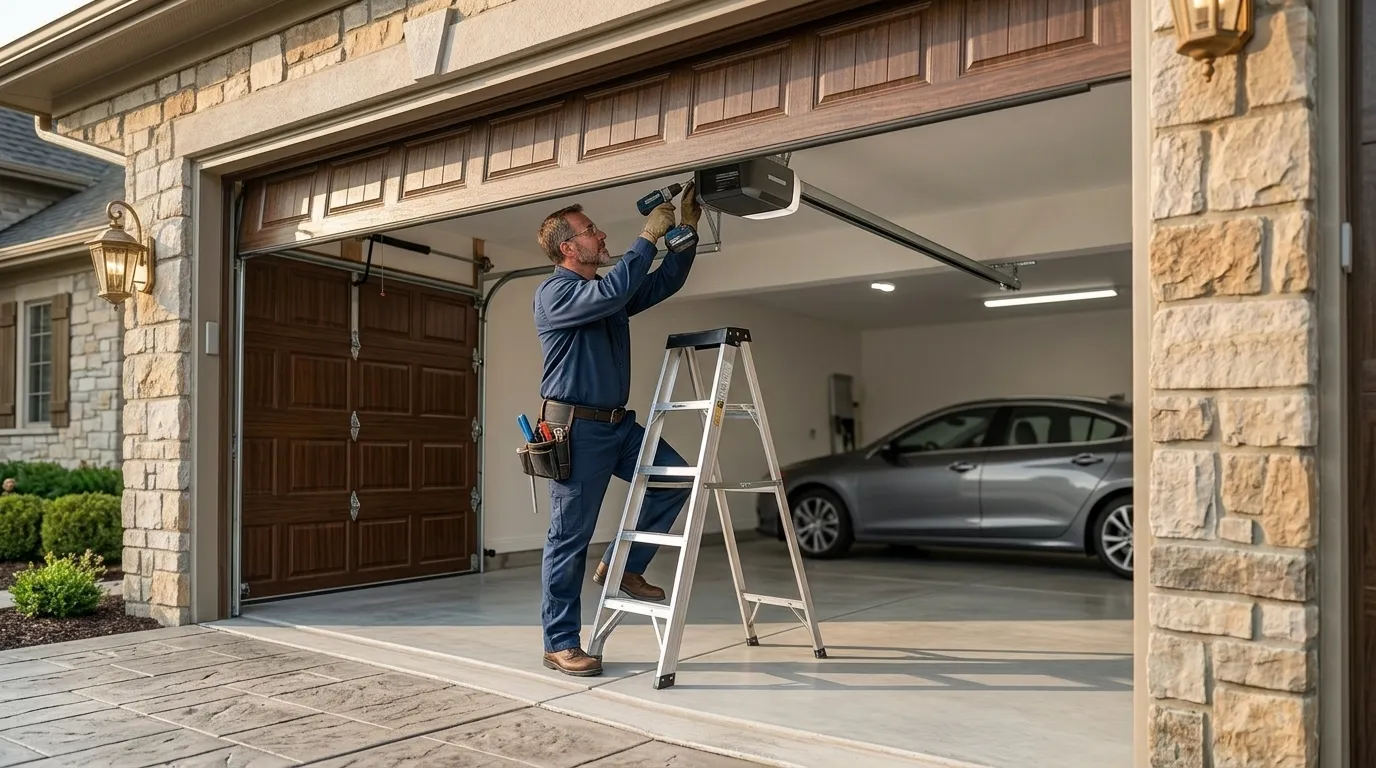
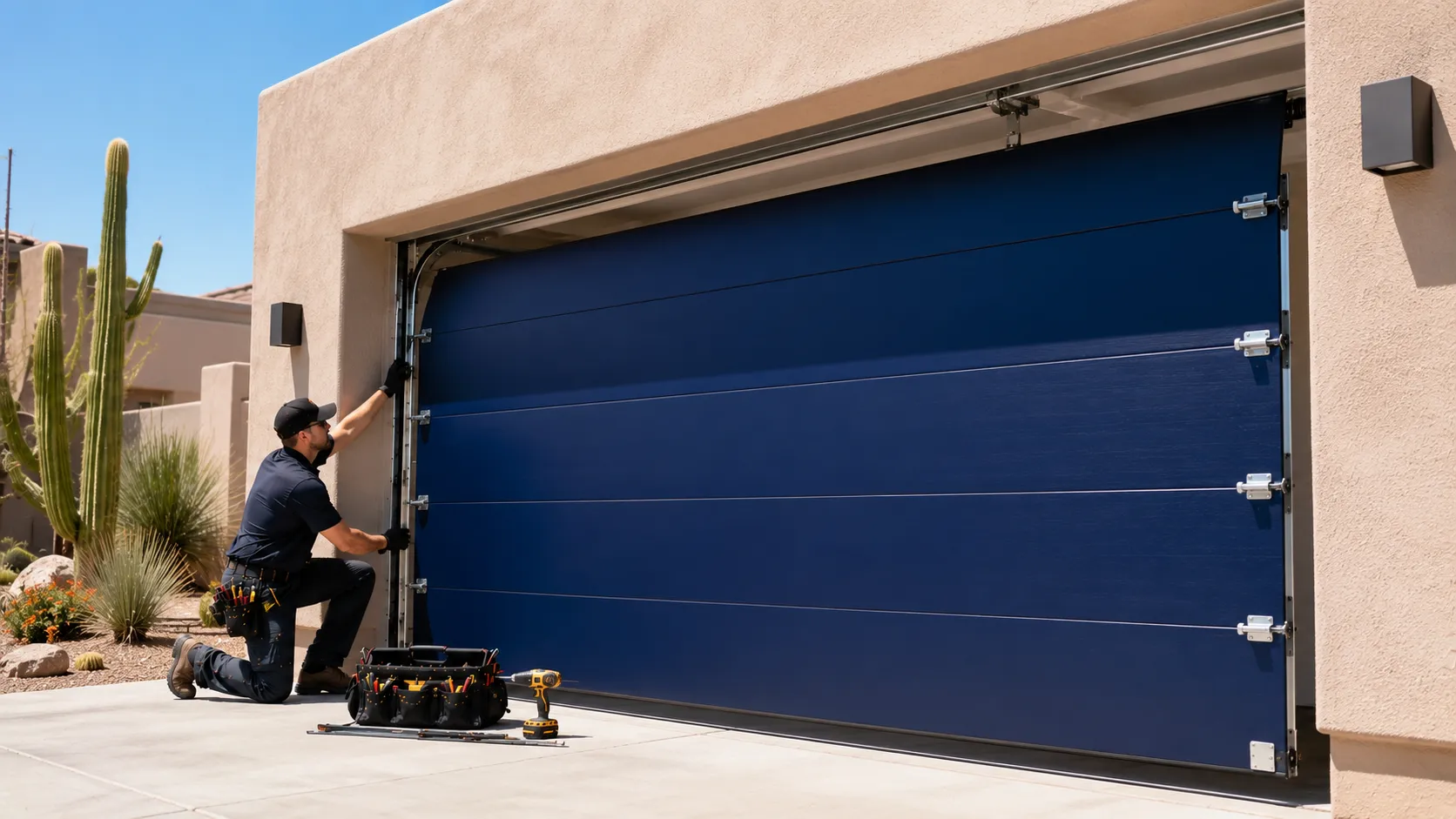
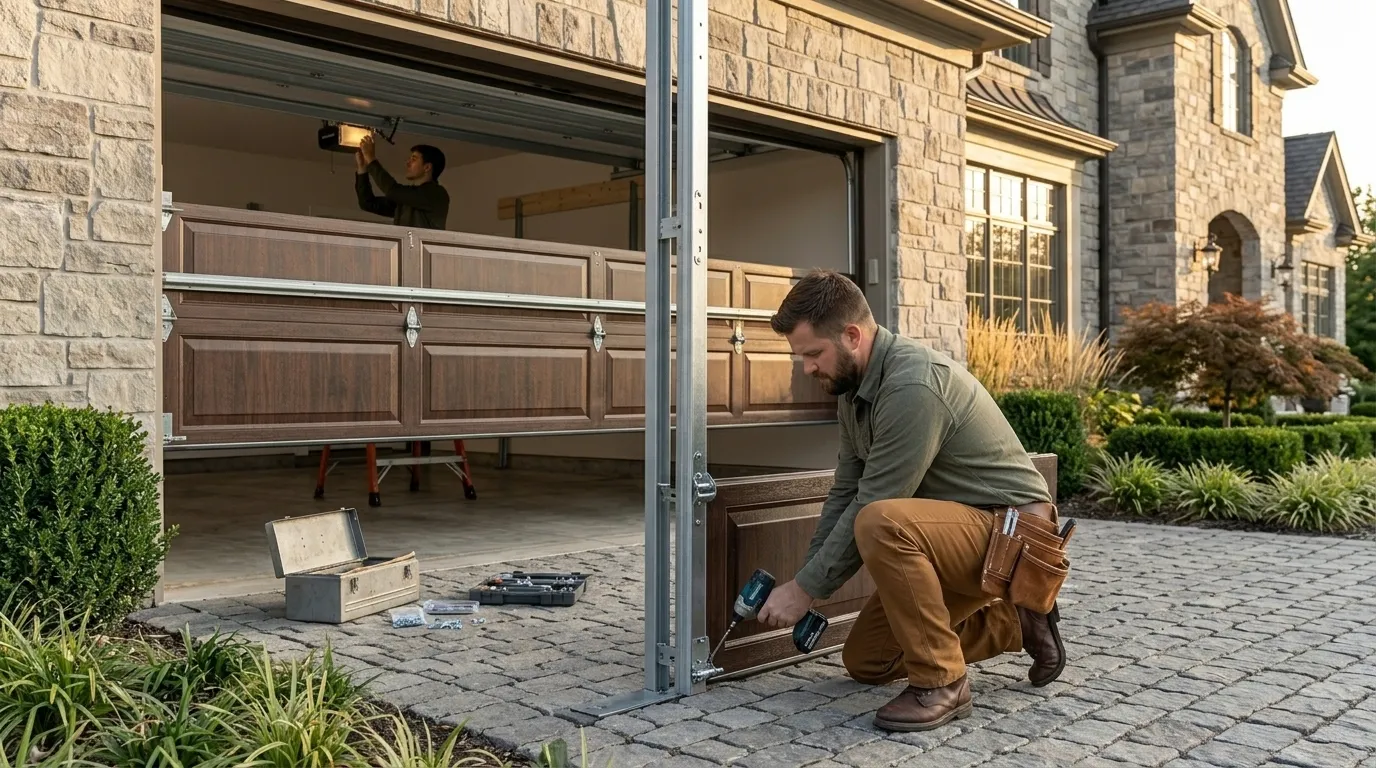
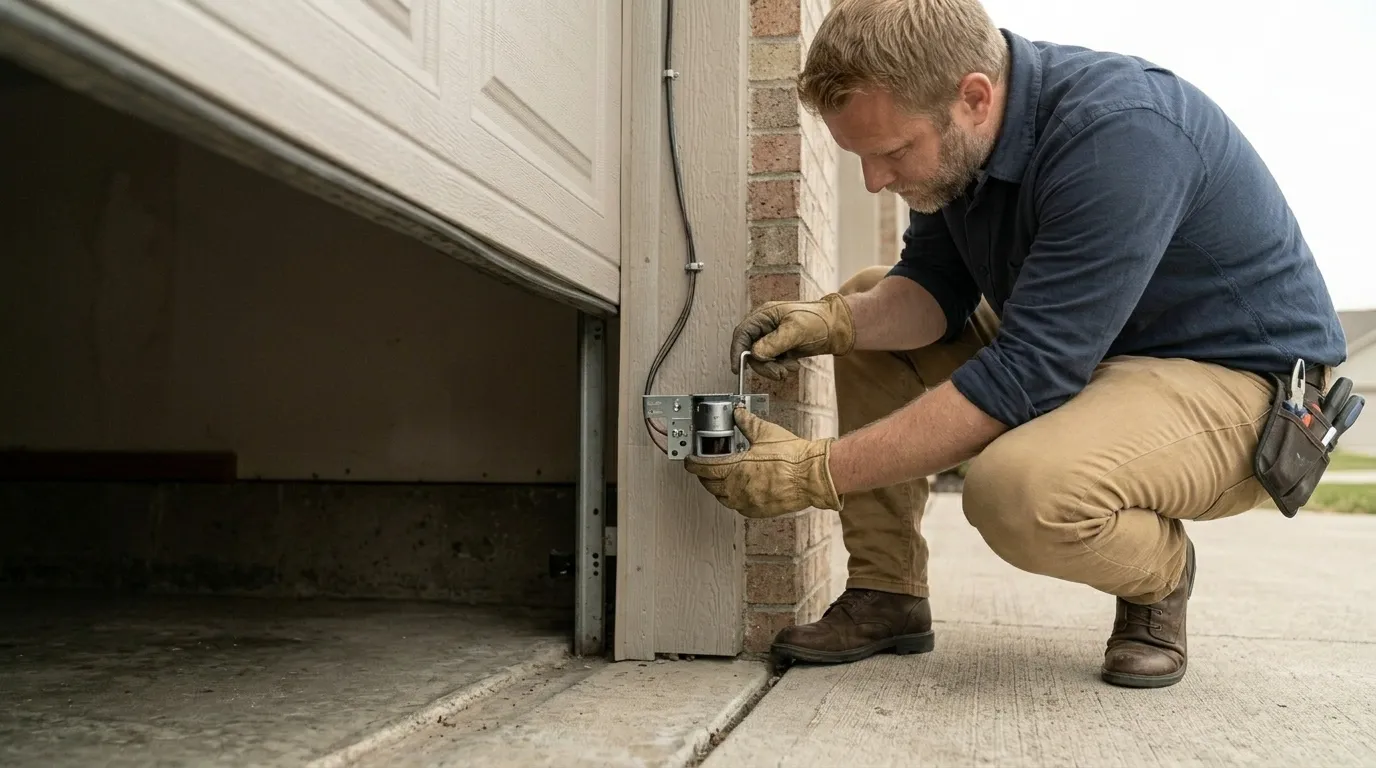
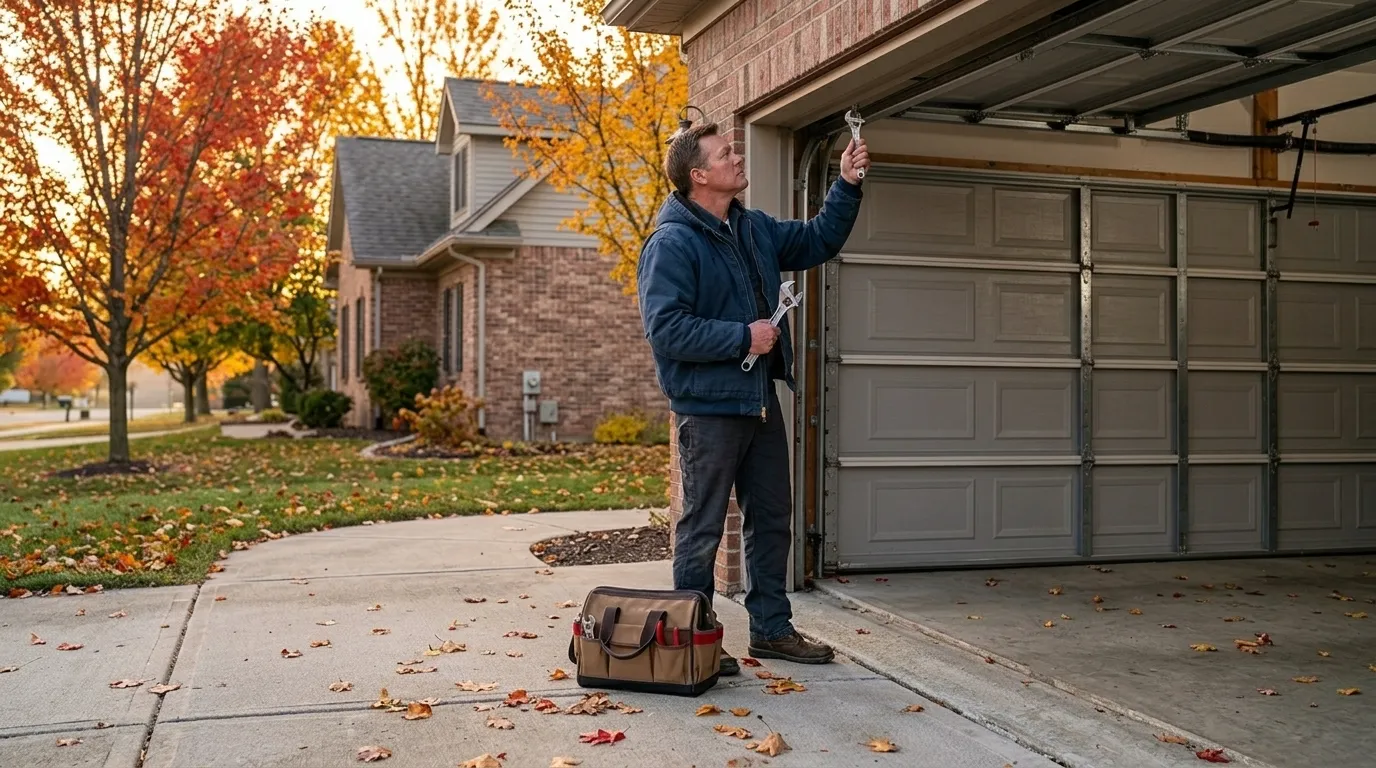
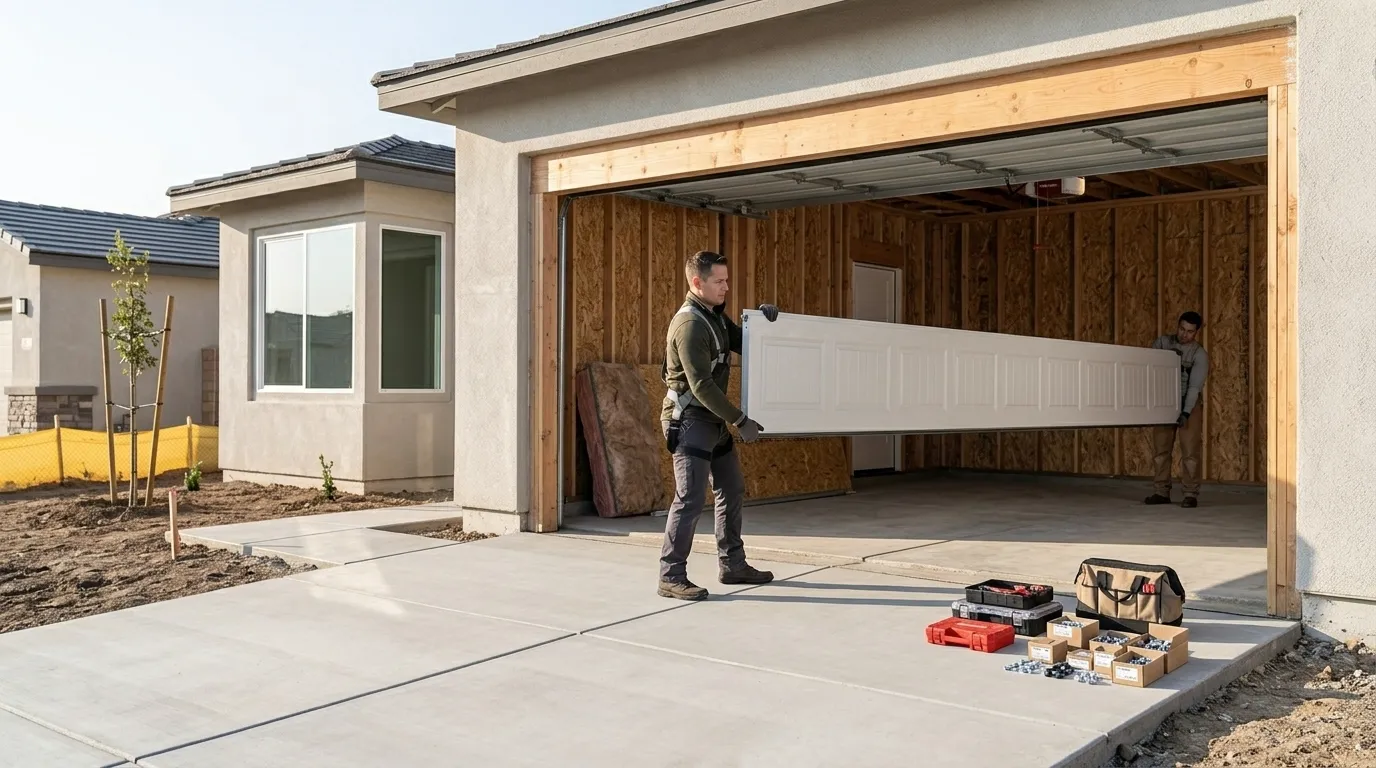
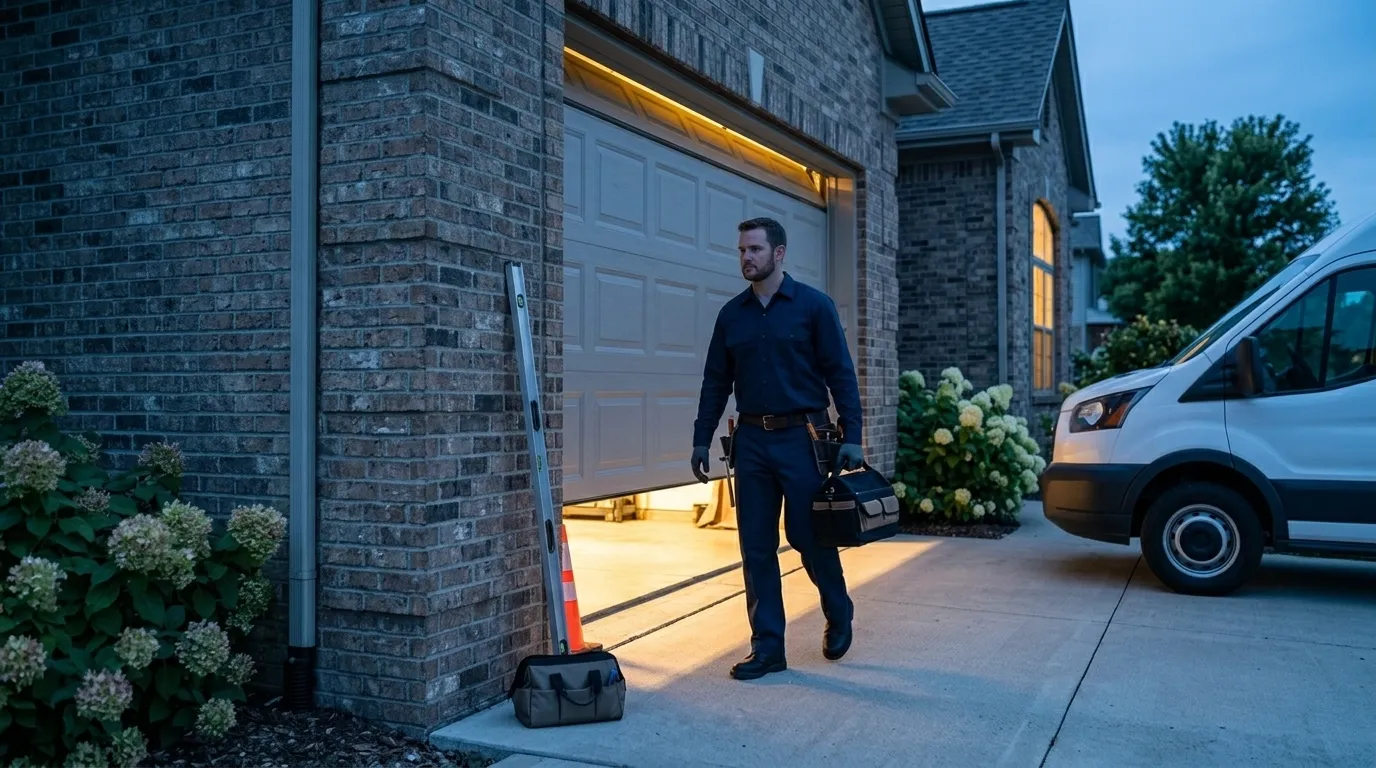
We drive out to Melissa from McKinney, about 9 miles, and the calls we get here don't sound like the calls from the older parts of our coverage area. Melissa's housing stock is young - most of it went up around 2015, well after the 1971-2015 build window that covers our wider service area. That means fewer torsion spring failures from decades-old hardware and more calls about openers. Builder-grade openers installed during a fast construction run are often the same model across a whole street, and they tend to fail around the same age. We hear about safety sensors that won't align after a driveway settles slightly, remotes that stop pairing, and openers that run but won't fully close without someone holding the wall button. We also get calls about noise - a lot of Melissa garages sit close to bedrooms in newer floor plans, and a belt-drive opener that was fine at install can start knocking after a few years of dust in the rail. None of this is spring work in the way it would be in a 1980s neighborhood. It's electronics, alignment, and hardware that was installed once, quickly, and not touched since.
This Area's Housing
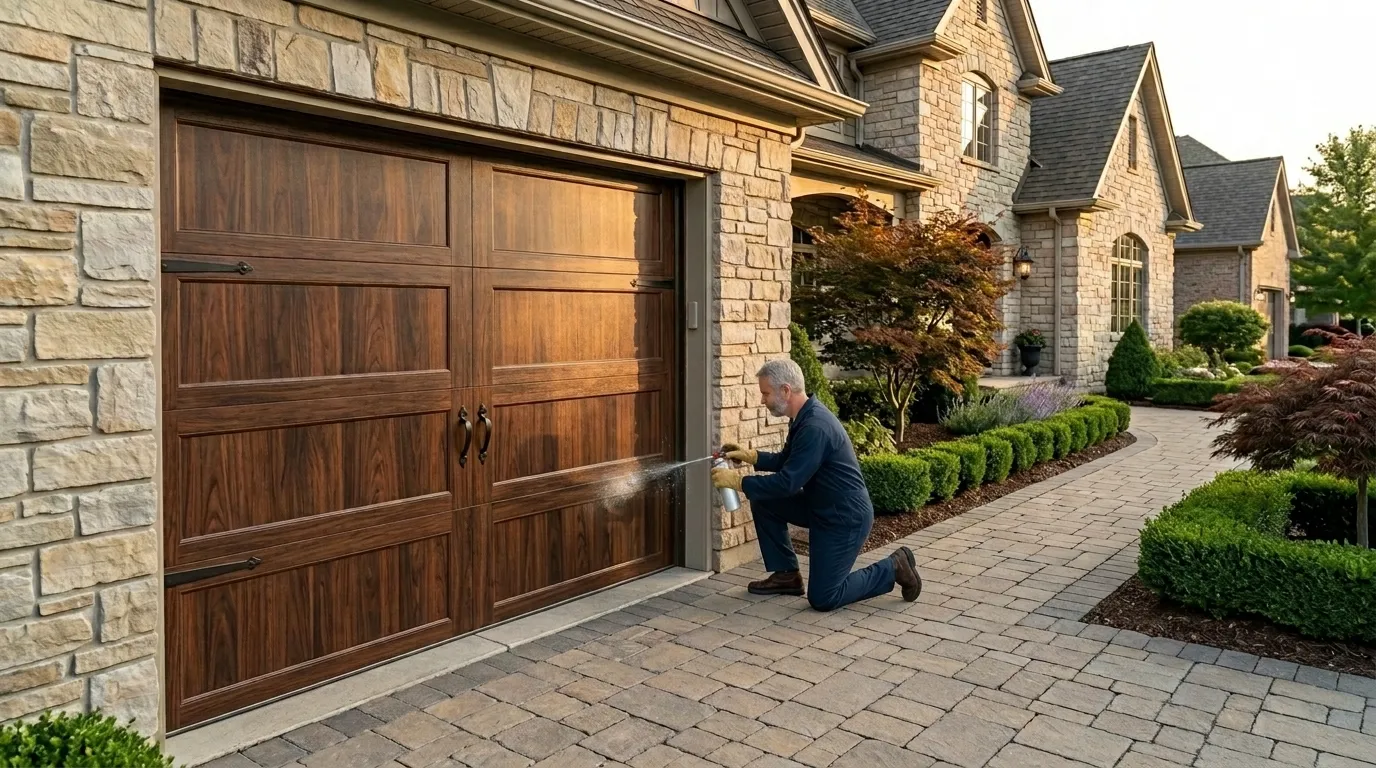
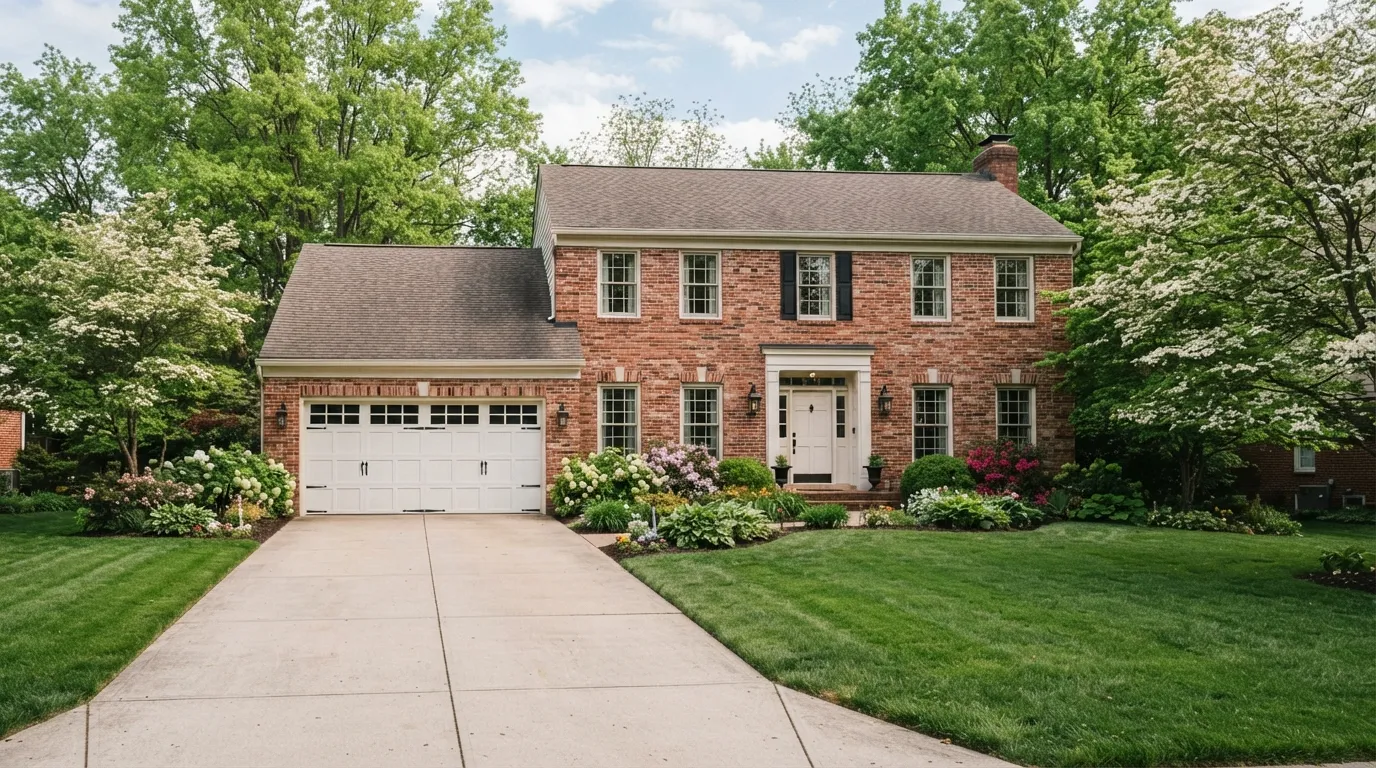
Melissa has about 5,333 households, and the median income here runs $137,875 - noticeably above the $109,528 median across our broader service area. That income level shows up in the doors themselves: more insulated steel panels, more doors with a heavier gauge and factory-applied finish, fewer bare single-layer panels than you'd see in older stock. The median build year of 2015 puts nearly all of Melissa's housing under modern International Residential Code requirements for garage doors, which means auto-reverse sensors, testable safety features, and openers built after the mid-90s rolling-code mandate were standard from day one here - not retrofitted later like in older towns. That's a real difference from a neighborhood built in the 1970s or 80s, where half our job is explaining why the hardware doesn't meet current code at all. In Melissa the code compliance is baked in. The problems we find are mechanical wear and setup issues, not outdated equipment.
What the Housing Means for Your Door
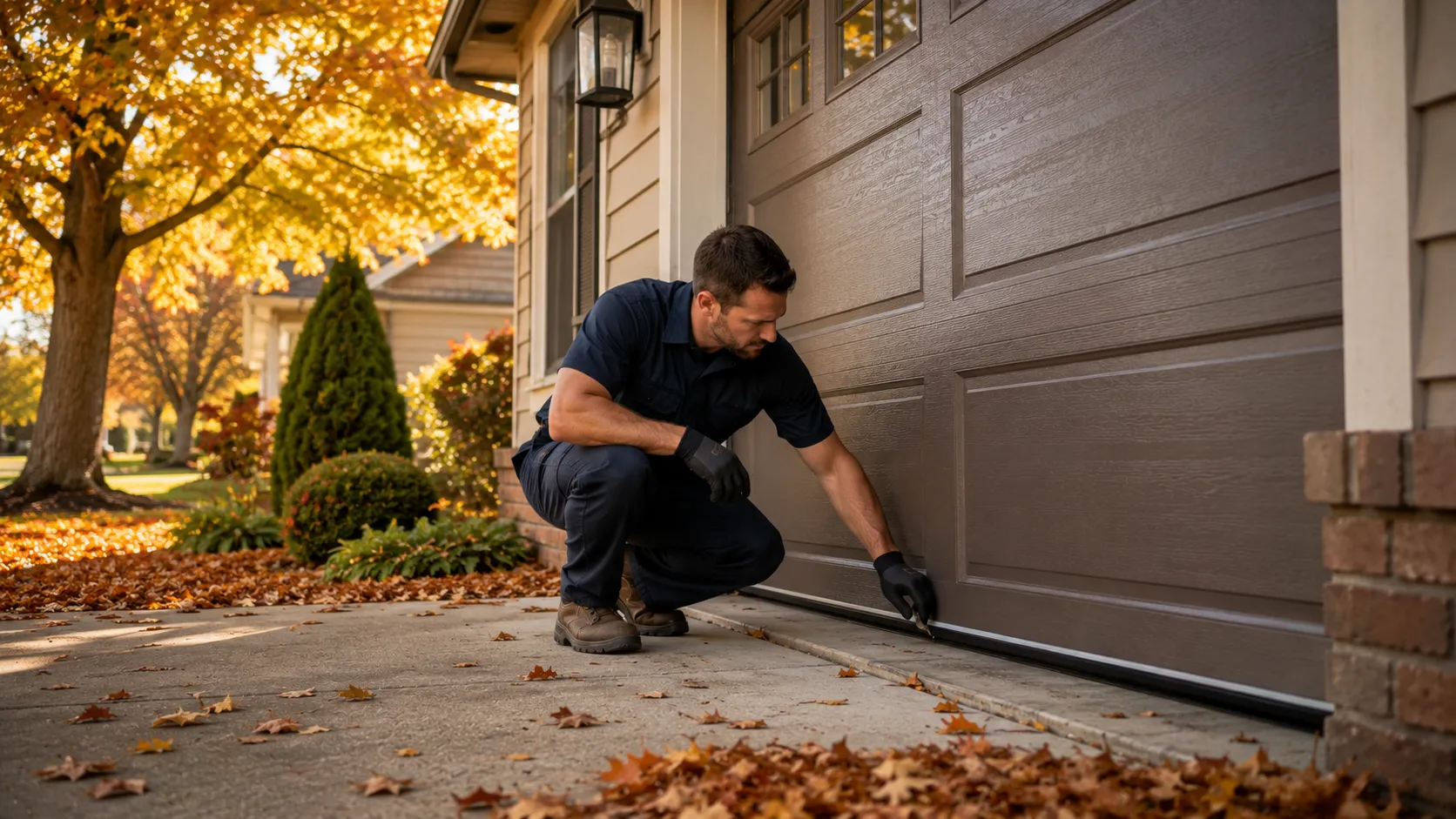
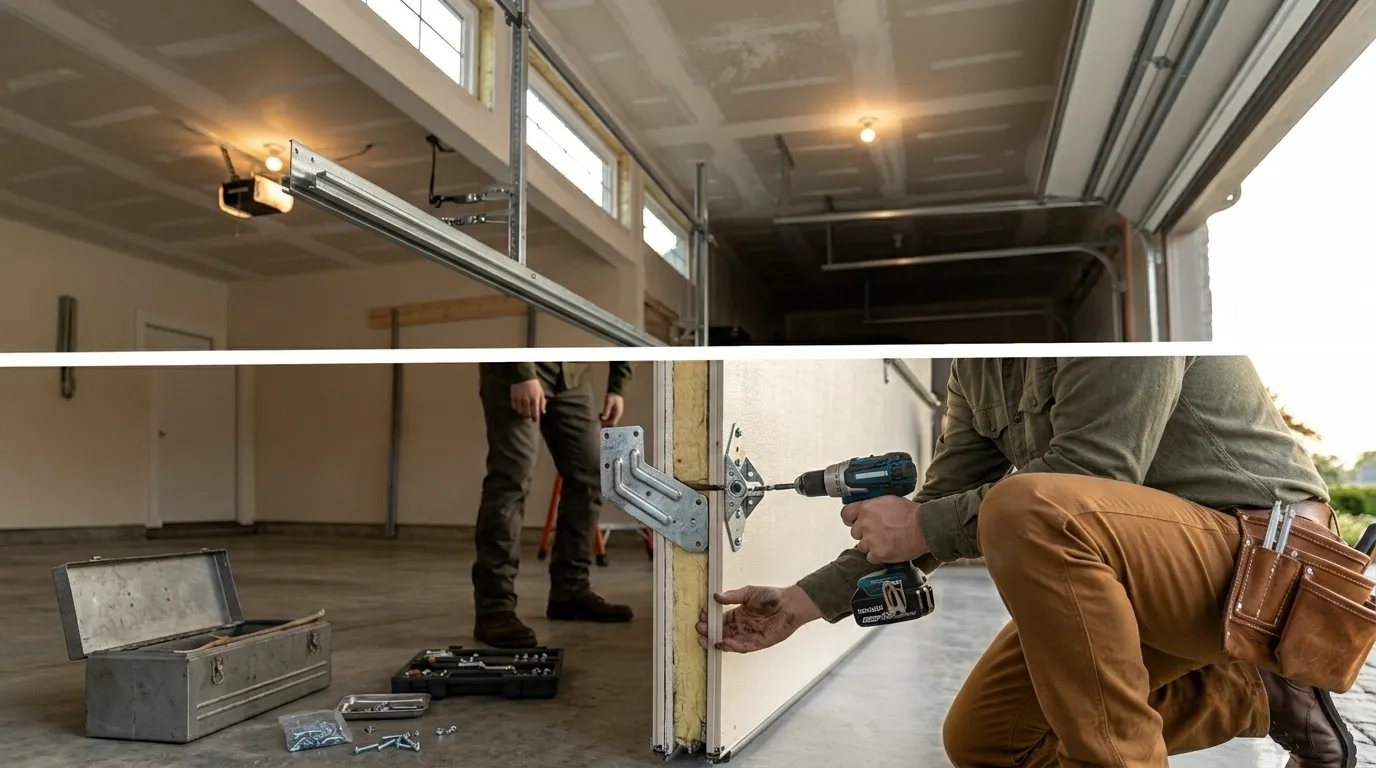
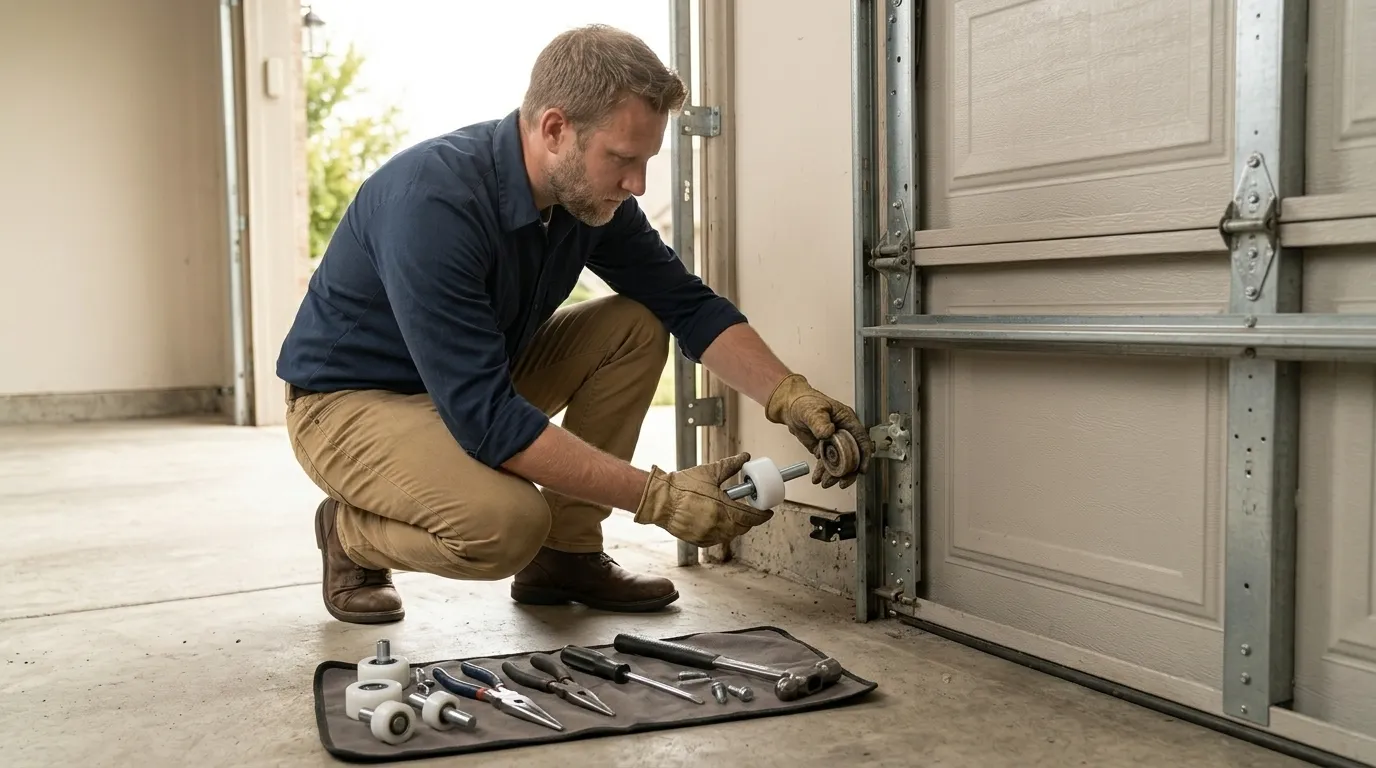
Because Melissa's homes are mostly newer builds, we're not chasing the same failure points we'd chase in an older part of our coverage area. A house built in 2015 still has a factory opener logic board doing its job, springs that have plenty of life left, and hardware that was set to current code when it went in. What ages instead is the stuff nobody thinks about: the plastic gears inside a chain-drive opener, the weatherstripping around a panel that's never been resealed, the wiring harness on a sensor that's been stepped on during yard work. When we get a call from Melissa, we're usually troubleshooting a system, not replacing worn-out steel and springs. That changes the repair - and often the cost - compared to a job in a neighborhood built decades earlier.