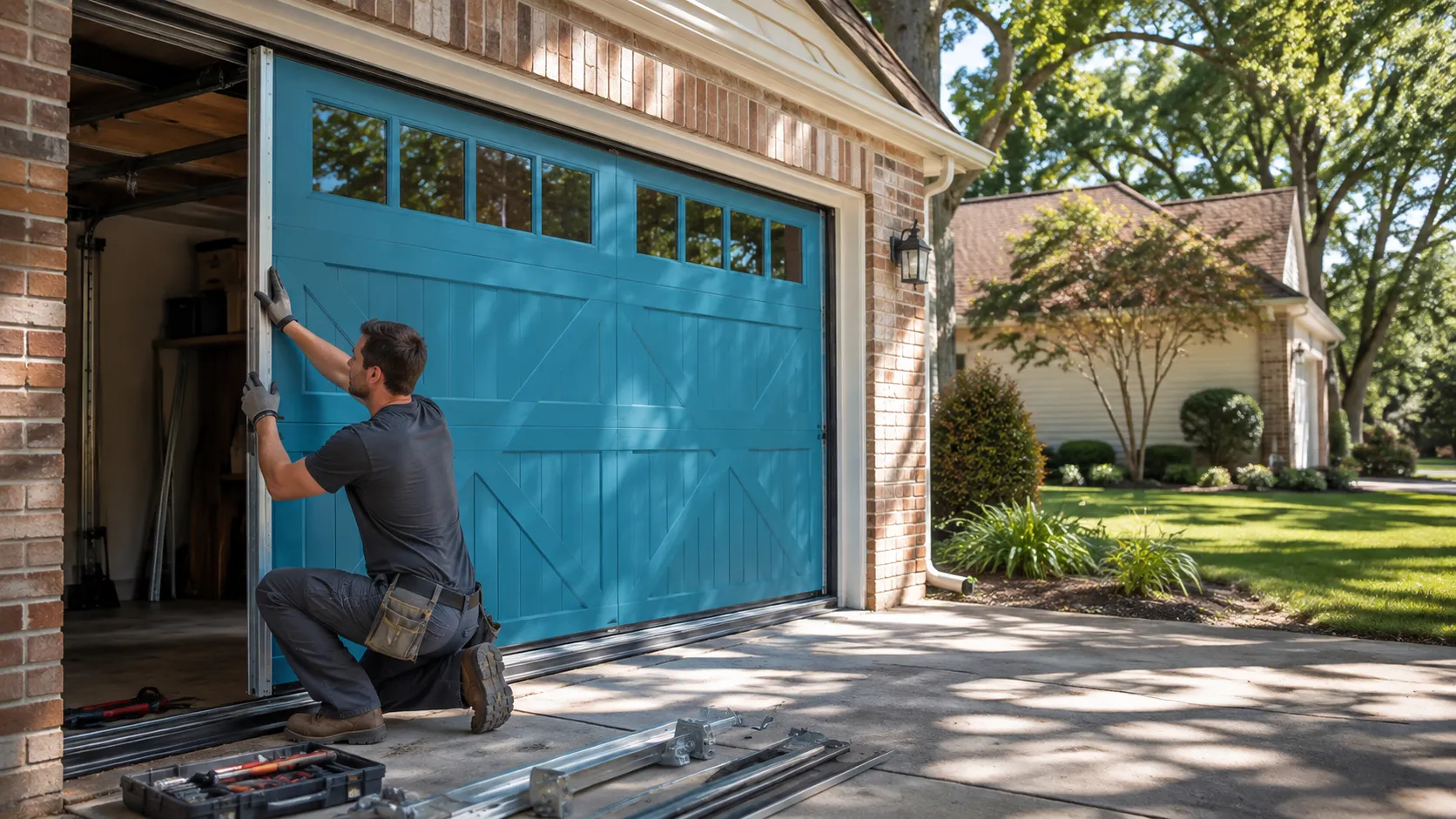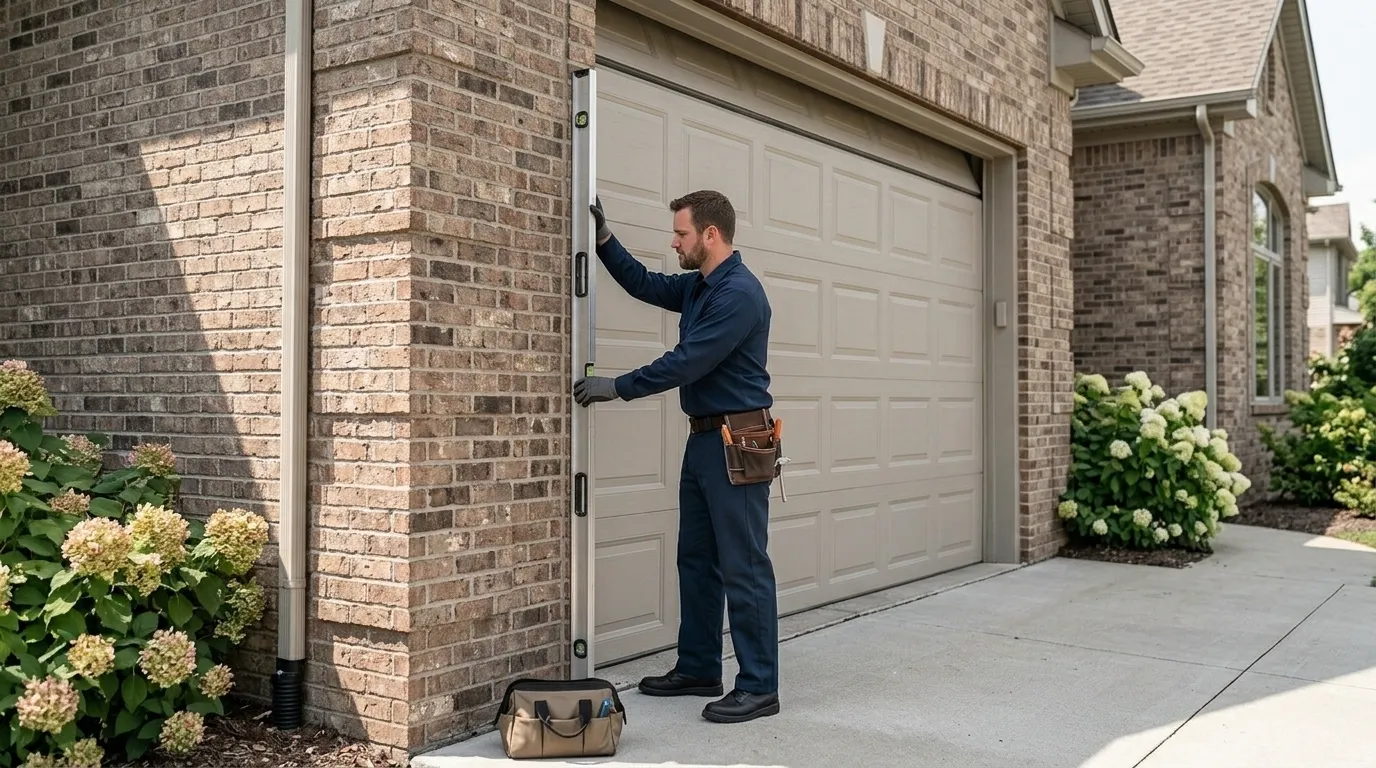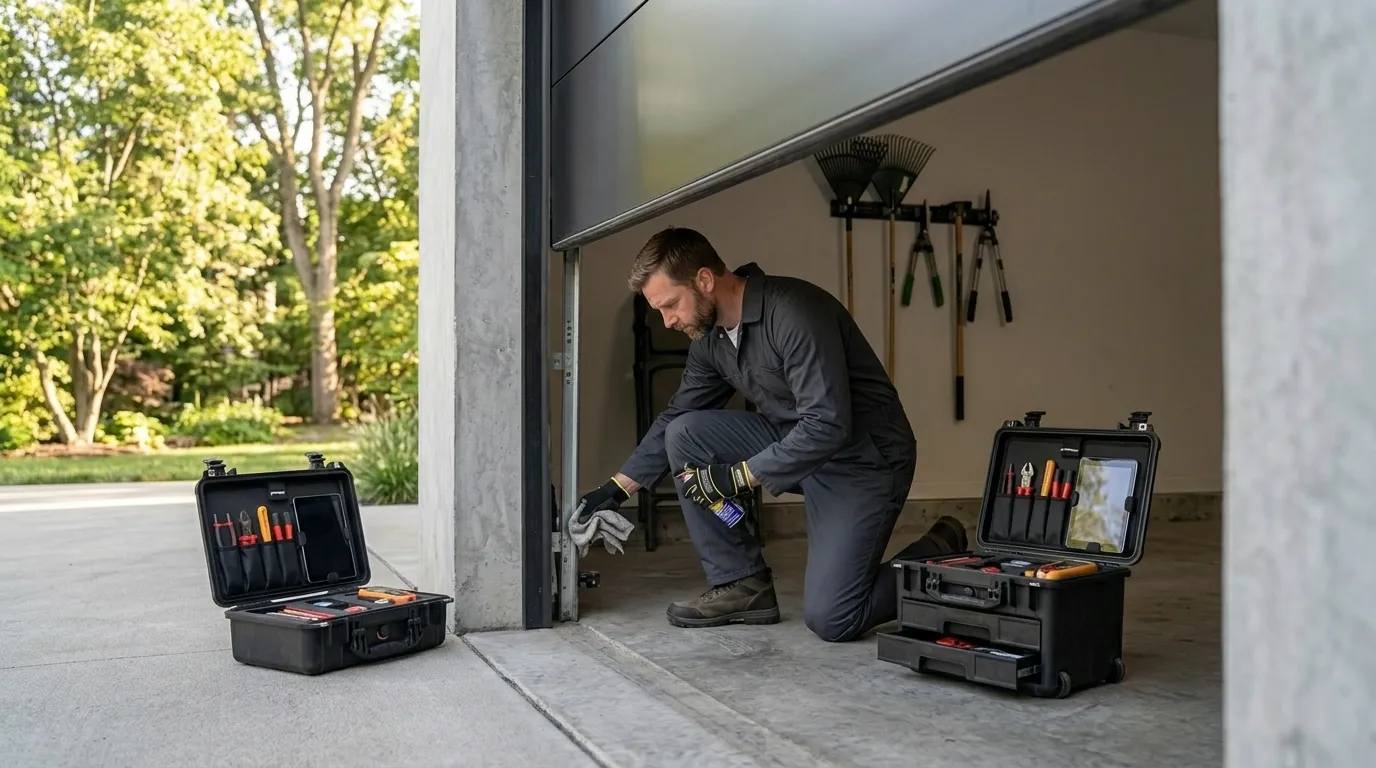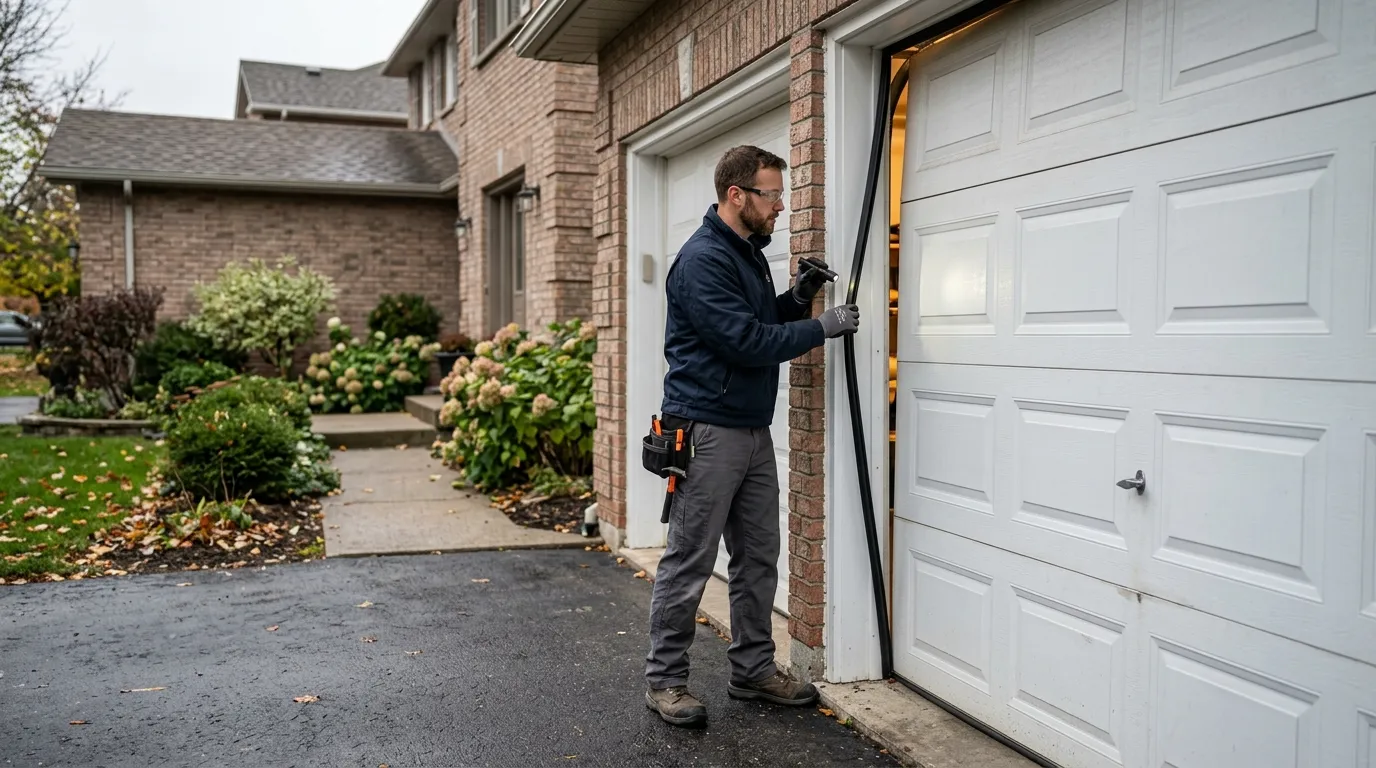
What Local Conditions Do
McKinney's housing stock runs from 1971 through 2015, with the median build year sitting at 2005 and most of the stock across the area's 19 named subdivisions dating from that 2000s building boom. That matters more than people think. Garage doors were never covered by residential insulation code the way walls and attics were, so builders putting up hundreds of houses a year through the late 1990s and 2000s spec'd whatever door met the contract price - almost always a single-layer steel panel with no foam core. Insulated doors existed then, but they were an upgrade line item, not standard equipment.
So the door on a McKinney house built in 2003 is doing the same job as one built in 1978: hanging a sheet of steel over the opening and hoping the weatherstrip does the rest. With roughly 31,785 owner-occupied houses across the service area, that's a lot of doors running on 20-plus-year-old hardware that was builder-grade from day one, not worn down from age so much as underspecified from the start. Knowing your house's build era tells you more about what's likely wrong with the door than knowing its symptoms does.
What Changes With the Season
McKinney sits in a moderate-heat climate band, not extreme, but enough that steel expands and contracts through the year in a way that shows up on doors that were never insulated. A single-layer panel heats up fast in direct sun and cools just as fast overnight, and that cycle works on the fasteners holding roller brackets to the track long before it works on the steel itself. On a builder-grade door from the 2000s, those brackets were set once at install and rarely touched again.
The practical result: doors that opened and closed fine all winter start binding or grinding partway through the track in the hottest stretch of the year, because the track rail itself has shifted a few millimeters out of parallel. It's not dramatic and it's not sudden - it's cumulative, and it tends to show up first on the side of the house that gets more afternoon sun. Weatherstripping goes the same way, drying and cracking faster on the sun-exposed edge than the shaded one. None of this is unique to any one house; it's what an uninsulated steel door does over enough summers in this kind of heat.
What to Look At First
Start with the build year of your house, not the door. If your house went up anywhere in the 1990s-through-2015 window that covers most of McKinney's stock, assume the door is builder-grade unless someone's already replaced it - check for a single hollow steel panel with no visible foam backing when you look at the inside face.
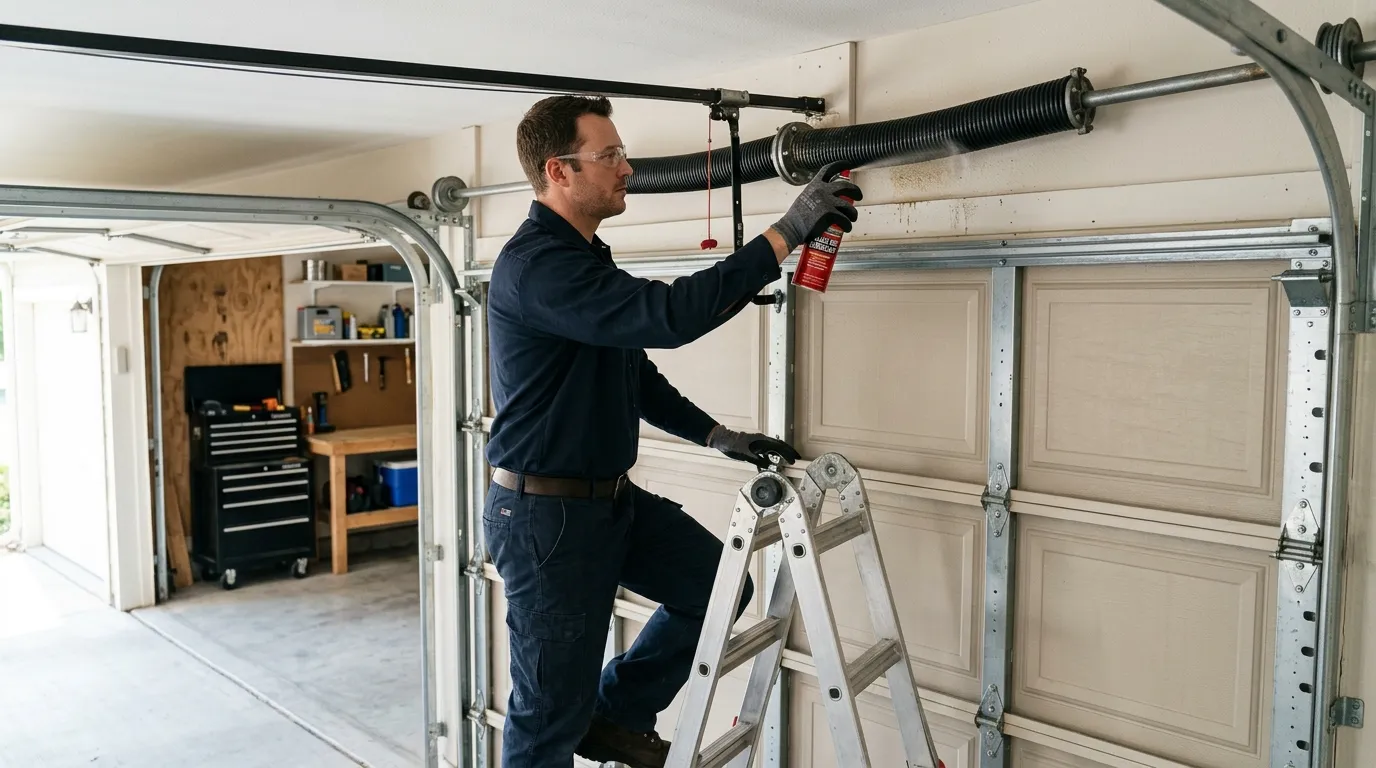
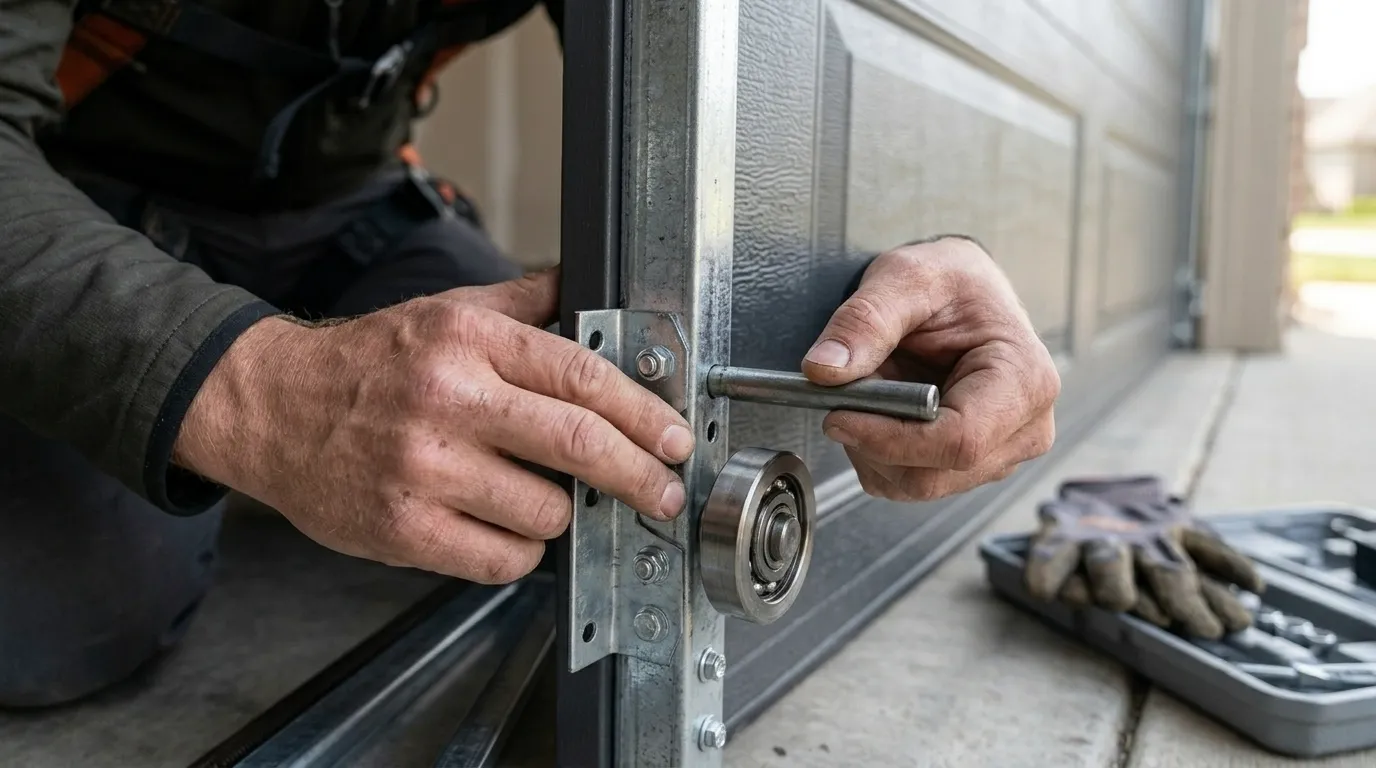
Next, look at the track on the side that catches the most afternoon sun. Small horizontal dents or a slight outward bow near the rollers is heat-cycle wear, not damage from an impact, and it's worth a look before it turns into a binding door. Check the weatherstrip along the bottom and sides for cracking or shrinkage - on an original door from that era, it's usually the first thing to fail, and it's cheap to replace on its own without touching the panel.
The service area includes Fairview, New Hope, Lowry Crossing, Lucas, Princeton, Melissa, Weston, Parker, St. Paul, Murphy, Paloma Creek, Van Alstyne, Blue Ridge, Gunter, Farmersville, Lavon, Oak Point, Cross Roads, and Aubrey. Most of that ground shares the same 2000s construction pattern, so the same checklist applies whether you're five miles out or twenty.