What People Here Ring About
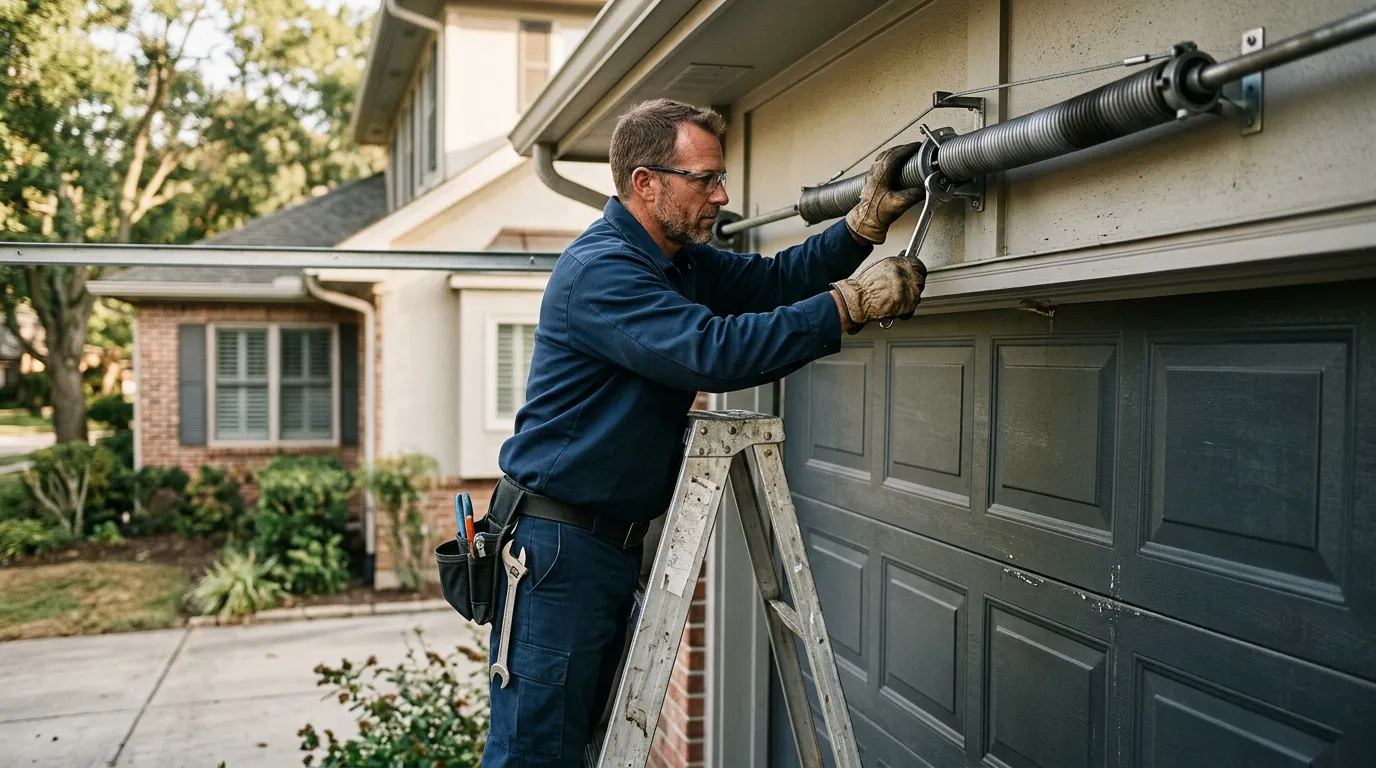
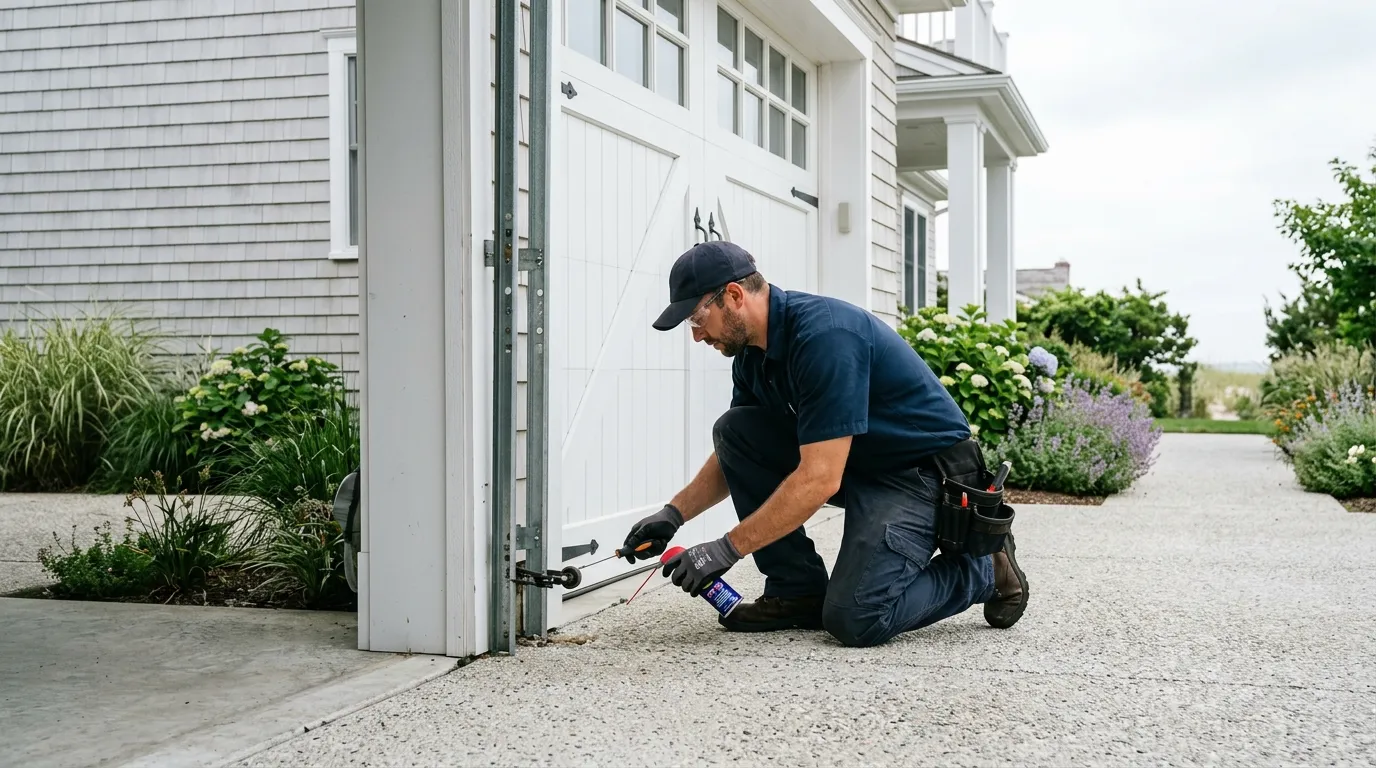
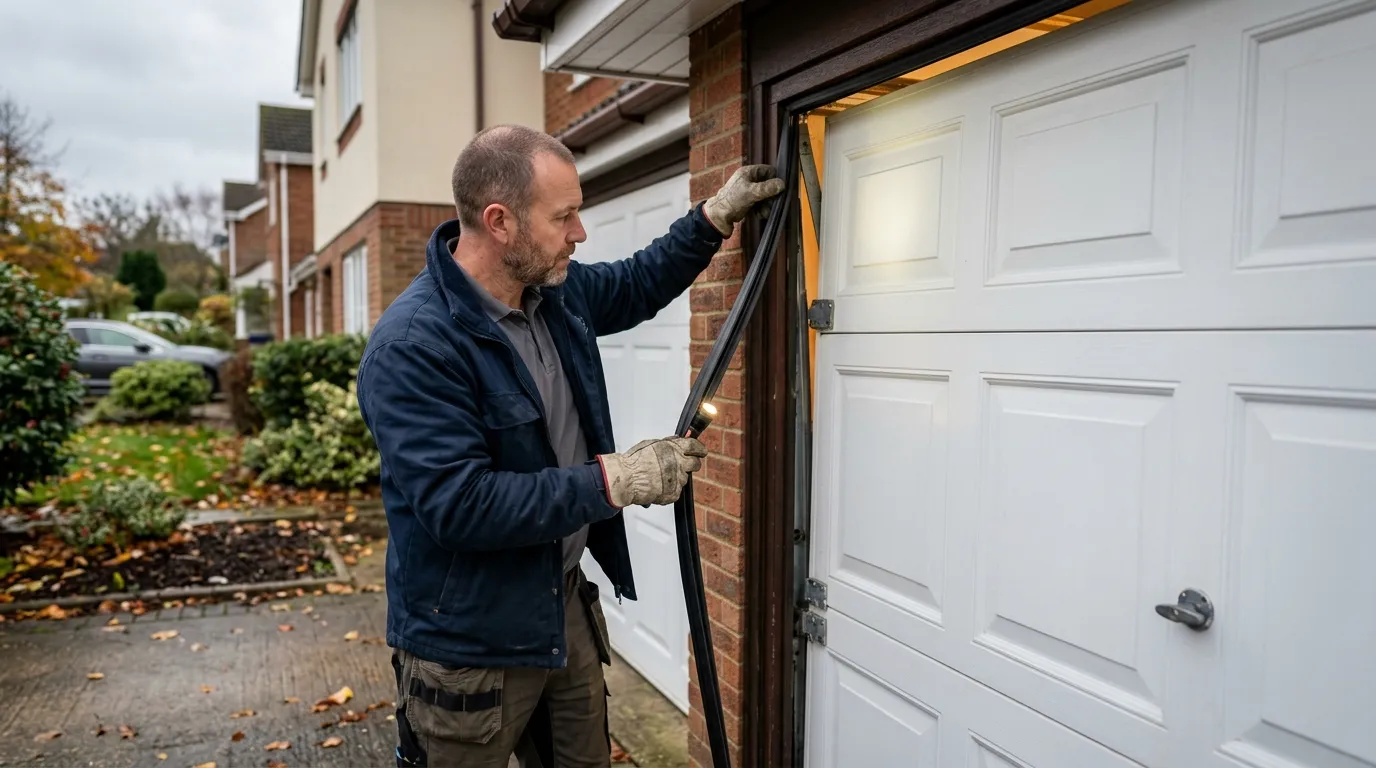
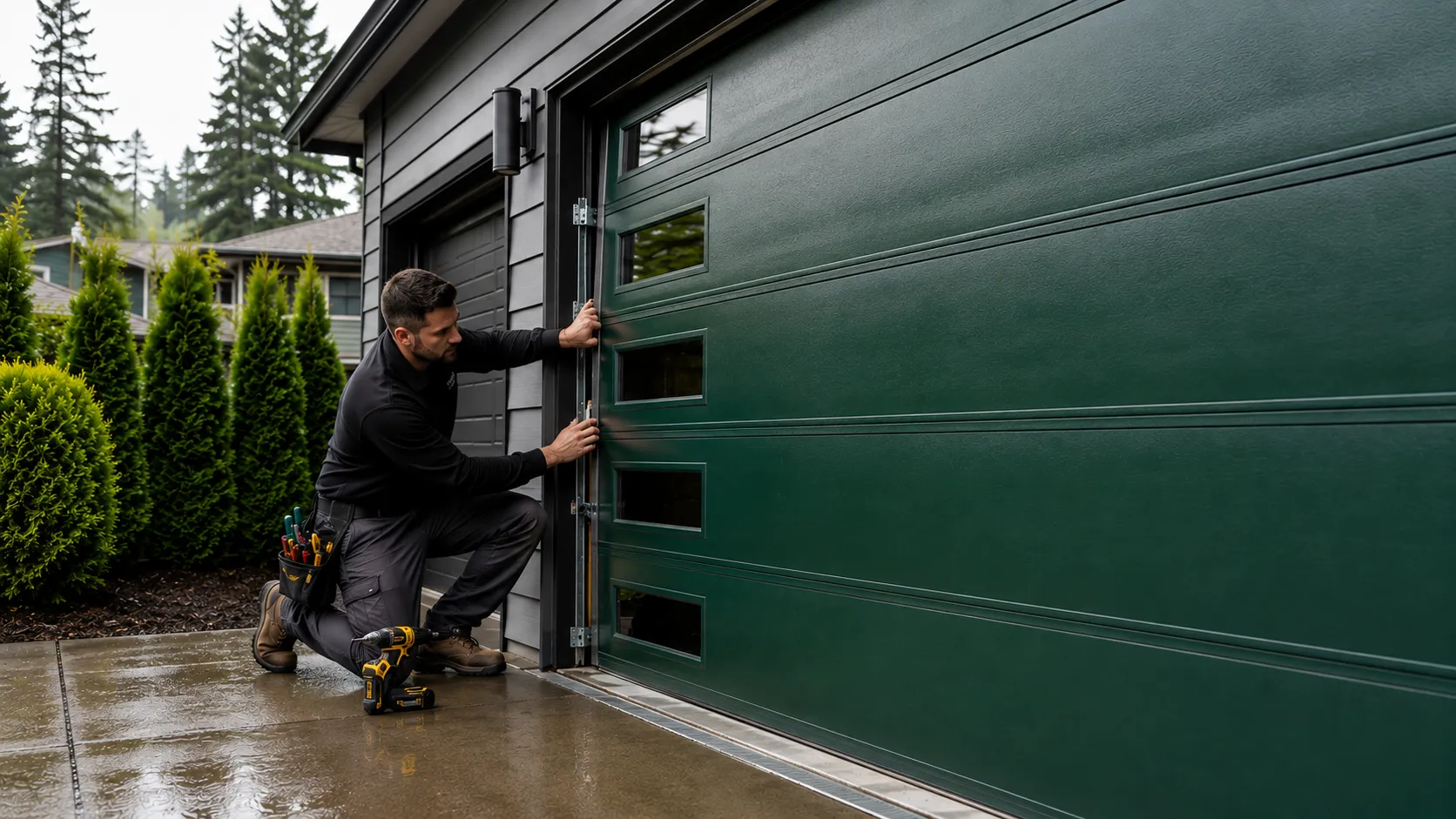
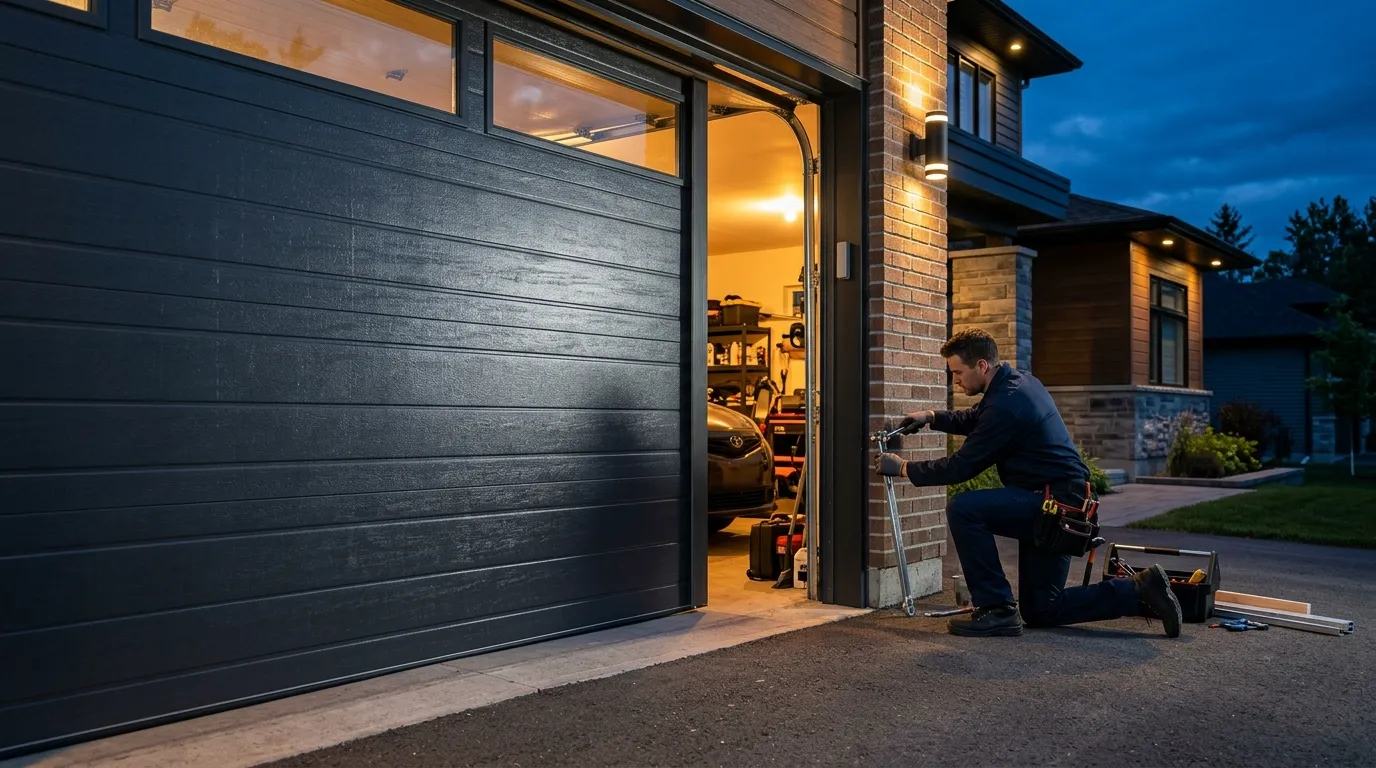
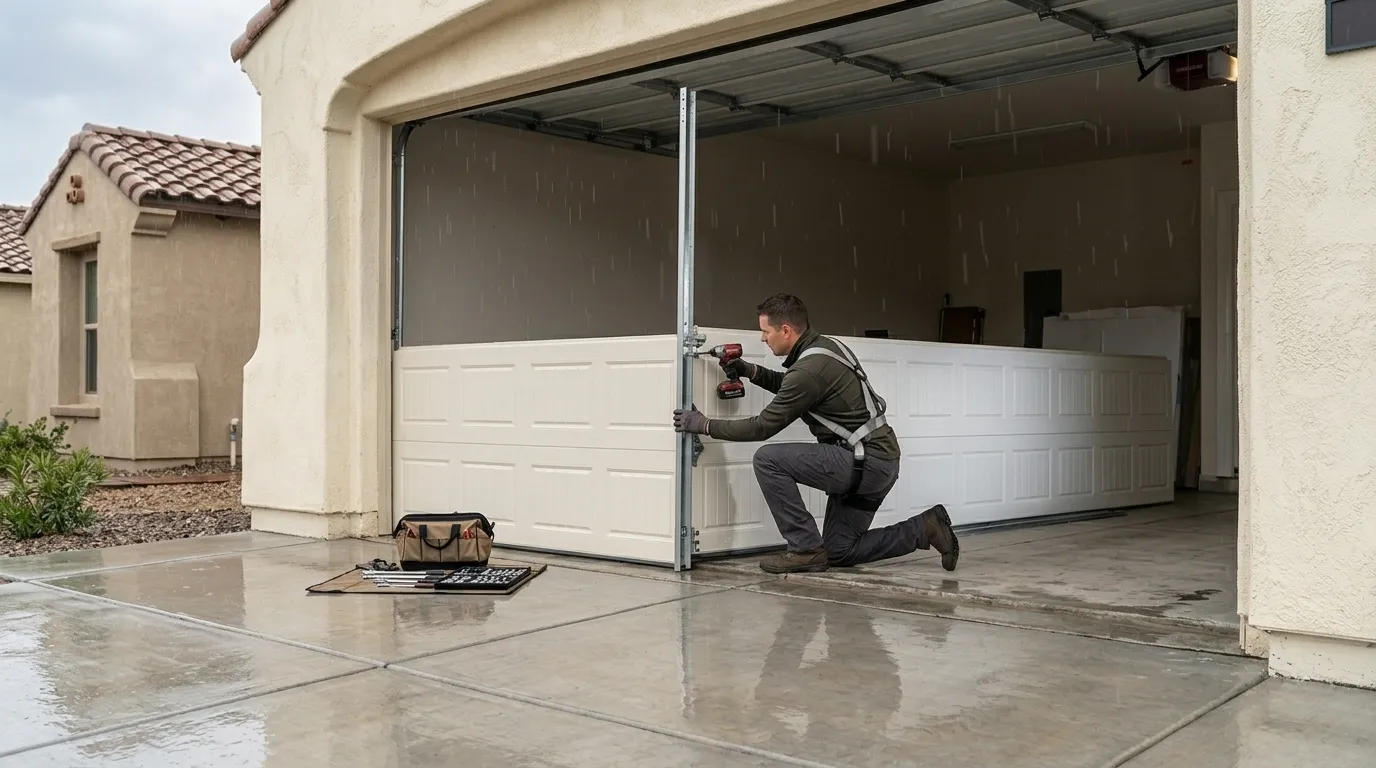
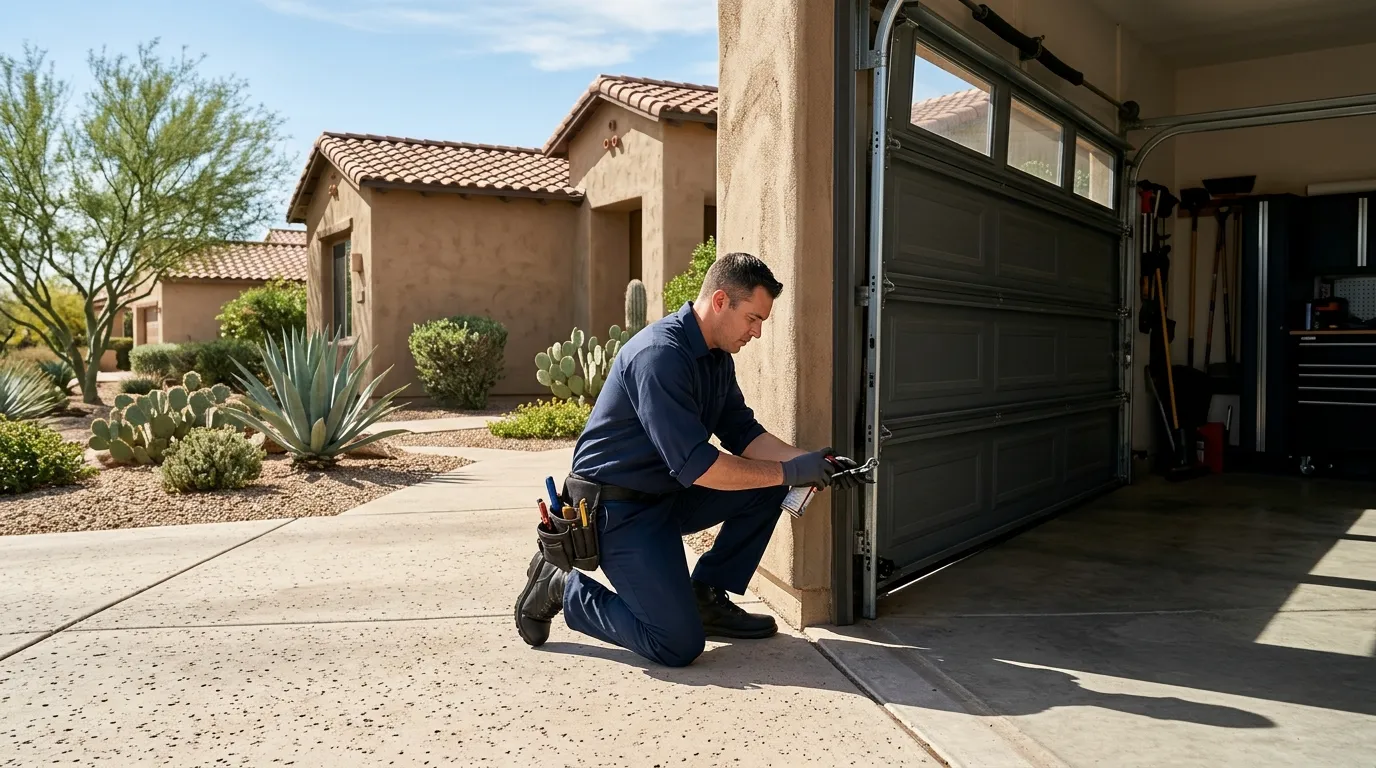
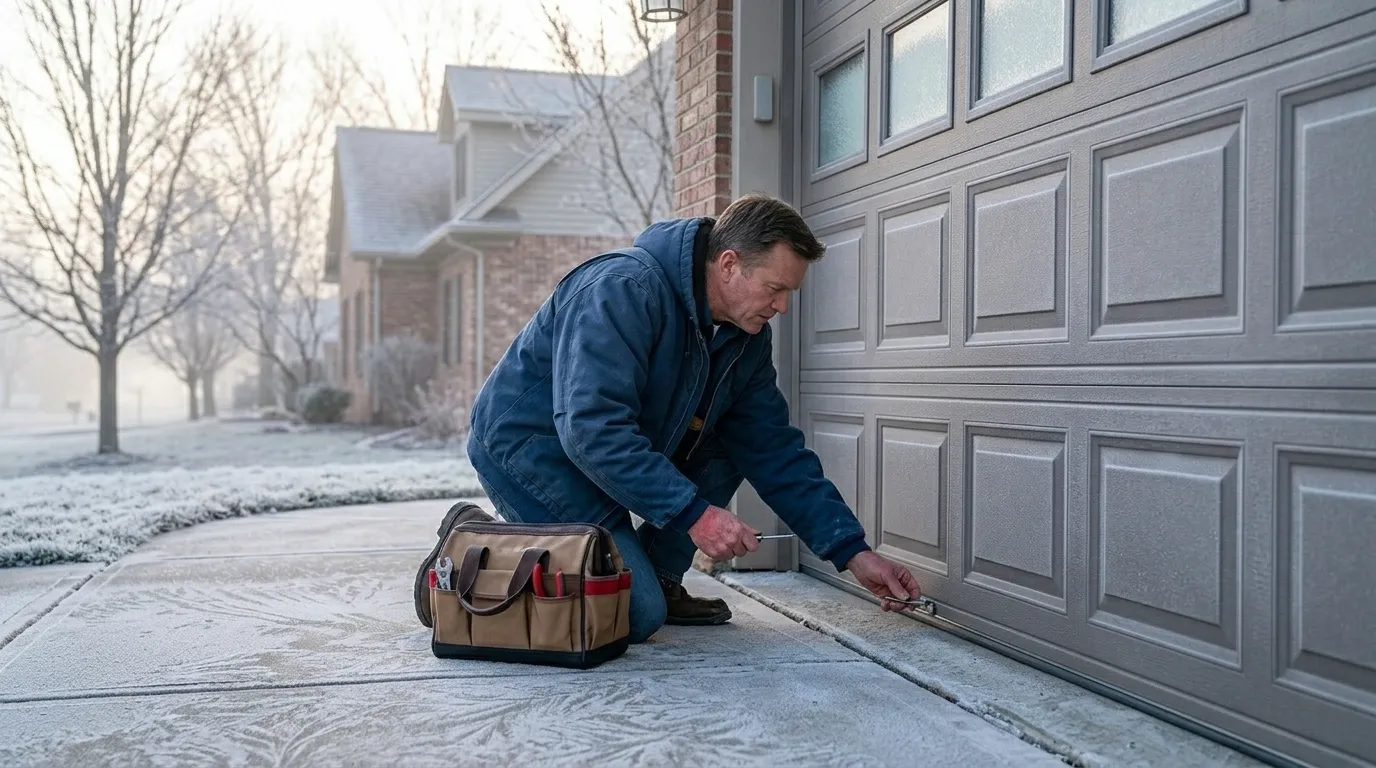
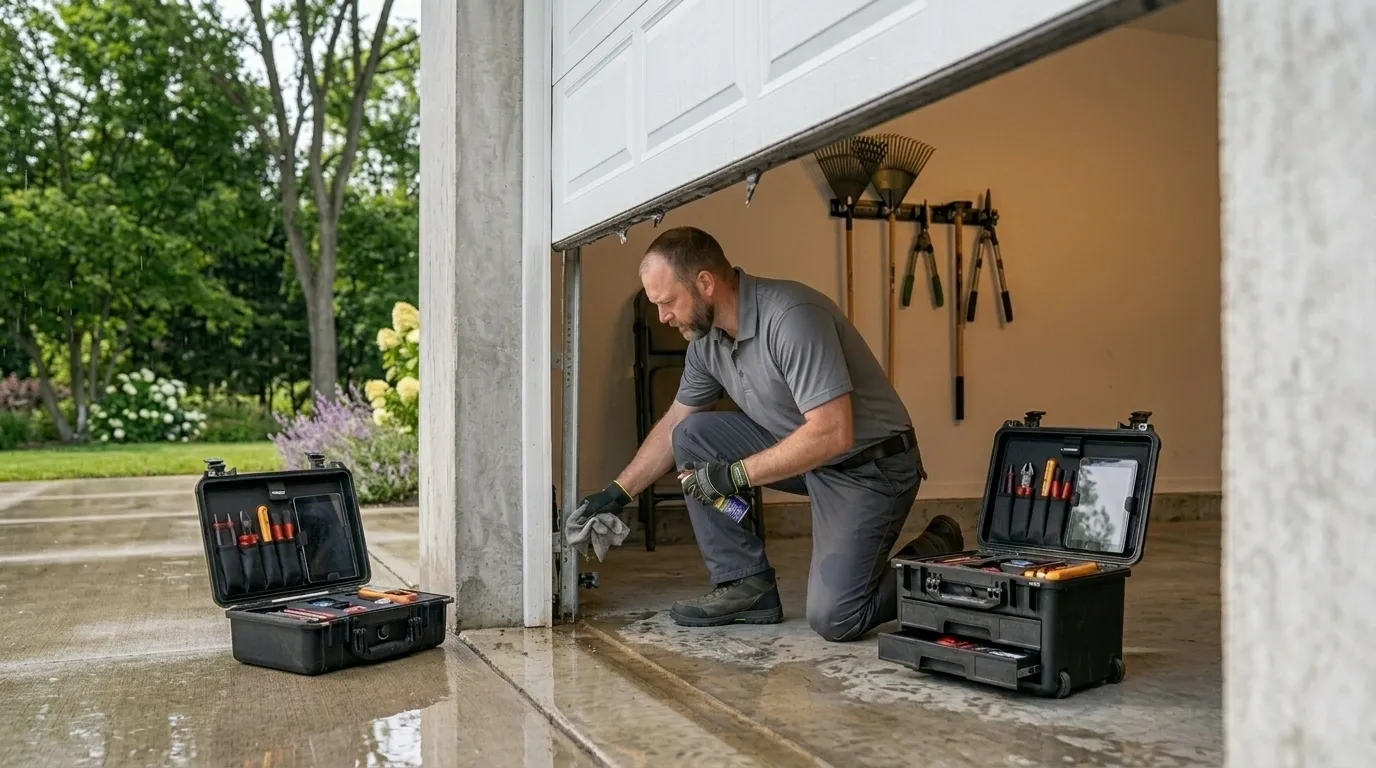
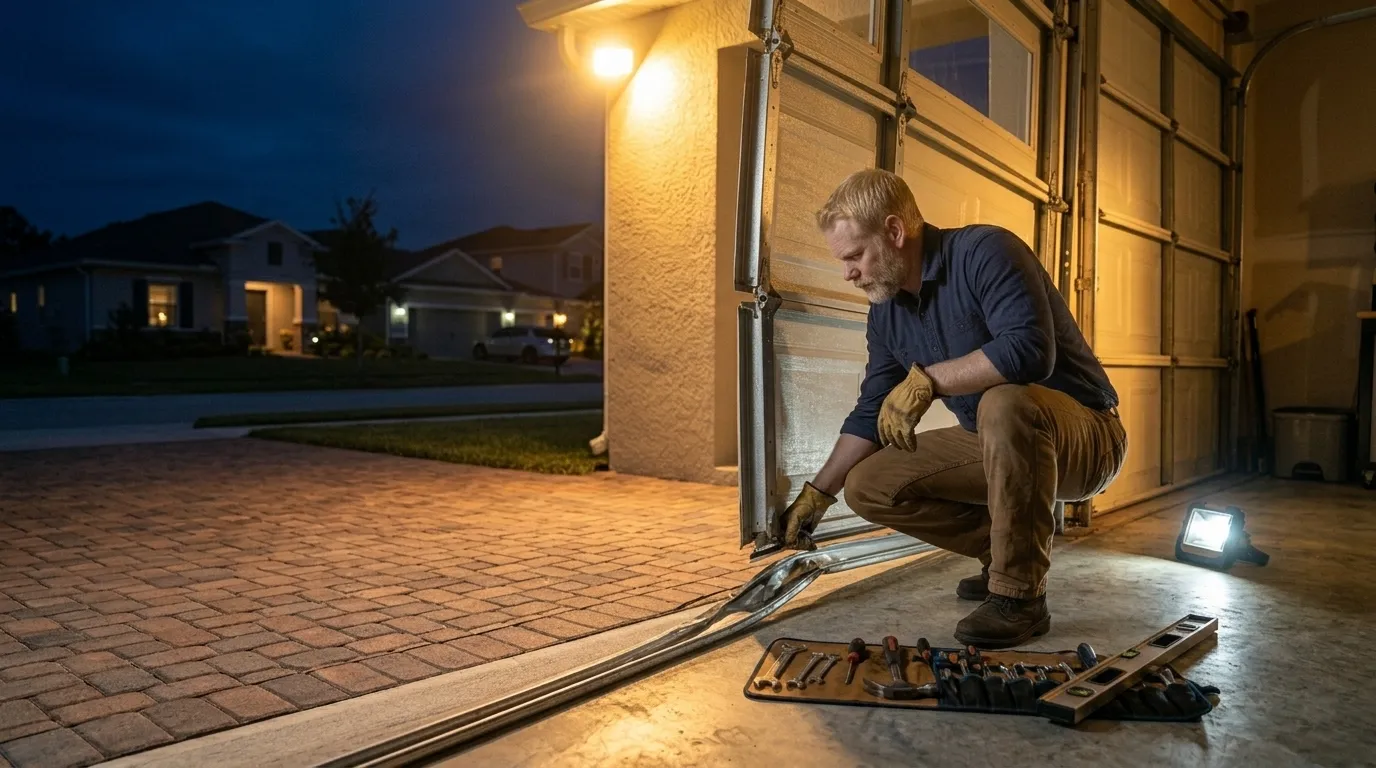
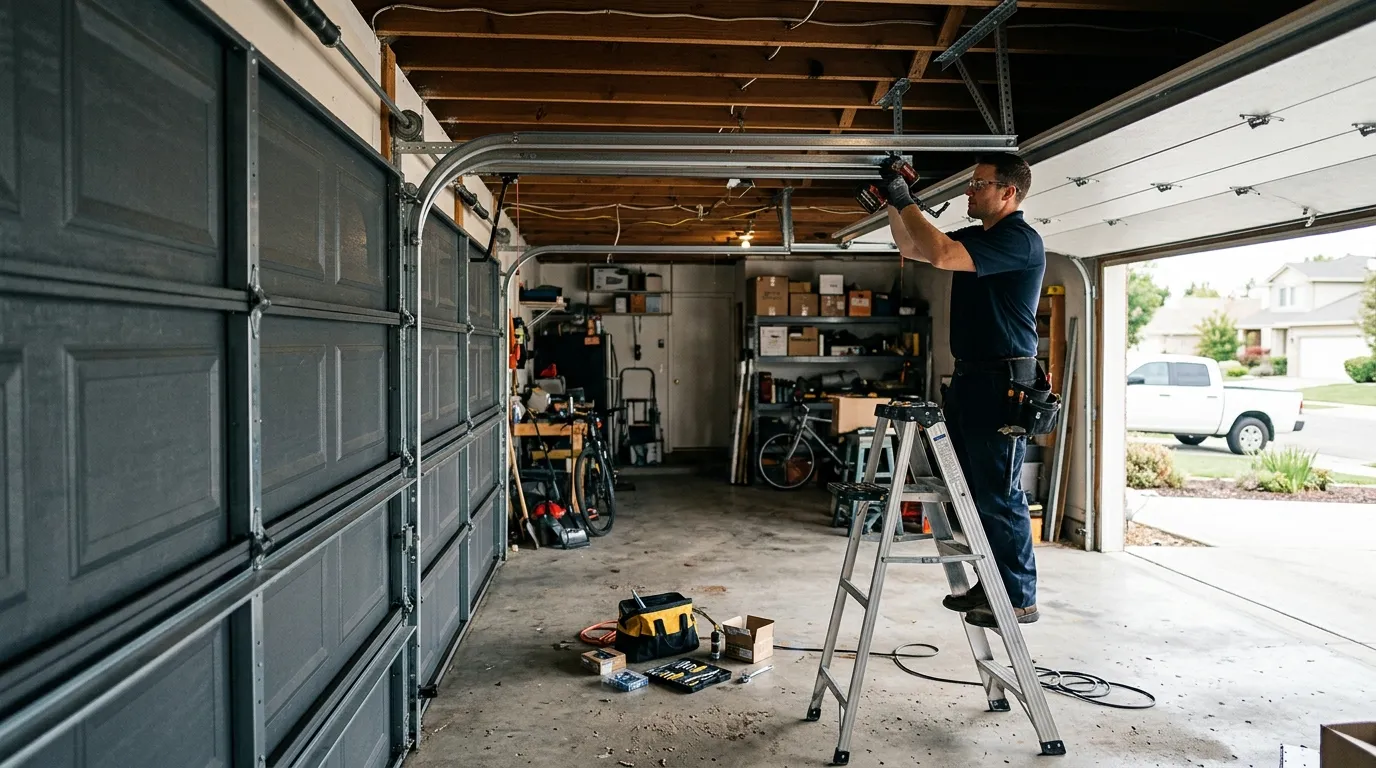
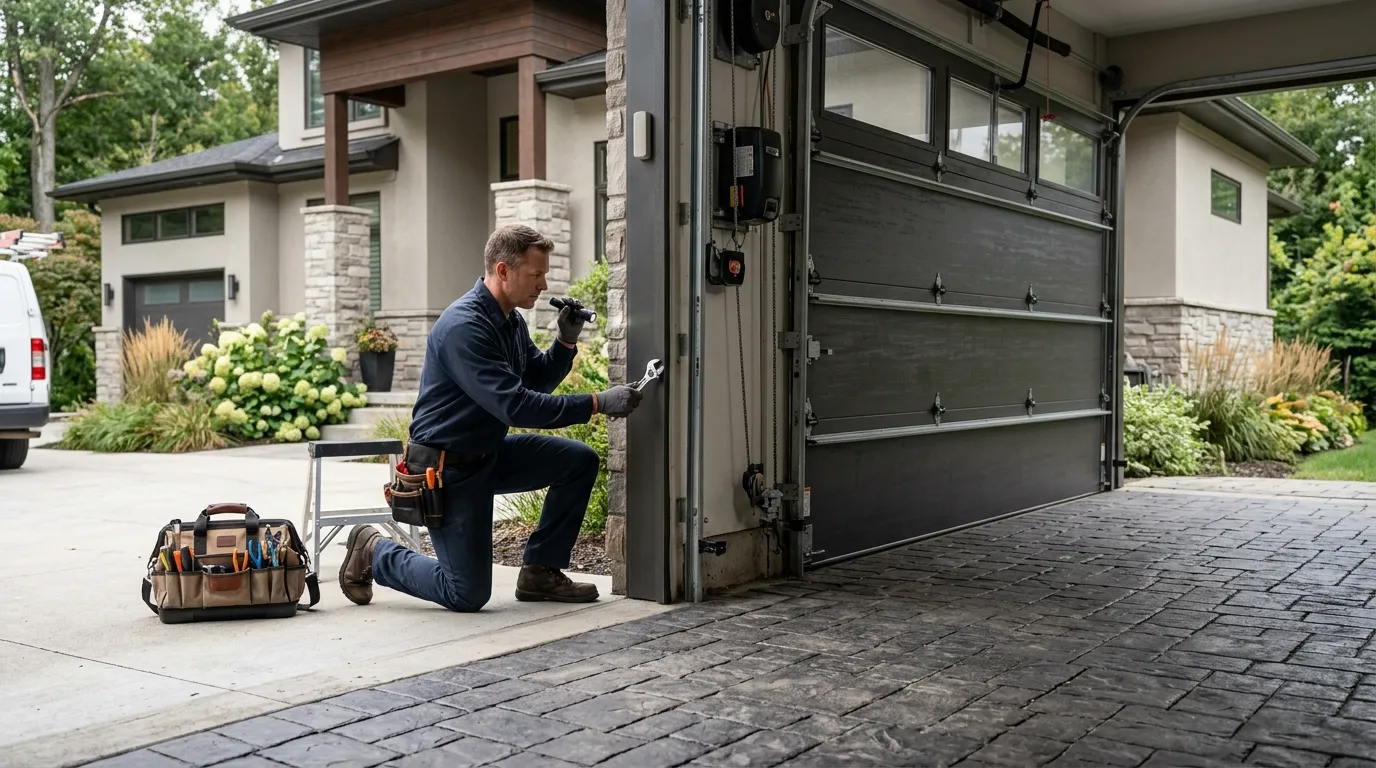
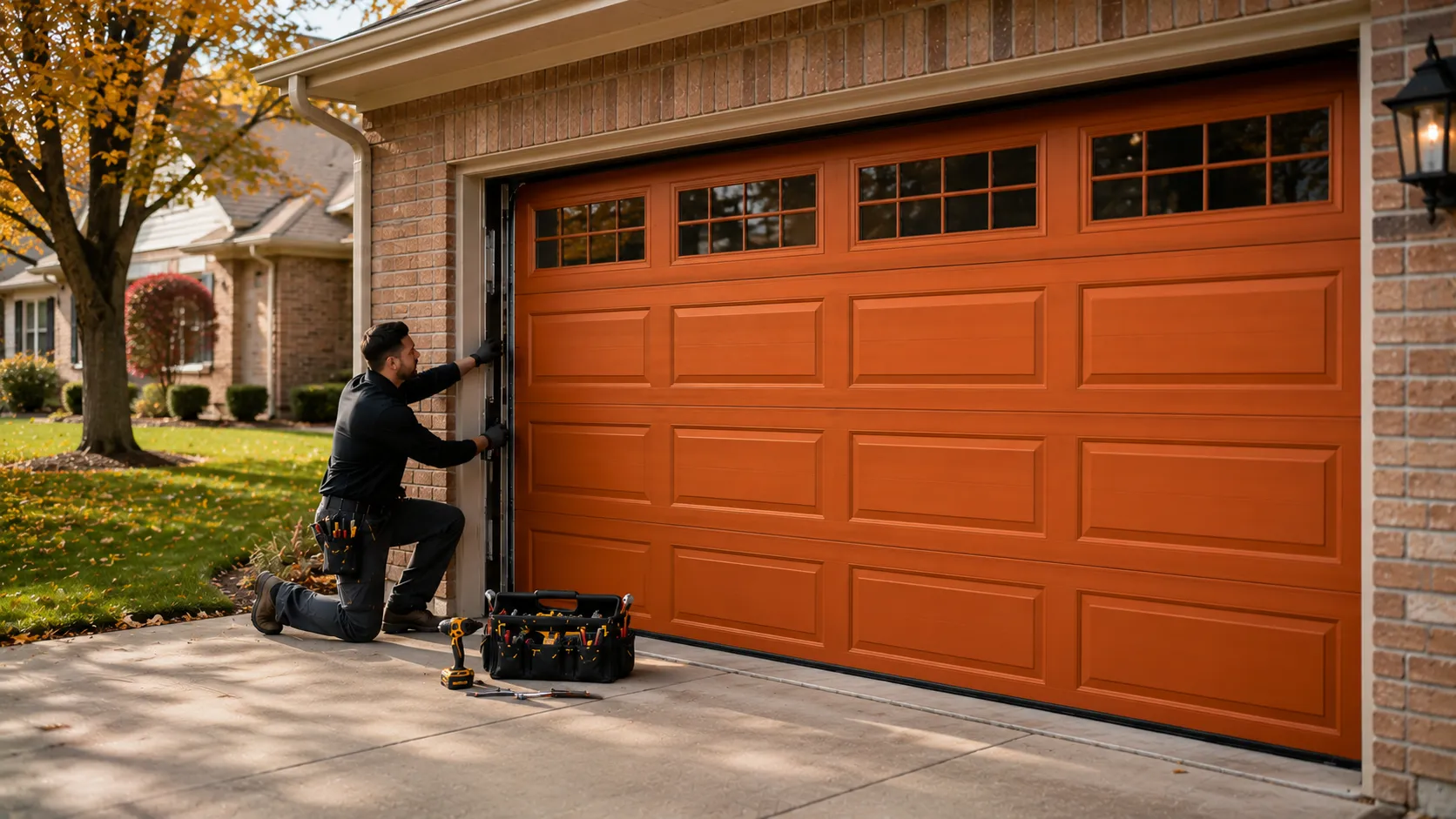
Parker sits about 10 miles from our shop in McKinney, and most of the calls we take from this side of the county are for openers, not for the doors themselves. That's not an accident. Parker's housing stock runs newer than a lot of the surrounding towns, with a median build year around 2005, which puts most garages here on factory-installed steel doors and chain or belt-drive openers rather than the older extension-spring setups we see farther out. The failures we get called for are things like a logic board that's stopped talking to the wall button, a photo-eye sensor knocked out of alignment, or a torsion spring reaching the end of its cycle count after fifteen-plus years of daily use. We also get the occasional call on a bent track from a car bumping the door, which shows up in almost any neighborhood regardless of the home's age. What we don't see much of here are the seized, rusted-shut hardware jobs common in older housing stock - Parker's doors are young enough that most of what fails is mechanical wear on parts that are still stocked, not obsolete gear nobody makes anymore.
This Area's Housing
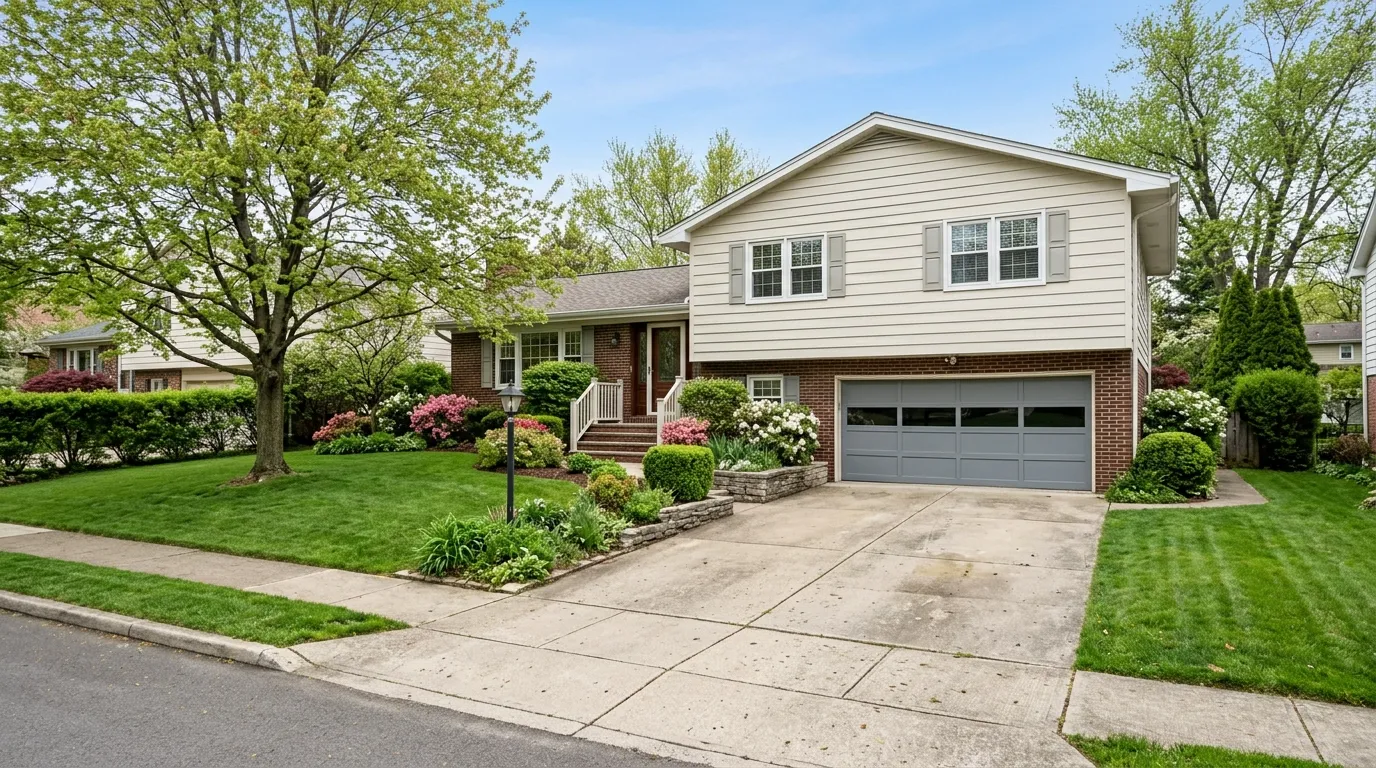
Parker's homes were mostly built in the 2000s, matching the broader build wave across this part of the McKinney service area, where housing dates from 1971 through 2015 with a median around 2005. That means garage doors here are almost universally insulated steel sectional doors on torsion spring systems, installed with the openers and safety sensors that became standard equipment industry-wide by the early 2000s. Parker's median household income, at $216,179, runs well above the wider service area's median of $109,528, and that shows up in the doors themselves - more custom carriage-style doors, more heavier-gauge steel panels, more openers with battery backup and smart-home tie-ins than you'd find in an older, lower-cost subdivision. With about 1,553 households in Parker, it's a smaller footprint than some of the towns we cover, but the housing is consistent enough in age that we can generally predict what we'll find before we get there. The climate here falls in a moderate heat band, so we're not fighting the kind of extreme thermal cycling that cracks seals and warps panels in more severe climates, but daily sun exposure still takes a toll on weatherstripping and painted finishes over a fifteen-to-twenty-year span.
What the Housing Means for Your Door
Because Parker's homes are consistently newer than the towns to the north and east on our route - places like Van Alstyne or Blue Ridge, where housing stock skews much older - the failures we see here trend mechanical rather than structural. You're not dealing with a door itself rotting or a track rusted into the framing; you're dealing with springs that have simply cycled out, openers whose capacitors or gears have worn down, and sensors that have drifted after years of vibration. That's good news for repair cost, since most of what breaks is a known, still-manufactured part rather than something we have to hunt down or fabricate. It also means that when a door in Parker does fail early, it's worth asking why - a spring failing at year six instead of year twelve usually points to a wrong spring size from the original build, not bad luck. Given the higher household income here, we also see more homeowners opt to replace an aging opener outright rather than nurse it along, which is a reasonable call once repair costs start approaching half the price of new equipment.