What People Here Ring About
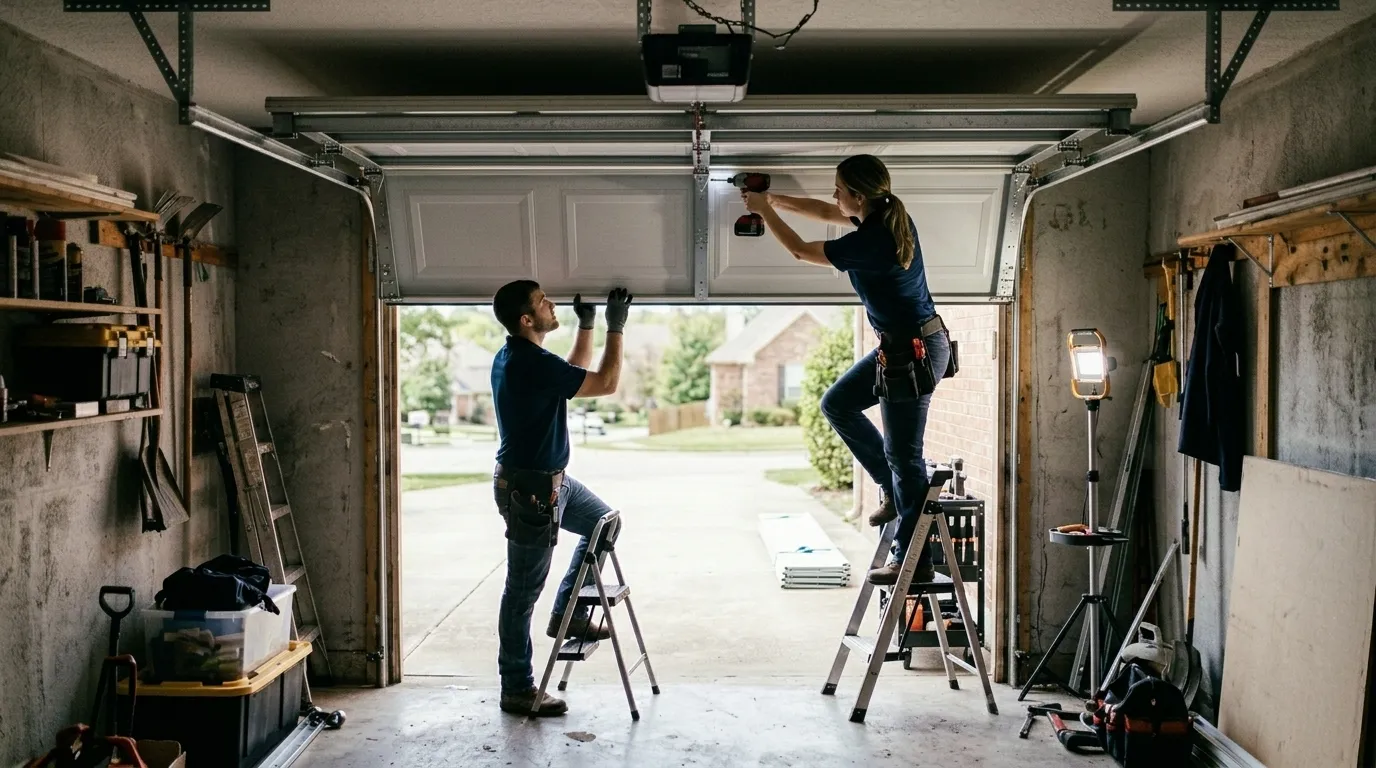
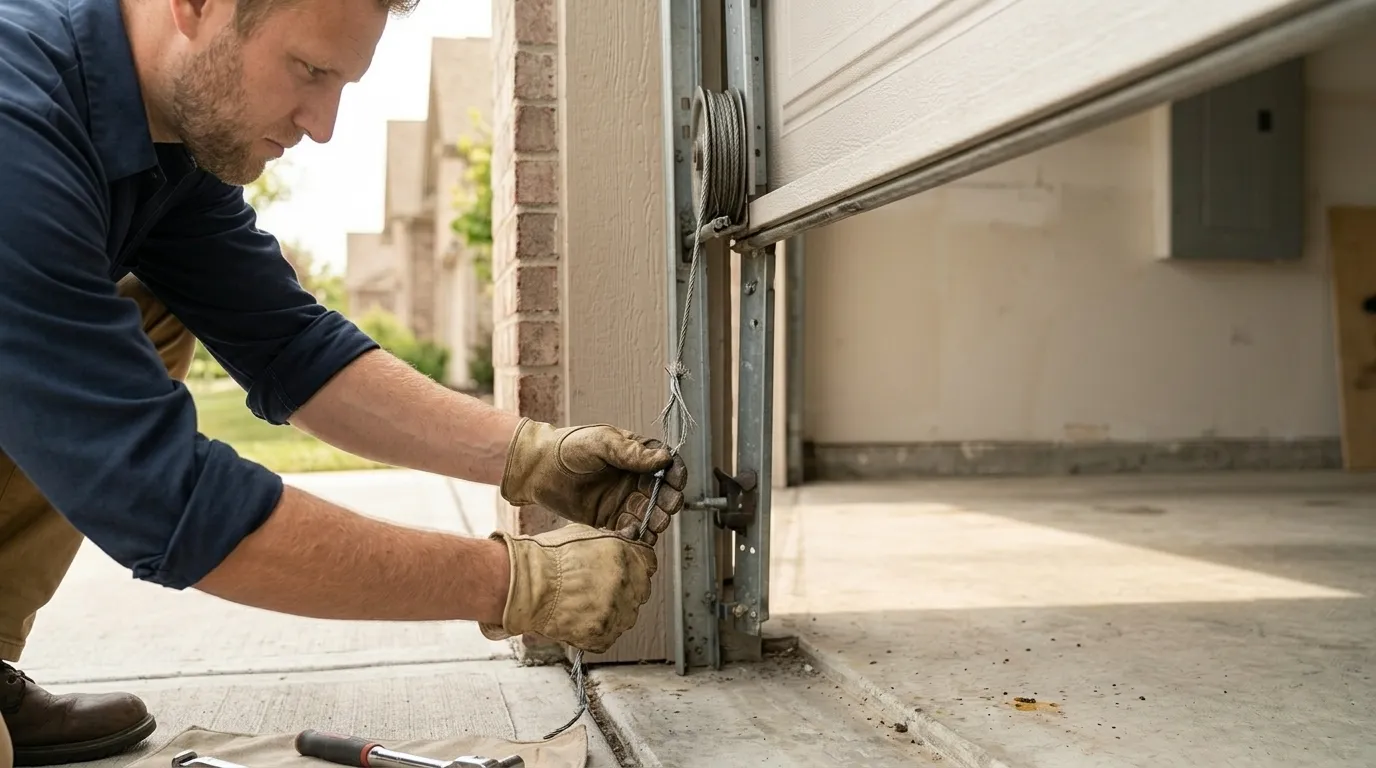
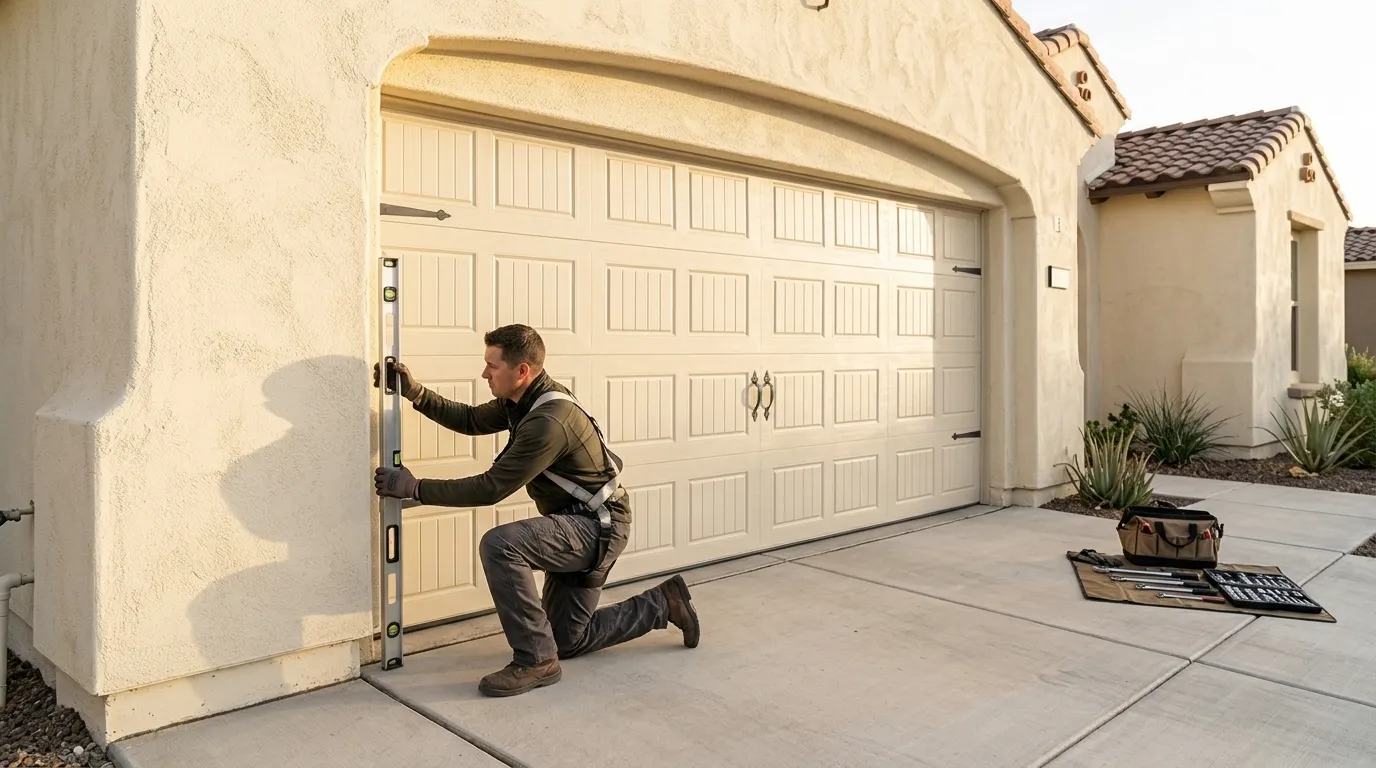
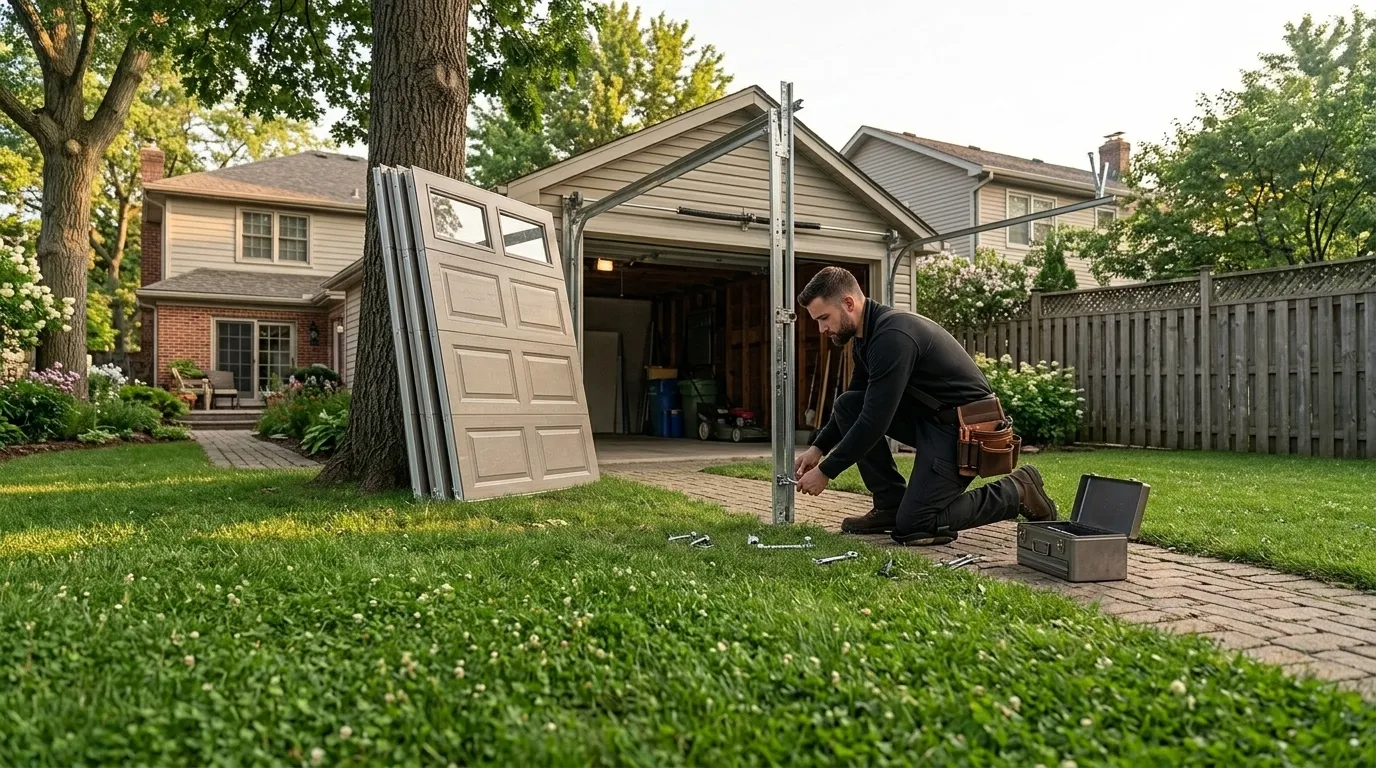
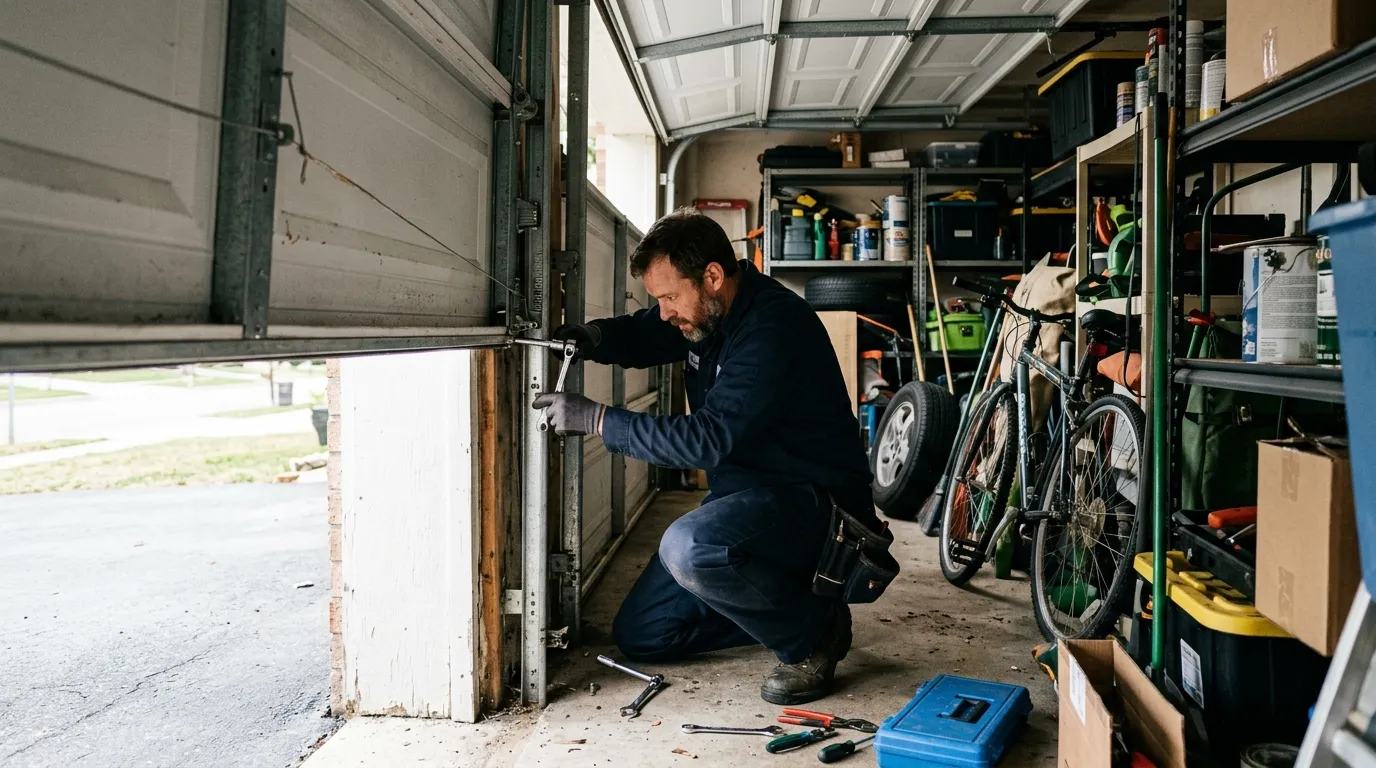
Lucas sits about 8 miles from McKinney, close enough for a same-day truck run without a local depot markup. Most of the calls we get from this side of town aren't emergencies dressed up as one - they're a torsion spring that finally gave out after two decades of daily cycles, or an opener from the original build that grinds, stutters, or just stops responding to the remote. Because Lucas grew up mostly in one stretch of years, a lot of these houses are hitting the same wear points at close to the same time. That's different from a mixed-era neighborhood where failures are scattered and random. Here, when one door on a street needs a spring, the one three doors down is often not far behind. We also see garage doors that were never touched since move-in - original rollers, original cables, original weatherstripping gone brittle. None of that is a crisis on its own, but it adds up, and it's usually why the door starts binding on the track or slamming the last six inches instead of settling down easy. We come out from McKinney for these calls; we don't keep a standing crew or storefront in Lucas itself, just the truck and the parts we're carrying that day.
This Area's Housing
The median home in Lucas was built around 2002, which puts it firmly in the middle of the broader service area's building years - the wider footprint runs from 1971 to 2015 with a median closer to 2005, and Lucas tracks close to that but on the earlier side of the 2000s push. With about 2,724 households here, this isn't a huge area, but it's a fairly uniform one: builder-grade doors, standard door widths, and hardware that was current for the early 2000s and now isn't. Household income in Lucas runs $178,403, well above the wider service area's $109,528 median, and that shows up less in the doors themselves - most builders used the same panel lines regardless of buyer income - and more in what people ask for when something finally fails. We get more requests here for a straight opener upgrade or a full door replacement instead of a patch repair, because people would rather pay once and be done. That's a reasonable call on a door that's over twenty years old, though it isn't automatic - plenty of these doors still have good bones.
What the Housing Means for Your Door
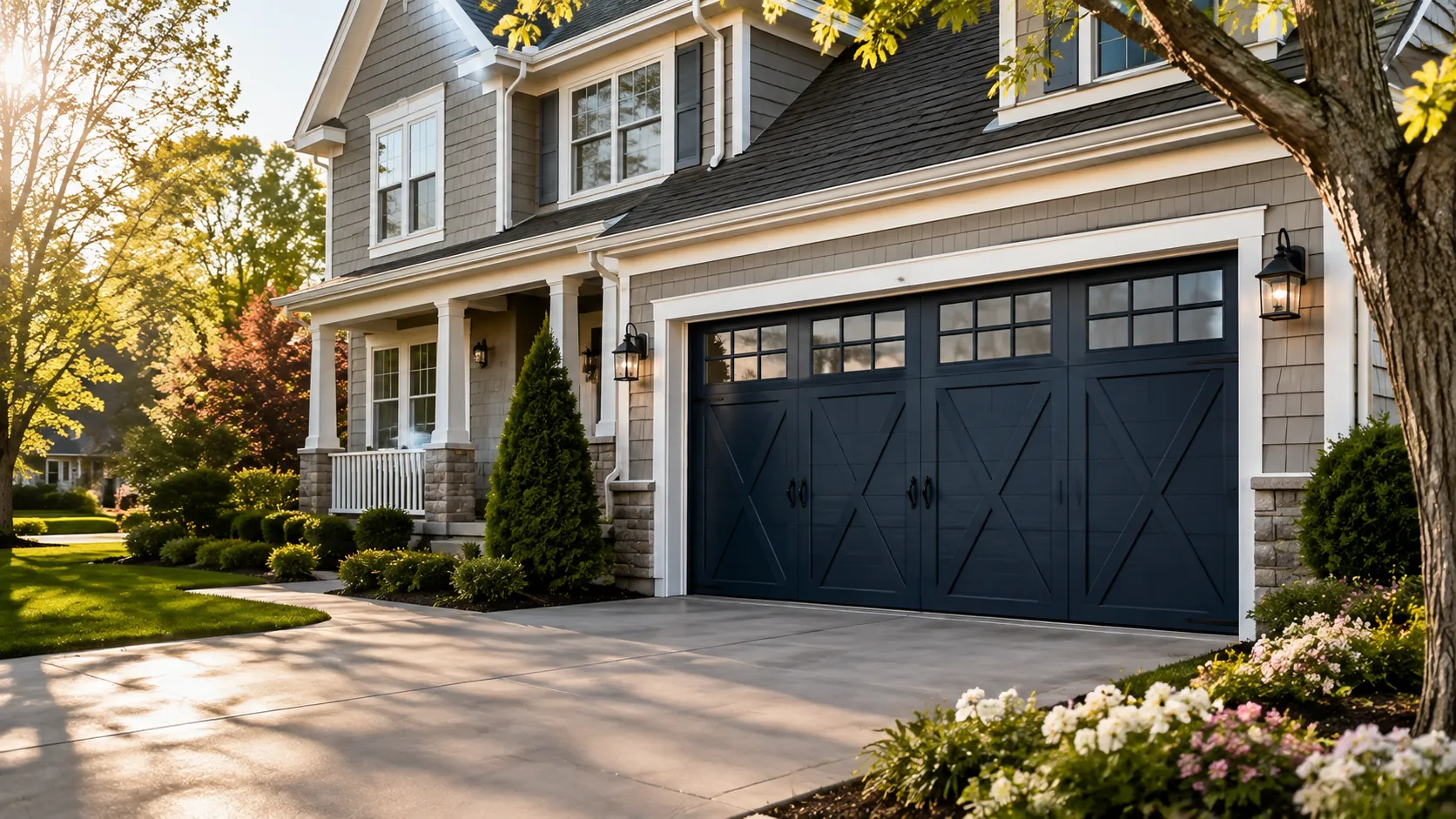
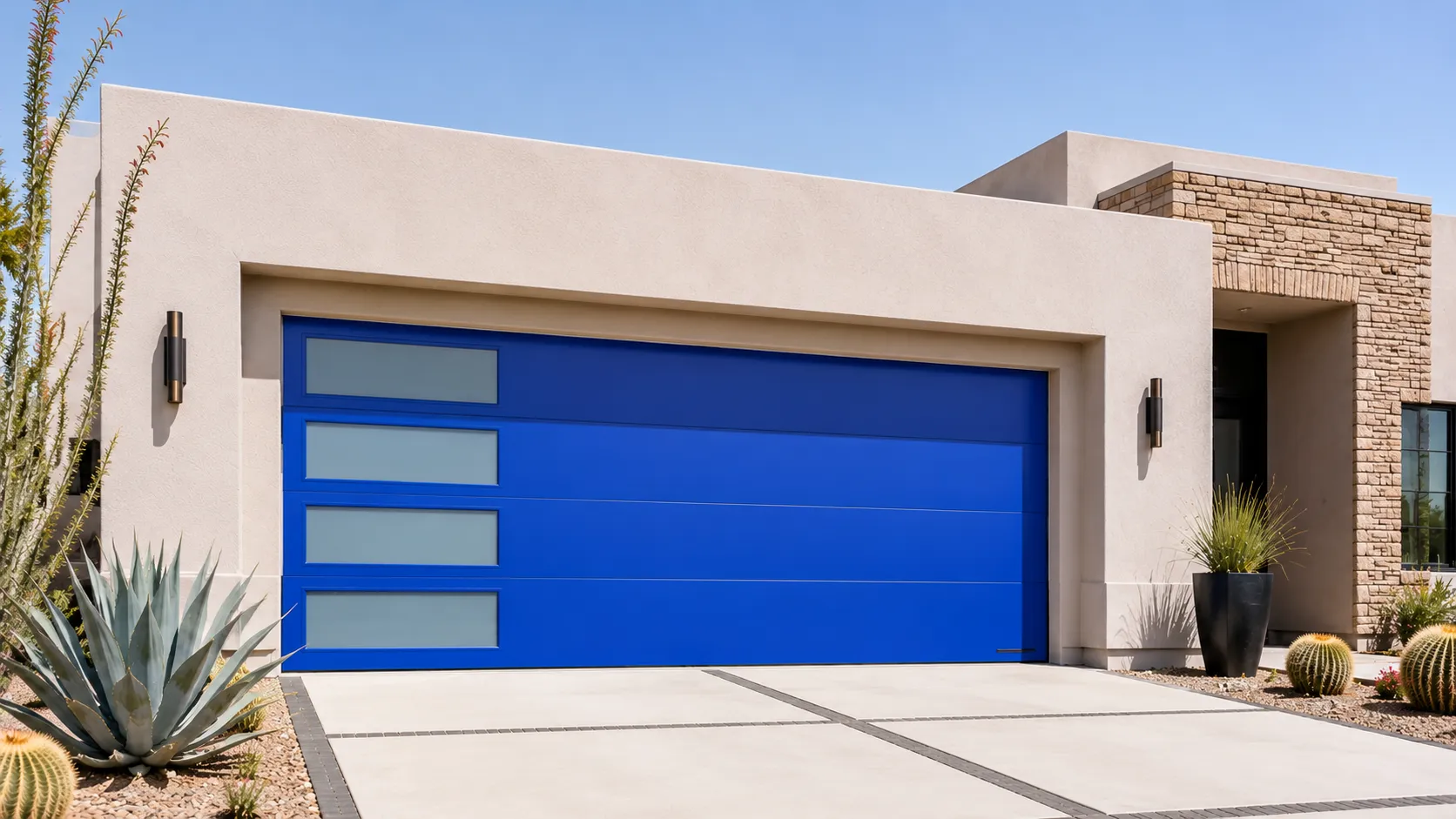
A door built around 2002 was almost certainly a standard steel panel door on side-mounted torsion springs, sized to whatever the builder's plan called for - nothing custom, nothing unusual. That's good news for repair speed, since parts for that generation of hardware are still common. It's less good news for insulation and weight balance, since builder-grade doors from that period often skipped foam-core panels that later became standard, which matters some given the region's moderate heat load on an attached garage. If your door is original to the house, the spring has likely already been replaced once by a previous owner or is due now, and the opener is the part most likely to be the weak link going forward - not because it breaks all at once, but because parts support for units that old gets thinner every year. One honest limit here: if your opener is an obscure or discontinued model from that era, we may not be able to source an exact replacement board, and a full opener swap ends up being the practical answer rather than a repair.