
What People Here Ring About
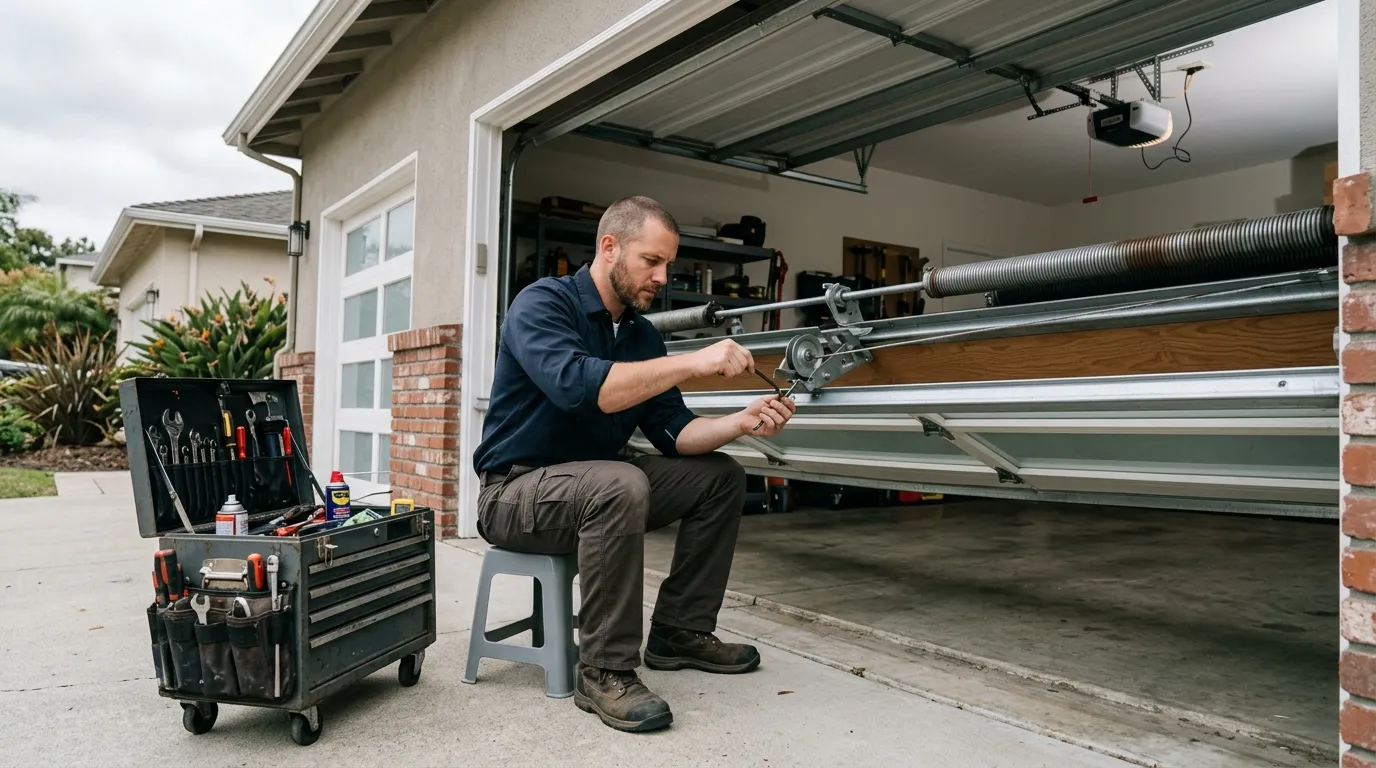
Weston sits about 9 miles from our shop in McKinney, and most of the calls we get from out this way aren't about brand-new openers or fresh installs. They're about doors that have been running since the late 1980s and are finally telling on themselves. A spring that's gone quiet and then lets go all at once. A track that's worked its way out of alignment after thirty-plus years of the door swinging on it. An opener that grinds before it lifts, because the gears inside are original to a unit nobody's touched since it was installed.
With the median home in this area built around 1988, that's not a coincidence - it's the housing stock talking. A door bought new when the house went up is now well past the point where most manufacturers still stock replacement parts for it. We see it often enough out here that it's become the normal call, not the odd one.
We don't have a crew stationed in Weston - we come out from McKinney for every job - but the drive isn't the issue. Matching parts to a door old enough to predate the internet sometimes is.
This Area's Housing
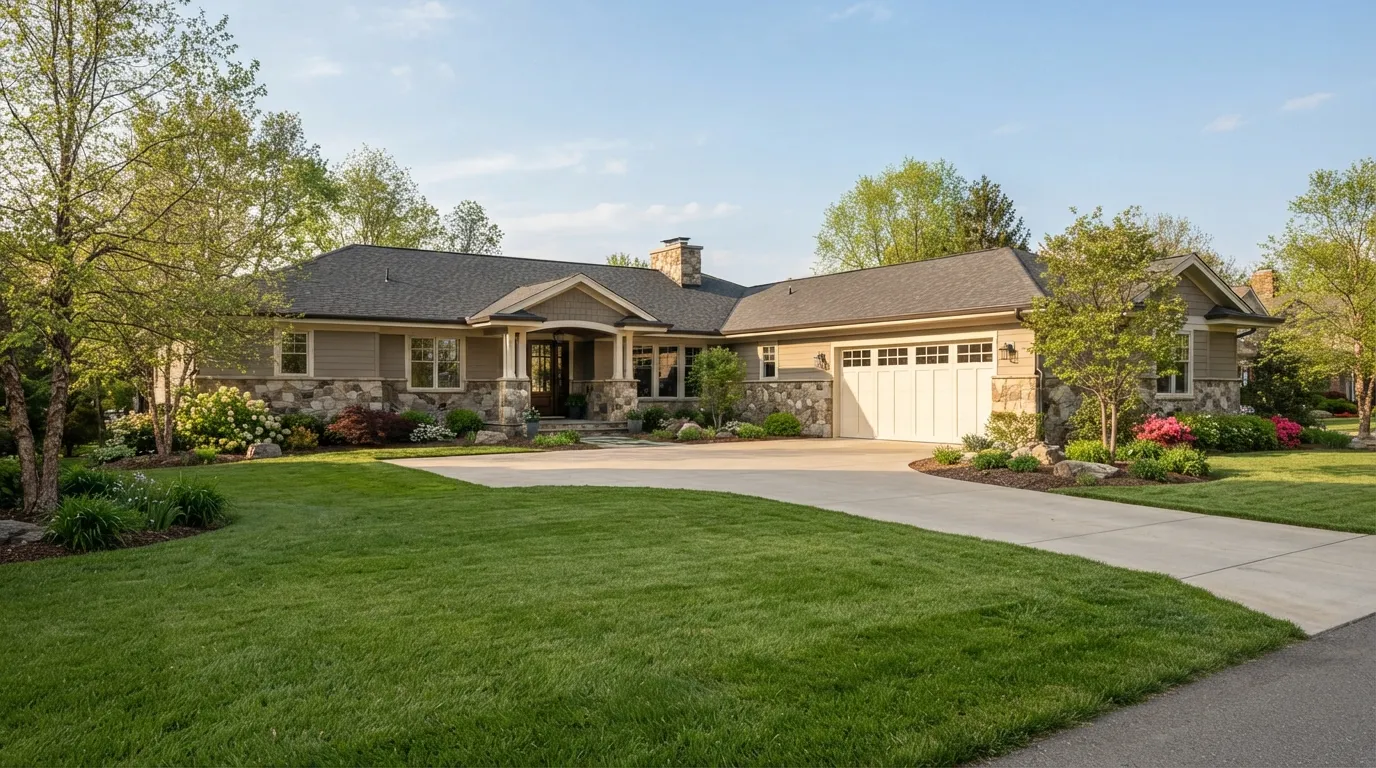
Weston's homes cluster around a median build year of 1988, which puts this area noticeably ahead of the broader service territory, where the typical house went up closer to 2005. That gap matters more than it sounds like on paper. A door built in the late '80s runs different spring hardware, different track gauge, and often a different opener drive than anything installed in the 2000s.
This is also a small, tight area - about 73 households, by the numbers we have - which means it's not a subdivision full of identical builder-grade doors from one developer's catalog. Houses here were more likely built and outfitted one at a time, so the doors and openers vary more than they would in a newer, mass-built neighborhood.
Median household income in the area runs around $88,750. That's solid, but it's not the kind of number that means everyone's ready to swap out a working door just because it's old. Most of the calls we get here are repair-first, and that's usually the right call anyway - a 1988 door with good bones and a fresh spring can run another decade without complaint.
What the Housing Means for Your Door
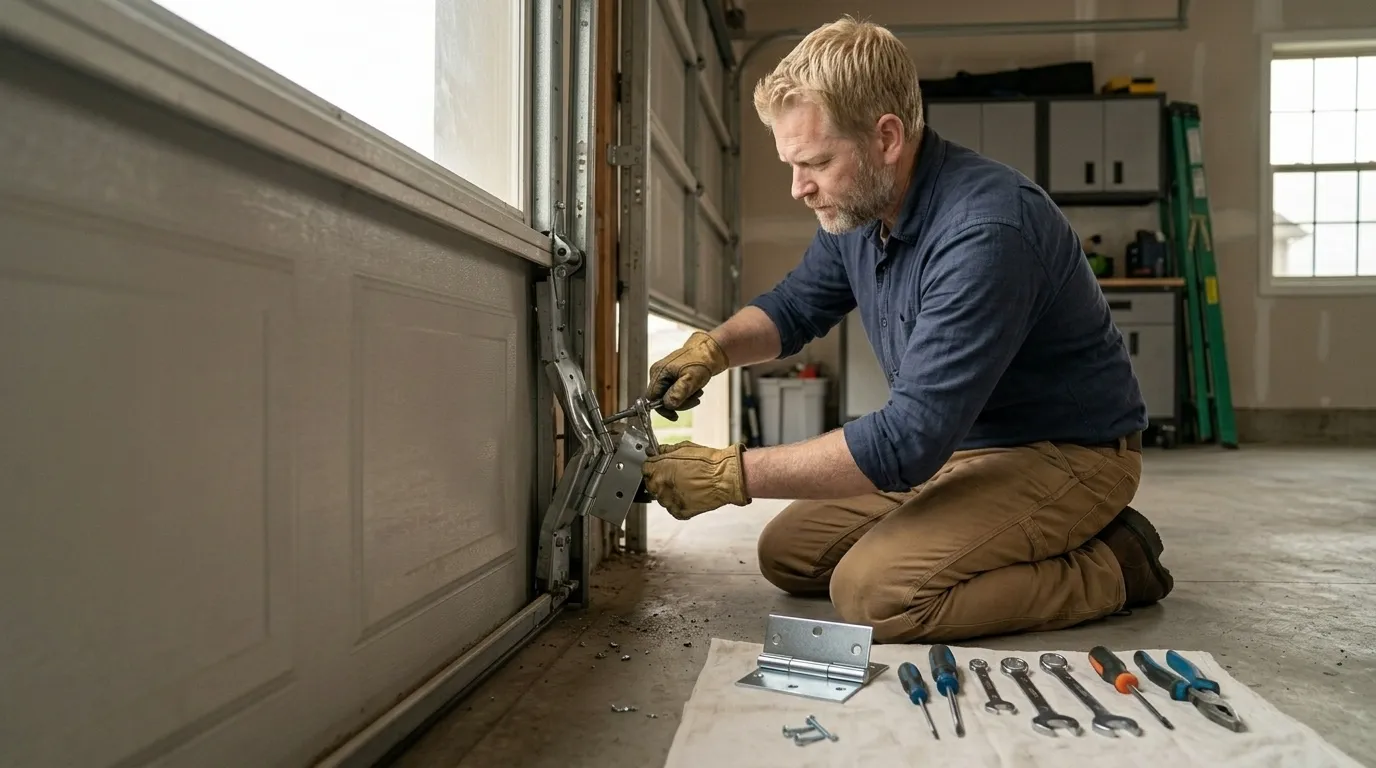
The short version: a house built around 1988 has a garage door system built to 1988 assumptions, and those assumptions don't always match what's sold in stores today. Spring wire gauge, drum size, even the width of the track can be slightly off from current standard parts, which means a repair sometimes takes an extra step to source the right piece rather than grabbing something off a shelf.
We're honest about where that leads: if a door's hardware is worn enough and old enough that we're hunting down non-standard parts every time something fails, full replacement often ends up cheaper over a few years than repeated one-off repairs. We won't push that on a door that's still got life in it - but we won't pretend a 35-year-old system is going to keep taking spot fixes forever either.
Because we're driving out from McKinney for every visit here, we plan the trip around what the door actually needs rather than trying to squeeze in a quick guess. That's slower up front but it means we're not back out to Weston twice for the same problem.