What People Here Ring About
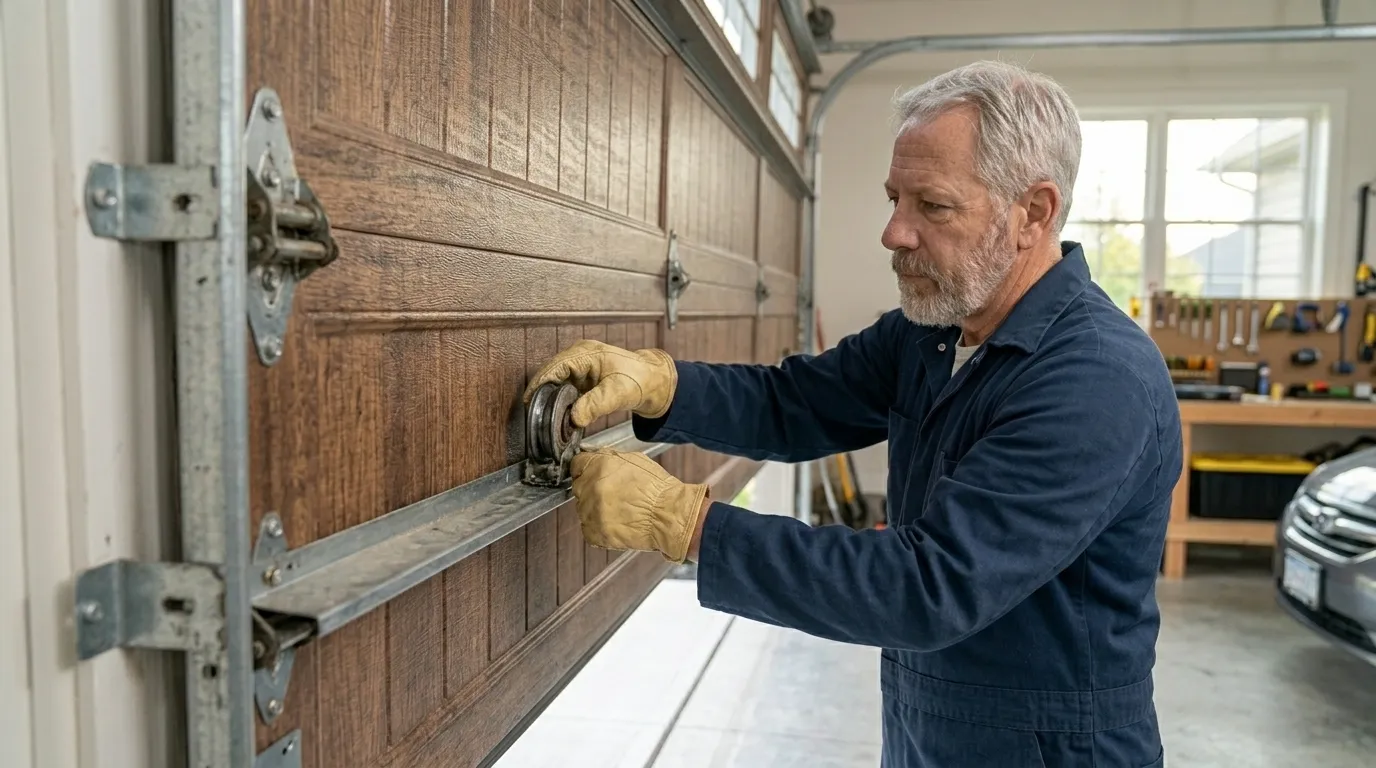
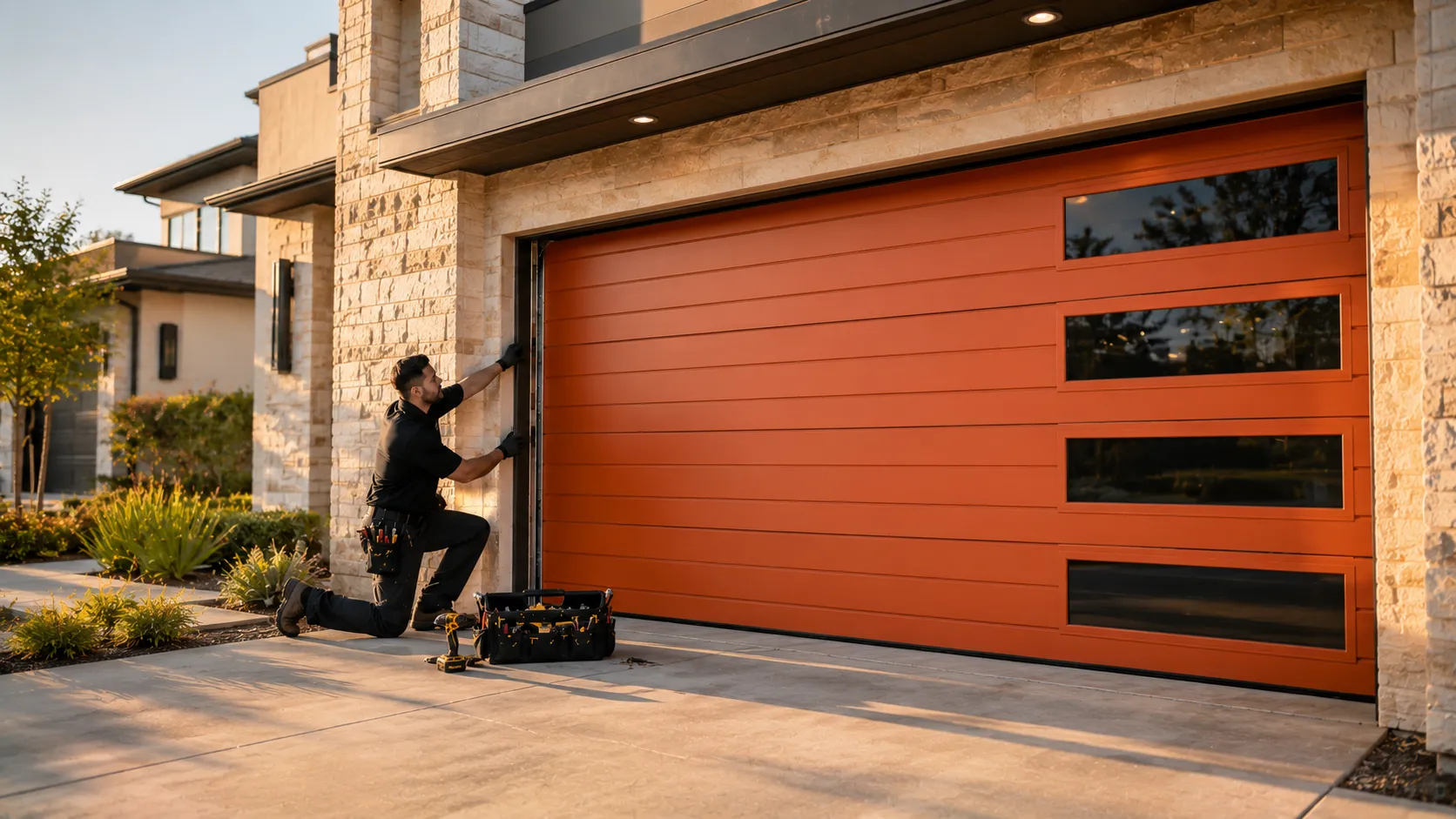
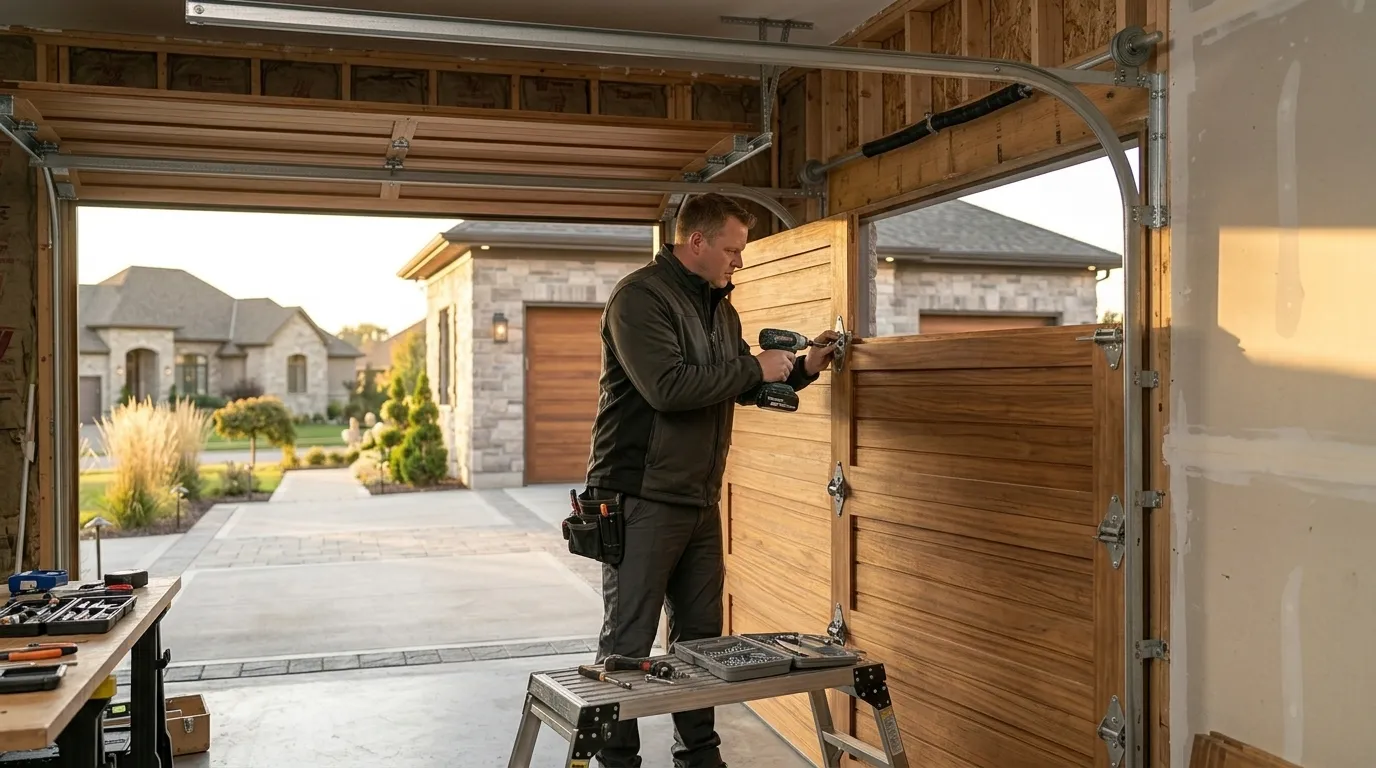
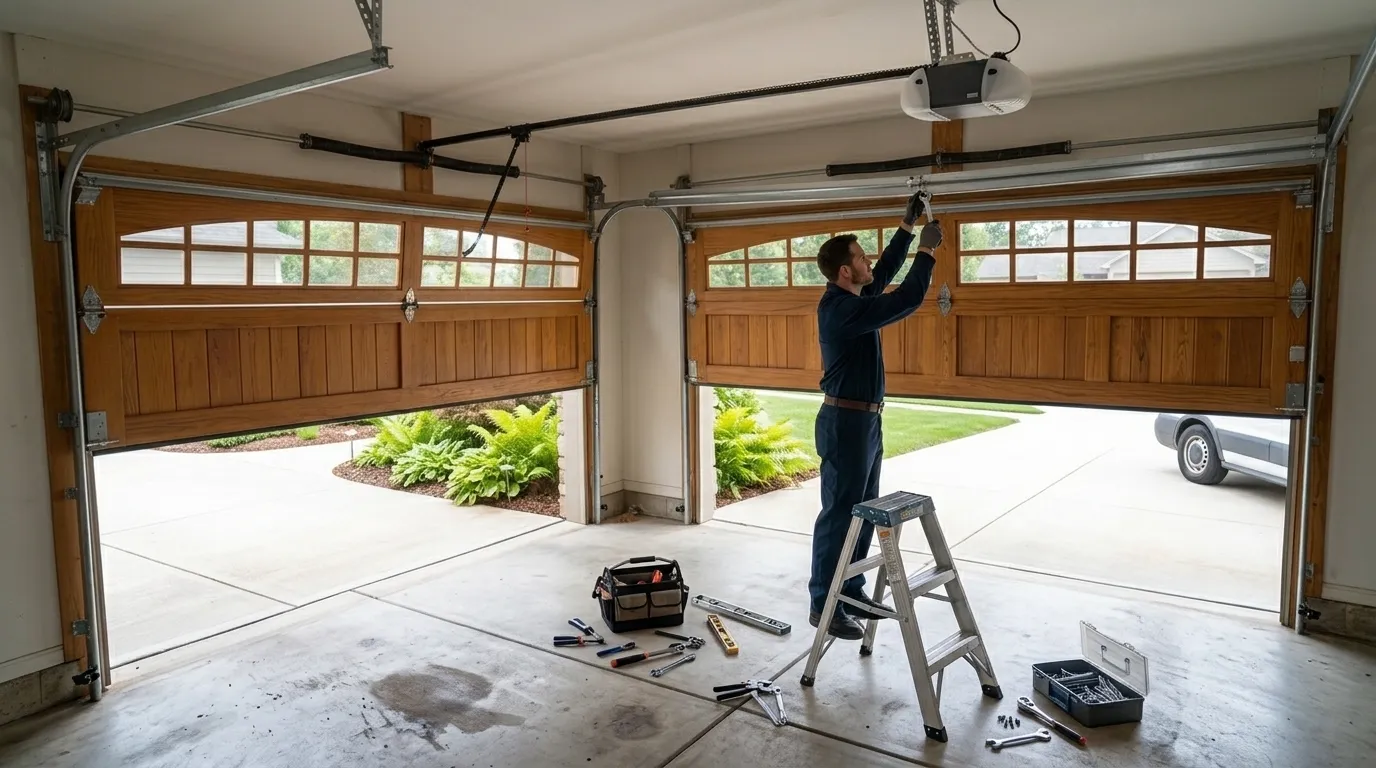
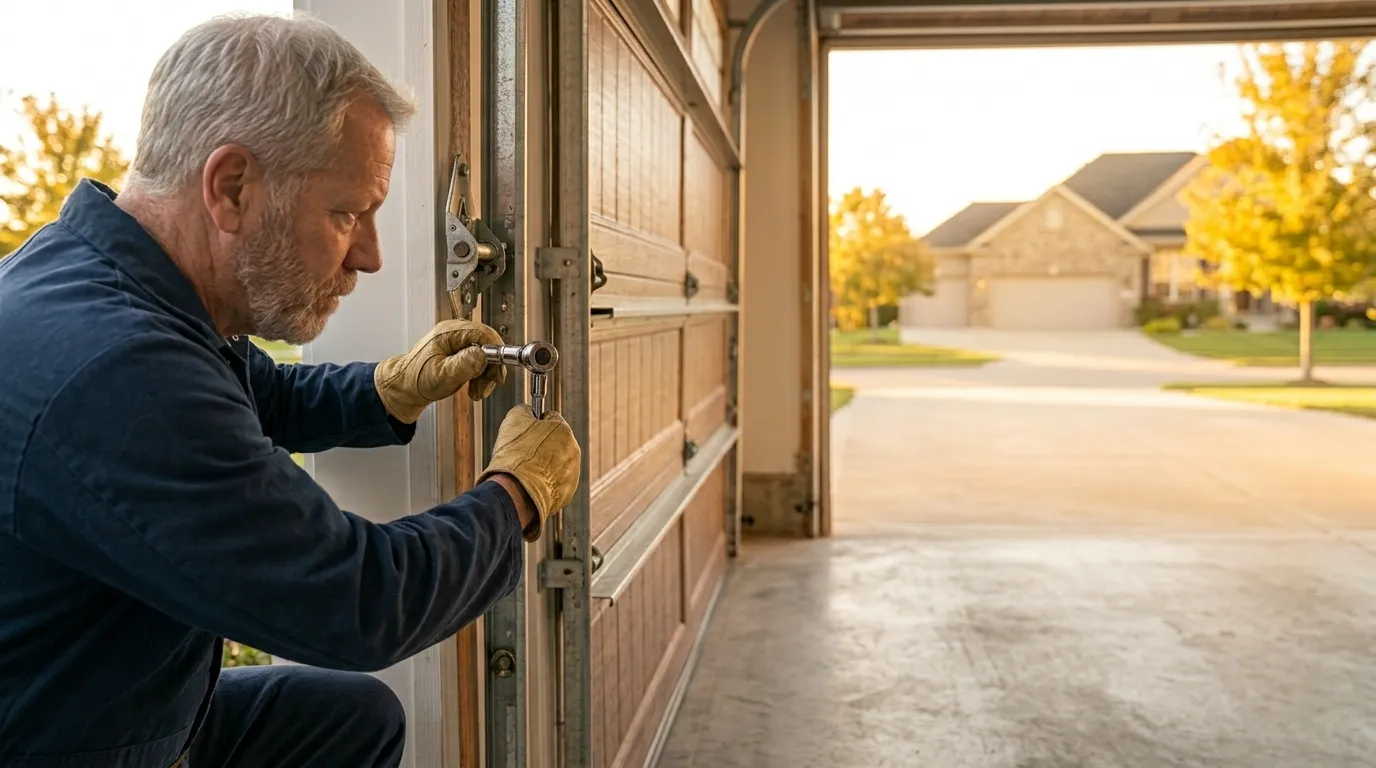
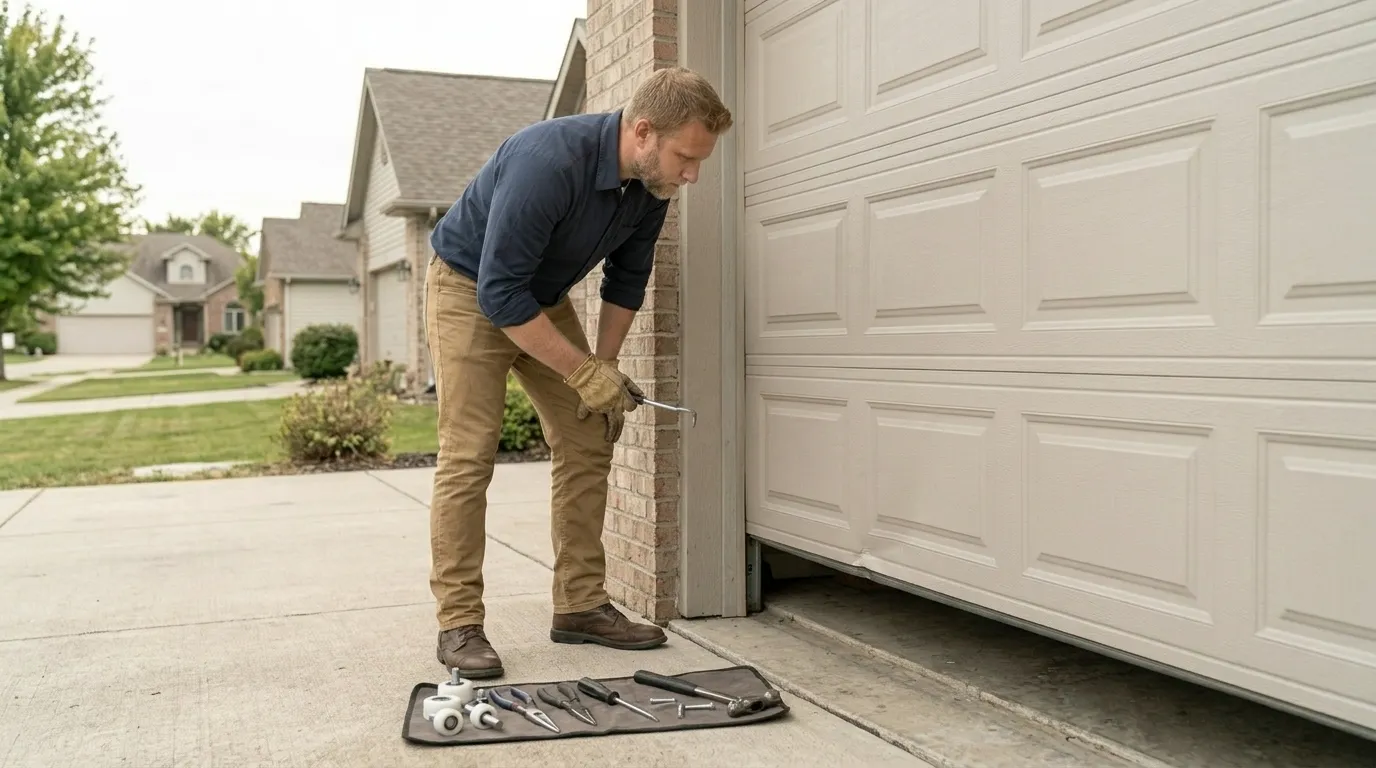
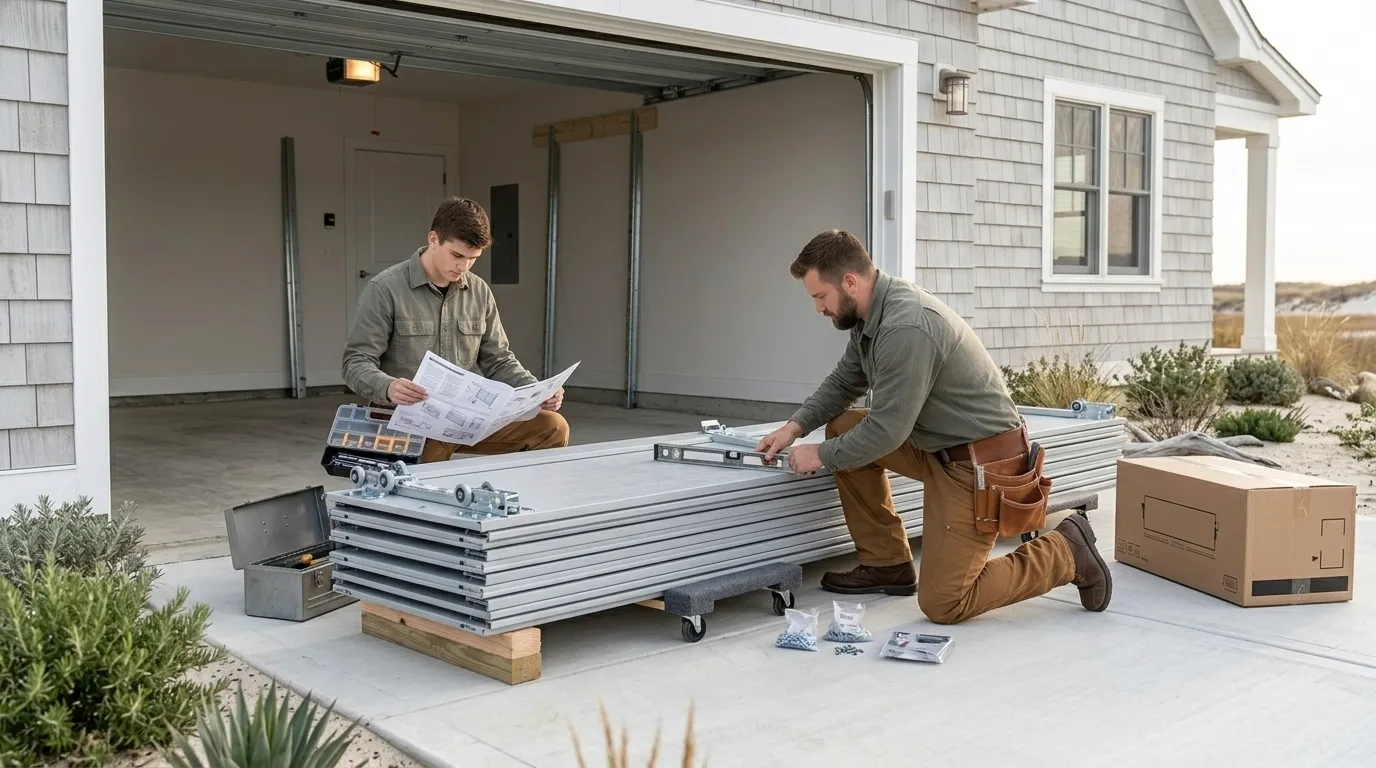
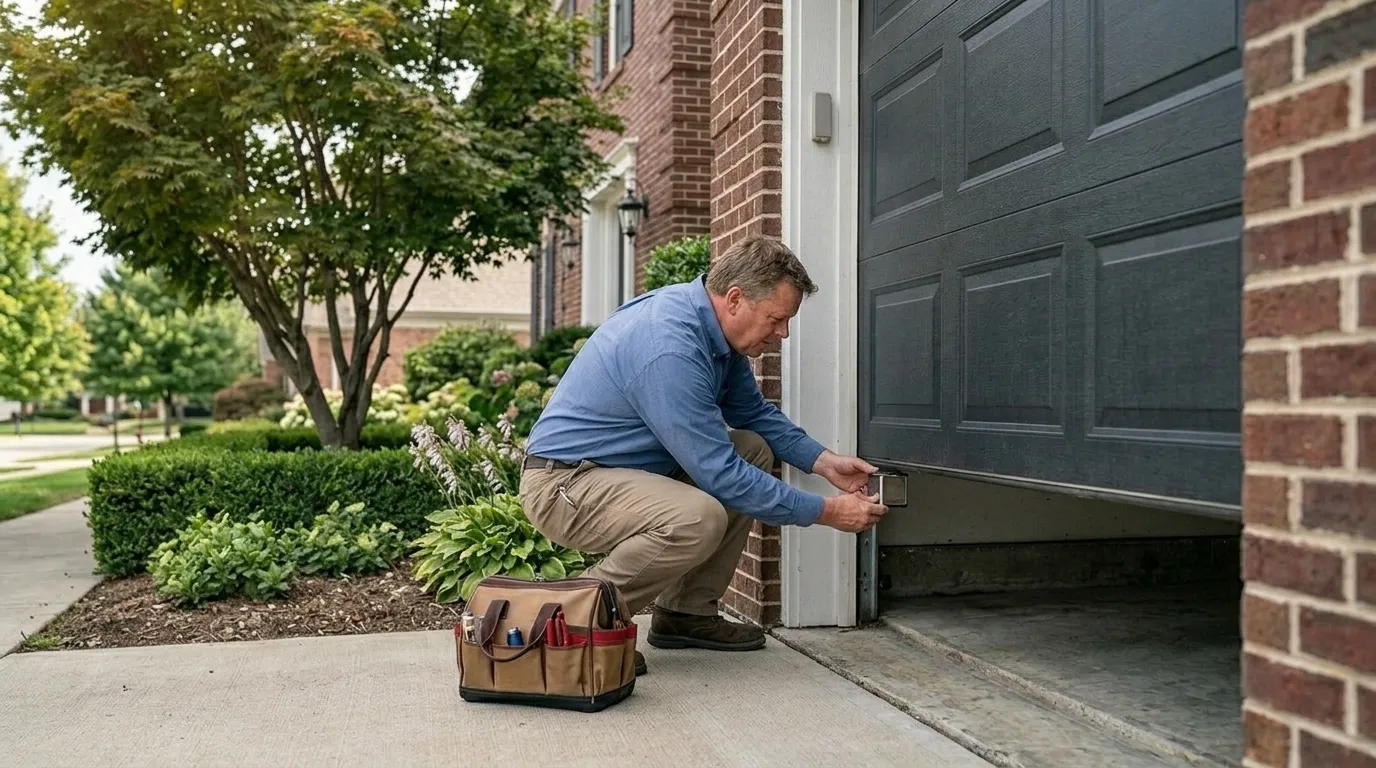
Most of the calls we get from St. Paul are about torsion springs going out on doors that are pushing 20-plus years old. Homes here were mostly built around 2000, so a lot of original springs are at or past the end of their cycle count and start showing it as a loud bang or a door that won't budge past a foot off the floor. We also hear from people whose openers are original to the house and have started grinding on the way up, which is a chain gear wearing out rather than the motor itself. Because St. Paul sits about 12 miles out from our McKinney shop, we ask a few questions up front about the door's age and symptoms so we roll out with the right spring size and cable length instead of guessing. It saves a second trip. We don't stock every part on the truck for every job, so if a job needs an odd-width track or a discontinued panel, we're upfront that it may take an extra day to get the piece rather than pretending we can fix it same-visit.
This Area's Housing
St. Paul's houses cluster tighter in age than you might expect for a rural-edge community - the bulk of what's here went up right around 2000, which puts it a few years ahead of the wider service area's 2005 median. That means most garage doors and openers in St. Paul are hitting the same wear point at roughly the same time, rather than being spread across decades like you'd see in an older suburb. With around 324 households in the area, it's a small enough pocket that the door hardware tends to be consistent from block to block: same-era torsion systems, same generation of chain-drive openers, same steel panel styles. Median household income here runs about $124,500, which is higher than the wider McKinney-area figure of $109,528, and we notice it in the calls - more owners asking for a full opener upgrade or insulated panel replacement instead of patching the old one along.
What the Housing Means for Your Door
Because St. Paul's housing sits right around that 2000 build year, the springs, cables, and drums going bad right now are almost all original equipment nearing the same failure point - this isn't a scattershot mix of old and new hardware, it's one generation of parts aging out together. That's different from the broader service area, where the median build year runs closer to 2005 and the failure pattern is more spread out. For St. Paul homeowners, it means if one neighbor's spring just went, yours is probably not far behind on the same clock, and if you're planning ahead rather than waiting for the bang, replacing a spring before it snaps is the cheaper visit. It also means opener upgrades make sense here: a chain-drive unit from 2000 is well past the point where parts are getting harder to source, and given the income level in this area, most owners we talk to are ready to replace rather than nurse it along another year.