
What Causes It Around Here
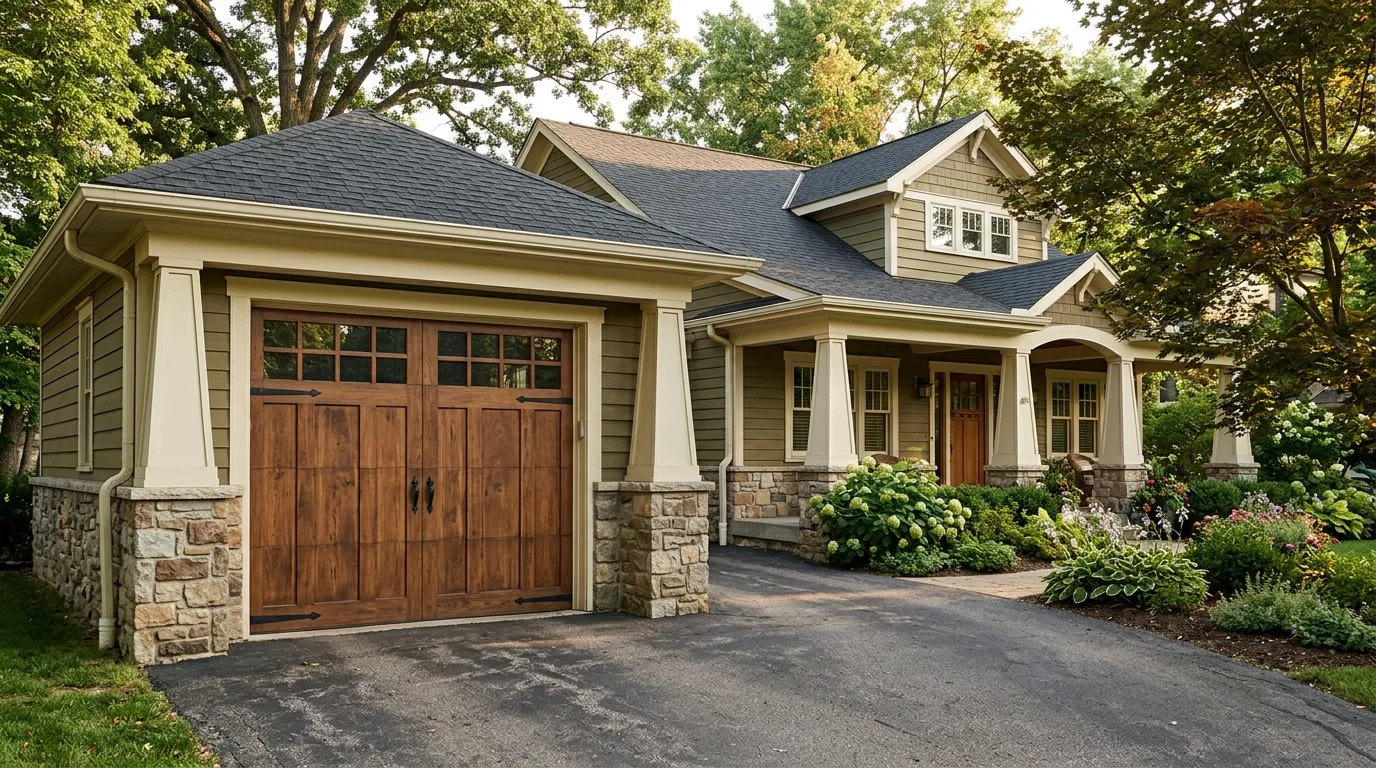
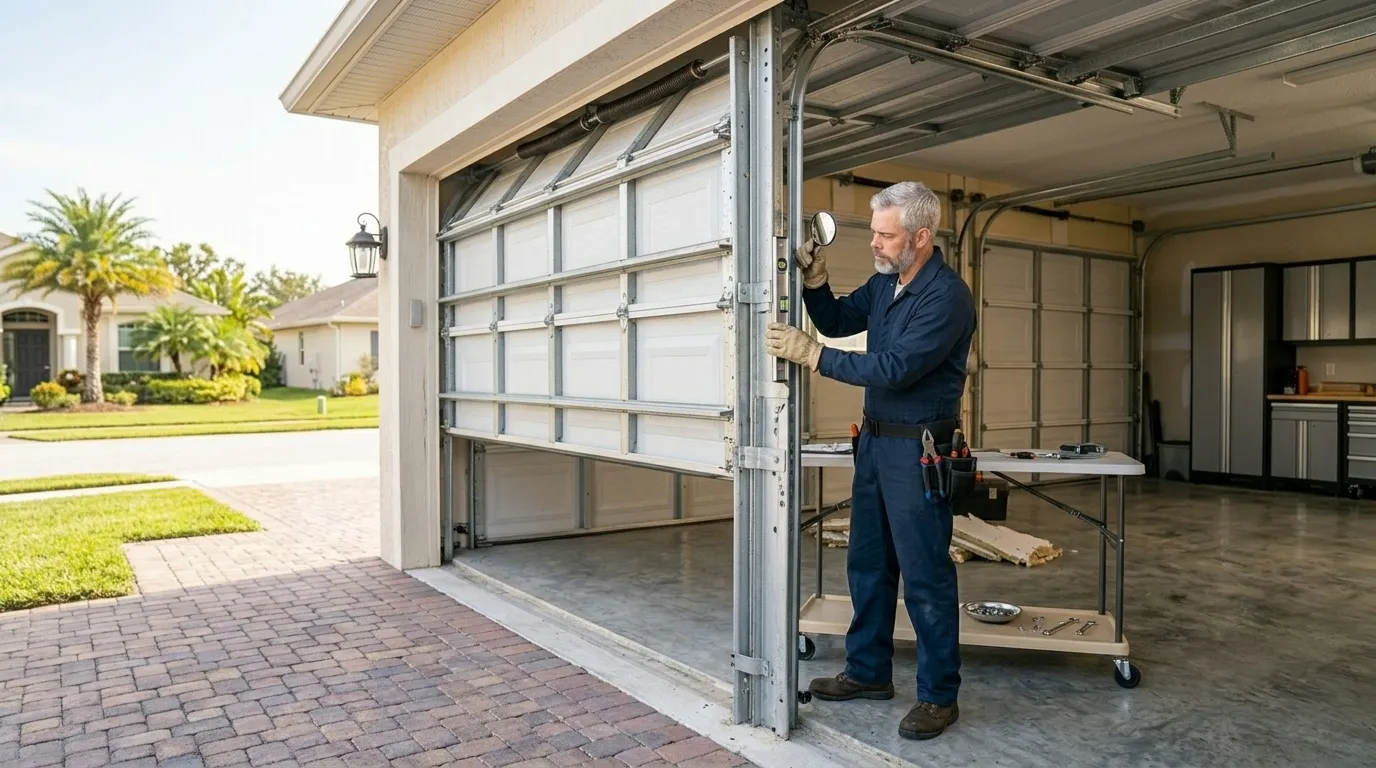
Parker's housing stock is young by North Texas standards, with a median build year of 2005 and most homes going up as part of the same wave of development that shaped the 2000s stock across this whole service area. That matters for rollers because builder-grade doors from that era almost never shipped with anything better than stamped steel 7-ball rollers on plain sleeve bearings. No nylon, no sealed bearing units, just steel on steel riding a galvanized track. Fifteen to twenty years of that combination wears a groove into the roller stem and pits the track wall, and it's usually louder before it's broken.
The moderate heat band this area sits in doesn't crack rollers the way a harsher climate would, but summer heat still swells door panels enough to change roller alignment slightly, season to season. Combine an aging steel roller with a track that's a hair off true and you get the grinding, catching sound that brings most Parker calls in. It's rarely one bad roller. Once one wears unevenly, the door racks a little on every cycle and speeds up wear on the rest.
Booking a Visit
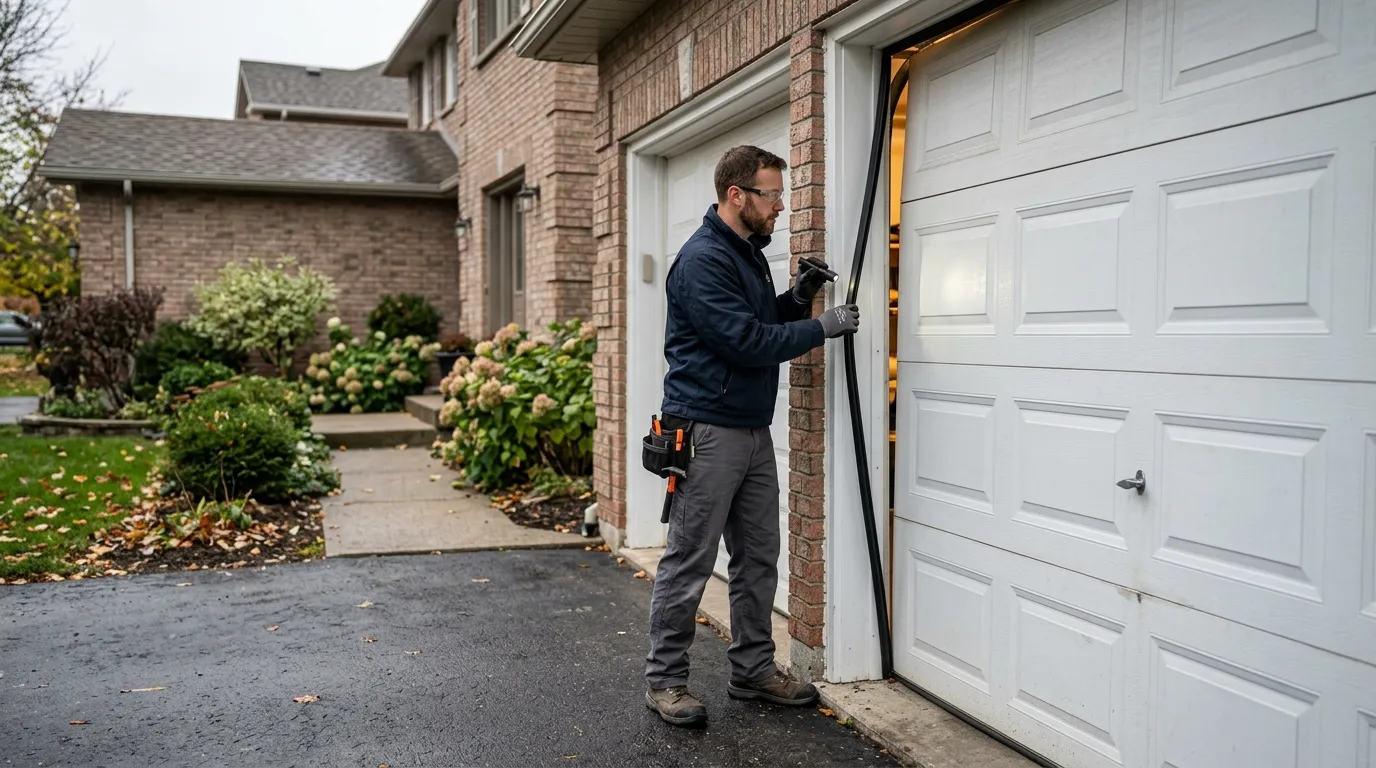
We come out to Parker from McKinney, about 10 miles up the road, so a roller job here isn't a same-hour walk-in the way it might be for a job closer to the shop. Tell us the door's rough age when you call - if your house is part of that 2005-median wave, we already have a good guess at what's on the track before we arrive.
We don't quote a fixed response window for Parker specifically, and we're not going to invent one here. What we can tell you is that we bring the parts most likely to fit a builder-grade steel door from that build era, so most jobs are a single visit rather than a diagnose-then-return.
What Is on the Truck
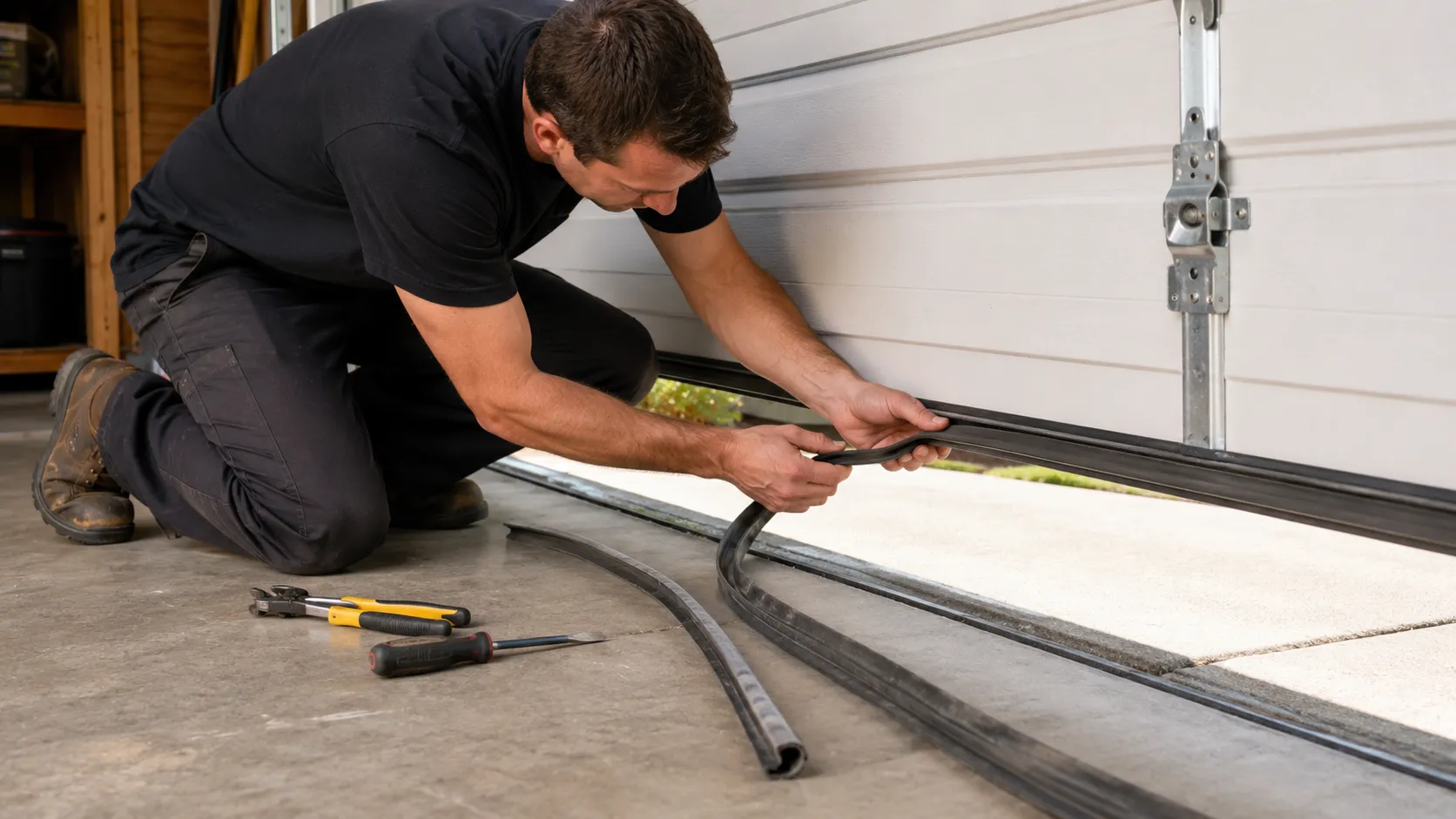
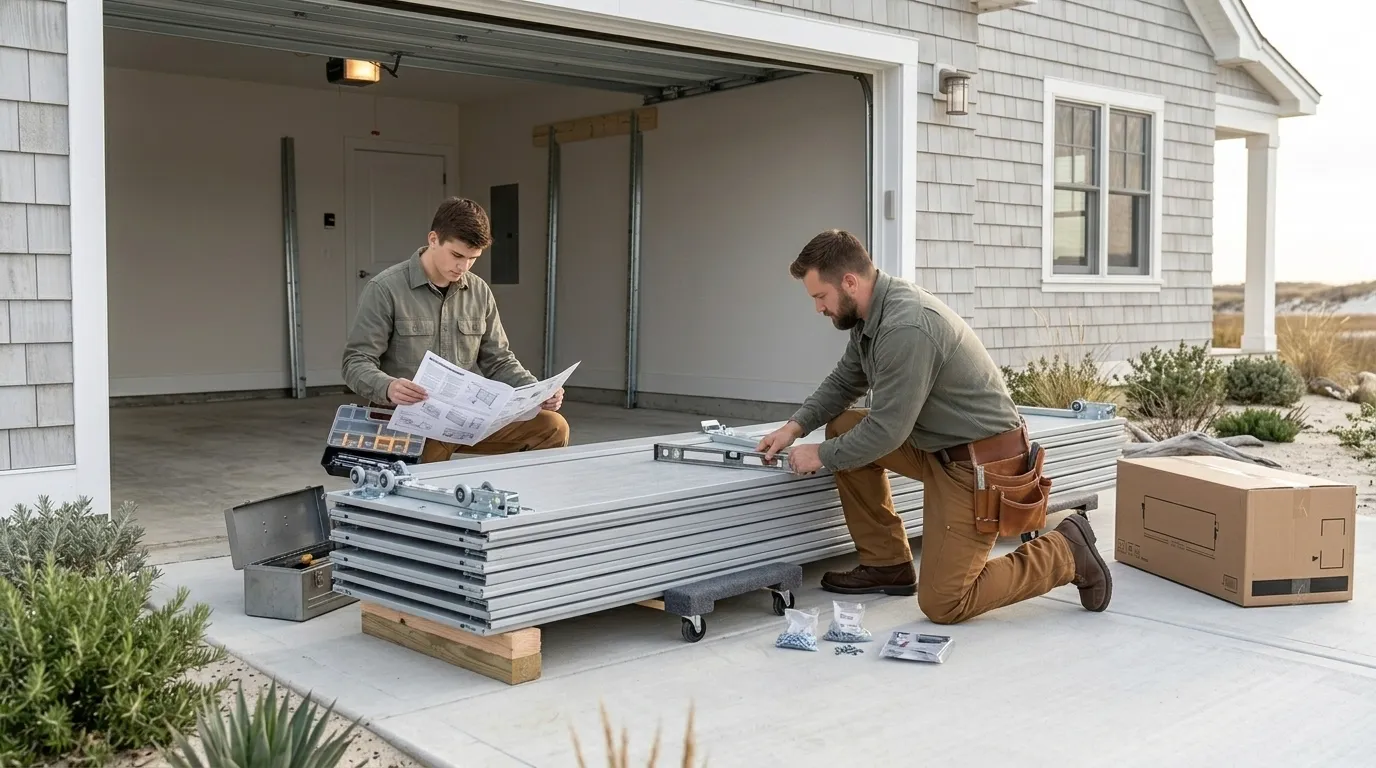
For a 2000s builder-grade door, we carry steel 7-ball rollers as a direct swap, plus nylon rollers with sealed bearings for anyone who wants the quieter upgrade instead of matching the original spec. Both fit standard track widths used on doors from that build period. We also carry track sections and hinges, because a worn roller job on an out-of-plumb track often means replacing a short run of track at the same time rather than just the rollers.
What we don't carry, and won't pretend to: rollers or track hardware sized for older doors built before the 1970s wave. If your house predates the newer stock that makes up most of this area, or you've got an older door on the property, we'll tell you on-site rather than guess.
The DIY Question
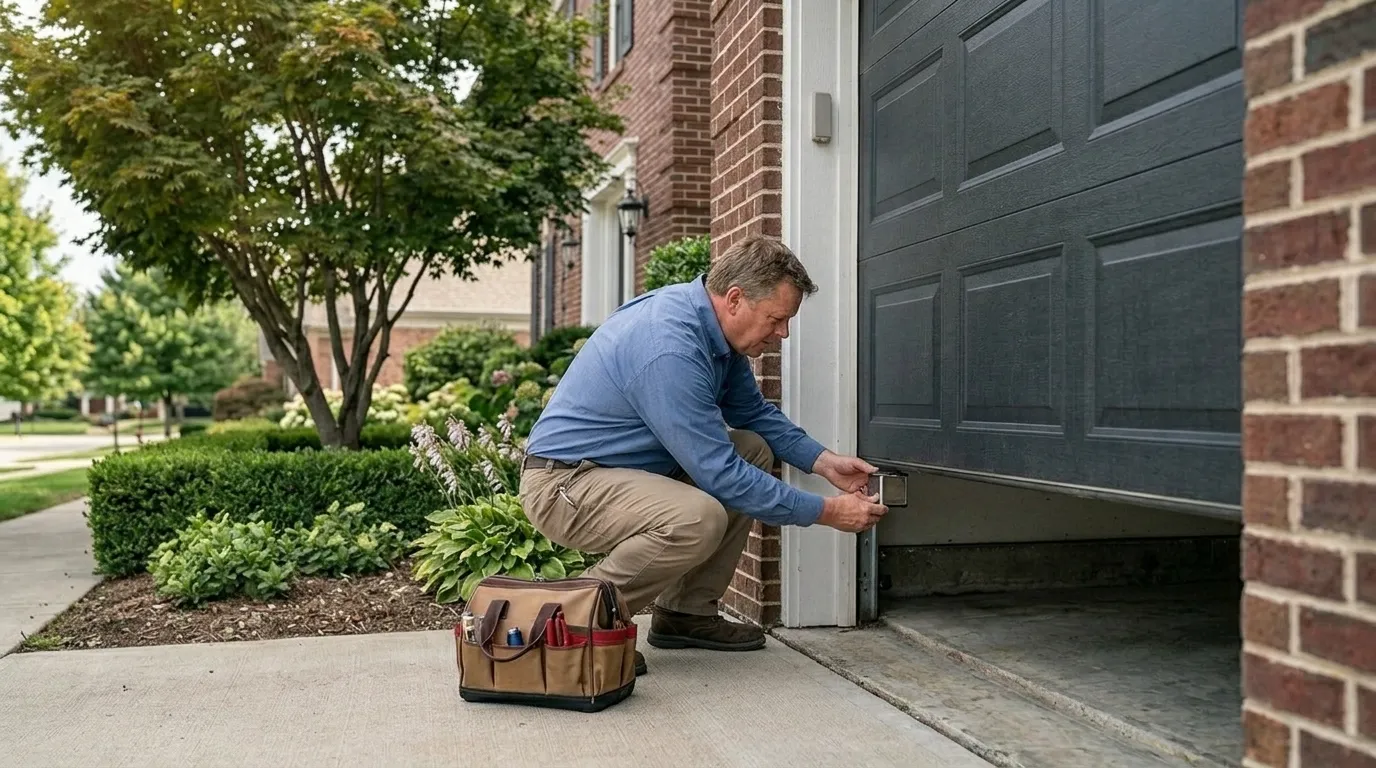
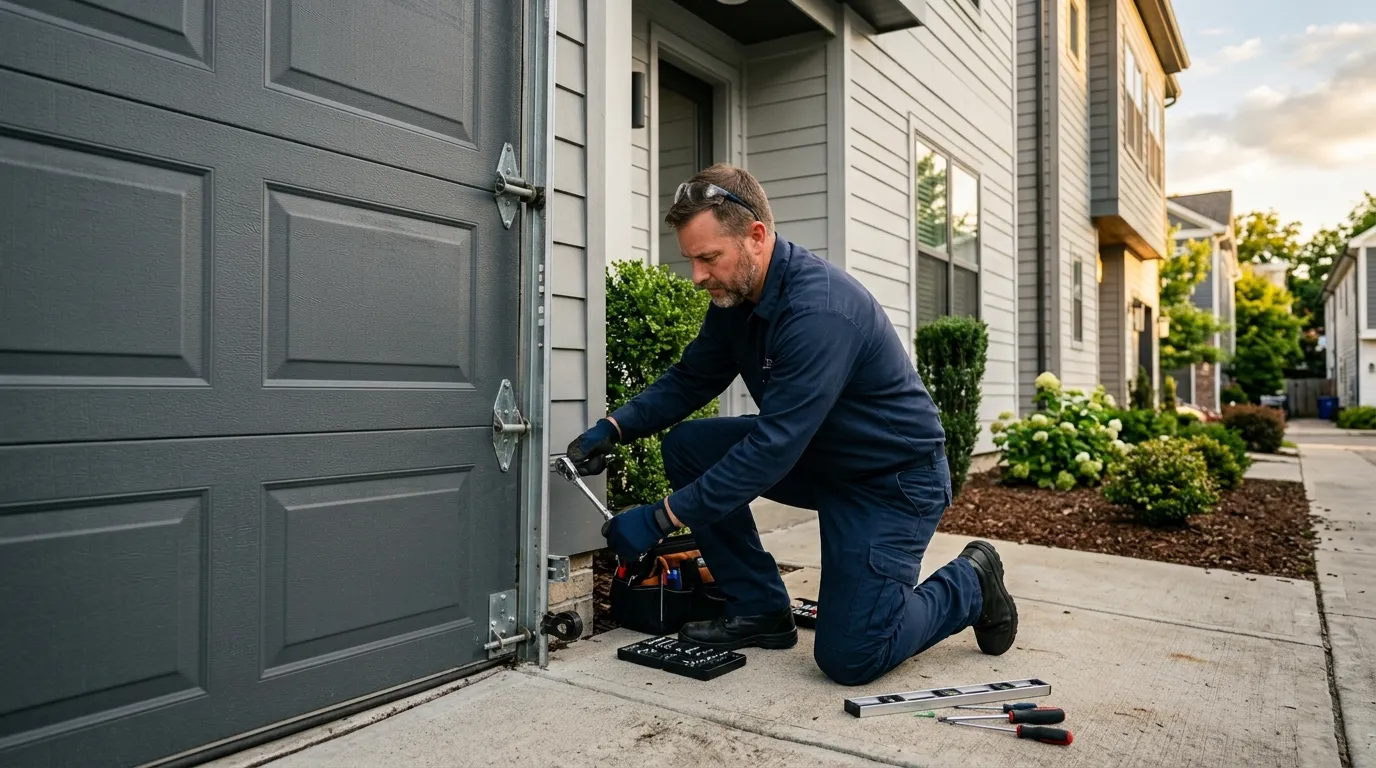
Swapping a single roller on an unlocked, unpowered door is within reach for a homeowner who's comfortable with basic tools and knows to never put a hand near a torsion spring. If it's genuinely one roller and the track is straight, a nylon roller kit from a hardware store and twenty minutes will do it.
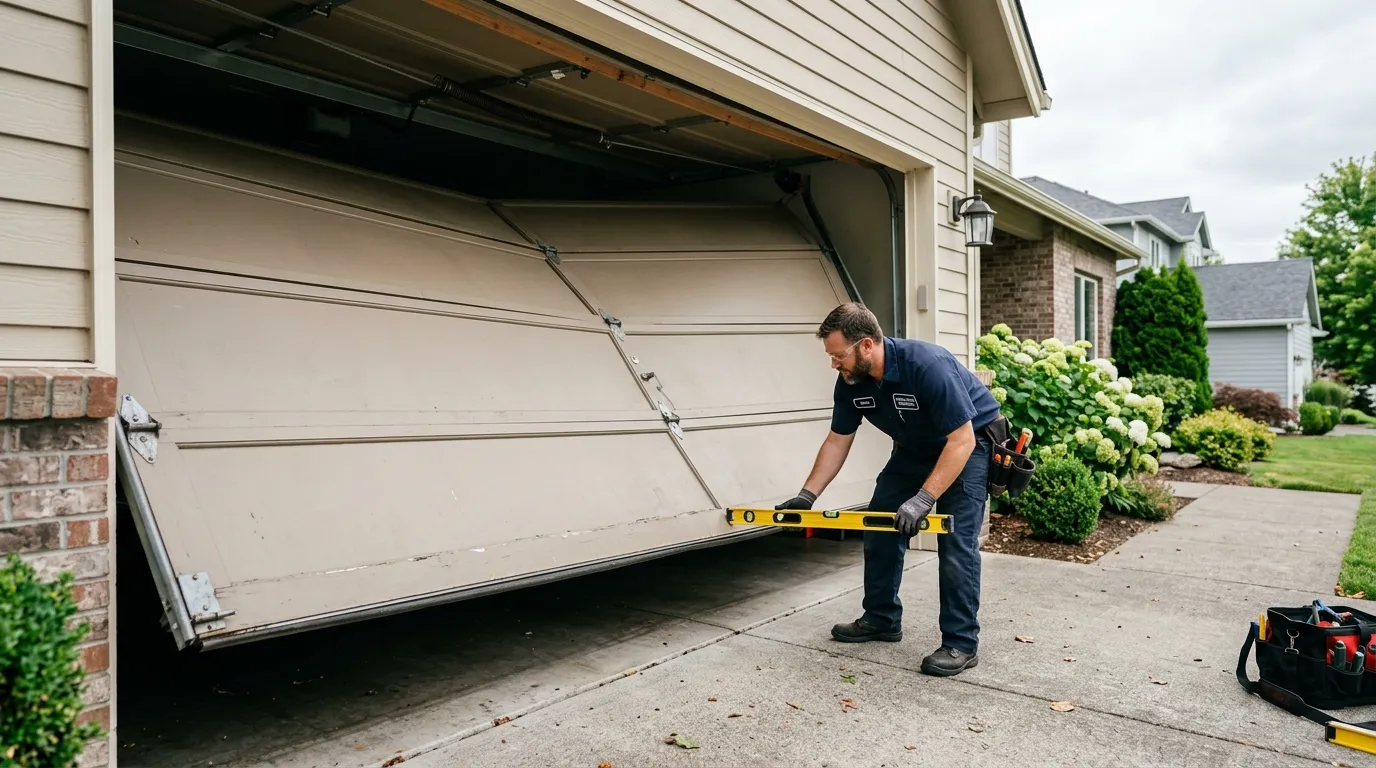
Where we'd tell you to stop and call instead: if more than two rollers on one side are worn, if the door drags or binds partway through its cycle, or if you can see the track pulling away from the wall bracket. That's alignment work, and doing it wrong on a door this size can bend a track section that then needs full replacement instead of a $20 part. Given the income and home values in Parker, most owners here are replacing rather than patching a marginal door anyway - but that's a call worth making with eyes on the actual hardware, not over the phone.