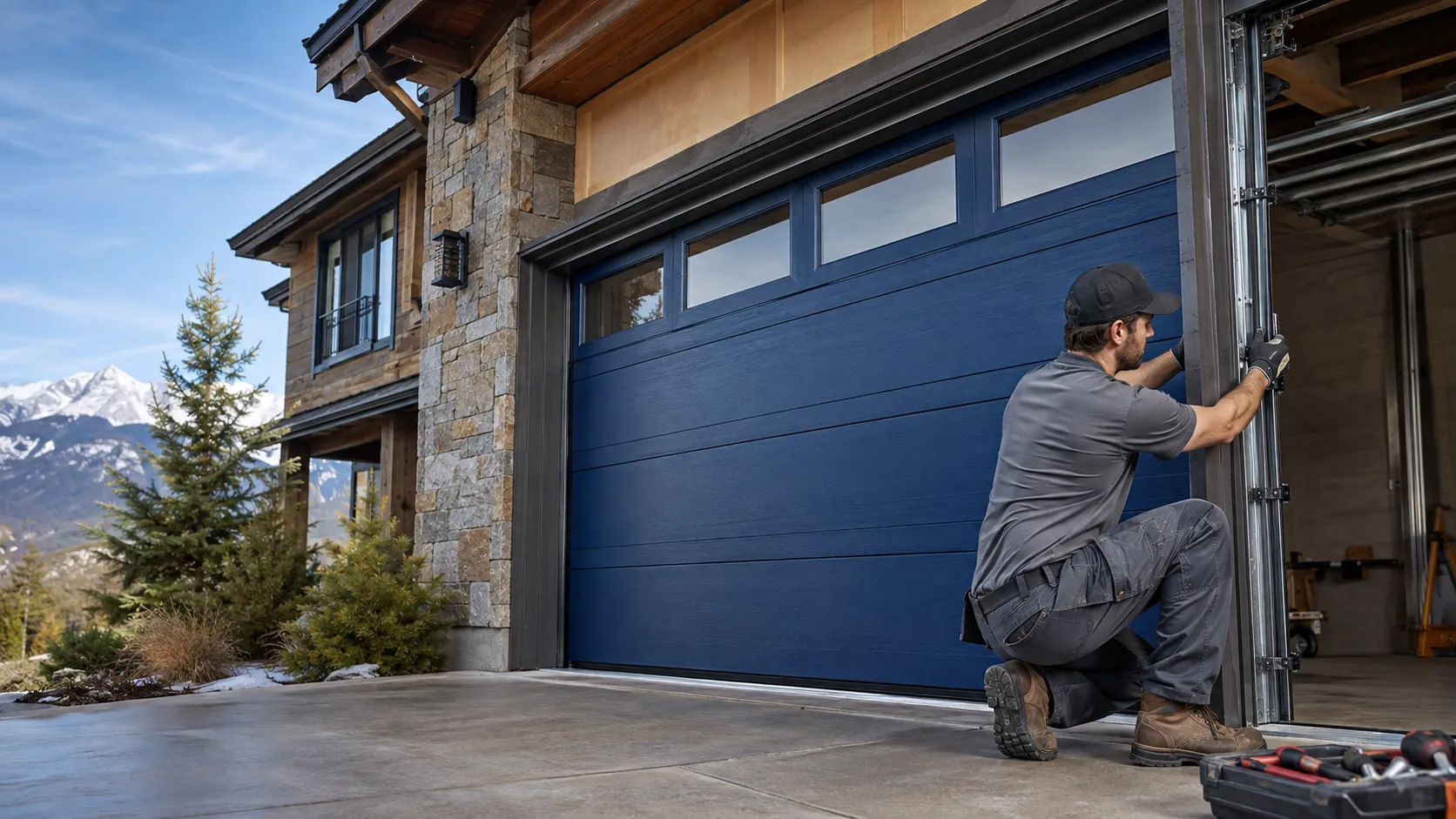
What Causes It Around Here
Parker's housing stock centers on a median build year of 2005, which tells us a lot before we ever see the door. Builders in that wave mostly hung steel raised-panel doors on torsion springs sized for a standard cycle count, paired with chain-drive or belt-drive openers that were the builder-grade default at the time. Twenty years on, those springs are reaching the end of the number of open-close cycles they were wound for, and that's the fault we see most in this town: a spring that snaps on an otherwise clean, well-kept door.
The climate here runs on the moderate end of the heat band, which is kinder to hardware than the extremes some parts of Texas see, but it still dries out factory grease on rollers and hinges faster than most owners expect. Combine a 2005-era door with two decades of that slow grease breakdown and you get the two calls that come up again and again: a spring that lets go without warning, and a roller or hinge that's gone loud and gritty long before anyone thought to look at it.
We're not guessing at this - it's what the build year and the local climate figure line up to predict, and it's what we find when we open the truck bay in Parker.
Booking a Visit
We work Parker out of our McKinney location, about 10 miles up the road, so there's no branch office or drop-in counter in town - a call gets a truck sent out, not a walk-in visit. That distance is short enough that we don't treat Parker as an afterthought on the schedule, but it's worth knowing up front if you were picturing a shop around the corner.
When you call, the more you can tell us about the door - year the house was built, whether it's a chain-drive or belt-drive opener, whether the spring is on one side or centered - the less time we spend diagnosing on-site and the more we spend fixing. Given how many homes in Parker share that same 2005-ish construction window, a lot of jobs turn out to be the same repair with a different serial number, which helps us bring the right spring size the first time instead of a second trip.
We don't quote a response time here because we haven't been given one to promise, and we'd rather say that plainly than make one up.
What Is on the Truck
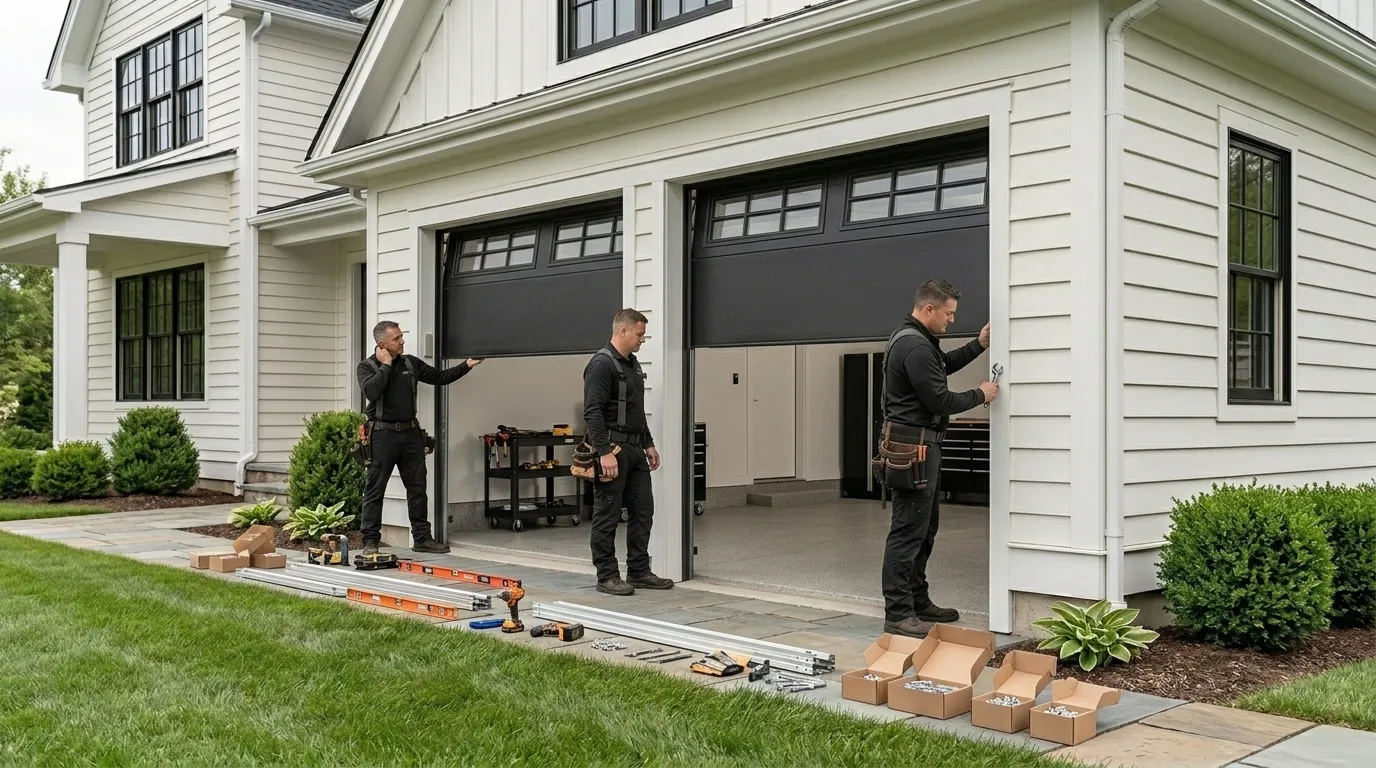
For a town built mostly around 2005, the truck carries torsion springs sized for the standard 7-foot and 8-foot residential door heights that were common in that era's construction, along with the steel track and roller hardware that matches builder-grade installs from that window. We also stock the small parts that fail quietly - nylon rollers, hinges, cable and drum sets - since those are the pieces that wear out from twenty years of moderate heat drying out factory lubricant, long before the door itself gives out.
We carry standard opener parts for the chain and belt-drive units that were typical builder installs in the mid-2000s: drive gears, logic boards for common models, and safety sensor pairs. What we don't carry on every run is a part for a door or opener that's been swapped out for something custom or high-end since the original build - those get ordered once we've seen the unit in person, which can mean a short wait rather than a same-visit fix.
That's the one honest limit here: we come prepared for what the neighborhood mostly has, not for every possible retrofit.
The DIY Question
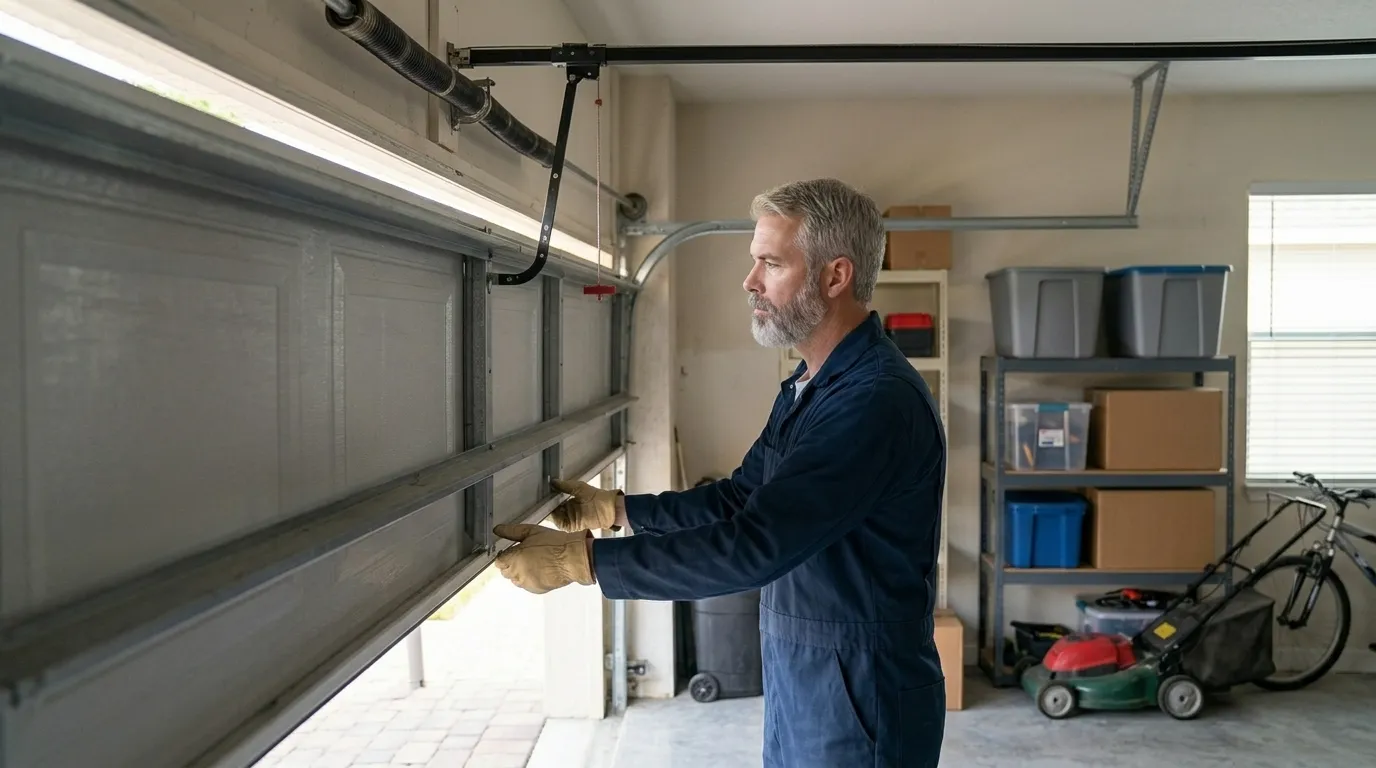
A torsion spring under load can put someone in the hospital, and that risk doesn't change because the door is only twenty years old rather than forty - if anything, a spring at the end of its rated cycle life is more likely to let go while you're working near it. That's the one repair on this list we'd tell any Parker homeowner to leave alone regardless of how handy they are.
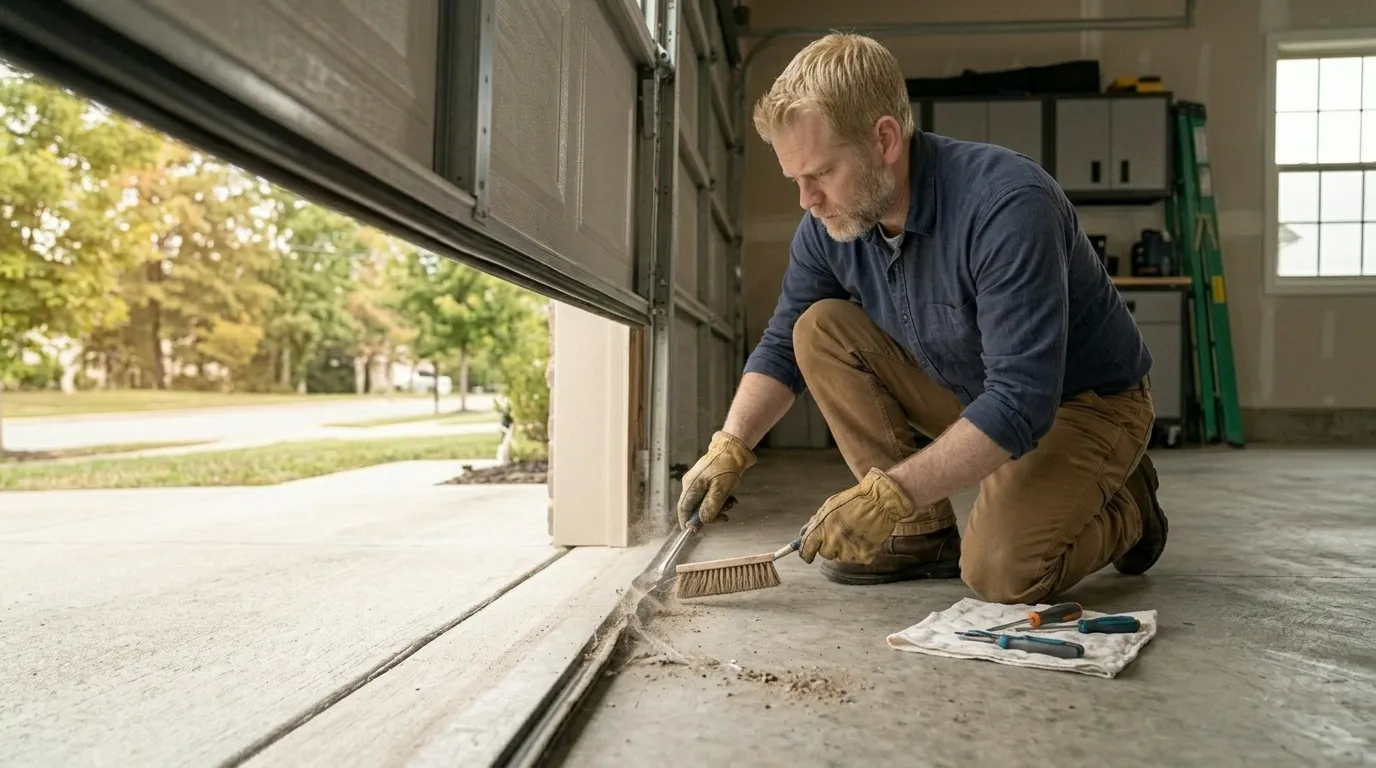
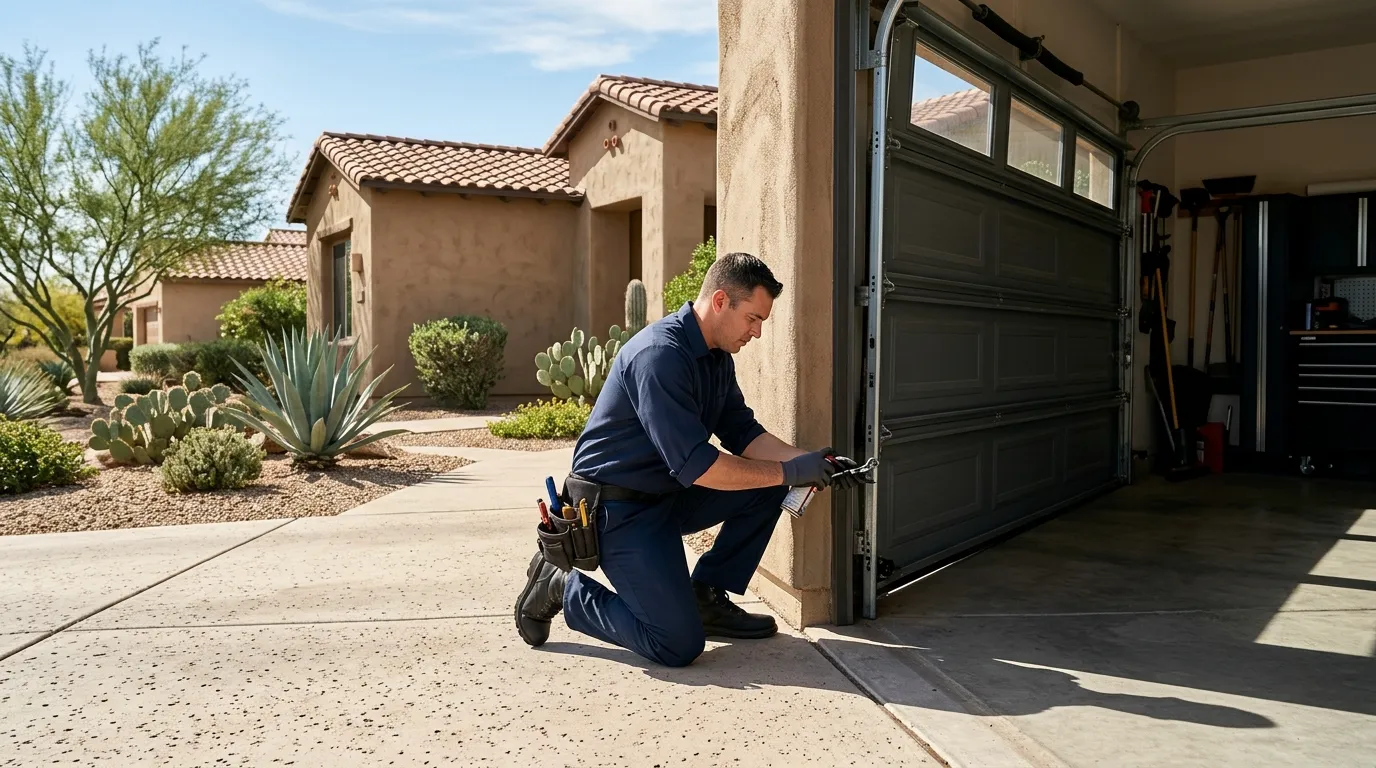
What's reasonable to do yourself: lubricating hinges and rollers, tightening loose bolts on the track, clearing the photo-eye sensors if the door won't close, and testing the auto-reverse safety feature. Those take ten minutes and no special tools.
What's usually not worth attempting, even for a capable homeowner: opener logic board swaps, cable replacement, and anything involving the springs or the torsion bar. And sometimes the honest answer isn't a repair at all - if an opener from that original 2005 installation is failing on the board rather than a simple part, replacing it can cost less over time than chasing discontinued components for a twenty-year-old unit.