What Causes It Around Here
Parker's housing stock sits right at the median build year for the whole area we work, 2005, and that one number tells you more about the openers failing here than anything else. A house built that year has an opener that's now pushing twenty years old - the point where the drive gear, the capacitor on the circuit board, and the plastic sprocket on a chain-drive unit all start giving out around the same time. That's a straight age problem, common to a production-home cycle.
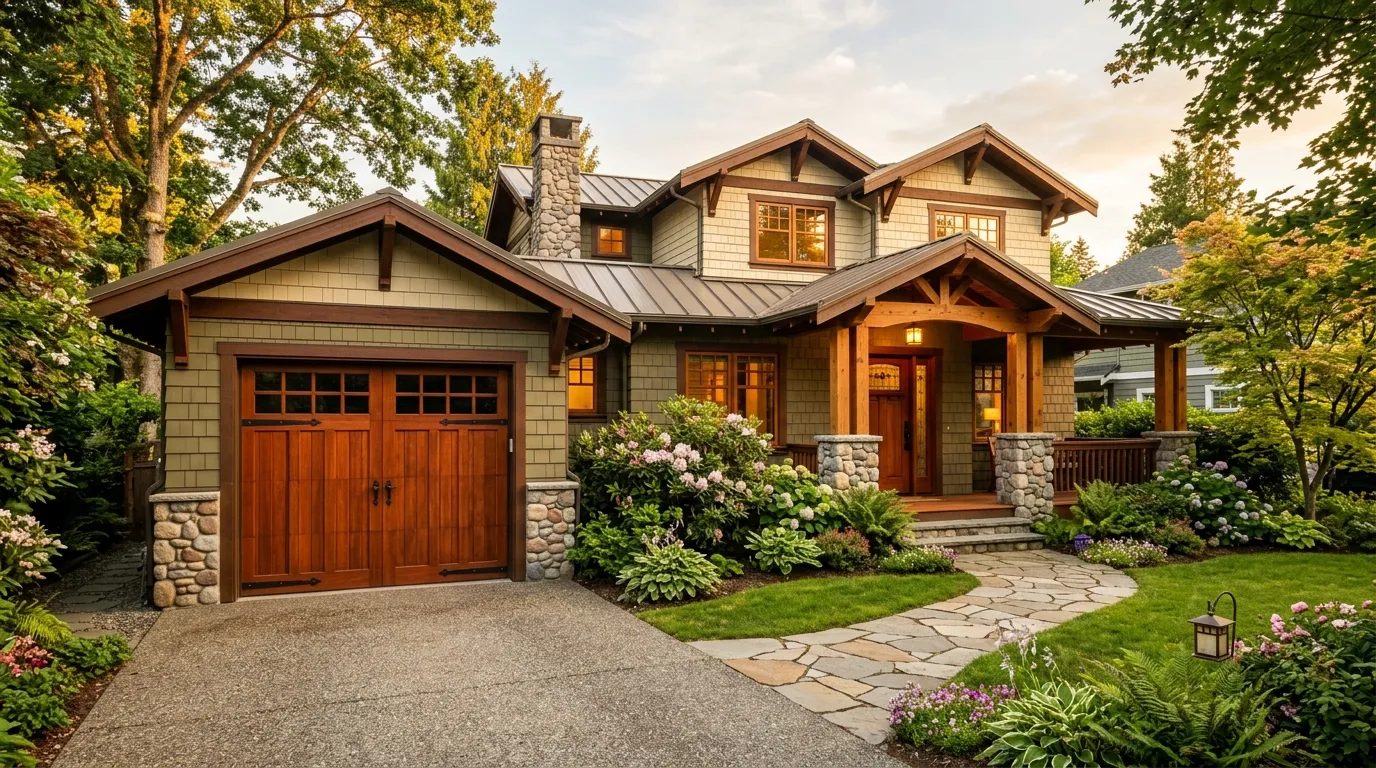
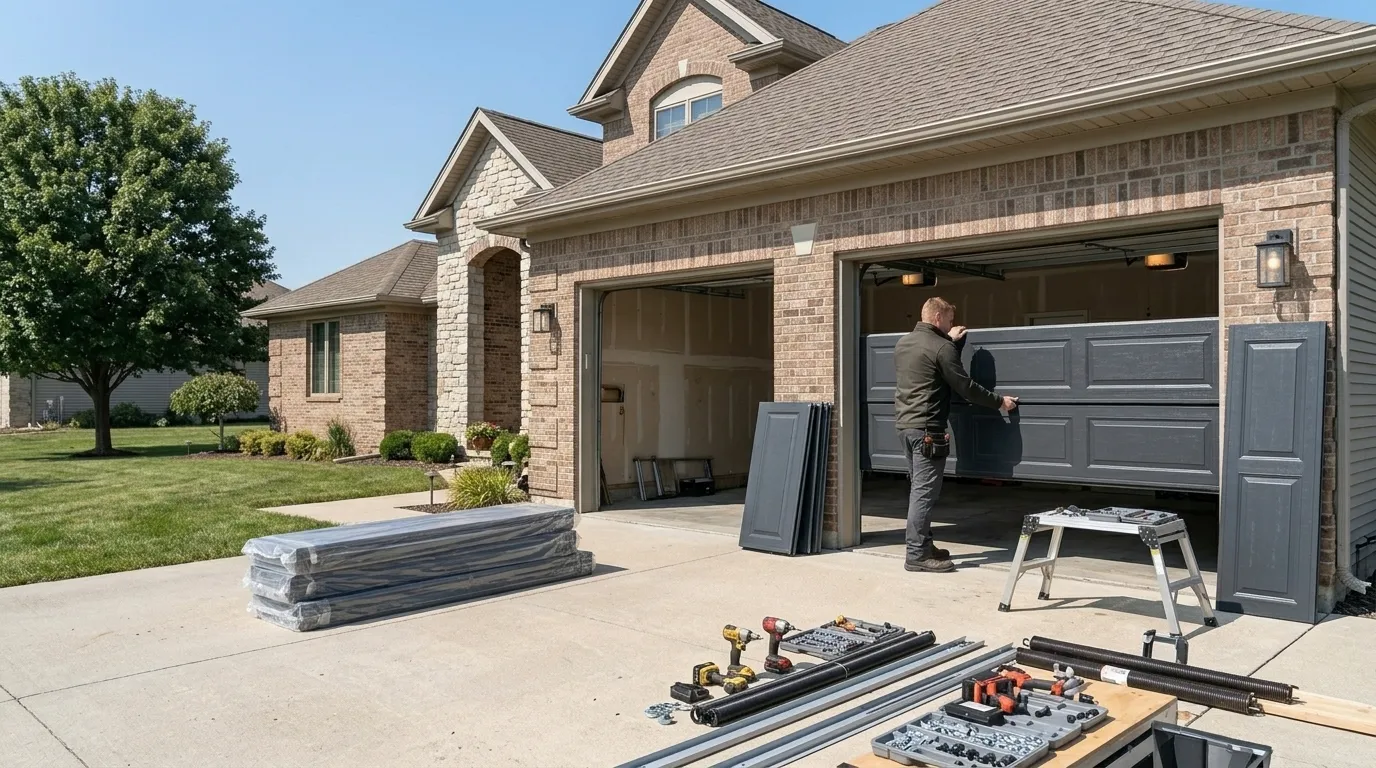
What's different about Parker is what sits on top of that aging opener. Median household income here runs about $216,179, roughly double the $109,528 median across the broader area we cover out of McKinney, and that shows up as heavier doors - insulated steel with wood-look overlay, sometimes real wood-clad panels. A builder installed a half-horsepower chain unit under a lightweight door in 2005. If that door has since been swapped for something heavier, or if the original door was already a custom job, the opener has been overworking itself for years before it finally quits. That mismatch, not simple wear, is usually the real cause of a hard stop or a unit that runs but won't lift.
Booking a Visit
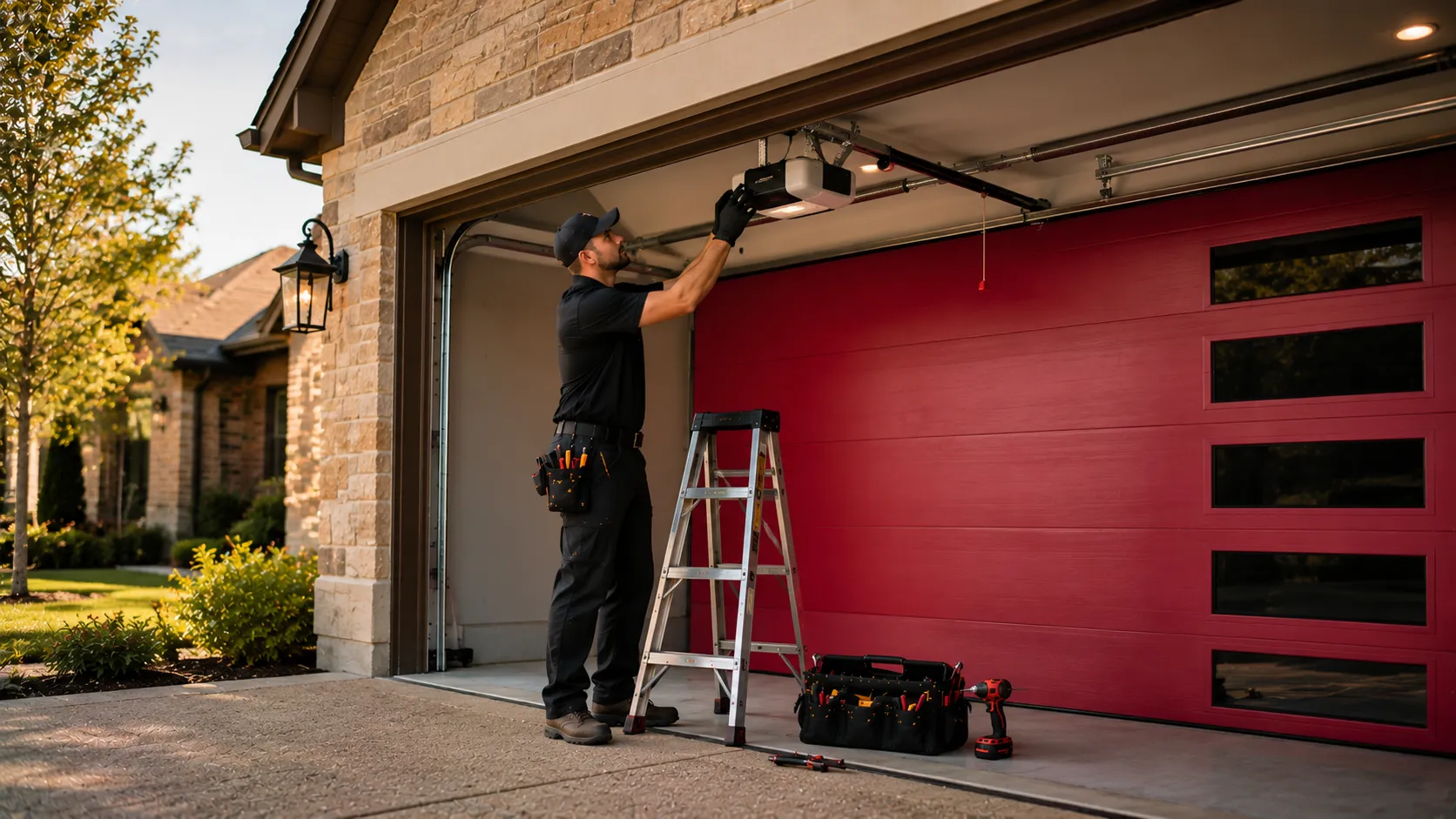
We run out of McKinney, about 10 miles from Parker, so an opener install here goes on the schedule as a planned trip rather than a same-day emergency stop. That's worth saying plainly: if your opener dies on a Friday night, we're not a five-minute drive away. We ask what you're seeing - dead unit, grinding gear, remote that won't pair - before we head out, so the right opener and rail length are already loaded on the truck.
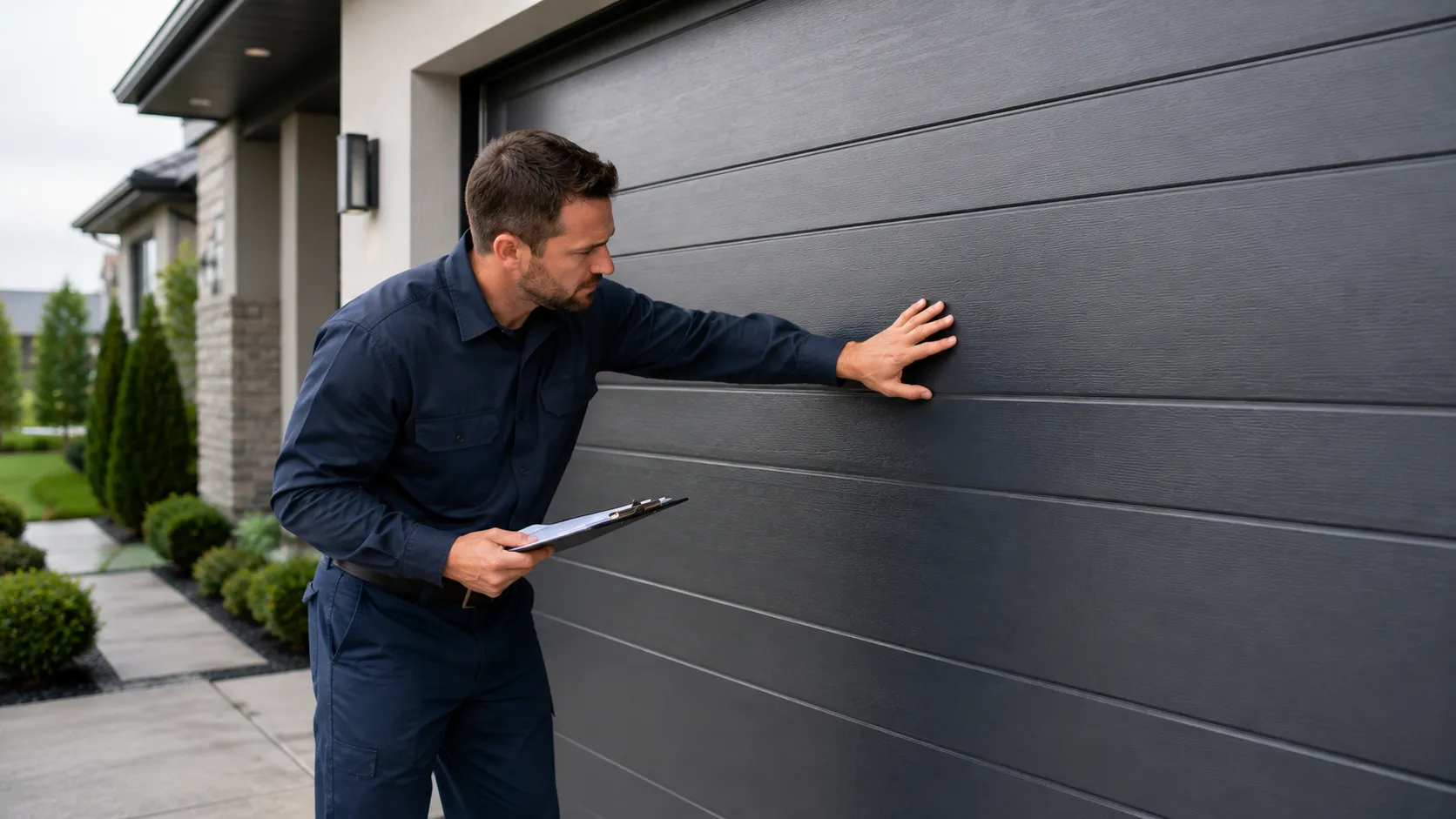
Because Parker's housing is fairly uniform in age and build, most quotes over the phone are close to what we find in person. We'll still confirm door weight and headroom on site before we commit to a horsepower rating, since a heavier custom door needs more than a stock builder unit can deliver. See the full list of garage door work we do in Parker if the opener isn't the only thing that needs attention while we're there.
What Is on the Truck
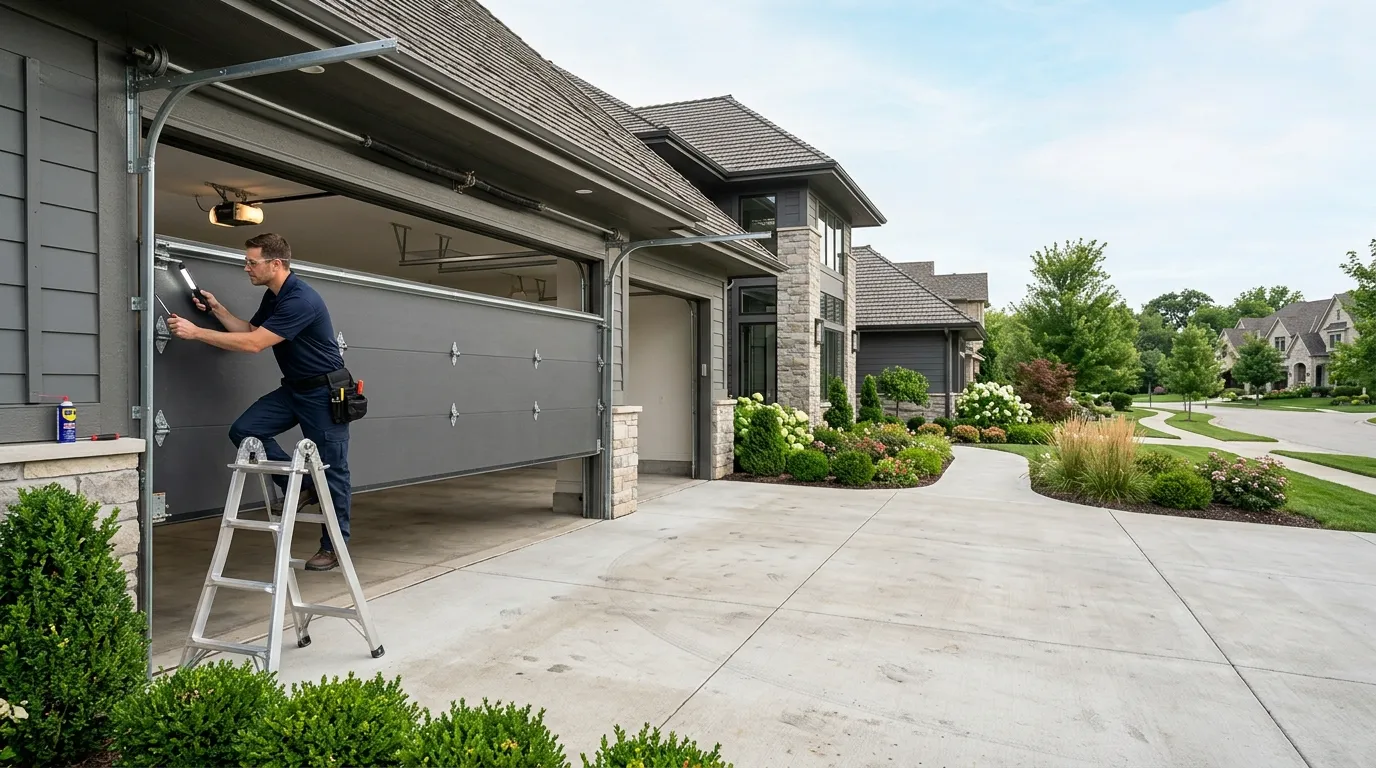
We carry both chain-drive and belt-drive openers, along with battery-backup units, since a moderate-heat climate like this one doesn't stress an opener motor the way cold does, but summer power blips still knock openers out at the worst moment. For most 2005-build garages with a standard steel door, a belt-drive unit with battery backup covers it without upgrading rail length.
The honest limit here: we don't carry every specialty rail length or heavy-duty commercial-grade motor on the truck for every visit. If your door is an oversized custom job - wide double, unusually tall, or a solid wood slab - we may need to order the higher-horsepower unit and come back for install rather than force a mismatch on the first trip. We'd rather tell you that up front than sell you an opener that's underpowered for the door on your house.
The DIY Question
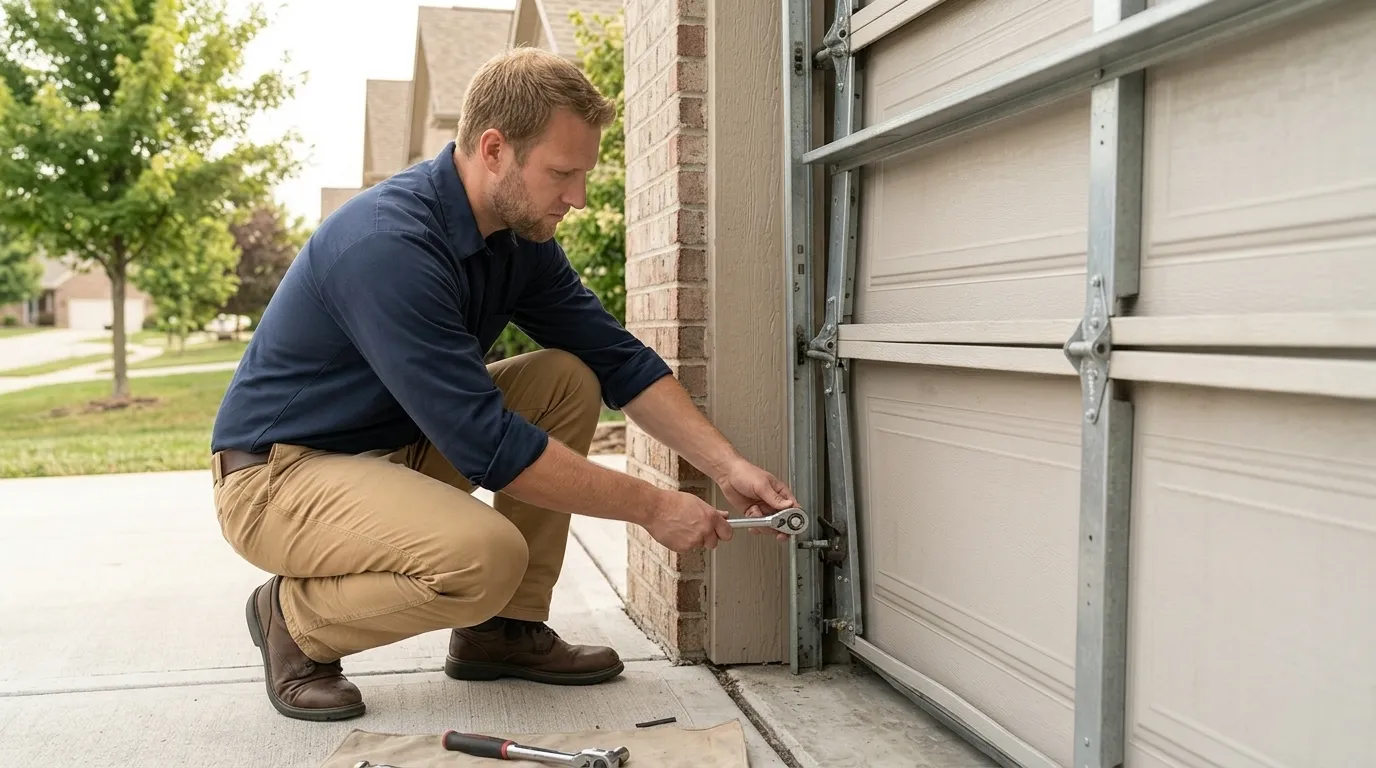
Swapping a chain-drive opener for another chain-drive opener on a standard steel door is a job some homeowners handle themselves, and we're not going to pretend otherwise. Where it gets risky is the safety-reversal sensor alignment and the travel-limit settings - get those wrong and the door can close on something it shouldn't, or refuse to seat at the floor.
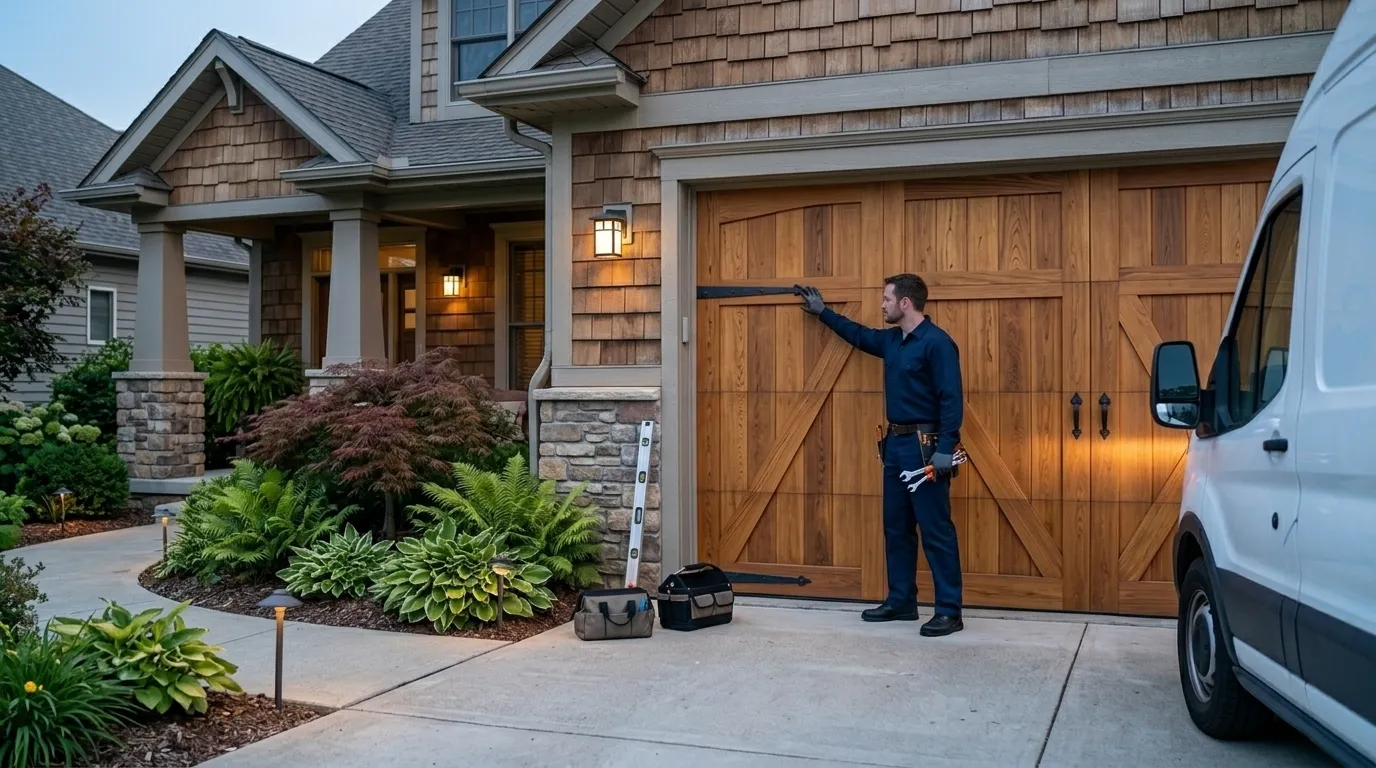
Given the income and home values in Parker, we also see more requests for openers on heavier custom doors, and that's where DIY stops making sense. A half-horsepower kit box bought off the shelf usually isn't rated for a solid or insulated wood-look door, and running it anyway just shortens the life of the new motor. If you're working with a standard builder door from the original 2005 build, a careful DIY swap is reasonable. If the door's been upgraded since, get the door weighed against the opener spec before you buy.