What Causes It Around Here
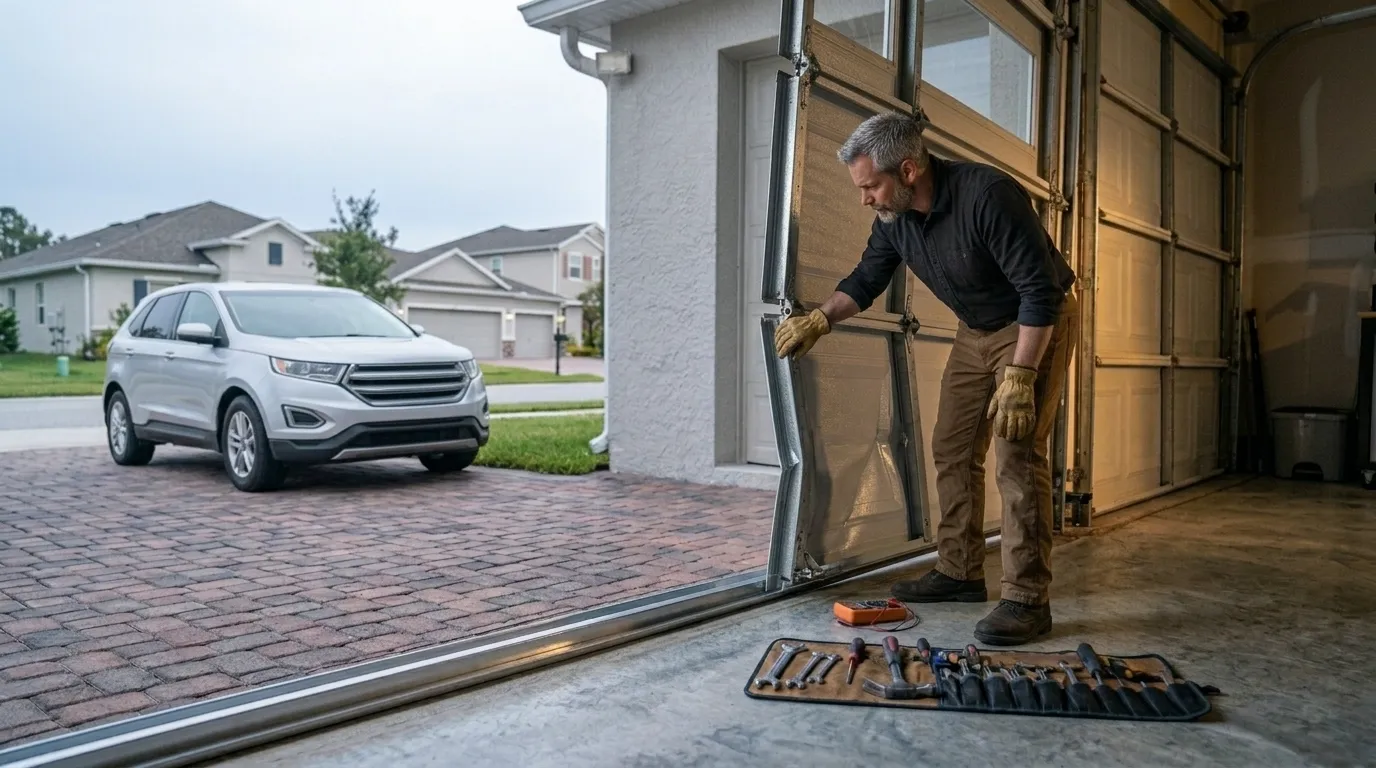
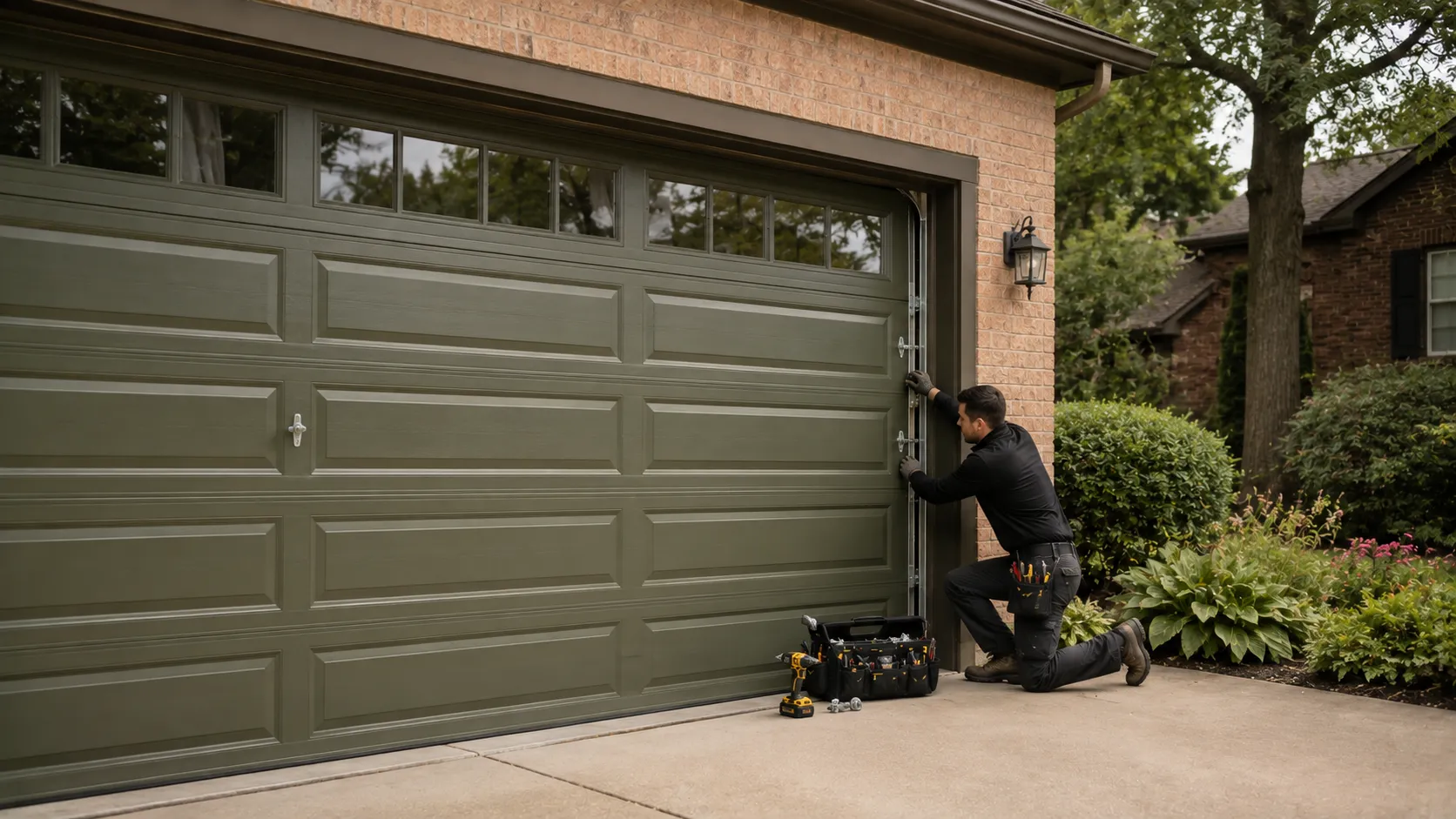
Parker sits about 10 miles out from our shop in McKinney, and the drive matters more than it sounds like it should. A call here isn't a five-minute hop, so when we head out we're loading the truck for a 2000s-built house, not guessing. Most of the area we cover, this stretch included, went up between 1971 and 2015 with a median build year of 2005, and Parker's own housing runs newer still, matching that same 2000s window. That means steel doors on lift-master or chamberlain openers, torsion springs sized for 8- and 9-foot two-car doors, and factory hardware that's still in production - not the older side-mount torsion setups you find in pre-1970s stock. What actually breaks: nylon rollers going brittle after 15-plus years in this heat band, cable fraying at the bottom bracket, and openers whose logic boards fail before the motor does. The moderate heat load here means metal fatigue is the bigger threat than any freeze cycle - garage doors in this stock don't get much stress from cold, they get it from summer expansion and contraction, cycle after cycle, on tracks that were never adjusted after the house settled.
Booking a Visit
We run out of McKinney, so a Parker call gets scheduled around that drive - we're not staging a truck locally, we're sending one. That's worth knowing up front: it changes how we batch calls out that direction and why we ask a few more questions on the phone before we load parts. Median household income in Parker runs $216,179, well above the $109,528 median across our wider service area, and that gap shows up in the calls - more owners here ask for full opener replacement over a patch repair, and more want the job done once, correctly, rather than staged. We don't push a bigger job than the door needs, but we also won't pretend a 2005-era spring set belongs on a door it was never rated for. Tell us the door's approximate age and whether it's a single or double bay when you call; that's most of what we need to load the right springs before we ever turn onto your street.
What Is on the Truck
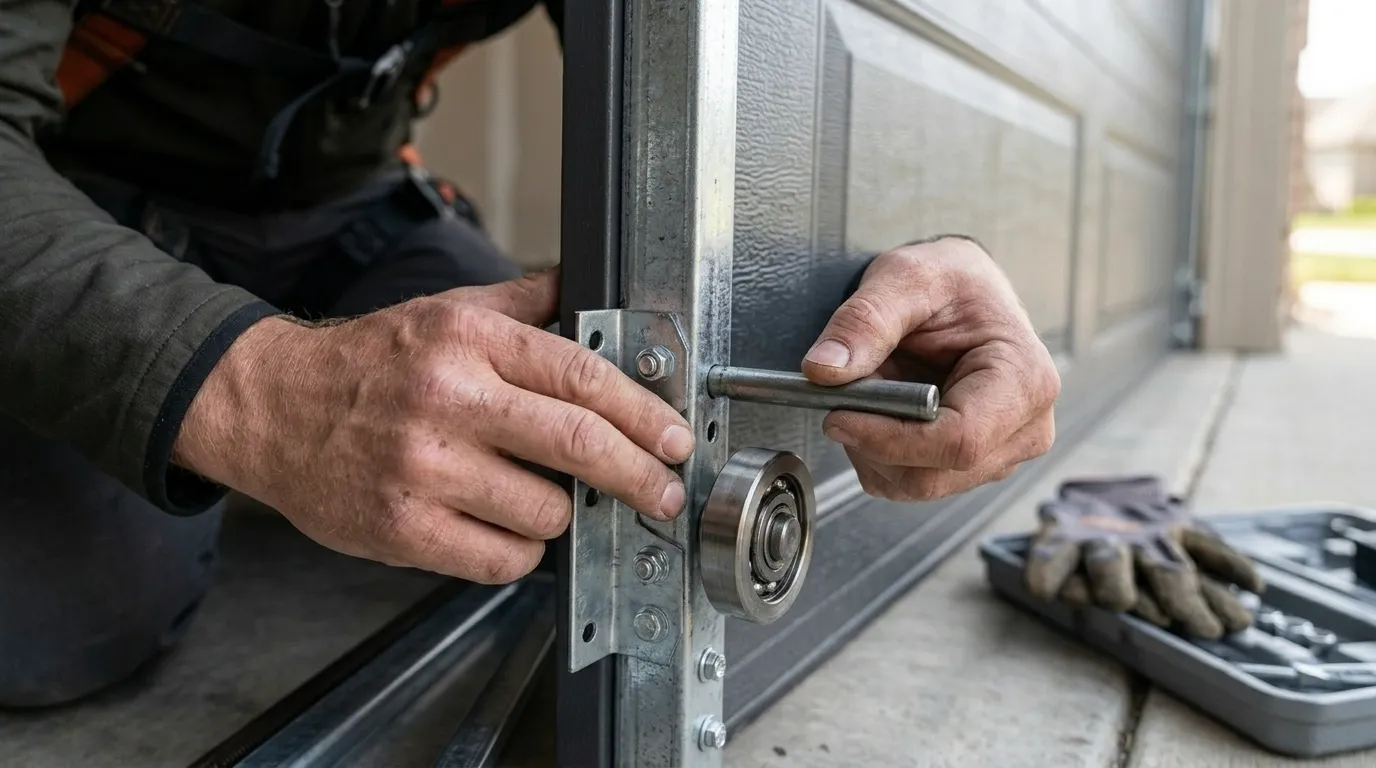
For a Parker call we load torsion springs sized for 8- and 9-foot residential doors, nylon and steel rollers, standard lift cables, and the common opener logic boards and wall stations that fit 2000s-build houses. We don't carry every legacy part for pre-1971 hardware, because that's not what's out here - the housing in this stretch simply doesn't need it. What we don't load without a call first: full door sections and custom panel colors, since those are ordered to match, not carried blind. If a spring size or opener model turns out to be uncommon once we're on site, that's the one honest gap - it means a second trip rather than a guess that damages the door further.
The DIY Question
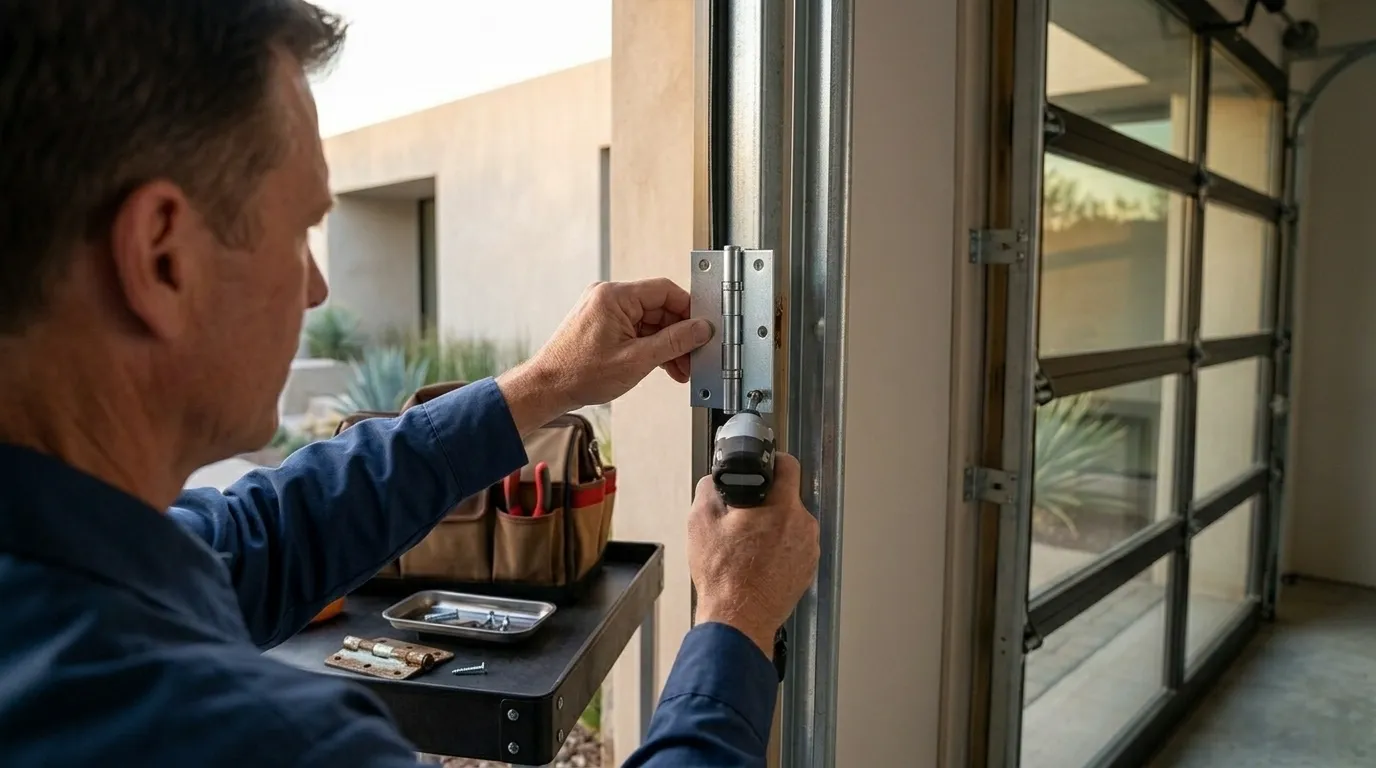
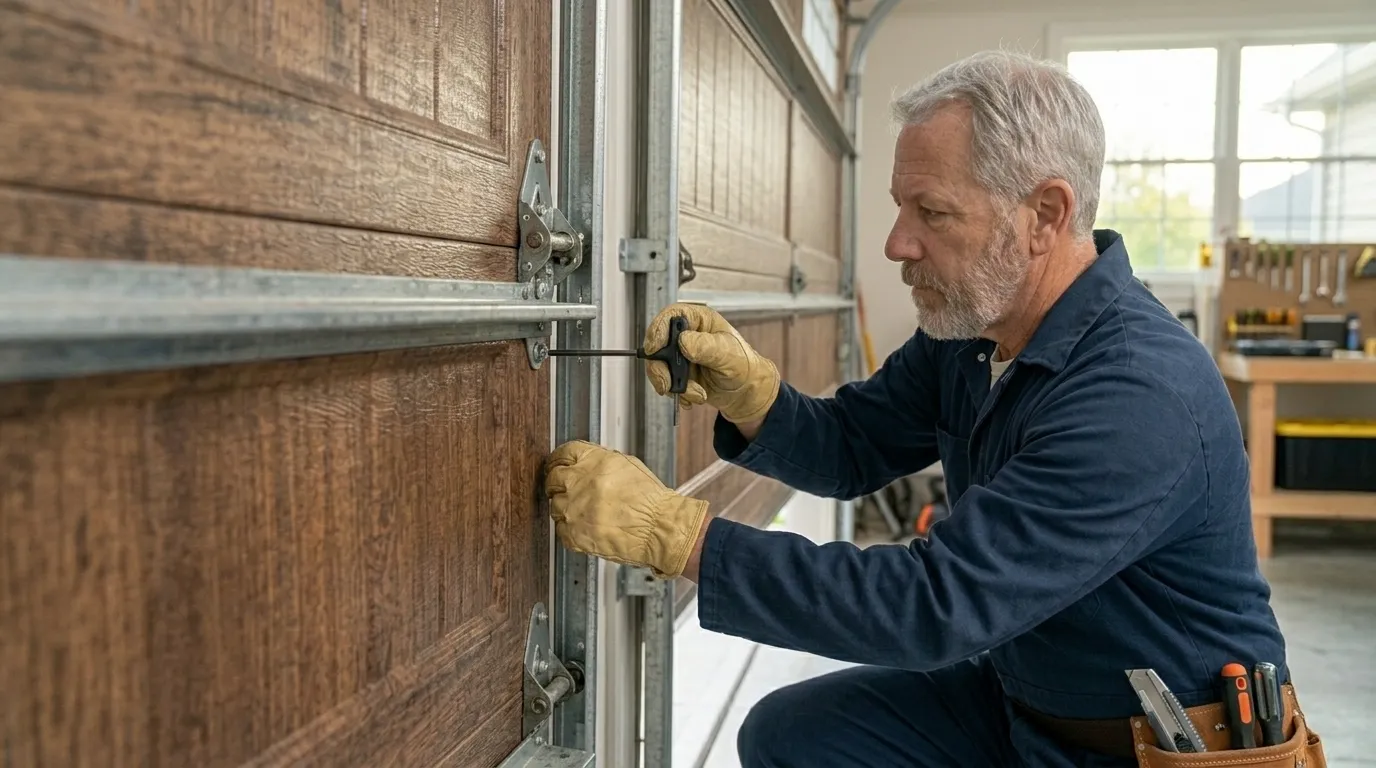
Torsion springs are the one thing we tell every Parker homeowner not to touch - they're wound under enough tension to break a bone or worse, and that's true whether the door is brand new or twenty years old. Rollers, weatherstripping, and tightening loose hardware are reasonable DIY territory if you're comfortable on a ladder. Where it stops making sense to DIY: opener board diagnosis, because a board that looks dead can also be a symptom of a failing sensor or a wiring fault, and swapping the wrong part first just costs you twice. Given the income profile out here, more owners than not choose to skip the DIY step entirely and just call it in - not because the job is unusually hard, but because the time isn't worth it to them. That's a fair call either way.