What Causes It Around Here
Most of the housing in Parker went up around 2005, which puts the original garage door opener in a lot of these homes right at the 20-year mark. That's the age where the circuit board starts throwing intermittent faults, the drive gear on a chain unit wears smooth, and the capacitor that fires the motor weakens enough that the door hesitates before it moves. None of that is a Parker-specific defect - it's just what happens to electronics and plastic gears after two decades of daily cycles.
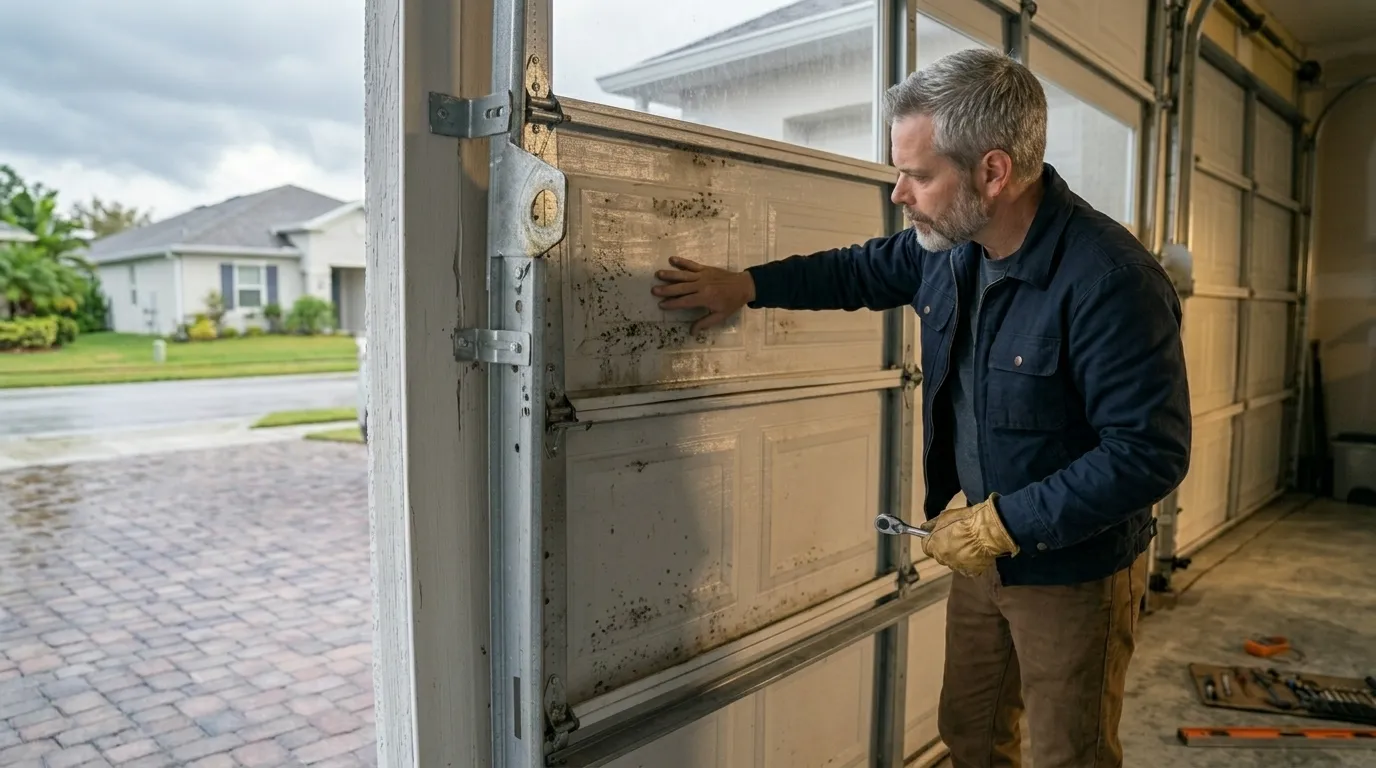
What is specific to this area is how concentrated that age band is. Because so much of the housing stock across the wider service area clustered into the 2000s, a big share of openers out here are aging out in the same window rather than being spread across fifty years of builds. We also work in a climate band the federal data classifies as moderate heat, which isn't brutal on openers directly, but it does shorten the working life of the sensor gaskets and the plastic housing on the logic board a little faster than a milder climate would. Combine that with a 20-year-old capacitor and you get the classic symptom: the door reverses for no reason, or the wall button works but the remote doesn't.
Booking a Visit
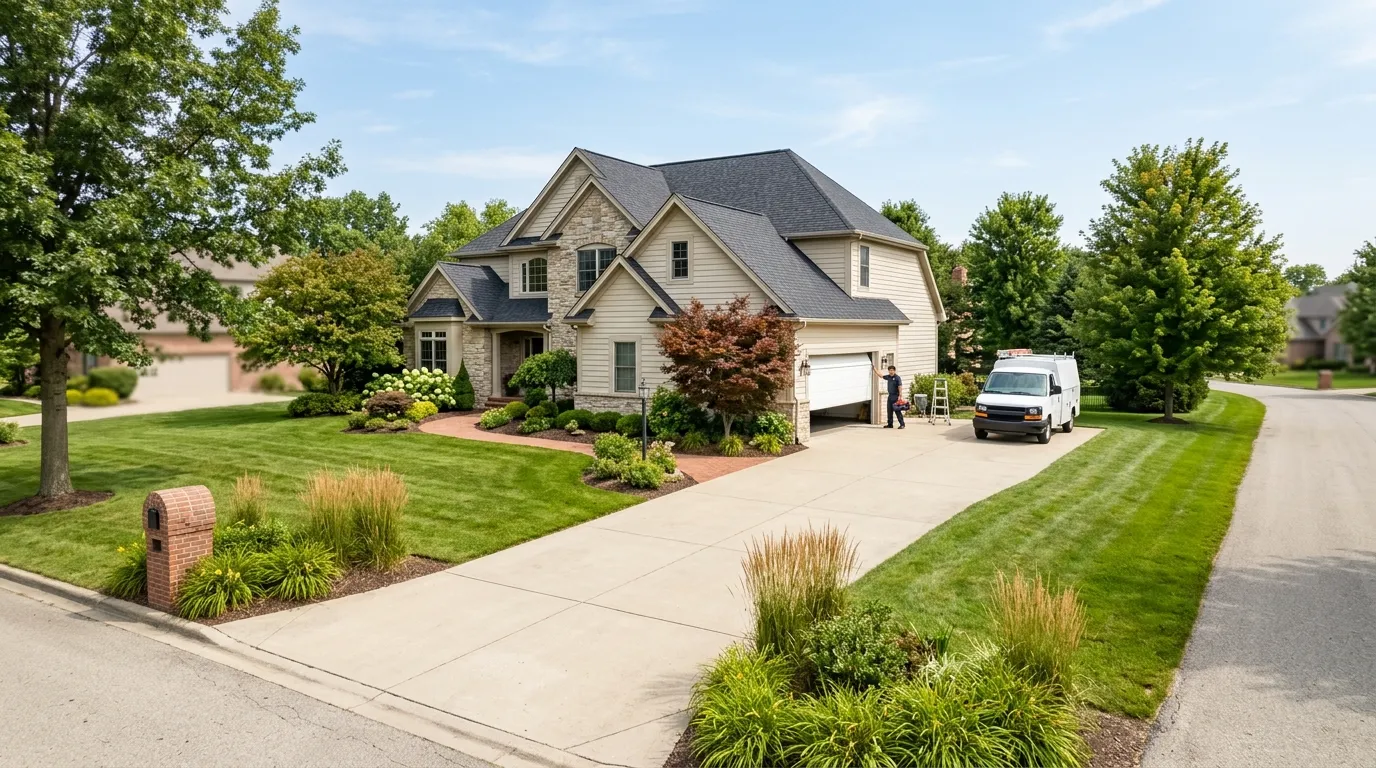
We run this call out of McKinney, about 10 miles from Parker, so we're not sitting on a shelf around the corner - we're driving out to you. That's worth knowing going in: this isn't a same-block dispatch, it's a scheduled trip, and we'd rather tell you that up front than have you assume otherwise.
If you want the broader picture on what we handle in Parker beyond openers - springs, panels, full door swaps - that's covered on our Parker garage door page, and this page sticks to the opener itself. If your issue turns out to be the door and not the opener, that's the page with the rest of it. For opener repair specifically, tell us the brand if you know it, whether the wall button and remote both fail or just one, and whether the door moves at all when you press the button. That narrows down board versus gear versus power supply before we ever load the truck.
What Is on the Truck
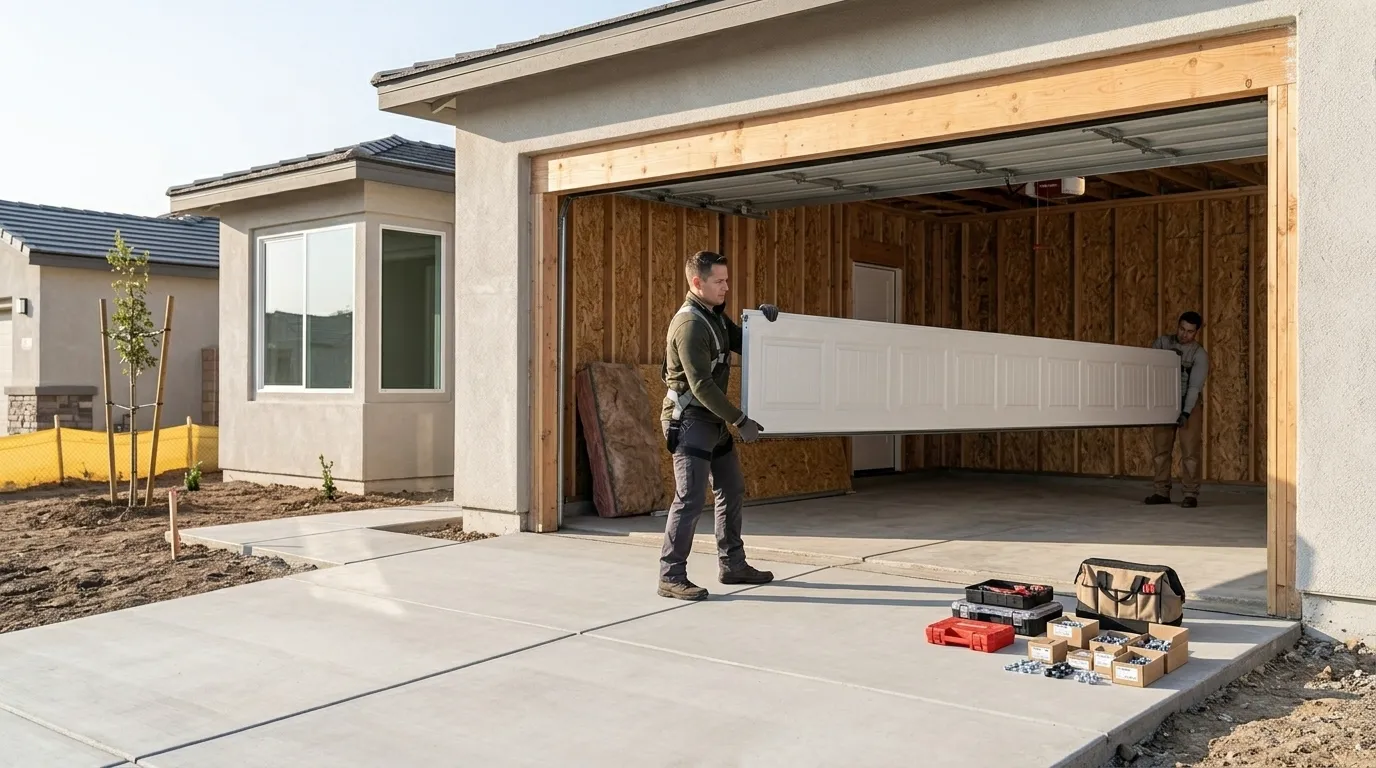
We carry the parts that fail most often on openers from the early-to-mid 2000s build era: standard logic boards for the major chain and belt-drive brands, drive gears and sprockets, safety sensor pairs, and the capacitors that are the usual cause of a motor that hums but doesn't lift. Those cover the bulk of what we see in a neighborhood where the openers are all aging out together.
Here's the honest limit: specialty smart openers with proprietary boards or app-only pairing aren't something we stock on the truck. If your unit needs one of those, we may need to order it, which means a second trip. We'd rather say that now than promise a same-visit fix and not deliver it. For anything outside opener repair - the door itself, the track, the springs - that's a separate job and a separate page, not something we're folding into this one.
The DIY Question
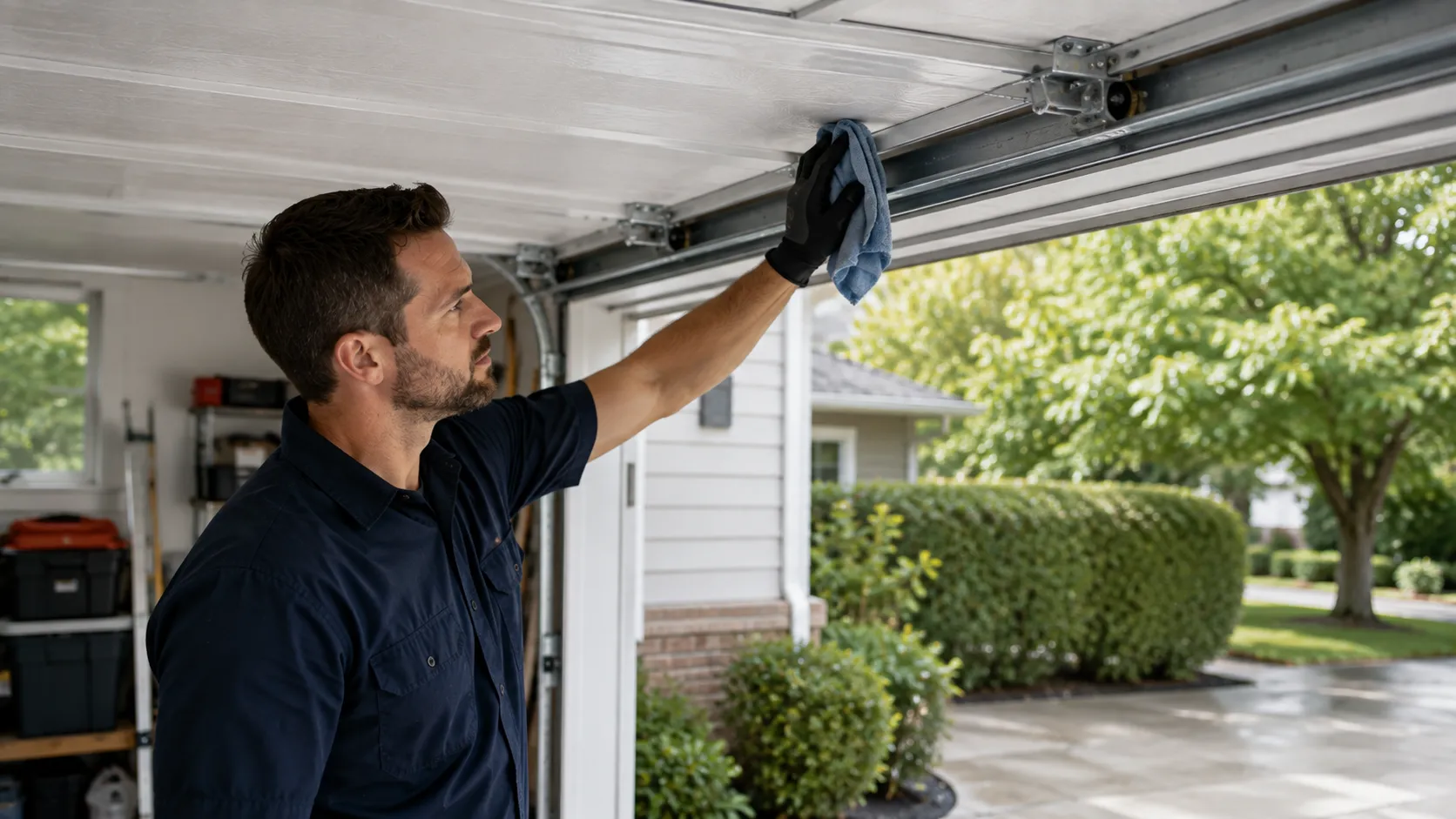
A few things are worth checking before you call anyone out. If the door reverses right away, look at the two sensors near the floor on each side of the track - if they're knocked out of alignment or something's blocking the beam, that alone will cause it, and it's a five-minute fix you can do yourself. If the remote doesn't work but the wall button does, swap the remote battery before assuming the board is bad.
What you shouldn't do yourself is open the logic board housing or touch the capacitor - that's a stored-charge component even with the power off, and on a 20-year-old unit the housing is often brittle enough to crack if you're not used to it. If the door won't move at all with either the wall button or the remote, that's a power or board issue, not something a home fix resolves, and it's the point where a service call makes more sense than guessing.