The Complications
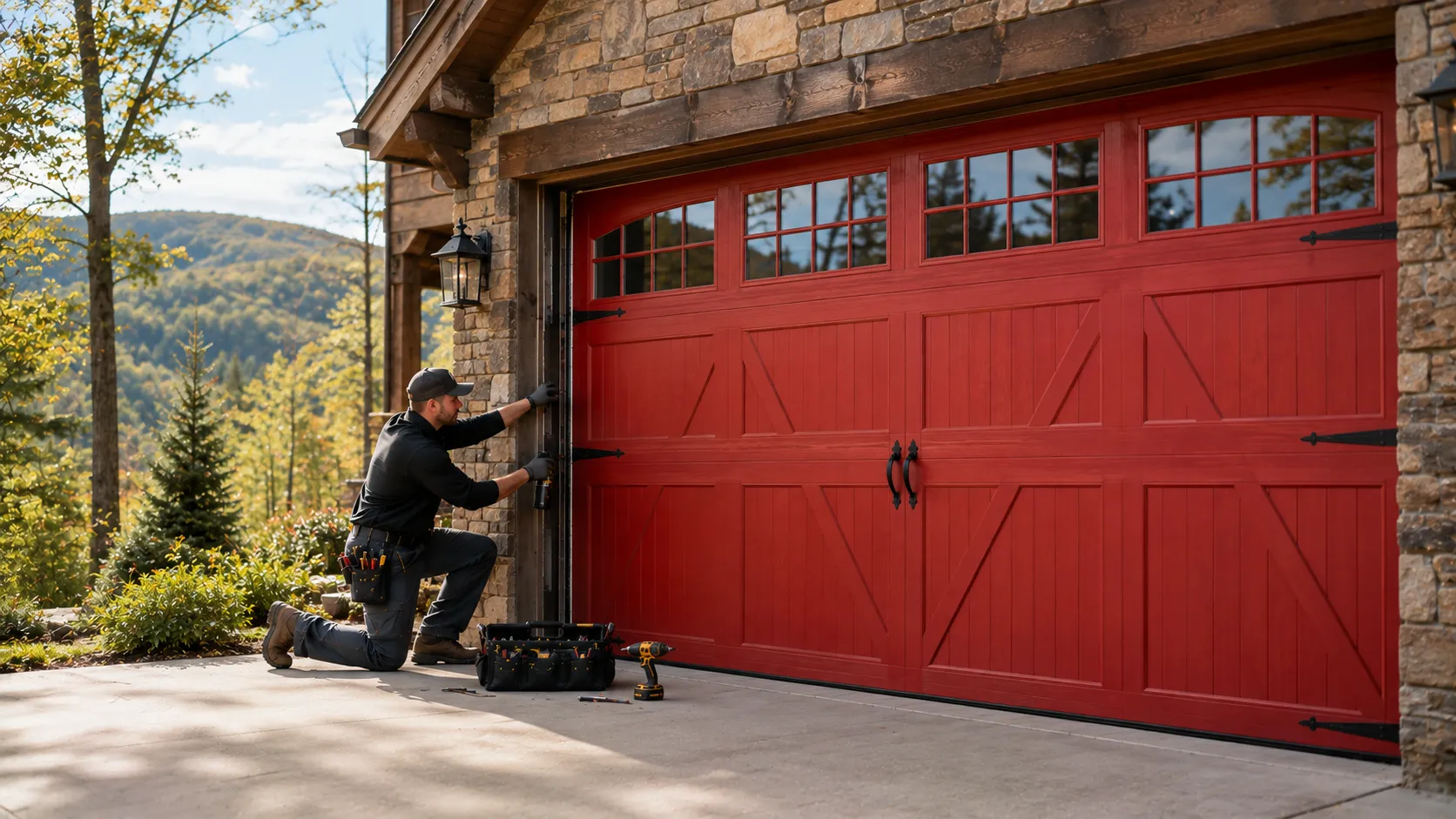
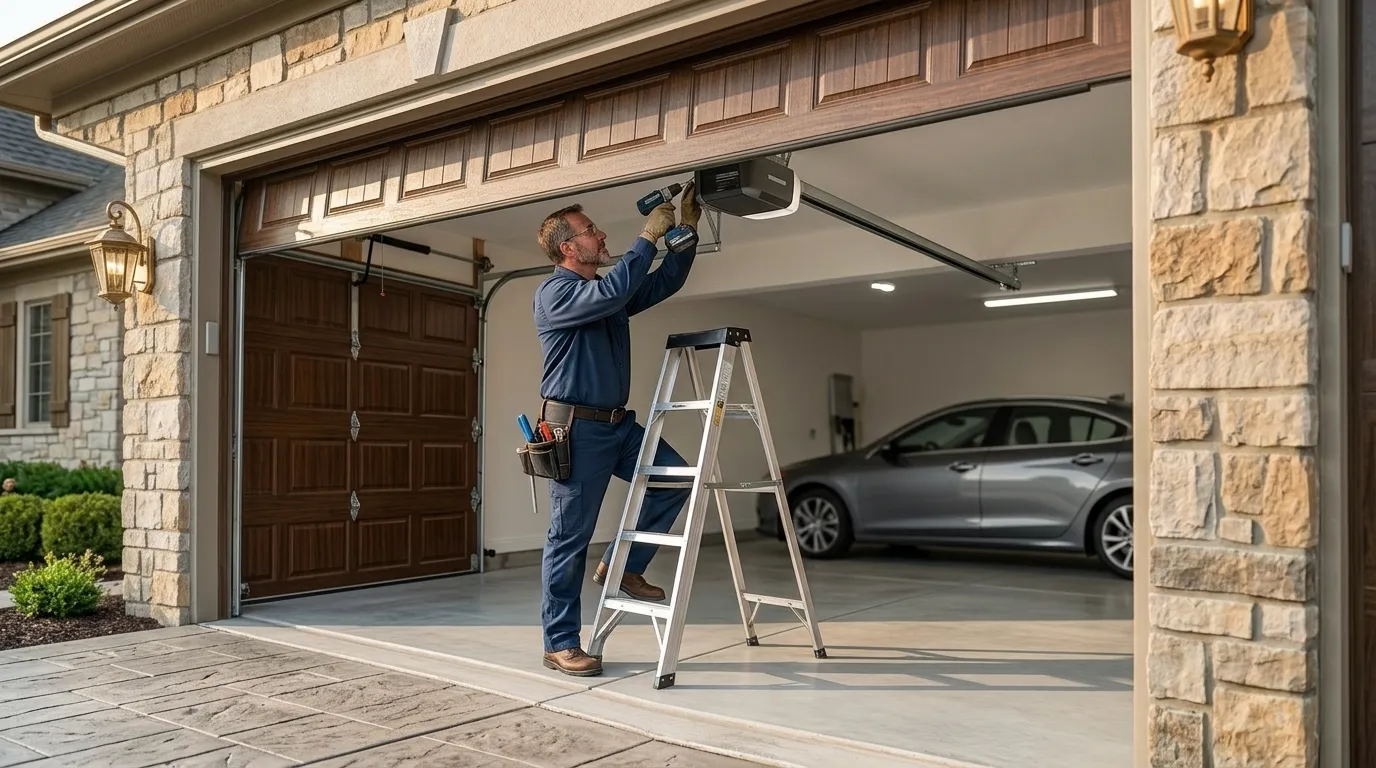
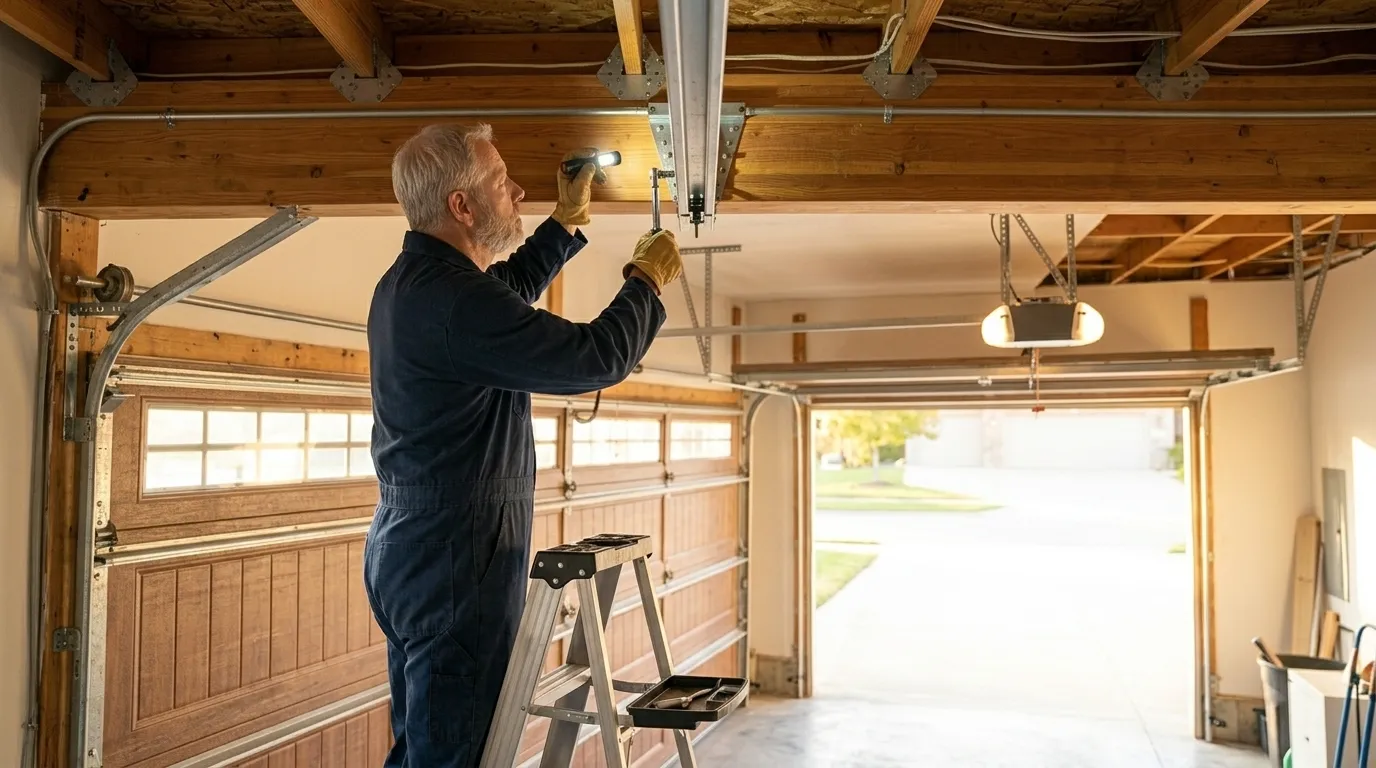
Lowry Crossing is a small place - about 642 households, not a sprawling subdivision grid like some of the bigger towns we cover. That matters for opener work because there's no dominant builder pattern to fall back on the way you might in a neighborhood where a single developer put up two thousand identical houses in five years. Here the housing runs older on average than a lot of the service area, with a median build year around 1994, well before the broader McKinney-area housing stock's median of 2005. That gap is the whole story for openers. A home built in 1994 usually still has its original bracket layout and header clearance sized for a chain-drive unit from that era, not the wall-mount or belt-drive units common in newer builds. Swapping in a modern opener sometimes means adapting the mounting rather than a straight bolt-in. Because the town is small, we're not guessing at a common floor plan - we're going in expecting a mid-90s frame and hardware, and bringing brackets that fit it instead of assuming a newer stud pattern.
Booking a Visit
We run this job out of McKinney, about 7 miles from Lowry Crossing, so there's no separate branch or crew based in town - just a truck making the drive out. When you call, tell us the age of the house if you know it and whether the opener is original to the build or a replacement someone put in later. That one detail changes what we load before we leave the shop. If you're not sure, a photo of the motor unit and the rail is usually enough for us to know what we're walking into before we knock on the door.
The Cost of This Job
We don't quote a number without seeing the door, the header space, and whether we're doing a straight swap or adapting older mounting hardware to a new unit. Homes in this area tend to fall on the higher end for household income across the service territory - median household income here runs $110,357, above the broader area's $109,528 - but that doesn't change what parts a given garage needs. What changes the price is whether the existing wiring and bracket points can be reused or whether we're building new ones to fit a mid-90s frame.
What Causes It Around Here
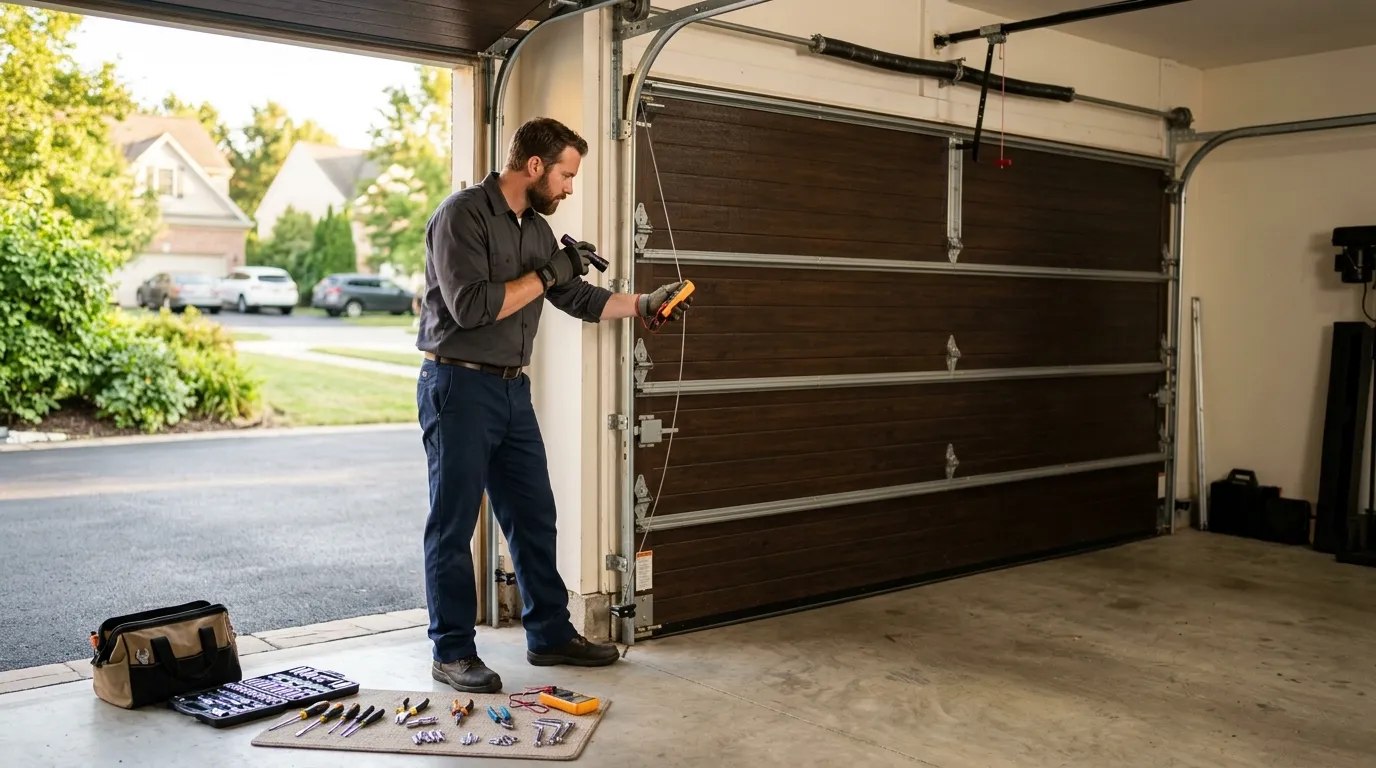
The most common call we get from this stretch isn't a dead motor - it's a safety sensor pair that's stopped reading each other reliably, which lines up with the age of the housing. A garage built in 1994 was early enough that photo-eye sensors were just becoming required equipment, and those first-generation sensor units weren't built with the same tolerances as what's sold today. Add in a moderate heat climate band for this area - summer heat expanding and contracting the mounting brackets over three decades - and the sensor alignment drifts a little more every few years until the door starts refusing to close without an obvious reason. The other recurring issue is chain-drive openers original to these houses simply reaching the end of their gear life, which after this many years is wear, not a defect.