The Complications
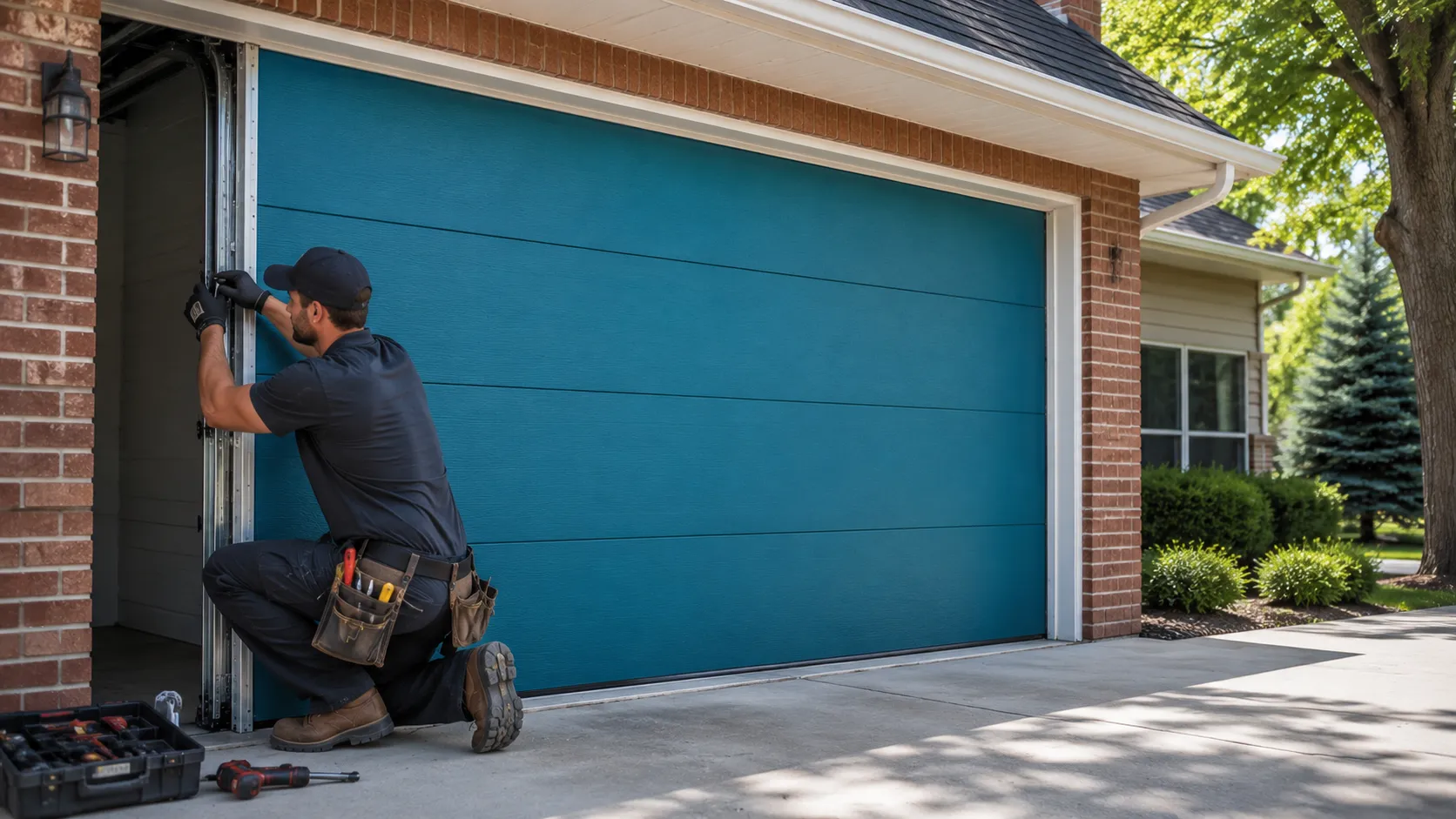
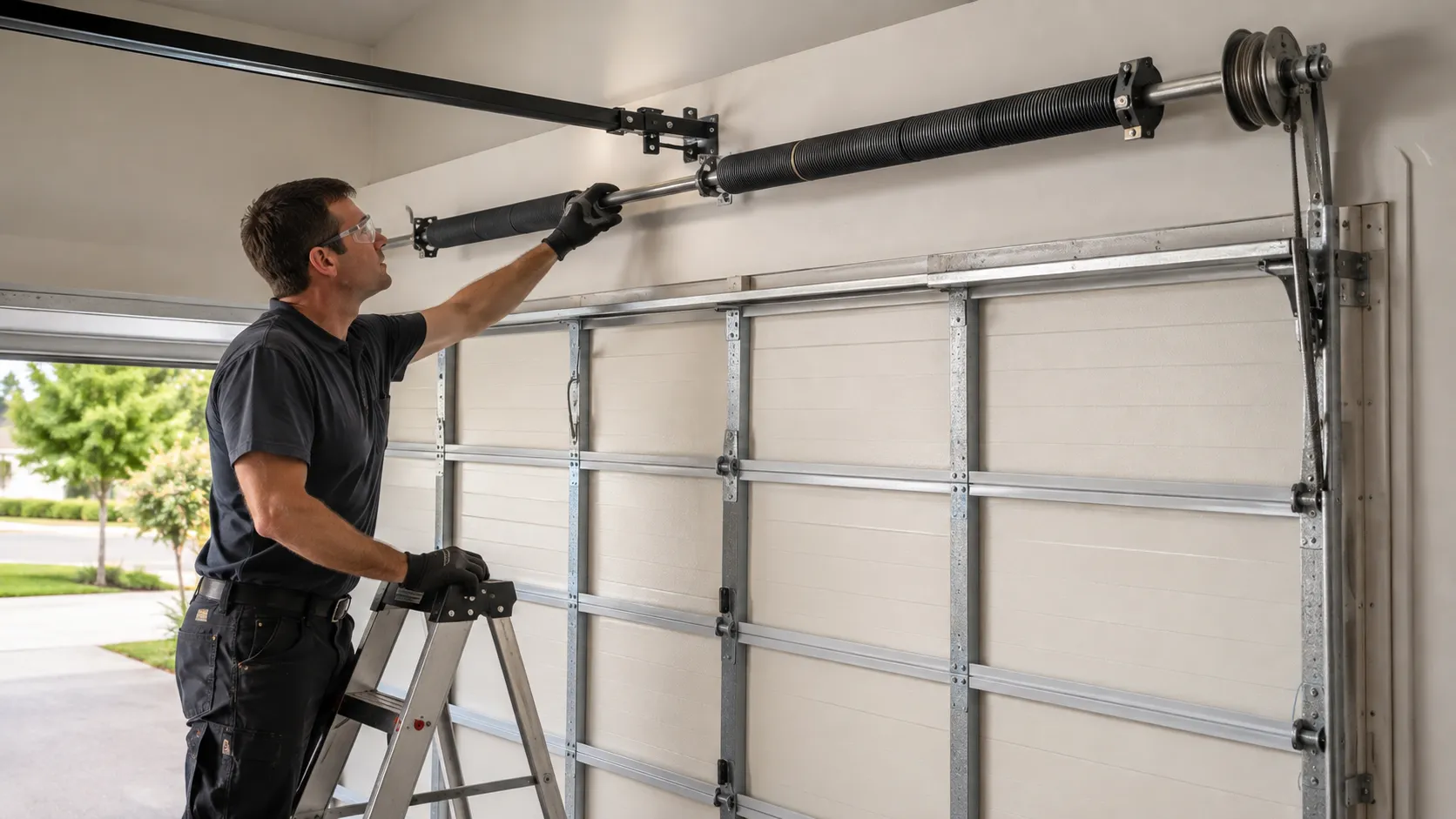
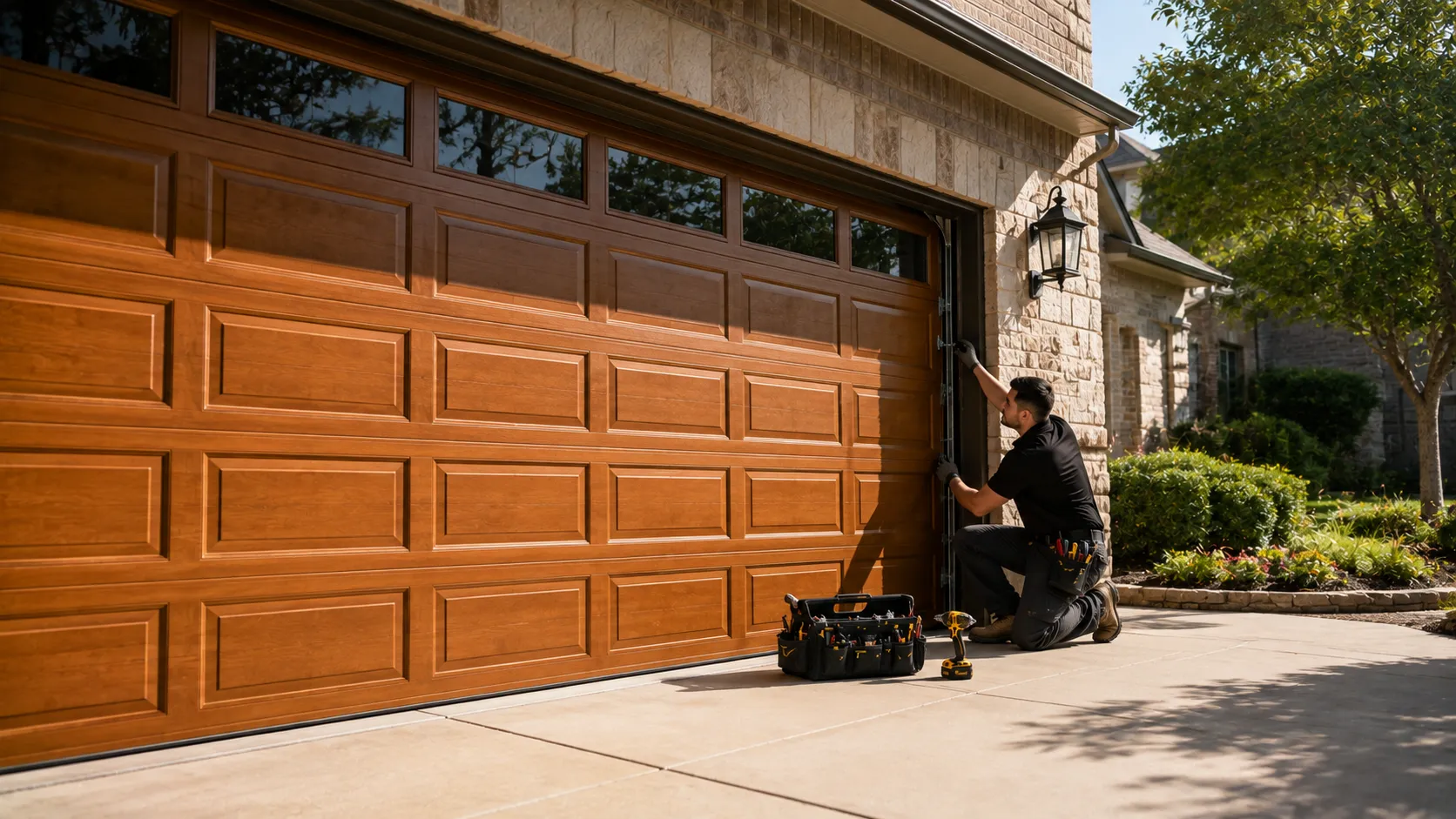
Most of the garage doors in Lowry Crossing went up around 1994, well ahead of the 2005 median build year you'll find across the rest of the service area. That decade matters. A door installed in the early-to-mid '90s almost never has its original torsion spring anymore - springs wear out on a cycle count, not a calendar - but the track, the drum, and often the opener bracket are frequently untouched since the house was framed. That's the complication: you're rarely dealing with one clean failure. Pull the spring on a 30-year-old door and you often find a bent track from years of a slightly-off door, or a rusted drum that won't seat right with new cable. We see this pattern across the smaller, older pockets closer to McKinney more than in the newer subdivisions further out. It also means a same-day fix sometimes turns into a two-part visit: stabilize the door on the call, then come back with a part that isn't standard stock because nobody keeps 1990s hardware on a shelf. We'd rather tell you that up front than surprise you with it at the door.
Booking a Visit
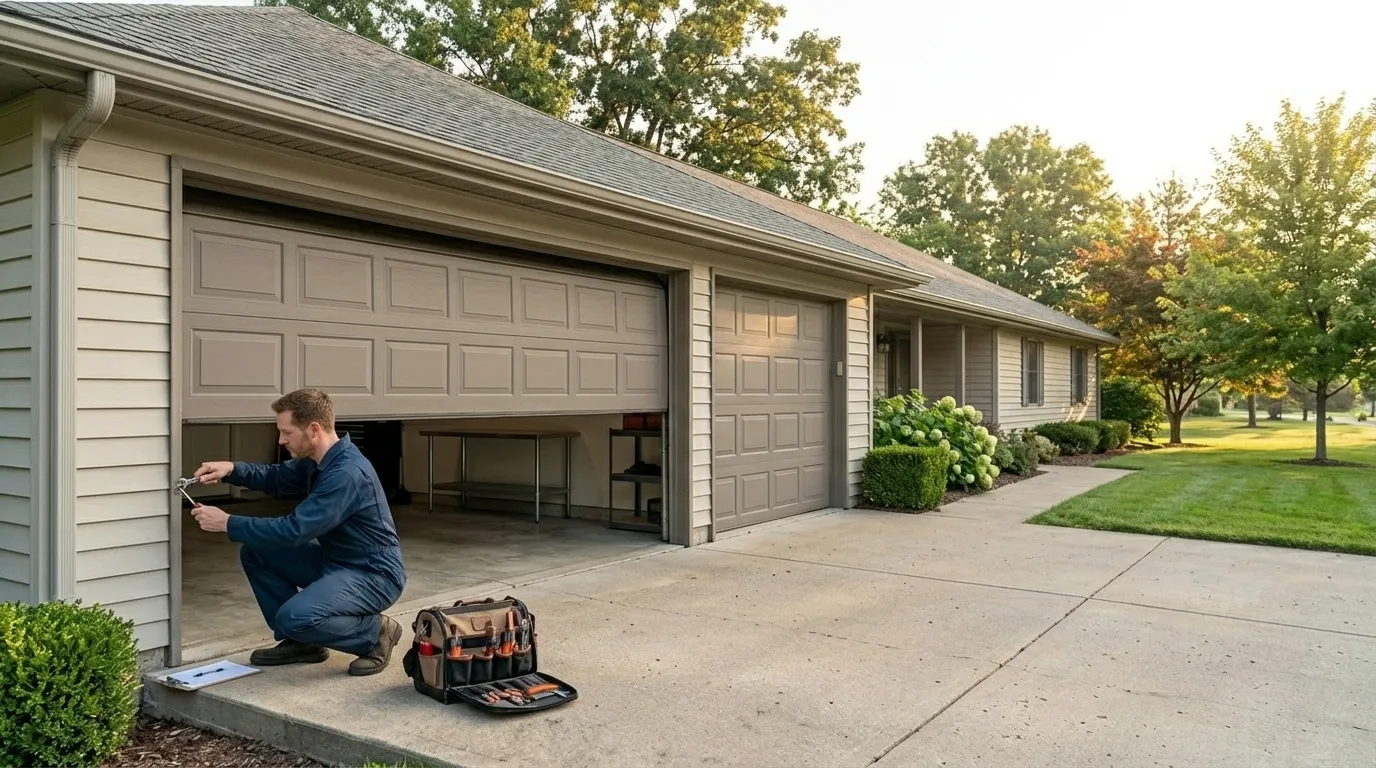
We run out of McKinney, about seven miles from Lowry Crossing, so a call here goes on the same route as the rest of the service area rather than a separate local crew. When you call, tell us the age of the house if you know it - for Lowry Crossing that's usually going to put us in early-to-mid '90s territory, which changes what we bring. A door that won't open, a spring that's snapped, or a track that's pulled loose from the wall are all things we can look at and quote on-site. What we can't do is promise a specific arrival window before we've talked through what's actually wrong and where you are relative to the rest of that day's stops.
The Cost of This Job
We don't have a set price to quote here without seeing the door, but the math that homeowners in Lowry Crossing tend to run is worth naming: with median household income at $110,357 in this pocket, we see more owners choose full spring-and-hardware replacement over a patch repair once a door hits the 25-30 year mark, because a patch on a drum or track that's already fatigued usually just delays the next call. That's not a sales pitch - it's what the numbers on a 1994-era door usually show once we're actually looking at the drum and cable condition.
What Causes It Around Here
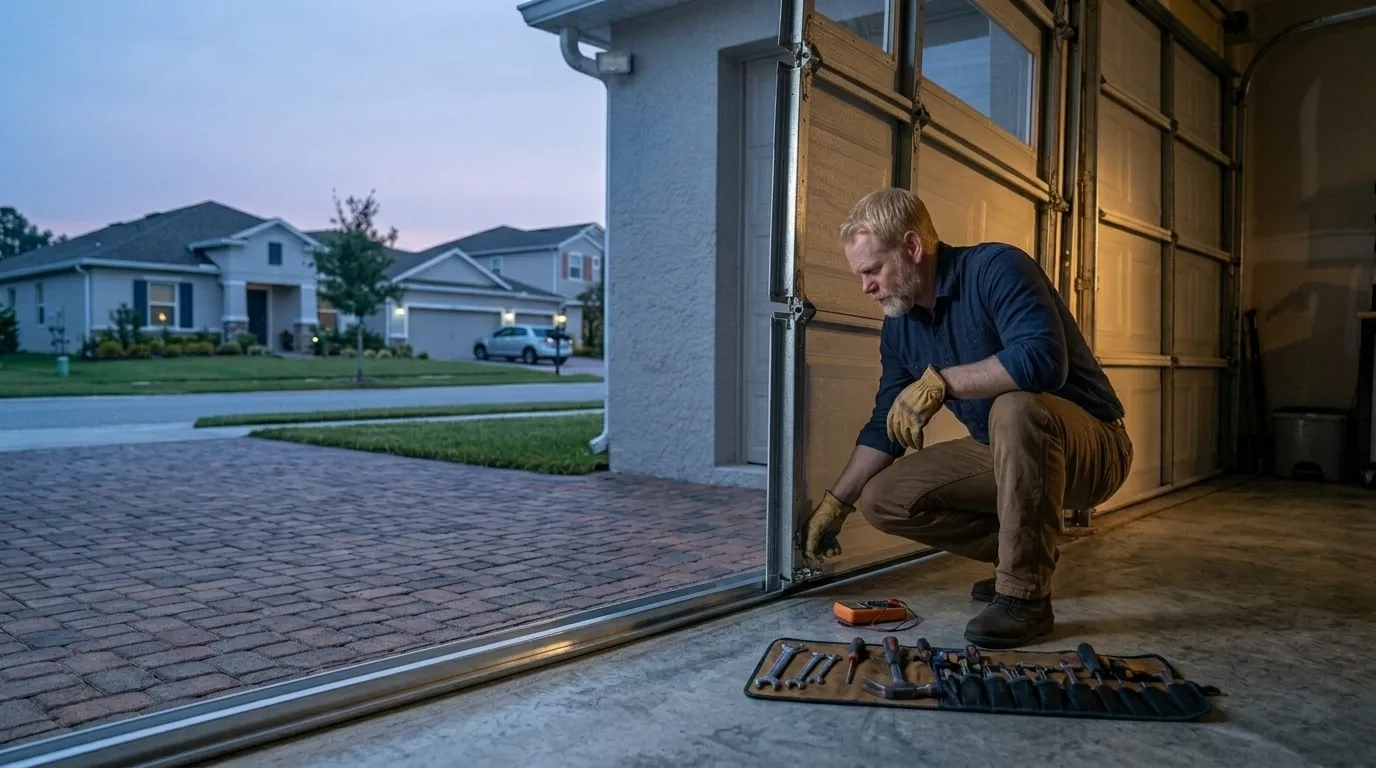
Two things line up in Lowry Crossing: the age of the housing stock and the heat. Doors from the 1994 build wave are old enough now that spring steel fatigue is the single biggest reason for the calls we get, not something dramatic - just years of daily cycles on a spring that was never meant to last forever. Layer on a moderate heat climate band for this part of Texas, and steel expansion and contraction on tracks and brackets speeds up the wear on anything already marginal. It's not corrosion the way a coastal climate would cause it; it's more that summer heat softens lubricant on rollers and hinges faster, so a door that's already tight or slightly misaligned starts binding sooner than it would in a cooler climate.