The Complications
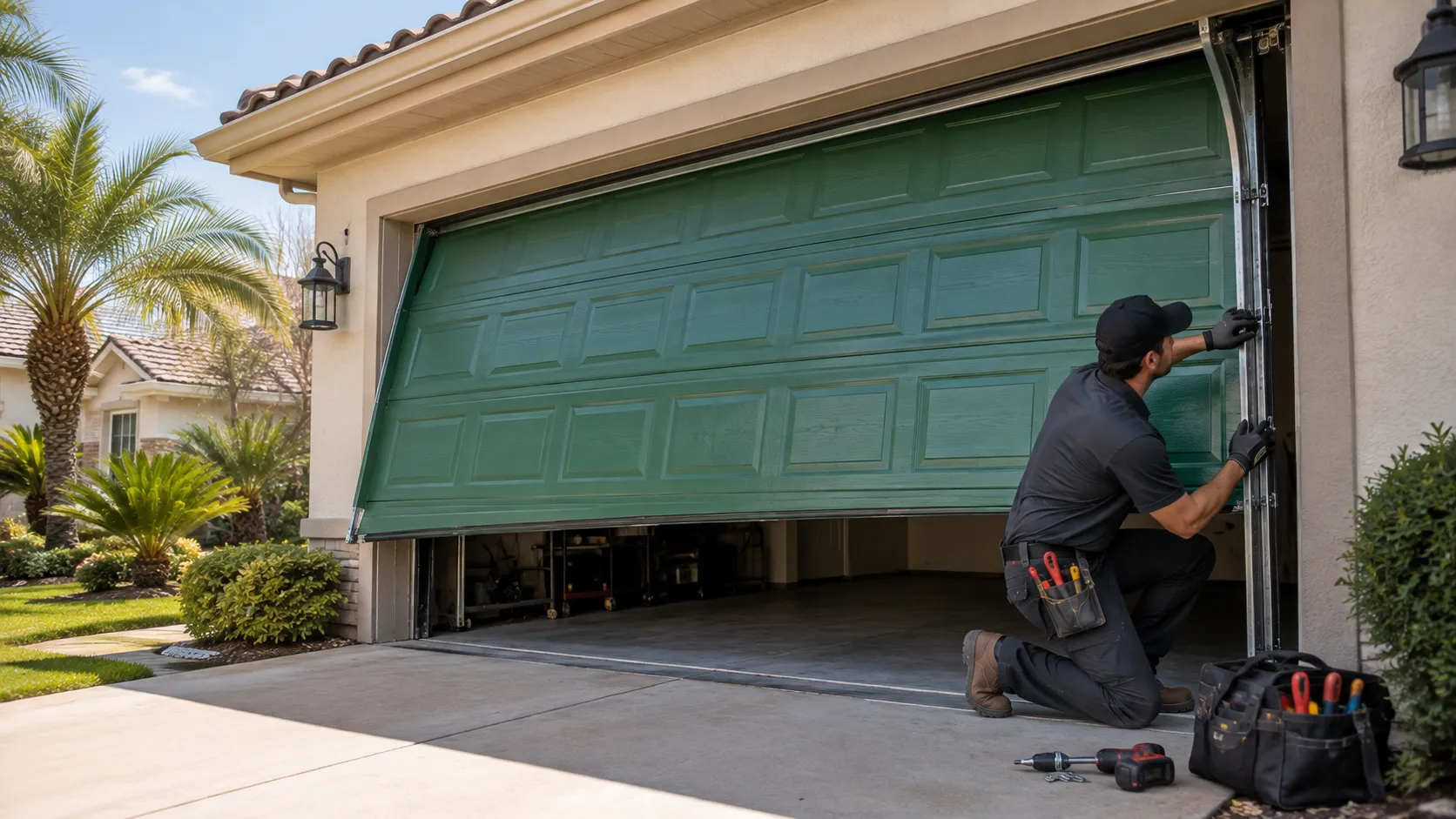
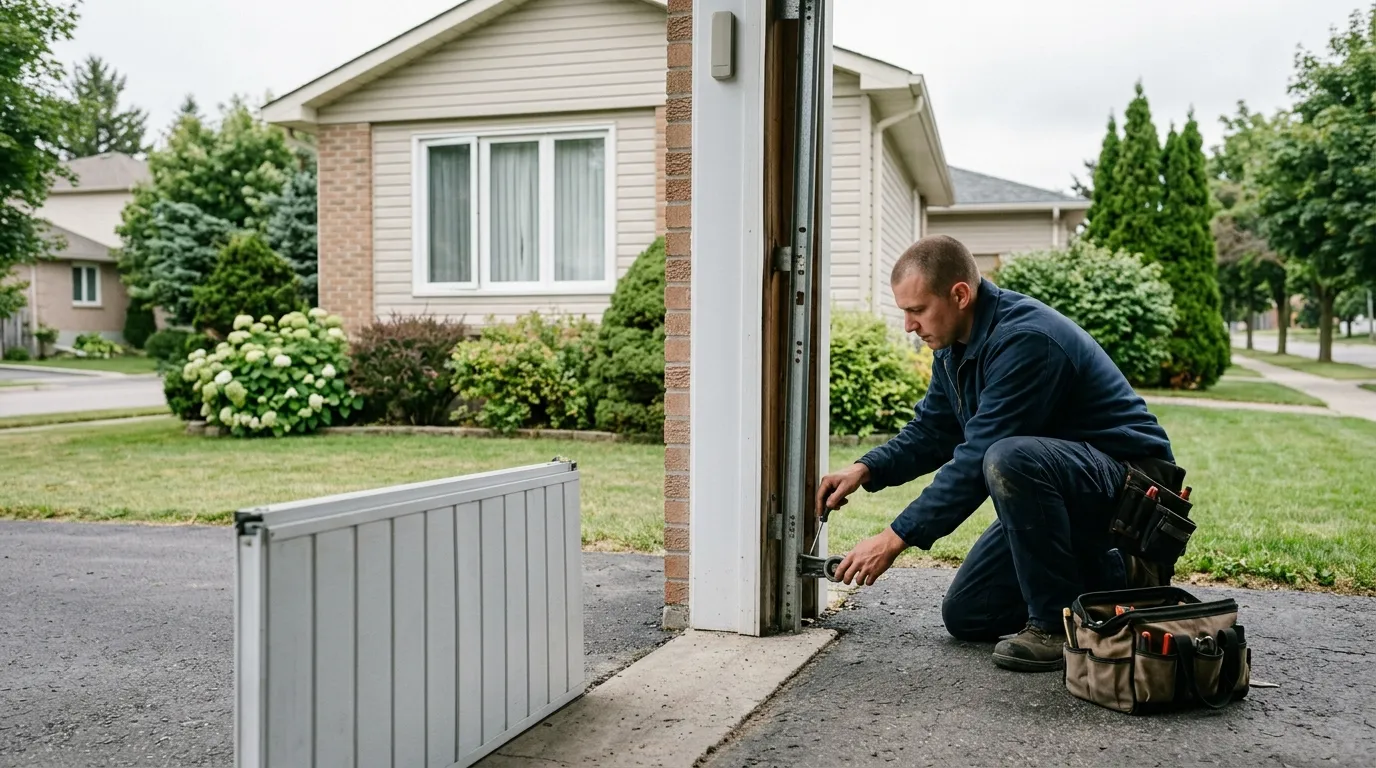
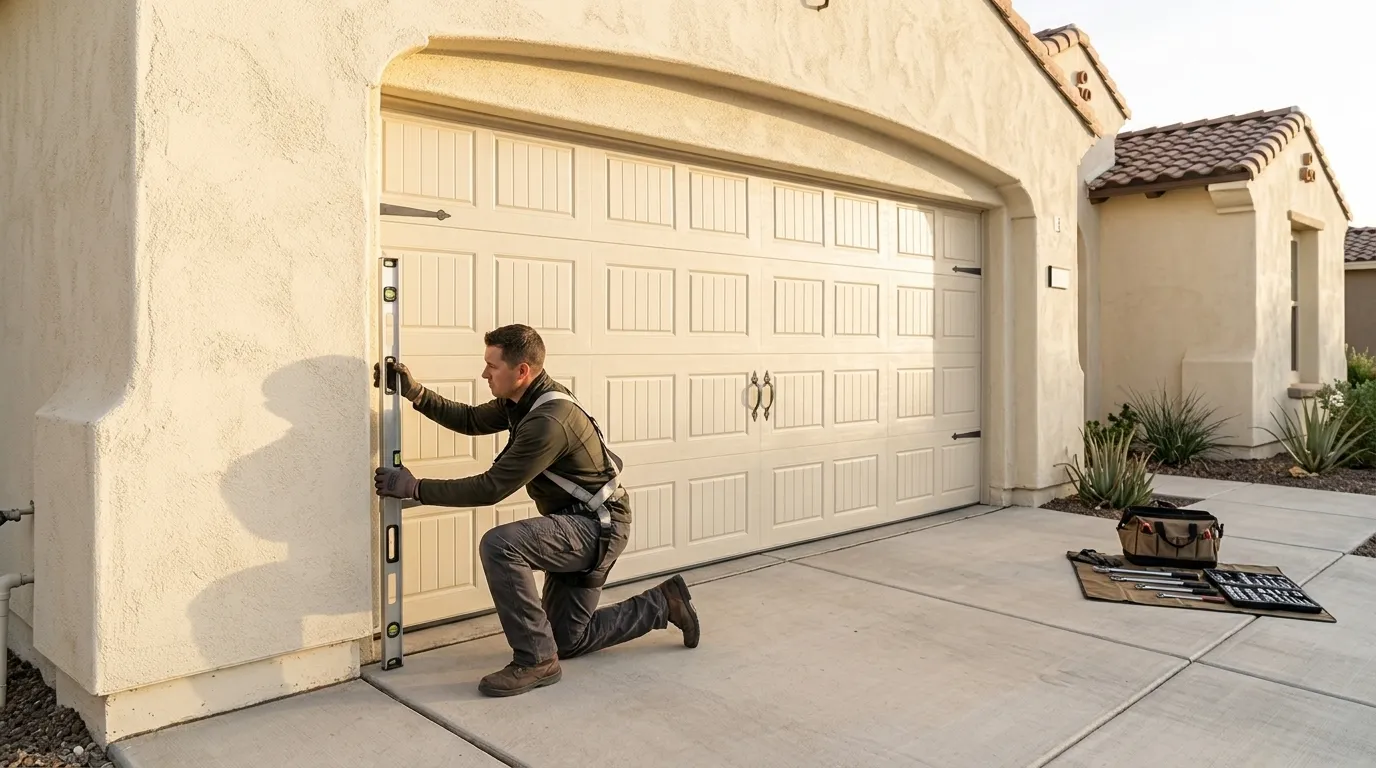
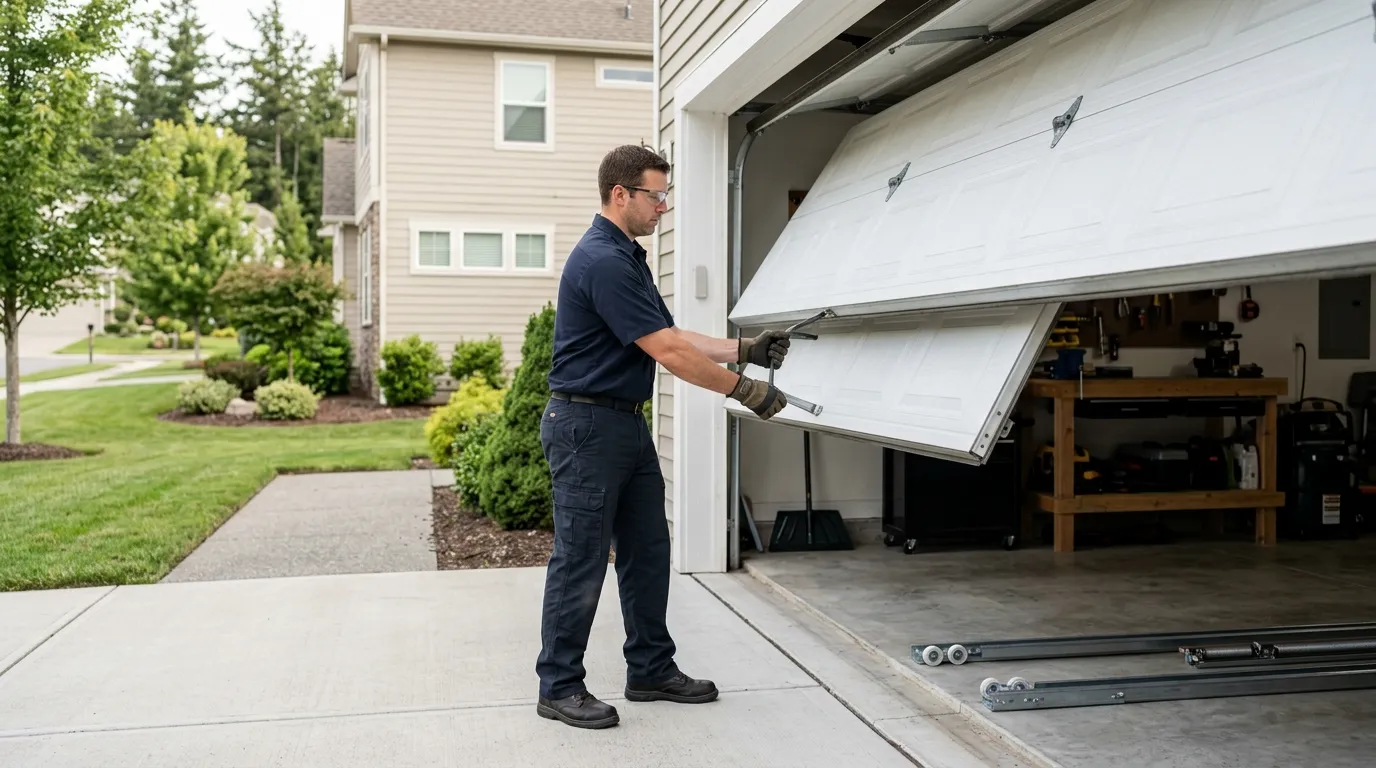
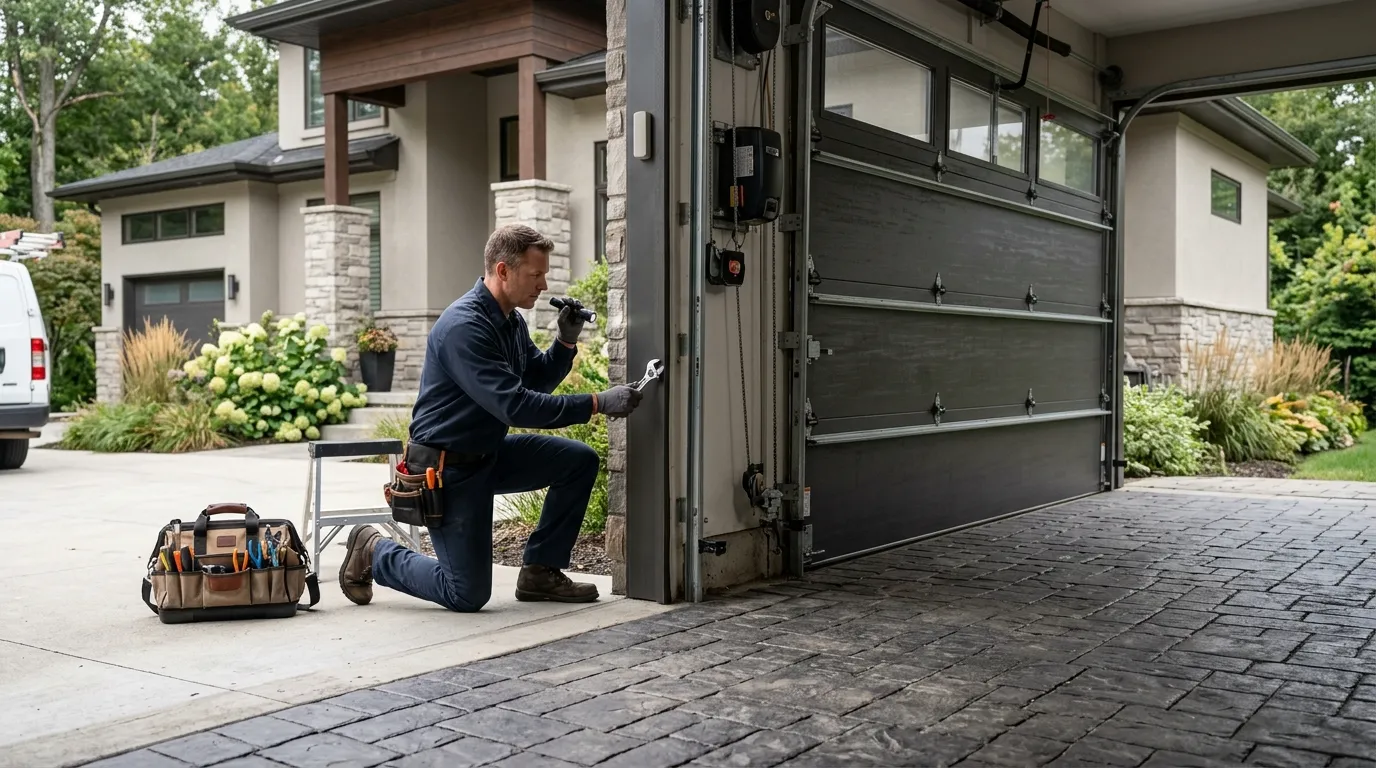
Most houses in Lowry Crossing went up around 1994, which puts the garage doors themselves squarely in the builder-grade steel era: raised-panel, non-insulated or single-layer, usually a 16x7 double on the front and sometimes a 9x7 single off to the side. By the time these houses were framed, torsion spring hardware had already become the standard over the older extension-spring setups, so what you've got behind that door is a torsion bar, a stationary cone, and springs sized for a door that's now three decades old. The steel skin holds up fine. What doesn't hold up is everything that moves - the spring, the rollers, the cable drums, the hinges at the stress points. Thirty years of open-and-close cycles wears all of it down at roughly the same pace, which is why when one part on a door this age fails, two or three more usually aren't far behind. We see this pattern often enough in this pocket of the service area that it's the first thing we check, not an afterthought.
Booking a Visit
We run out of McKinney, about 7 miles from Lowry Crossing, so a call here goes on the same route as the rest of our territory rather than a separate branch. There's no local depot to dispatch from - the truck comes from McKinney stocked for the job you describe on the phone, which is why we ask specifics: door size, whether it's making noise or just not moving, whether the opener light blinks a code. The more accurate that call, the less likely we show up needing a part we didn't bring. We don't quote a fixed response window here because we haven't got a number for that we can stand behind - we'll tell you honestly when we're headed your way and how far out we're starting from.
The Cost of This Job
Median household income in this part of the service area runs $110,357, slightly above the wider McKinney-area figure of $109,528, and it shows in what people ask for here - fewer patch jobs, more full spring-and-hardware replacements done right the first time, and more interest in insulated panel upgrades over a straight repair. We don't publish a flat price because a torsion spring swap on a 16x7 double costs differently than an opener replacement or a full door change, and we're not going to quote a number sight-unseen and then pad it once we're standing in your driveway. What we will say: a repair on hardware this age is usually the cheaper path unless the door itself - the panels, not the springs - has started to sag or rust through, at which point replacement starts making more sense than another repair.
What Causes It Around Here
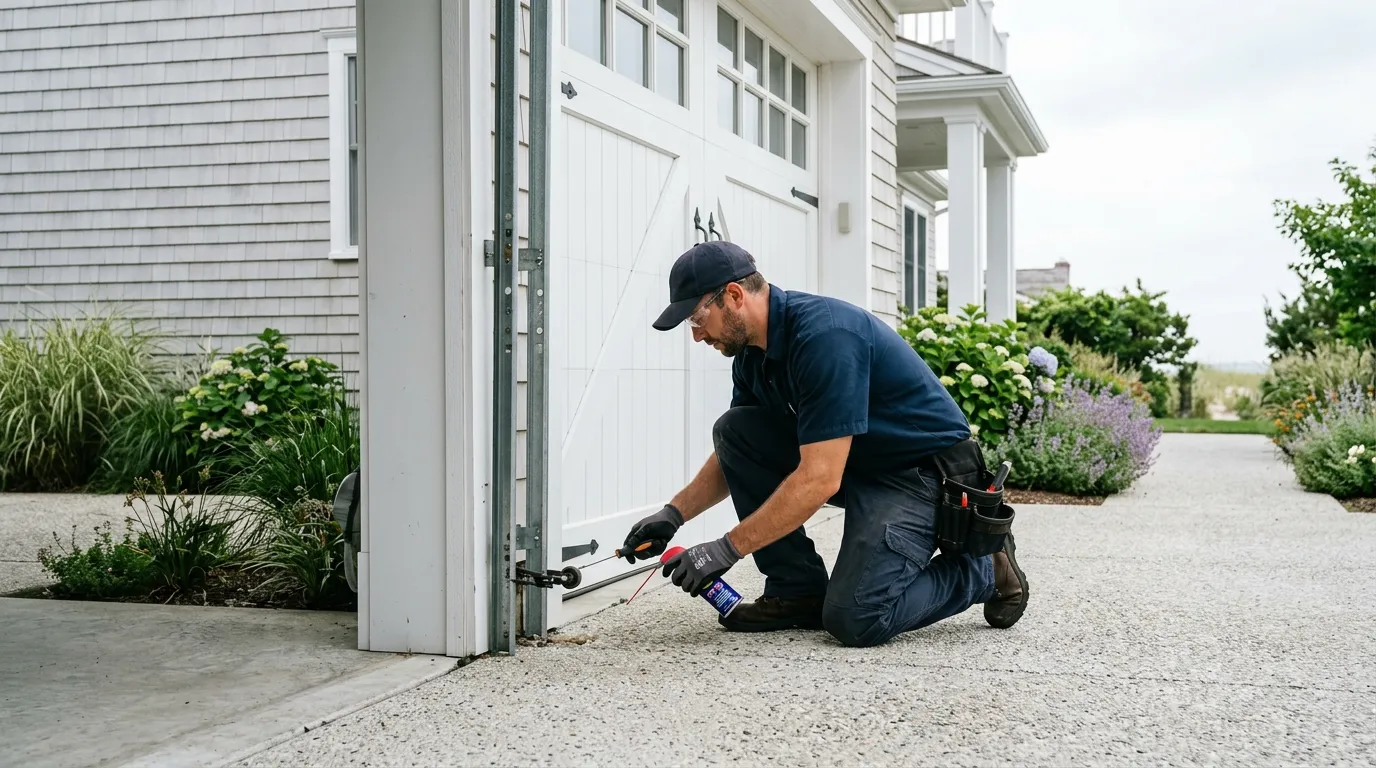
This area sits in a moderate-heat climate band, not the extreme swings some parts of the country deal with, but summer heat still does its slow work on garage door hardware - it dries out lubricant on tracks and rollers faster than people expect, and it can throw off the sensor alignment on older opener safety-eyes as mounting brackets expand and contract. Combine that with doors and hardware that are now most of thirty years old, installed when torsion springs were sized to specs, and you get springs that were never going to last forever meeting heat that speeds up the wear. It's not dramatic - nobody's door snaps open in a heat wave - but it's steady, and it's why a spring rated for a certain number of cycles tends to give out here right around the age these houses have reached.