The Complications
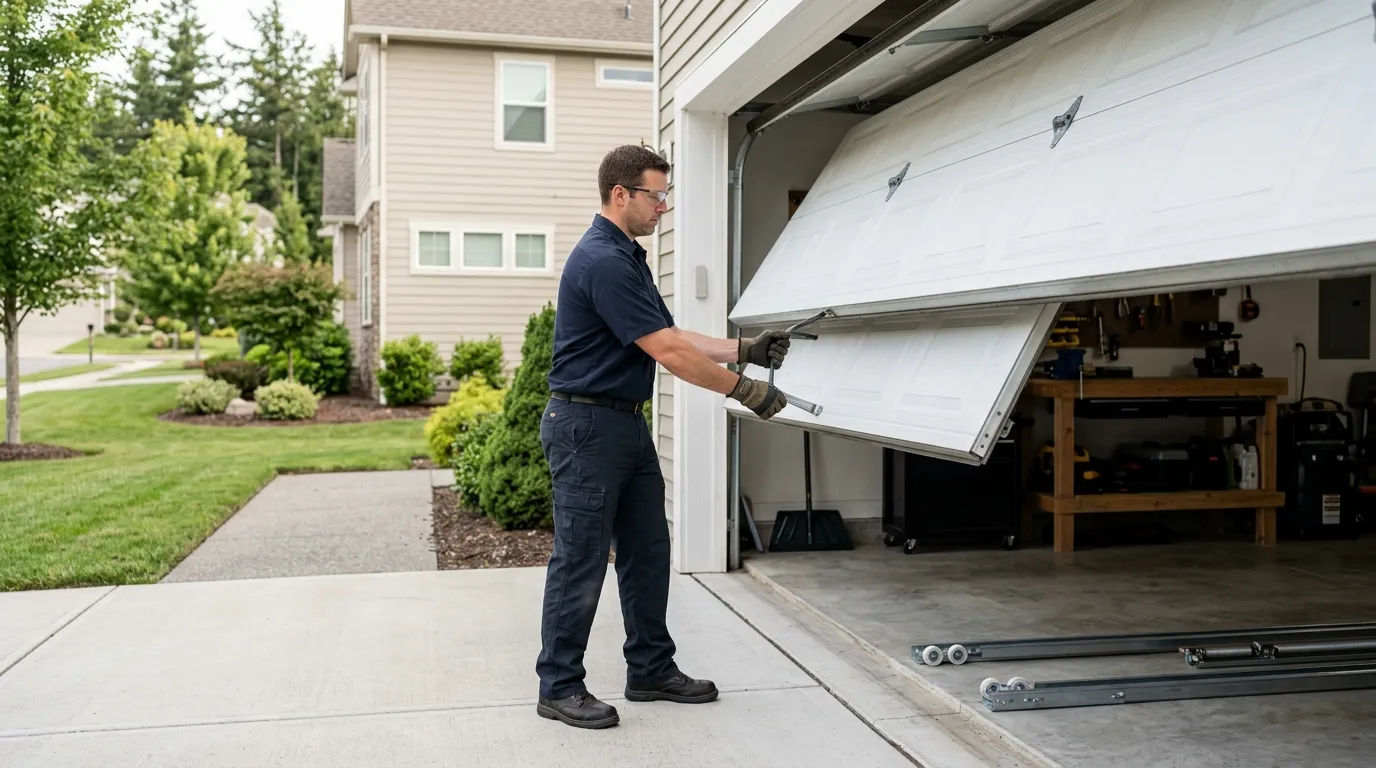
Lowry Crossing is seven miles out from our McKinney shop, and that drive shapes how the job actually runs. We're not pulling from a branch around the corner - every torsion spring, cable, and opener board rides out on the truck, so the call gets scheduled around what the truck is carrying that day, not the other way around.
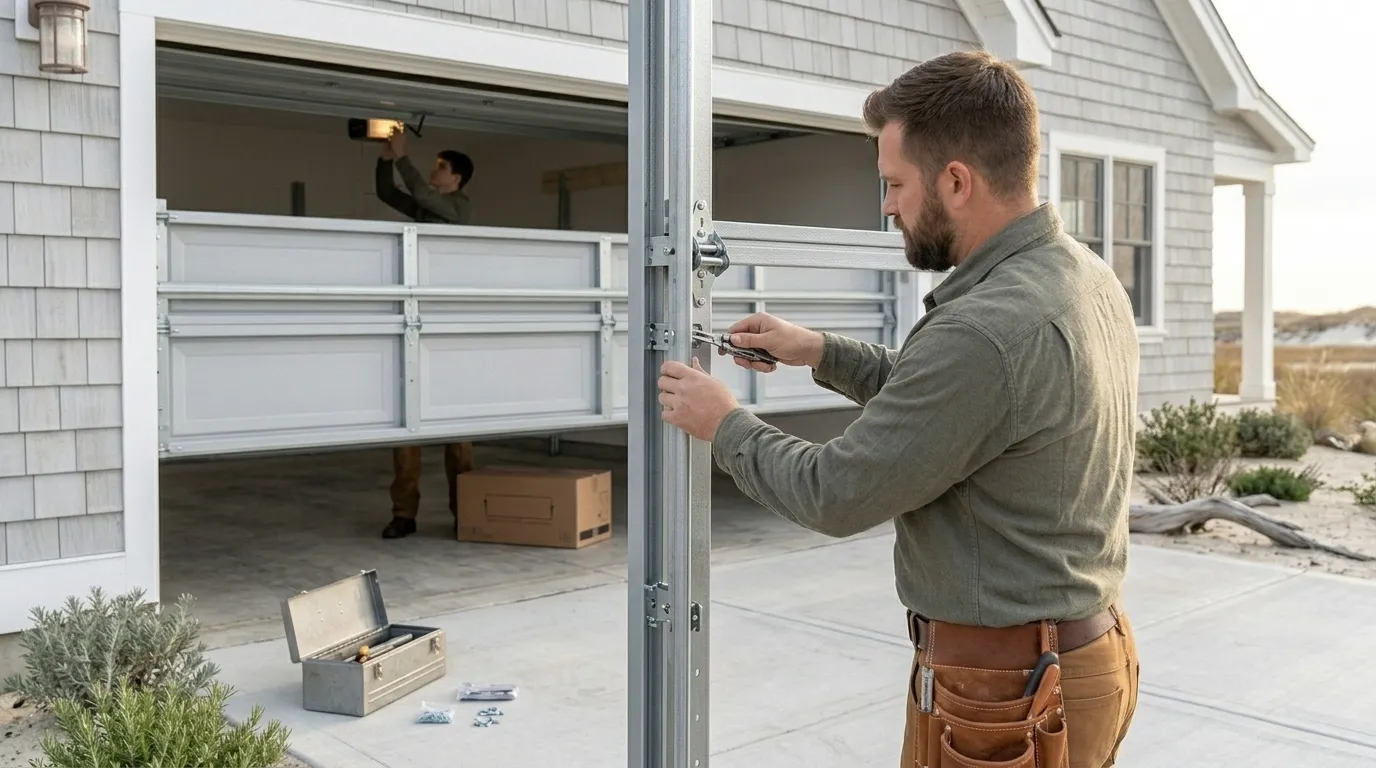
The other complication is the building stock itself. This part of the service area centers on construction from around 1994, a decade or more older than the newer subdivisions closer to McKinney. That means original hardware - springs, track, and openers sized to specs nobody stocks off the shelf anymore. A commercial door here is more likely to be a detached shop, a work bay tied to a residential lot, or a small business building than a big tilt-up warehouse, and the fix has to match what's actually mounted, not a generic size.
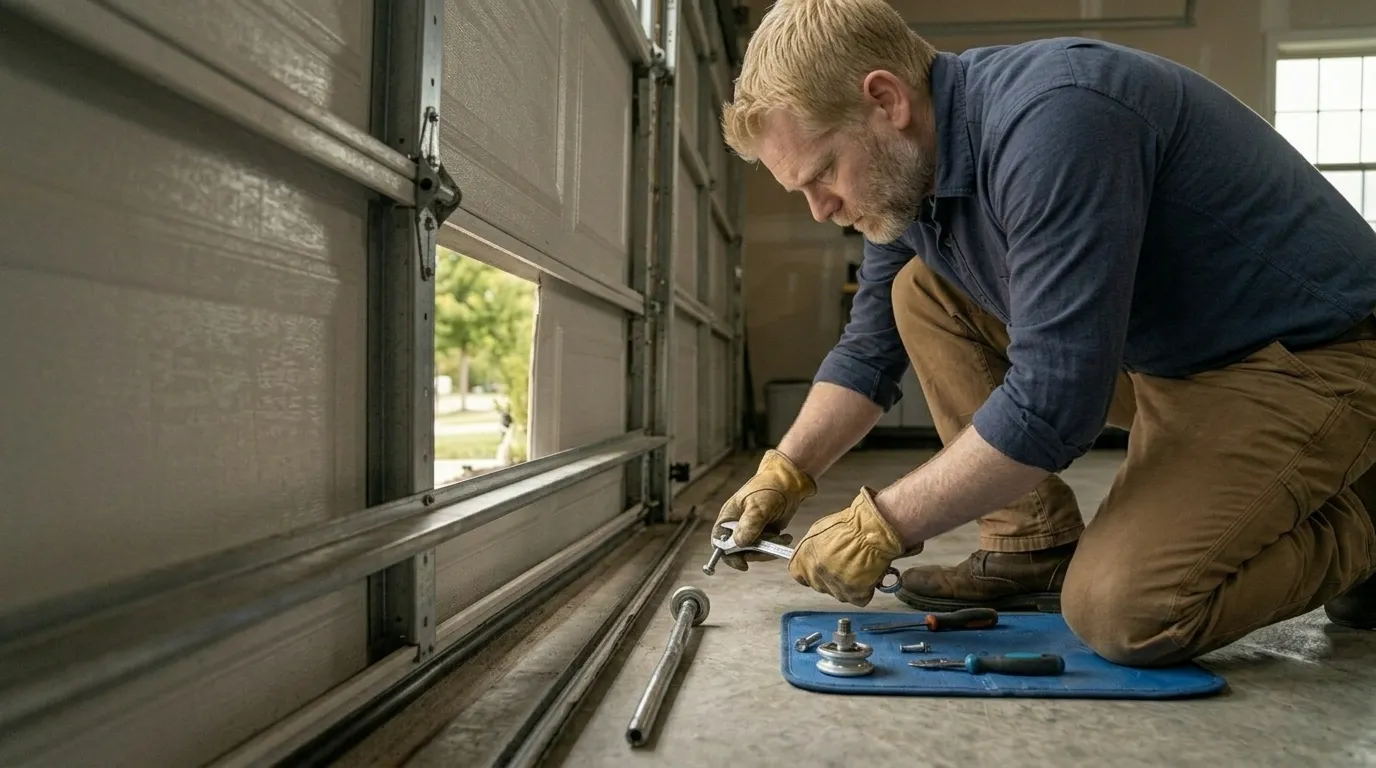
We don't carry every gauge of commercial spring on the truck for every visit. If the door turns out to need a size we don't have loaded, that's a second trip, not a guess.
Booking a Visit
There's no McKinney Garage Door Co. location in Lowry Crossing - we work the town from our McKinney shop, seven miles away. That distance is short enough that we can usually get a truck out the same day or the next, but it does mean the visit gets built around the route, not walk-in availability.
When you call, tell us what the door does or doesn't do - won't close, opener strains and reverses, cable's off the drum - and roughly how old the building is if you know it. With only 642 households in Lowry Crossing itself, we're not running multiple trucks through here daily, so giving us that detail up front lets us load the right spring and roller stock before we leave McKinney instead of diagnosing blind on site.
We book by the job, not a flat time slot, because a stuck cable and a dead opener board take different amounts of bay time. If parts need ordering - an odd-width panel or a discontinued opener logic board - we'll say so on the call, not after we've already made the drive.
The Cost of This Job
We're not going to put a number here that isn't tied to the door in front of us. Commercial spring replacement, opener swap, and full door replacement price out differently depending on door width, spring count, and whether the opener logic board is standard or proprietary - and we don't have a fixed rate on file for Lowry Crossing to quote sight unseen.
What we can say is that the drive itself doesn't change the bid. A seven-mile trip from McKinney gets folded into the job the same as work closer to the shop - you're not paying extra because the truck had to travel.
The honest limitation: if a door's original hardware is old enough that matching parts are discontinued - which happens with buildings from the early 1990s - full replacement sometimes ends up cheaper than chasing down obsolete pieces for a repair. We'll tell you that on site rather than run up a repair bill on a door that's on its way out anyway.
What Causes It Around Here
The climate band here runs moderate on heat, so we're not dealing with the extreme swings that snap springs from cold shock the way colder regions do. The bigger driver of failure is age catching up with hardware that's been cycling for close to thirty years.
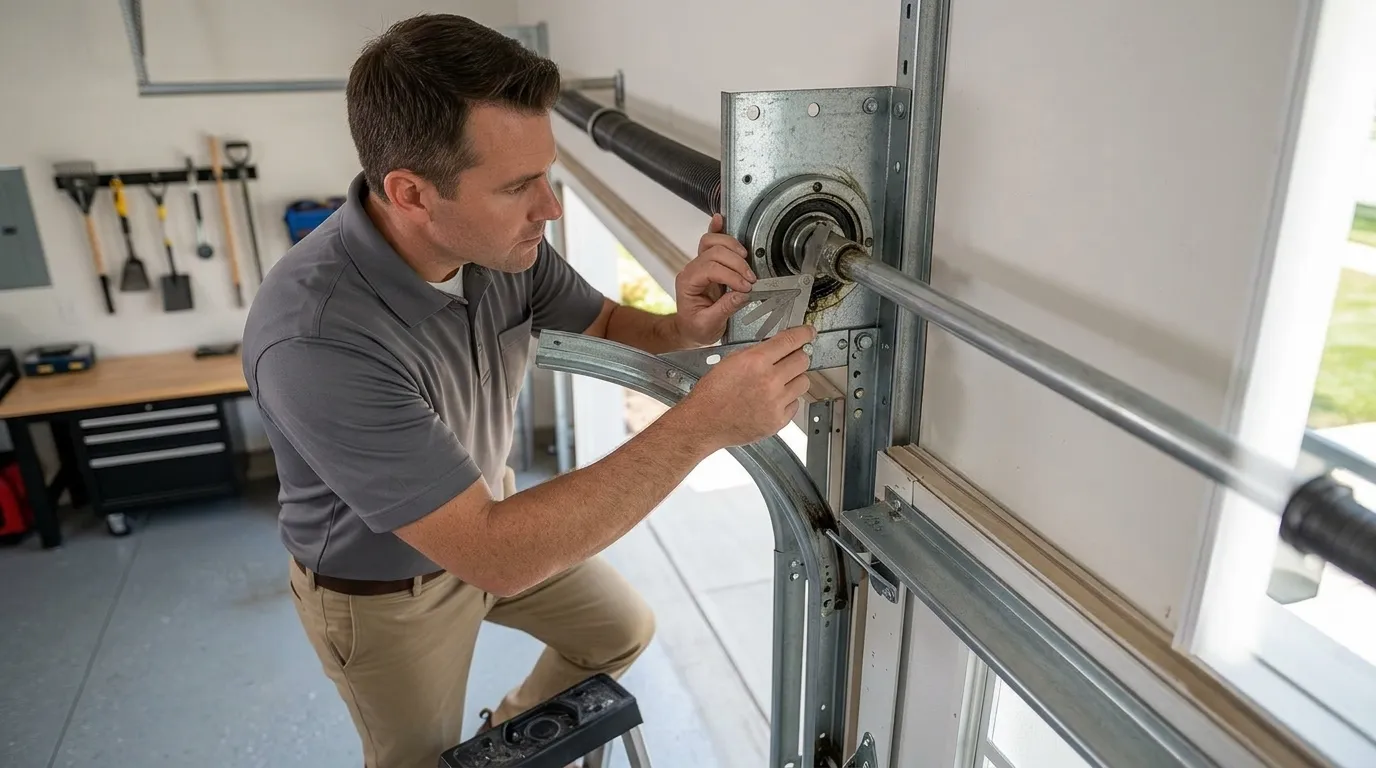
A torsion spring installed when a building went up around 1994 has a duty cycle, and most commercial doors in this size range cycle more than a household garage door does - deliveries, staff, equipment moves. That adds up faster than the spring's rated life, and it's common for us to find the original spring still in place, just past due.
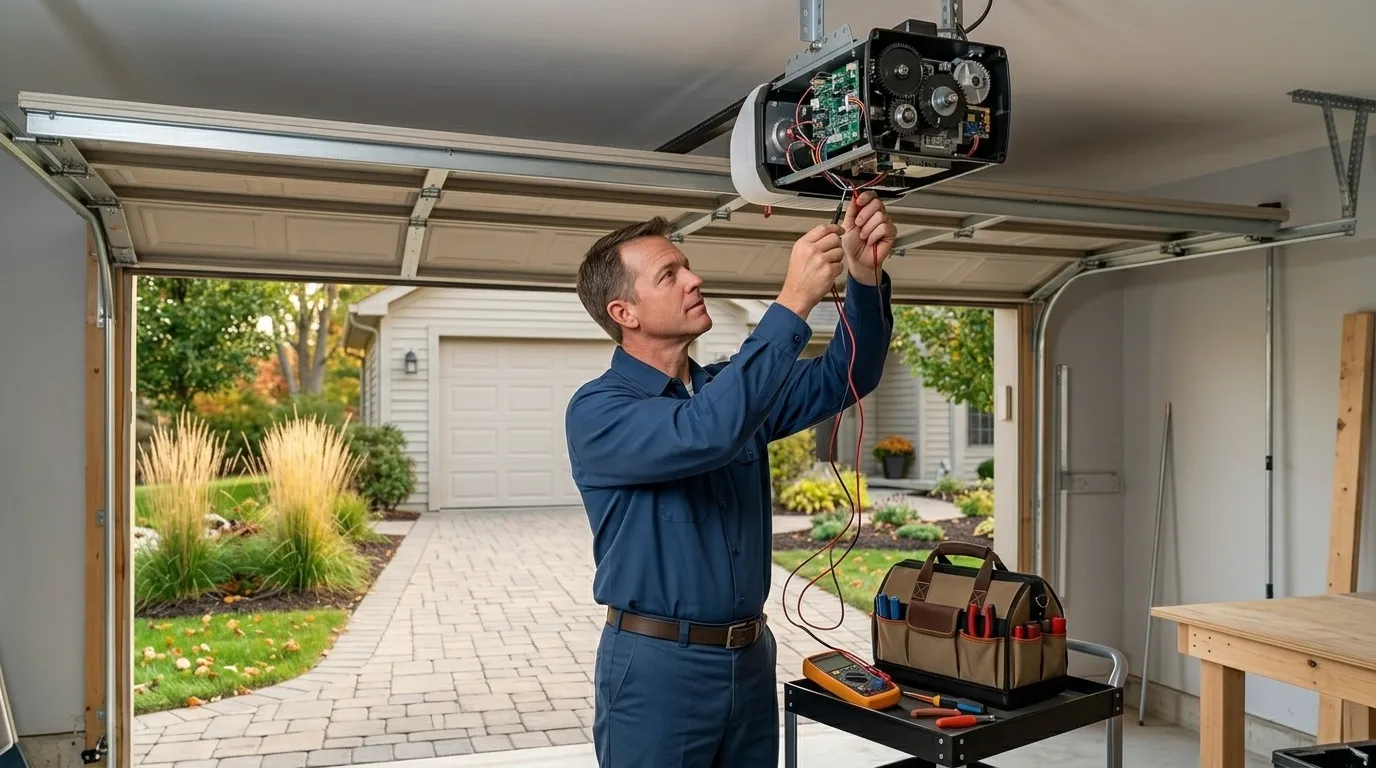
Openers from that era are the other common failure point. Chain-drive units built in the 1990s were solid for their time, but the logic boards and gear sets wear down, and replacement boards for some of those older commercial models aren't made anymore. When that happens, the fix is usually a full opener swap rather than a board repair.