How Long It Takes
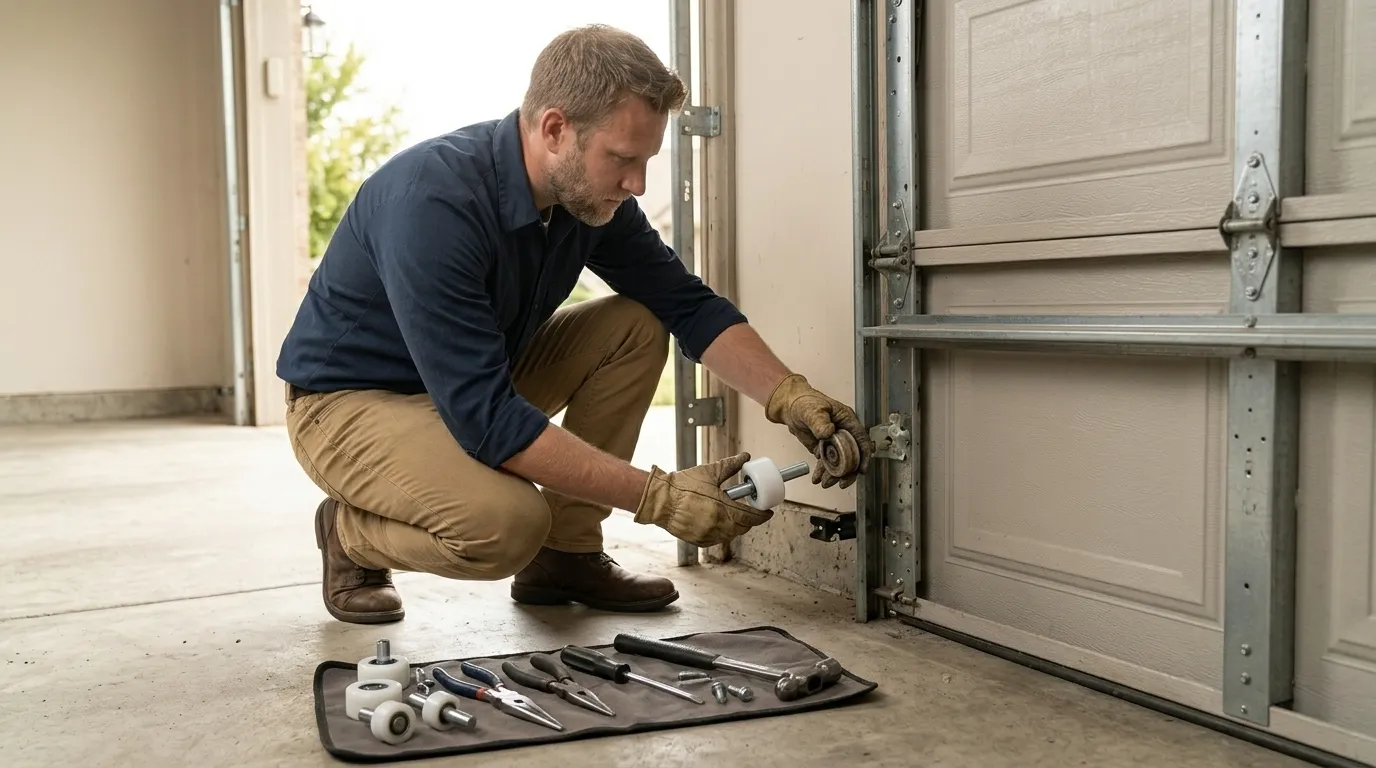
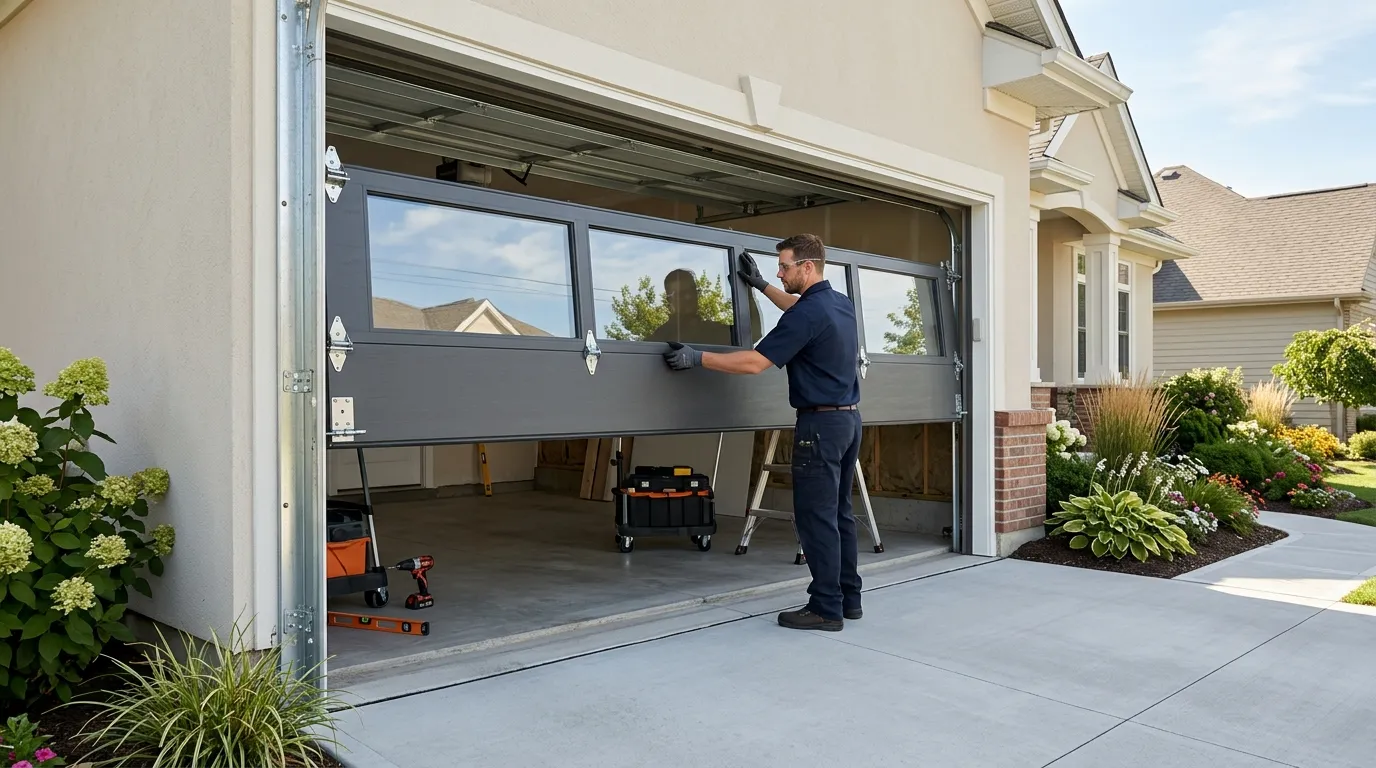
Princeton sits about 8 miles from our shop in McKinney, close enough that a roller job doesn't turn into a half-day event just from windshield time. That matters here more than it might elsewhere, because a lot of Princeton's housing went up around 2012 - newer than the broader service area's 2005 median - which means most of these doors are still on their first set of rollers. When those rollers finally give out, it's rarely a surprise call; it's a scheduled one, and the drive doesn't eat into the actual repair window the way it would on a job stacked with detours. We roll a truck stocked for the job, do the swap, and don't need to improvise because the hardware on a 2010s build is predictable.
We're not a Princeton branch - we work out of McKinney and cover Princeton along with Fairview, and the rest of the towns within a short drive. That's worth saying plainly so nobody expects a local depot or a same-day guarantee we can't back up. What we can back up is knowing what's behind the door once we get there.
The Symptom
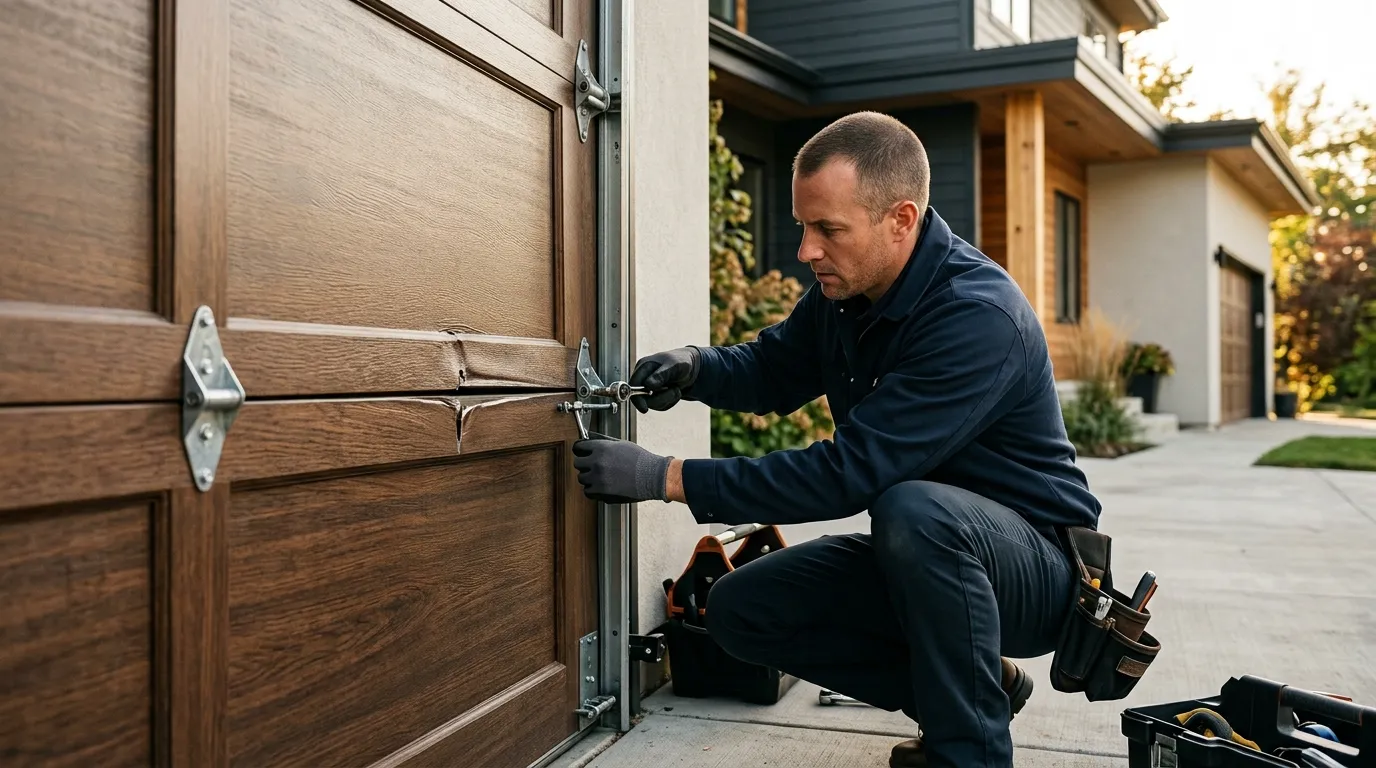
On a door installed around 2012, ten to thirteen years puts you right at the point where the original rollers - usually plain steel or unsealed nylon on a builder-grade install - start grinding instead of rolling. You'll hear it before you see it: a rhythmic scrape or knock as the door travels, worse in the last foot before it seats. Sometimes a roller has cracked and is riding on the stem instead of the wheel, which chews a flat spot into the track.
This is a different fault pattern than what shows up on the area's older housing stock, where doors dating back toward the 1970s-1990s range are more likely dealing with rusted-out tracks or springs that gave up first. In Princeton, with the newer median build year, the rollers tend to be the first part to fail, not the last. If your door is jerking or hesitating at a specific spot in its travel every single time, that's a worn roller catching on a burr or pit, not a spring problem - worth knowing before you assume the bigger, pricier repair.
The Cost of This Job
We don't have a published price to quote here, and we're not going to make one up. What we can say is that roller replacement is one of the more contained garage door repairs - it doesn't touch springs or the opener, so the labor and parts stay narrow compared to a full hardware overhaul. With Princeton's median household income sitting at $96,766 across the area, most owners we talk to are weighing this against a full door replacement, and for a door built in the 2012 range, replacing rollers almost always makes more sense than replacing the door itself. The door's still young; the wheels just wore out first.
The Complications
The most common complication on a newer build isn't the roller, it's what's attached to it. Builder-grade track brackets are sometimes set slightly out of plumb from the original install, and a worn roller can mask that misalignment for years before it finally shows up as binding once the new roller goes in. We check bracket alignment as part of the swap, not as an upsell.
The other wrinkle: on a two-car garage with a single wide door, one bad roller usually means its neighbors aren't far behind, since they've logged the same cycles. We'll flag that rather than replace only the one that's making noise and leave you calling us back in six months for the one next to it.