How Long It Takes
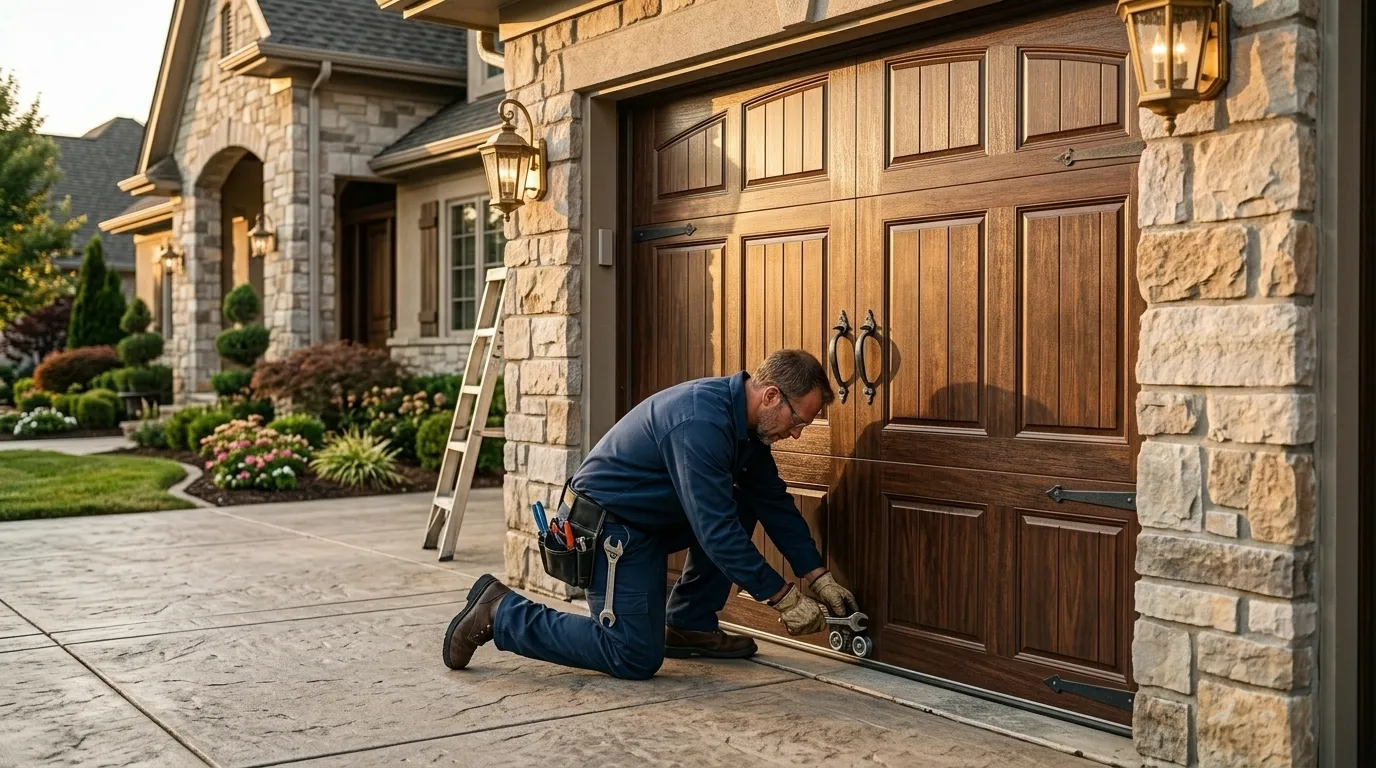
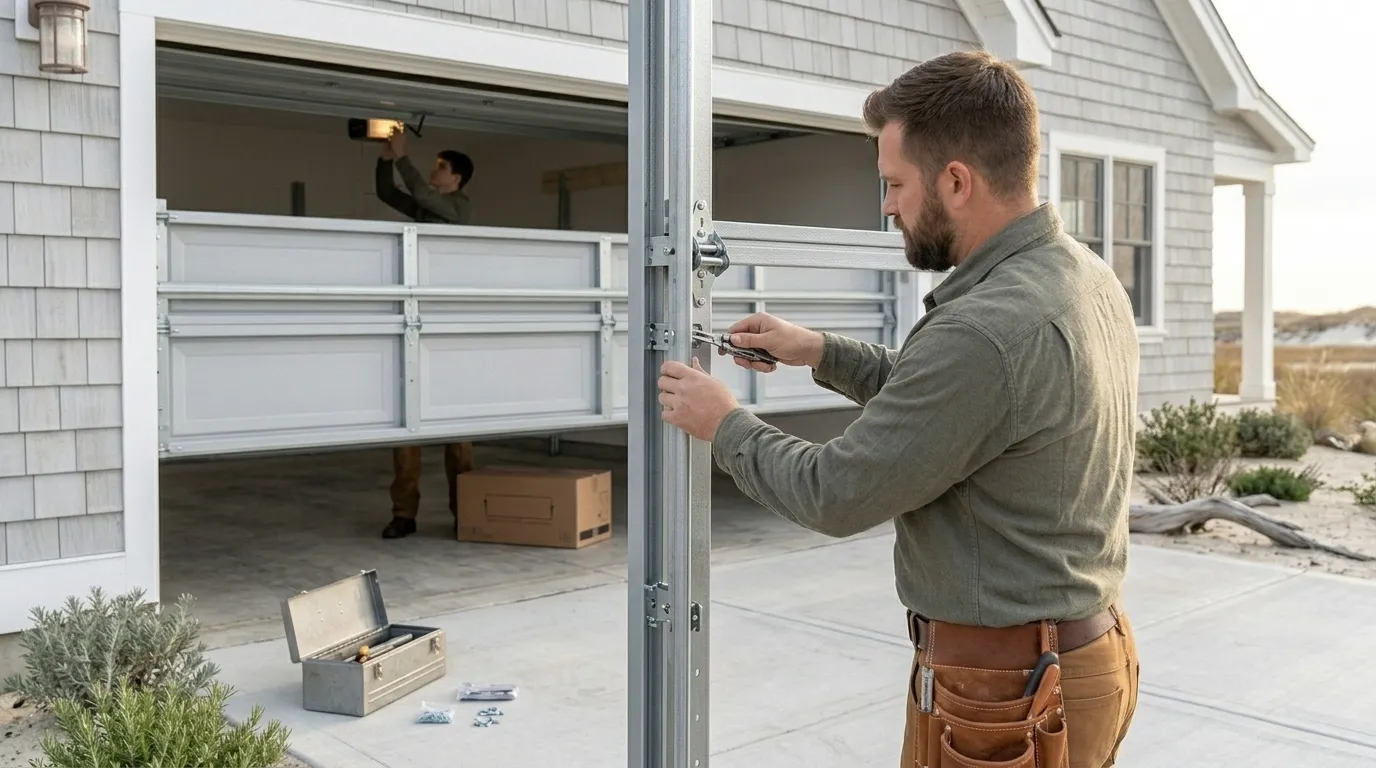
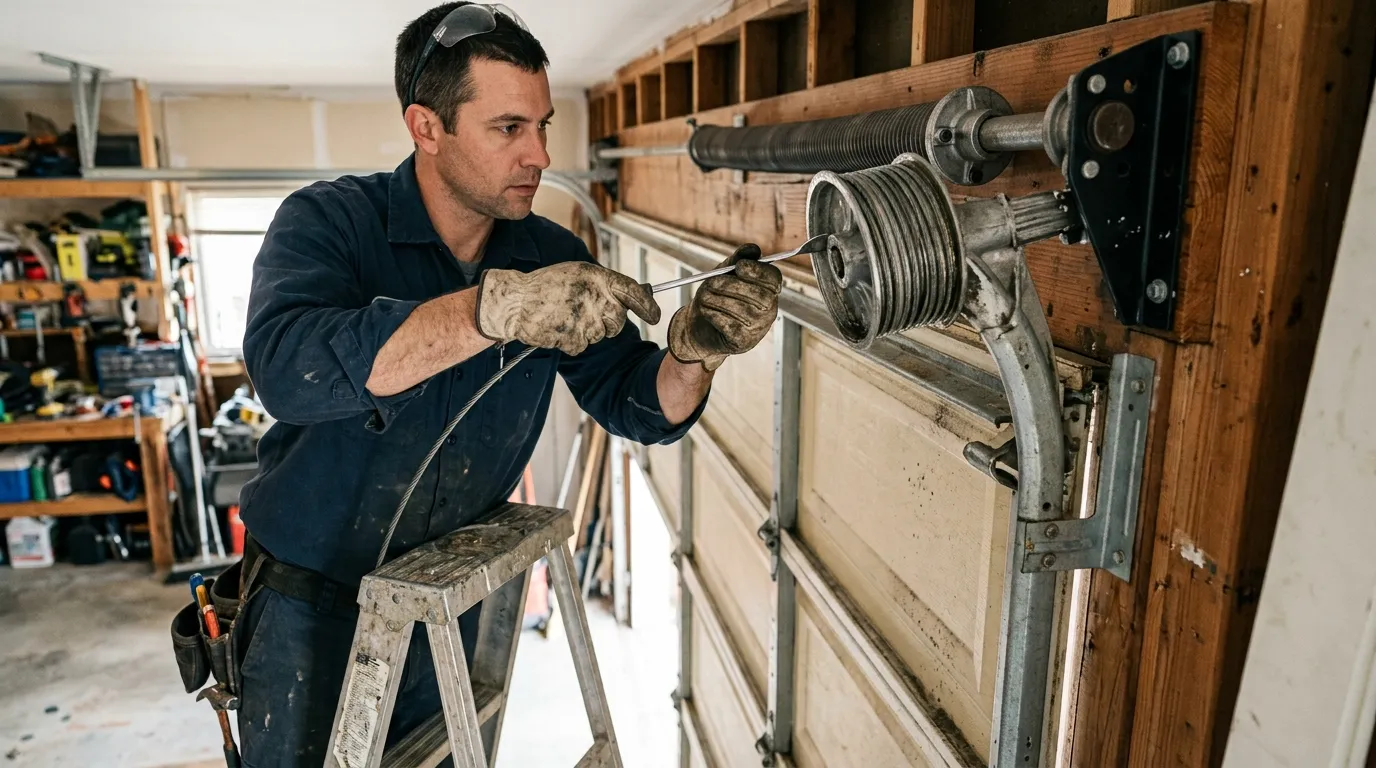
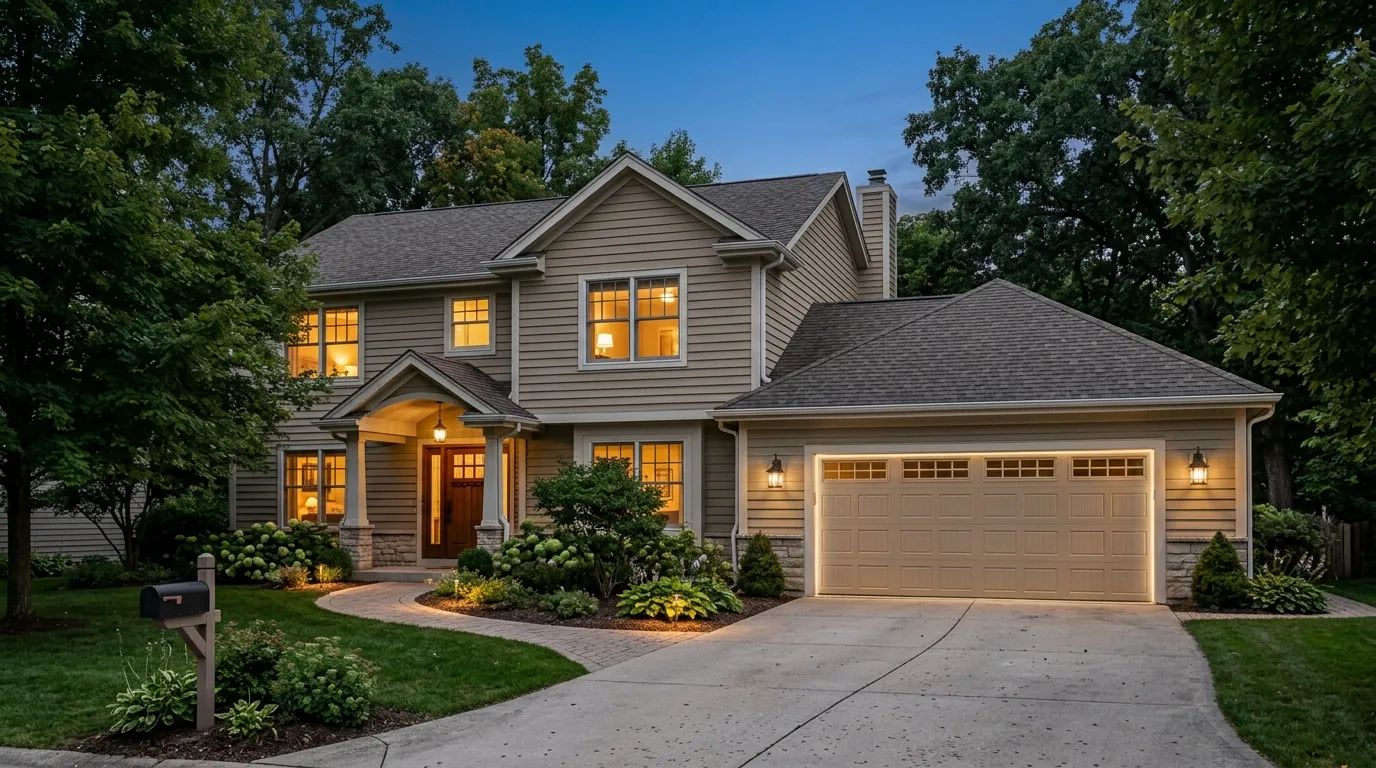
Princeton's housing stock is younger than most of the towns we cover out of McKinney - the median build year here runs around 2012, which puts most garage doors well inside the era of steel construction with factory-injected foam panels rather than the older wood-composite fill you'll find on 1990s doors closer to the McKinney core. That matters for how a job runs. A single-panel swap on a door this age is usually a same-visit job: we pull the section number off the door's end stile, match it against current stock sizing, and if it's a common width, the swap itself takes an hour or two once we're on site. What slows a job down isn't the door, it's the finish - Princeton's newer subdivisions lean toward specific woodgrain laminate overlays and matching colors that aren't sitting on the truck as a stock item and have to be special-ordered. If your door has a factory color match or a laminate wrap, expect us to quote the section, order it, and schedule the install as a second trip rather than promise a same-day fix.
The Symptom
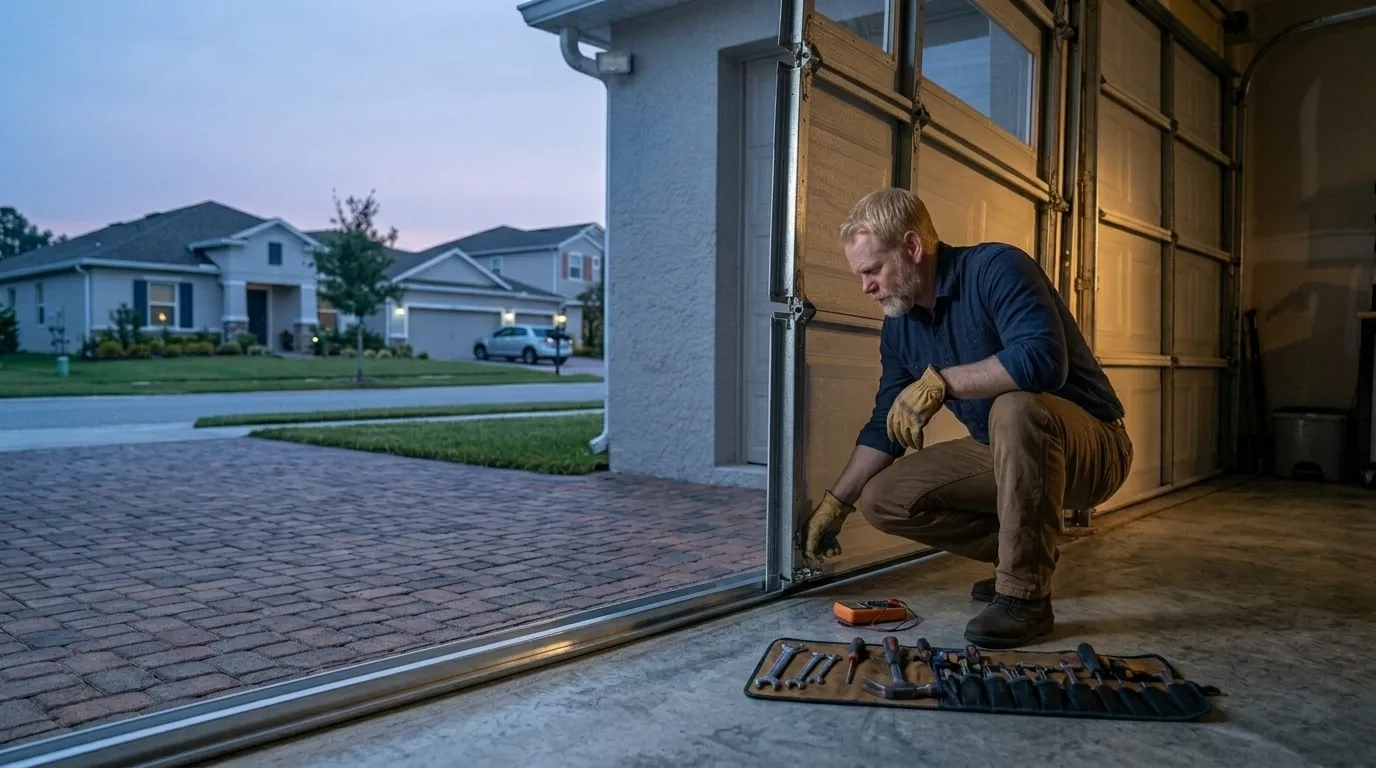
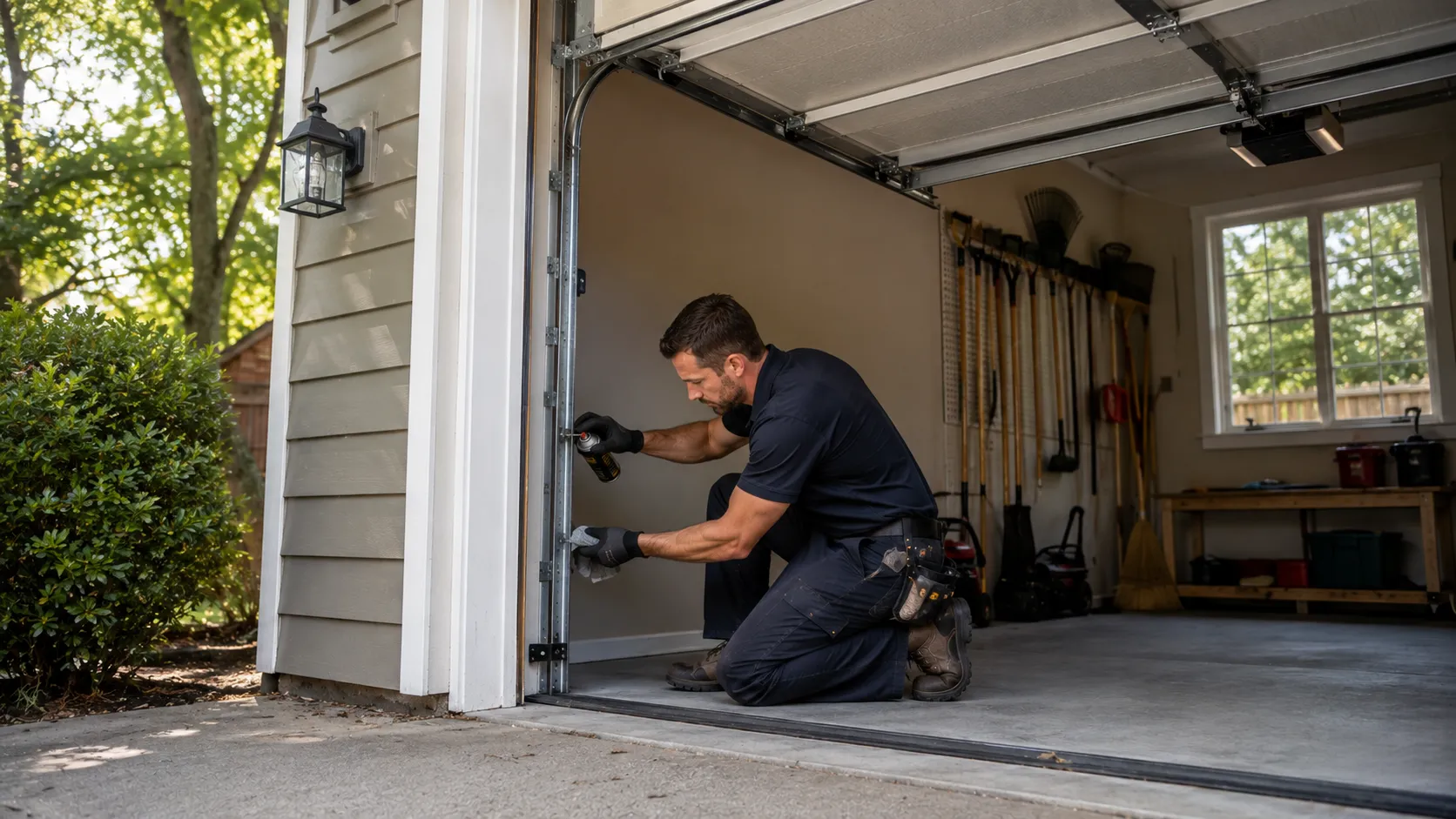
On a 2012-era door, panel damage rarely comes from age - the steel and the foam core aren't degrading yet the way an older door's would. What we see instead is impact damage: a dented lower section from a backed-into bumper, a cracked panel from a basketball or a errant trailer hitch, or a bowed section where the door's been forced closed against an obstruction. Because these doors use tighter-tolerance steel skins than the heavier gauge stuff from the 1990s, a dent that would just cosmetically mar an older panel can sometimes crease the steel enough to bind against the track on a newer, thinner-gauge section. If your door is sticking or grinding partway through its travel and you can see a visible dent or crease in one section, that's very often the panel itself fouling the track, not the opener or the springs. A door that won't seal flush at the bottom on an otherwise new-looking installation usually means one warped or dented section, not a full-door problem.
The Cost of This Job
We don't have a posted price for this job and won't invent one here - panel cost depends on the door's manufacturer, the section's width and insulation R-value, and whether the color or laminate has to be special-ordered. What we can tell you is what drives the cost up or down on a door of Princeton's typical age: a plain white steel section in a common width is the cheapest and fastest option, a foam-insulated section costs more than a hollow one, and any custom woodgrain or laminate finish adds both material cost and lead time since it isn't a stock item. If more than one section on the same door is damaged, replacing all of them at once is usually cheaper per-panel than doing it twice, since it's one trip and one hardware setup instead of two.
The Complications
The most common complication on newer doors is finding an exact color or laminate match - builder-grade doors installed across Princeton's newer developments often come from a handful of manufacturer runs, and if your subdivision's door line has since been discontinued or updated, the replacement section may not match perfectly even when it's the same brand. We'll tell you upfront if that's the case rather than promise a seamless match we can't deliver. The other complication: if the impact that damaged the panel also knocked the track out of alignment, replacing the panel alone won't fix the binding - that's a second repair, and we'll flag it during the estimate rather than after the panel's already installed. One thing we won't do is force a mismatched panel onto a door track that's out of square just to close the job faster; if the door needs track work first, we say so.