How Long It Takes
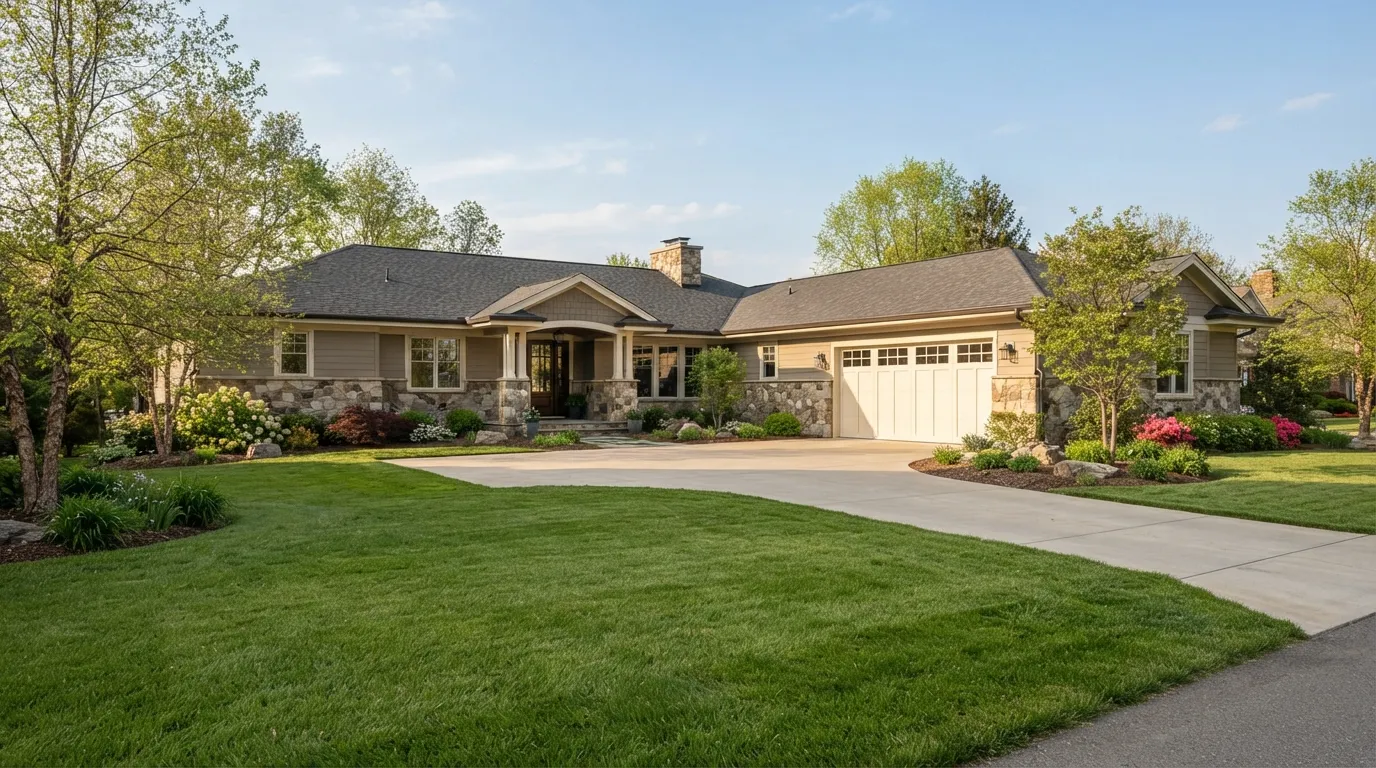
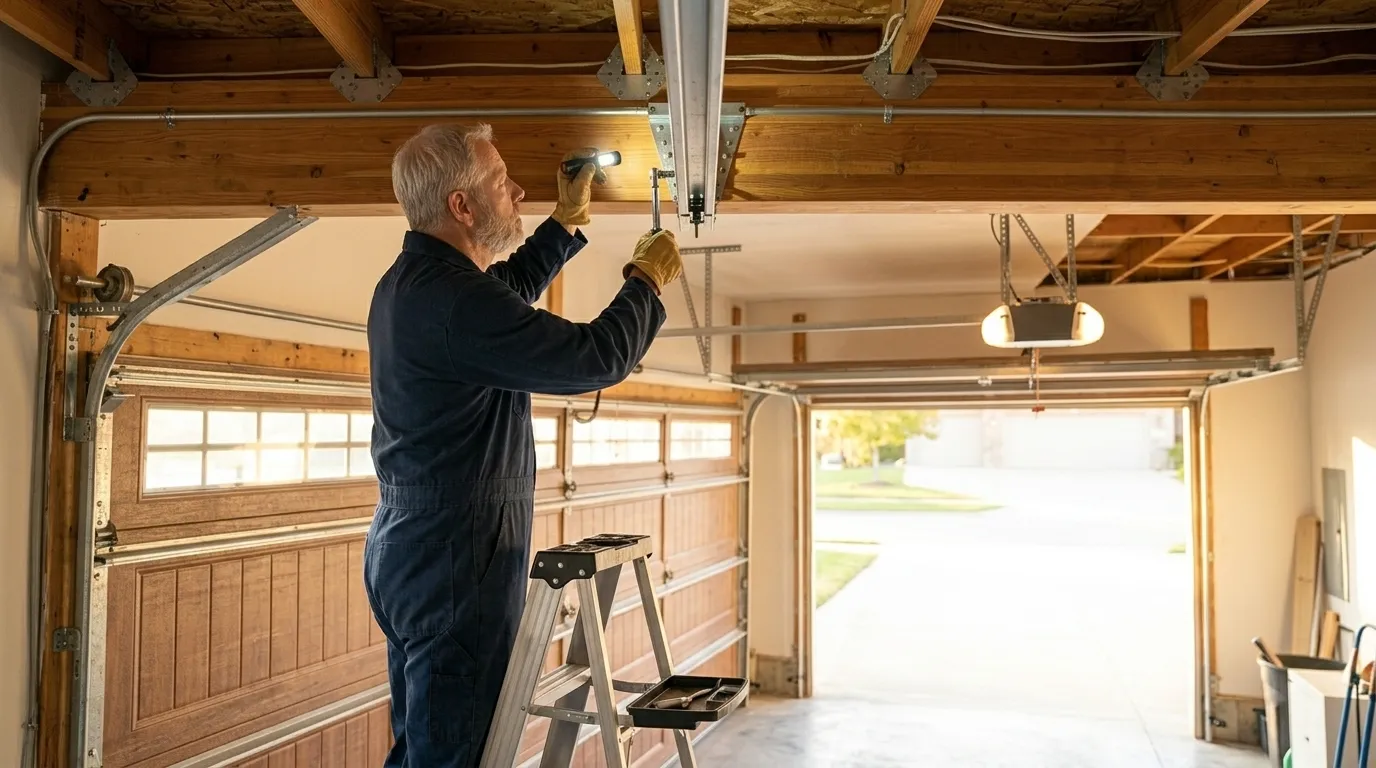
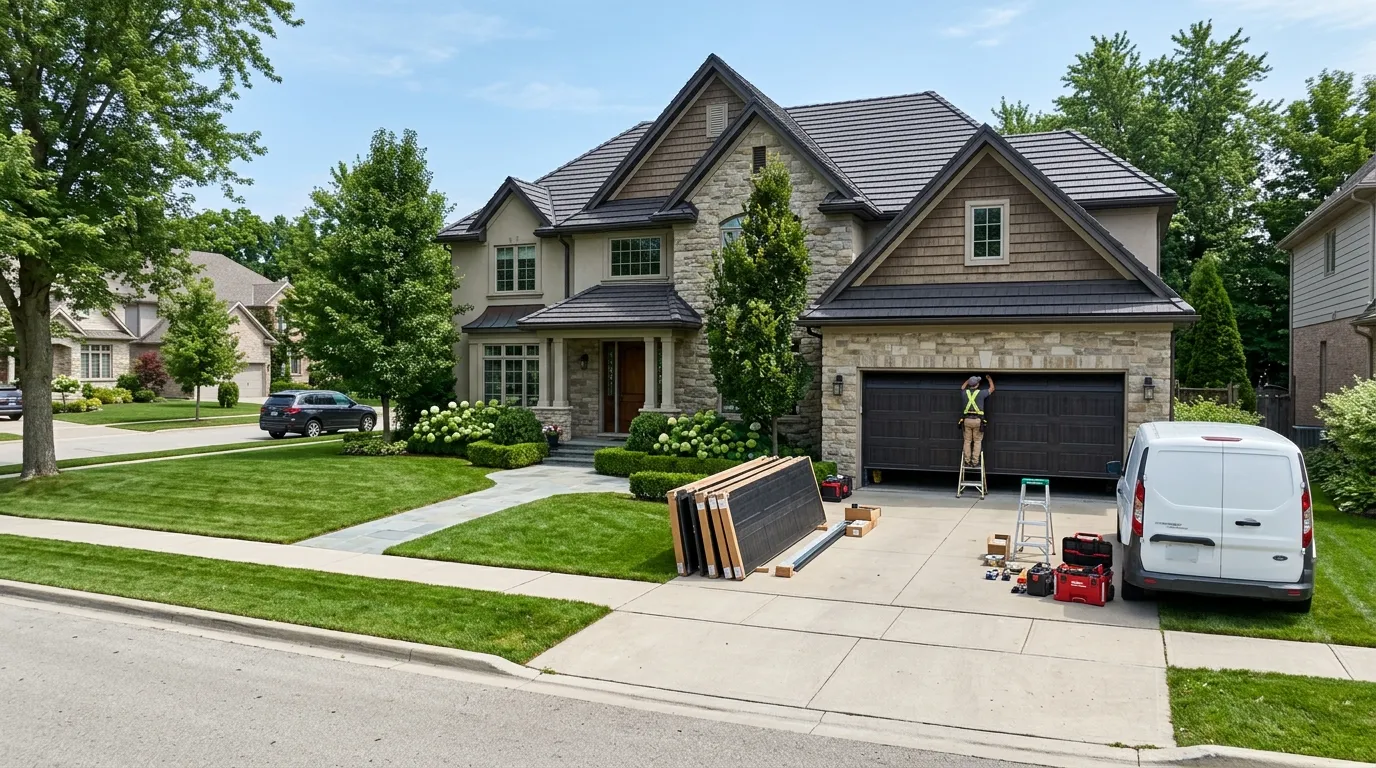
Princeton is a newer build wave than a lot of what we cover - the typical house here went up around 2012, which means the opener bolted to the ceiling is very likely the original unit the builder put in, not something a homeowner chose. That matters for a swap: a builder-grade chain drive from that era is usually still running on its factory logic board and a keypad that's outlived its battery twice over. We're coming from McKinney, about 8 miles in, so we build the drive time into the appointment window rather than treating it as a same-hour walk-in. Once we're on site, a straight swap onto existing rail and track - same mounting points, no header reinforcement needed - usually runs 60 to 90 minutes. If the bracket needs rework because the original unit was hung a little off, or the wall control wiring is old and brittle, add another 30. We're not guessing at your specific house; we're telling you what the housing stock we see across this service area tends to need, and Princeton's stock skews newer than most of it.
The Symptom
The complaint we hear from this pocket of the service area isn't a dead motor - it's a motor that still runs but doesn't feel right. Grinding on open, a door that reverses for no reason, a remote that only works if you're standing under it. That's what a builder-grade opener from the early 2010s looks like at year twelve or thirteen: the gear inside the housing is wearing down, but it hasn't quit yet, so people live with it longer than they should. With a median household income of $96,766 here, most owners aren't in a rush to replace something that technically still opens the door - they wait for the belt to snap or the remote to die for good. Texas heat cycles the plastic gear and lubricant harder than a mild climate would, so that wear timeline isn't arbitrary; it's why the same-era units at this age are the ones we get called on.
The Cost of This Job
We don't have a fixed number to quote here without seeing the opener, the door weight, and whether your safety sensors and wiring are salvageable or need full replacement. What we can tell you is what drives the number up or down: a straight motor swap onto working rail is the cheap end, and a full teardown - new rail, new sensors, new wall control, because the old wiring is too brittle to trust - is the expensive end. Given the household income figures for this area, we quote before we start, not after, so you're not signing off on a number mid-job.
The Complications
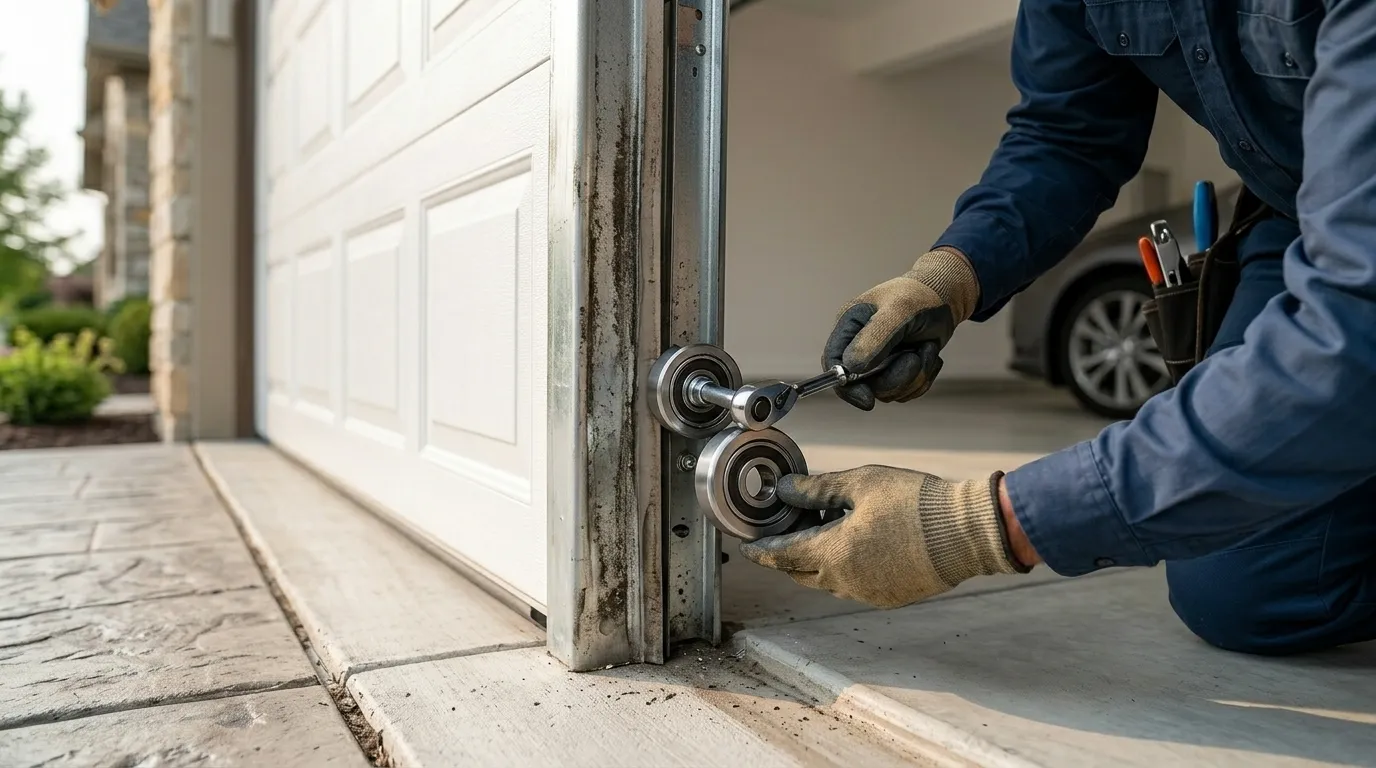
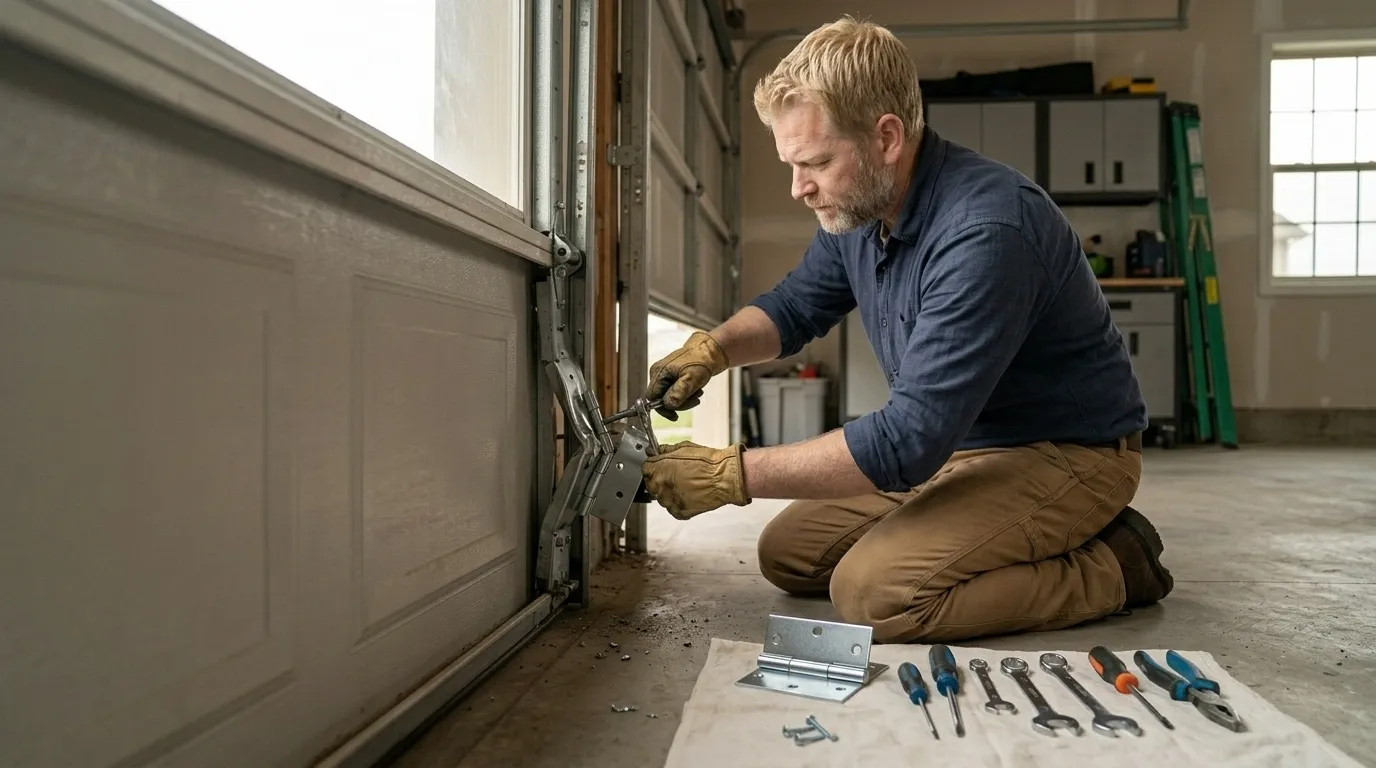
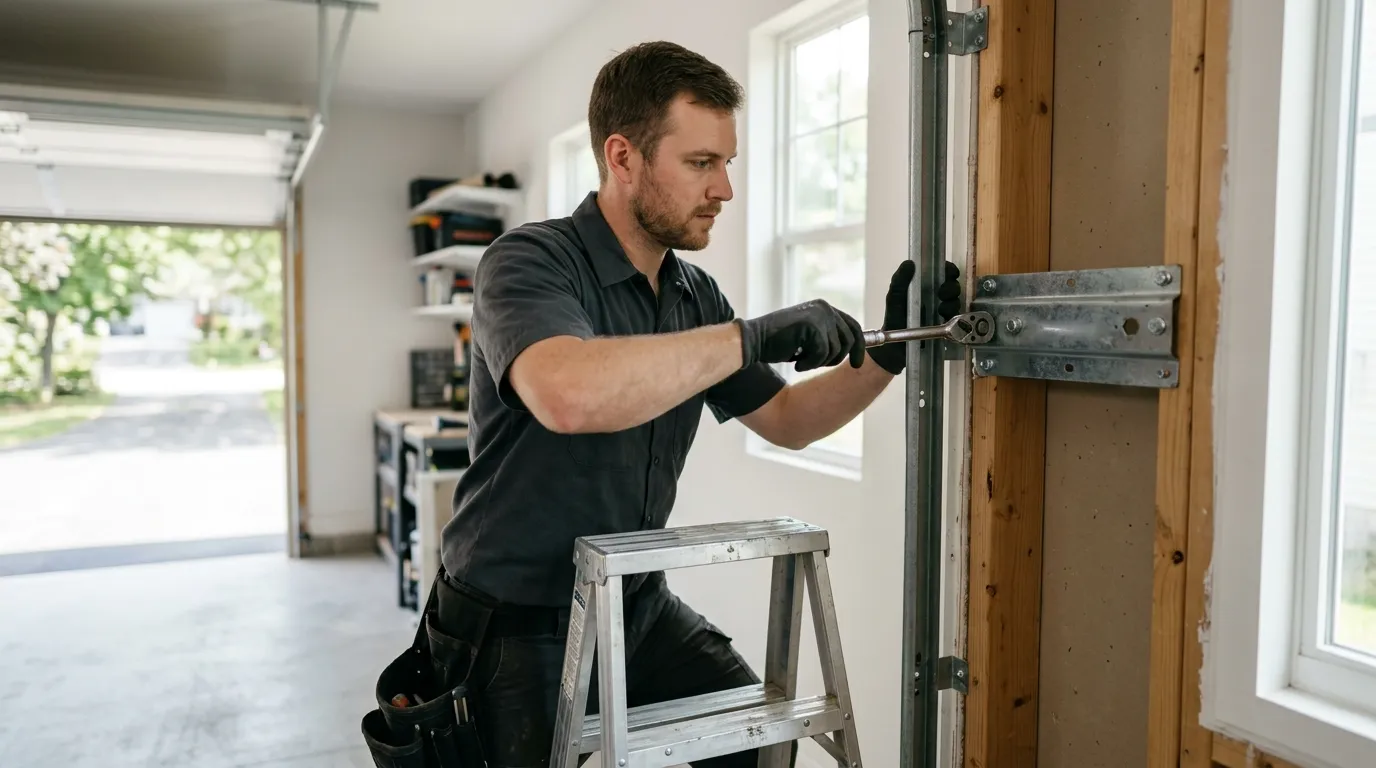
The most common snag on a 2012-era build isn't the opener itself, it's the door it's attached to. If the torsion spring or the track hardware is original too, an opener with more lift force can expose a spring that's due for replacement anyway - the new motor works harder against the same worn parts and the symptom just moves downstream. We check the spring and track condition before we hang a new unit, because installing a good opener on bad hardware just moves the service call, it doesn't close it. The honest limitation: if your door needs spring work in addition to the opener, that's a second job, not a five-minute add-on, and we'll say so rather than rushing both into one visit.