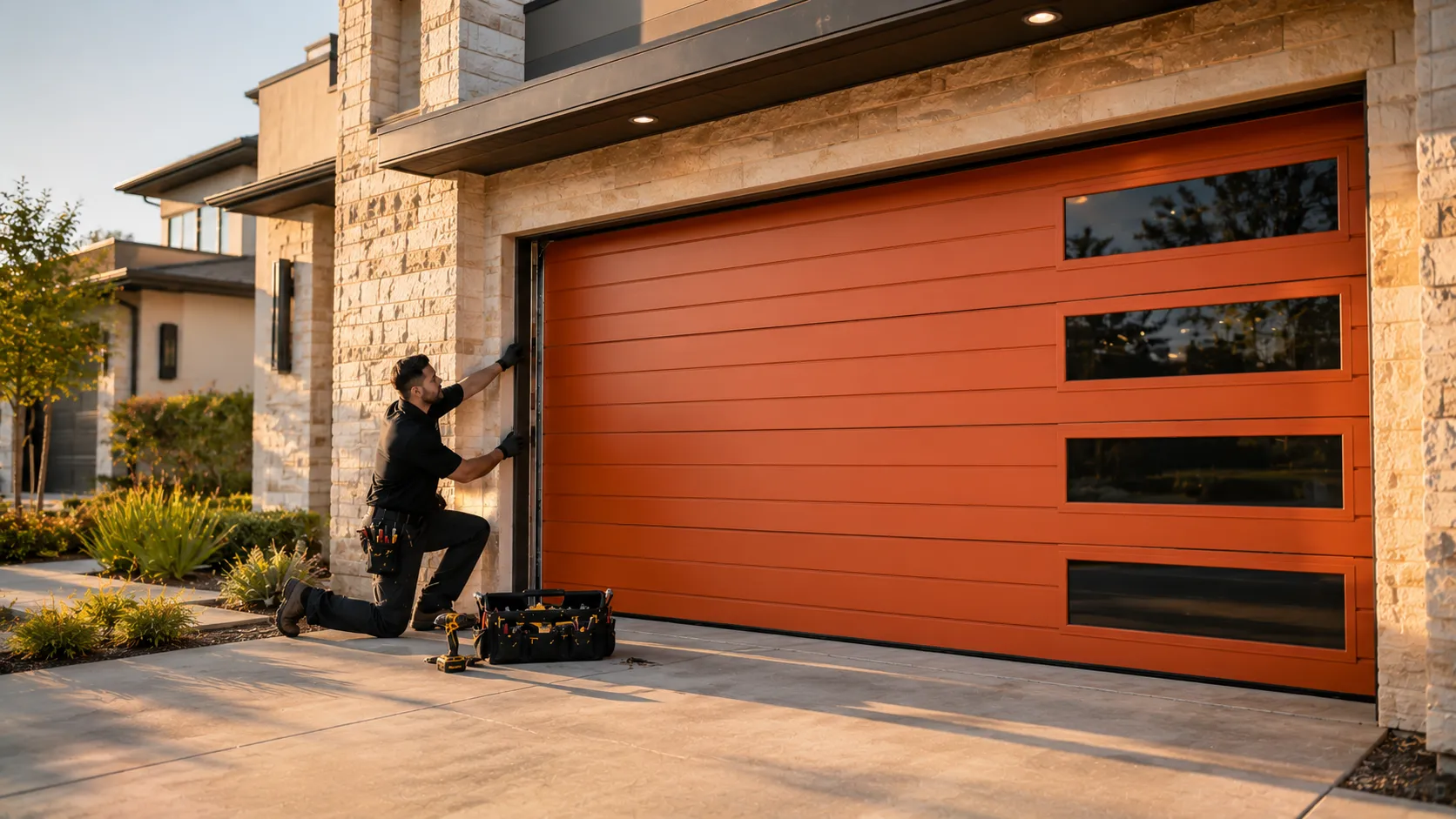
The Complications
Melissa sits nine miles out from our shop in McKinney, which changes how a roller call gets scheduled here versus closer in. We're not parked around the corner, so we bundle Melissa stops rather than treat each one as a same-hour drop-in. That means we ask more on the phone before we load the truck: how the door sounds, whether it's sticking on one side, whether you've already popped the release and can see the rollers. A ten-minute conversation up front saves a second trip once we're nine miles from home.
The other complication is that Melissa's housing stock is younger than most of the towns we cover. With median build years landing around 2015, most doors here are still on their first set of factory rollers - not the rebuilt-three-times hardware we see in older parts of the service area. That's good news for parts availability but it means when a roller does fail here, it's often failing early, which is worth diagnosing rather than just swapping.
Booking a Visit
Because we're coming from McKinney, we schedule Melissa roller jobs in windows rather than promising an exact hour. Tell us the door's age if you know it, whether it's a single or double, and whether the noise is a grind, a squeal, or a bang on one side - that tells us whether we're bringing standard steel rollers or need to check for a bent track section first. We carry common roller stock on the truck, so most jobs don't need a return visit. If your door needs a part we don't carry - certain heavier-gauge tracks or odd bracket spacing - we'll say so on-site and order it rather than guess.
What Causes It Around Here
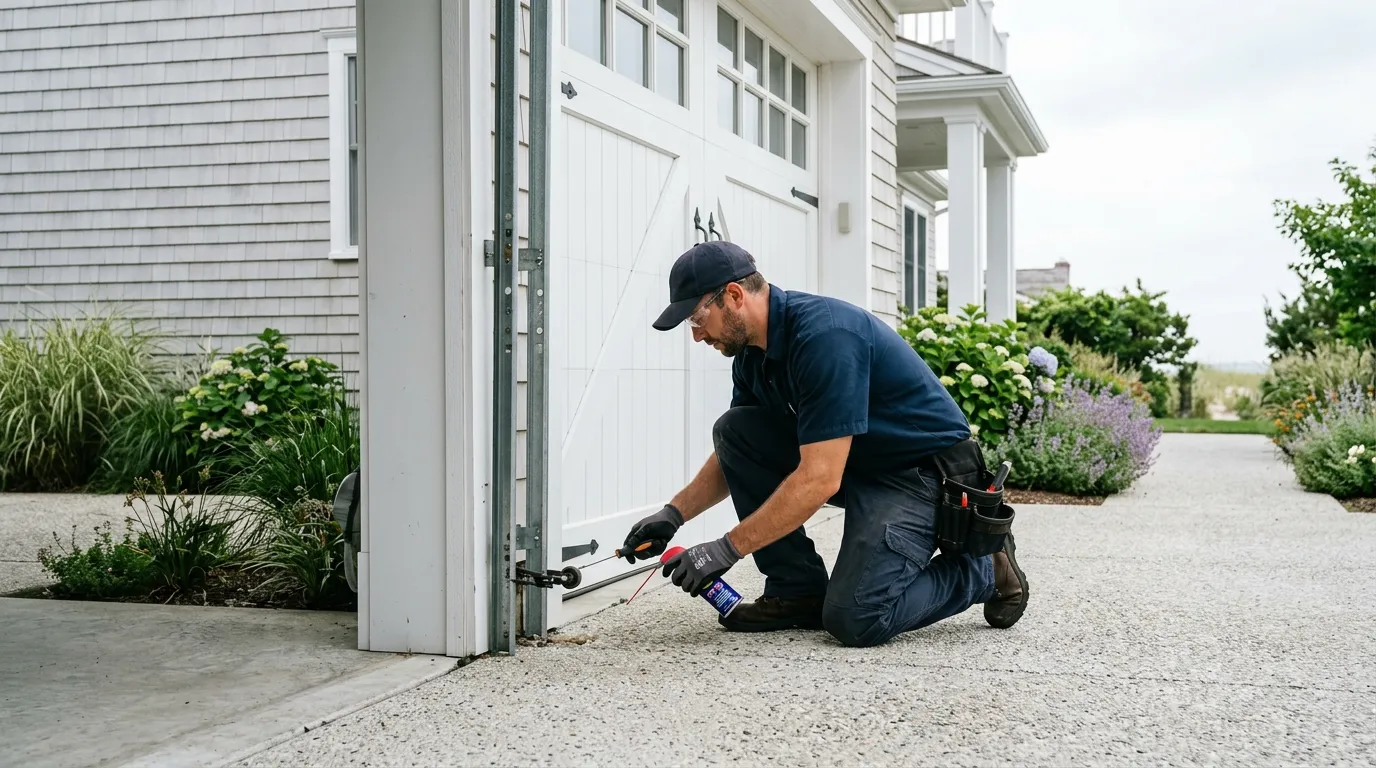
With most Melissa homes built well after 2005, these are newer tracks and newer rollers, not the decades-old hardware we deal with elsewhere in the McKinney area. The failure mode here is less about age and more about cycle count and heat. This falls in a moderate heat band, and repeated summer highs push grease out of nylon rollers faster than owners expect, leaving them running dry and grinding themselves down years before they should wear out.
We also see a fair number of double-car garages in Melissa's newer subdivisions, and a double door puts more cycles and more side-load on its rollers than a single ever will. Add a second vehicle, a second daily open-close, and rollers that were fine at year five start complaining by year eight or nine - which lines up with what a lot of these houses are hitting right now.
How Long It Takes
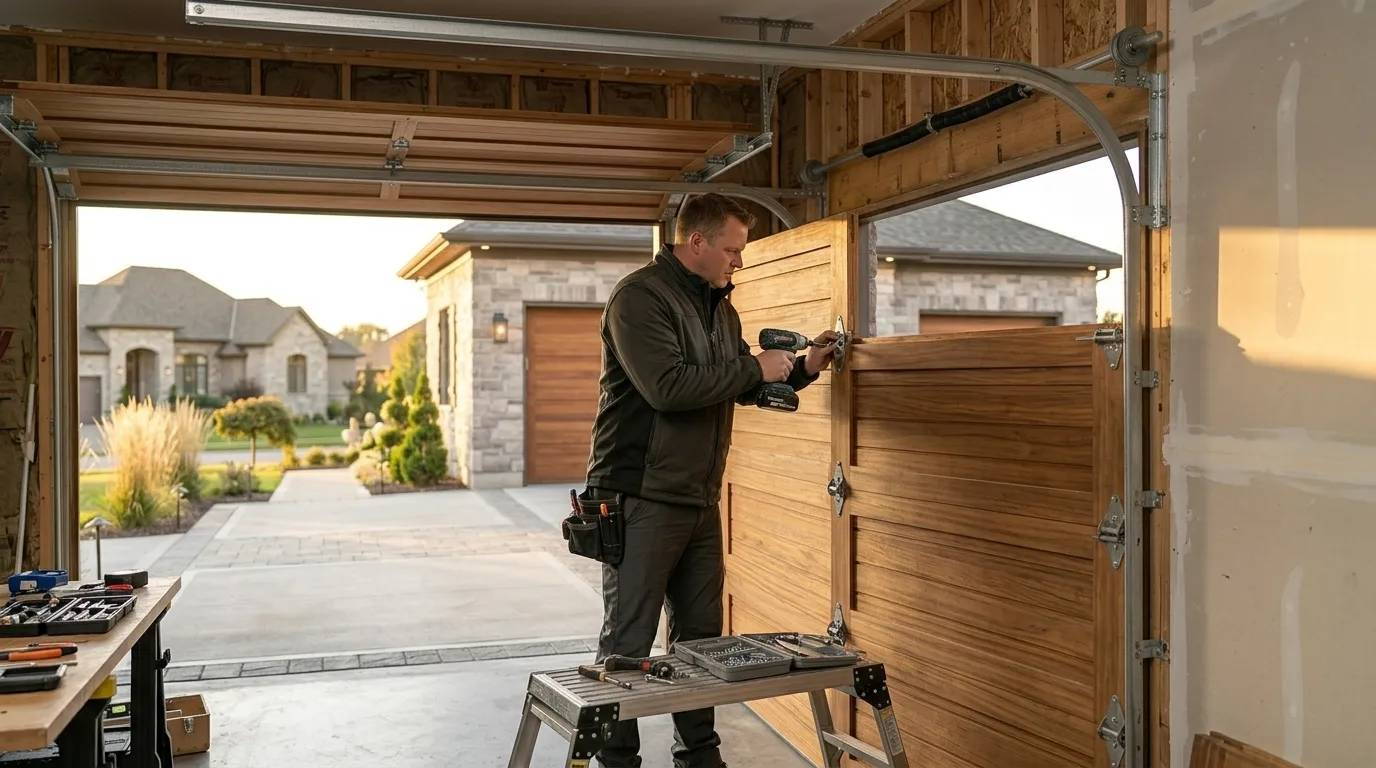
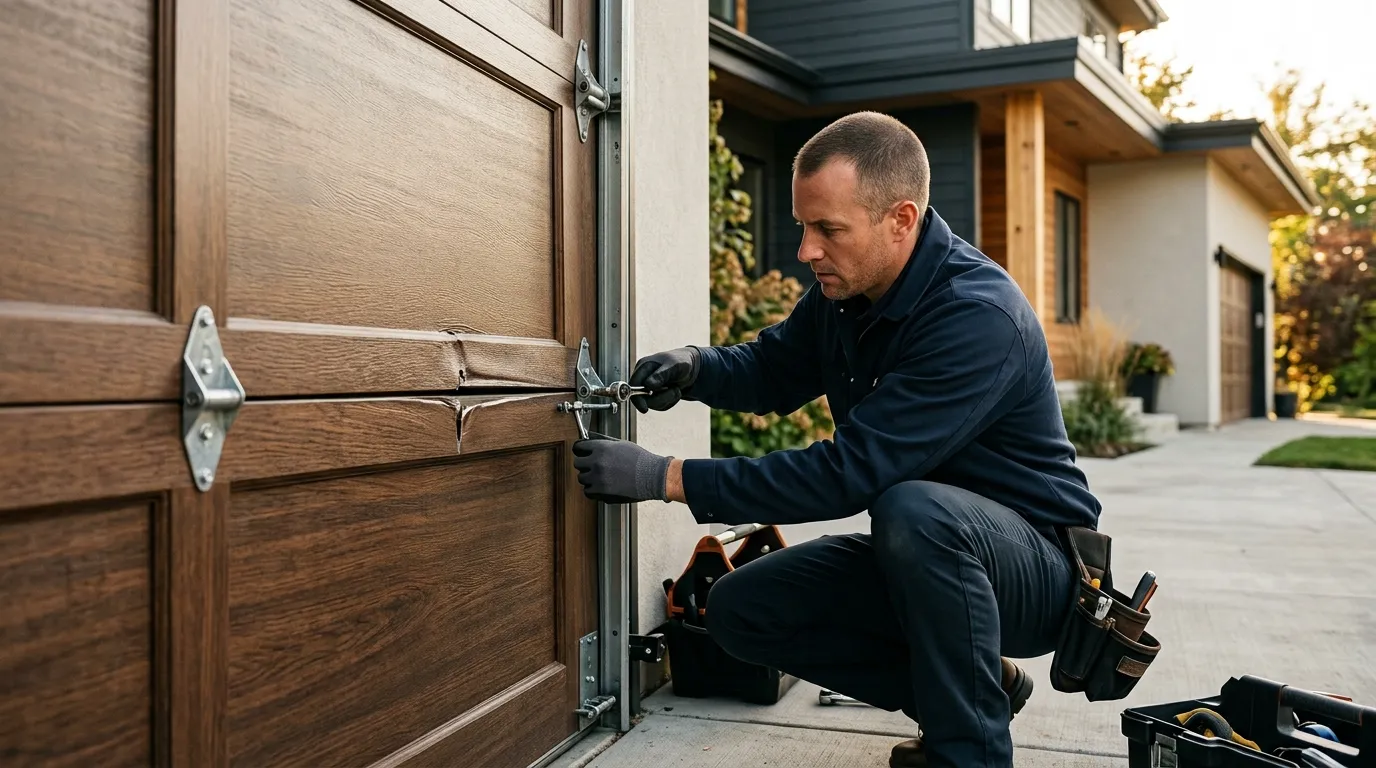
A straight roller swap on a standard double-car door, once we're on-site, usually runs under an hour - the work itself isn't complicated, it's the drive that adds the time in Melissa's case. If we find a bent track section or a bracket that's pulled loose from the header, that adds time because we're fixing the cause, not just the symptom. We won't tell you a roller job takes fifteen minutes just because it can on a good day; on a bad one, with a stripped bracket screw or a warped door skin fighting the track, it takes longer, and we'd rather say that up front than rush it.