The Complications
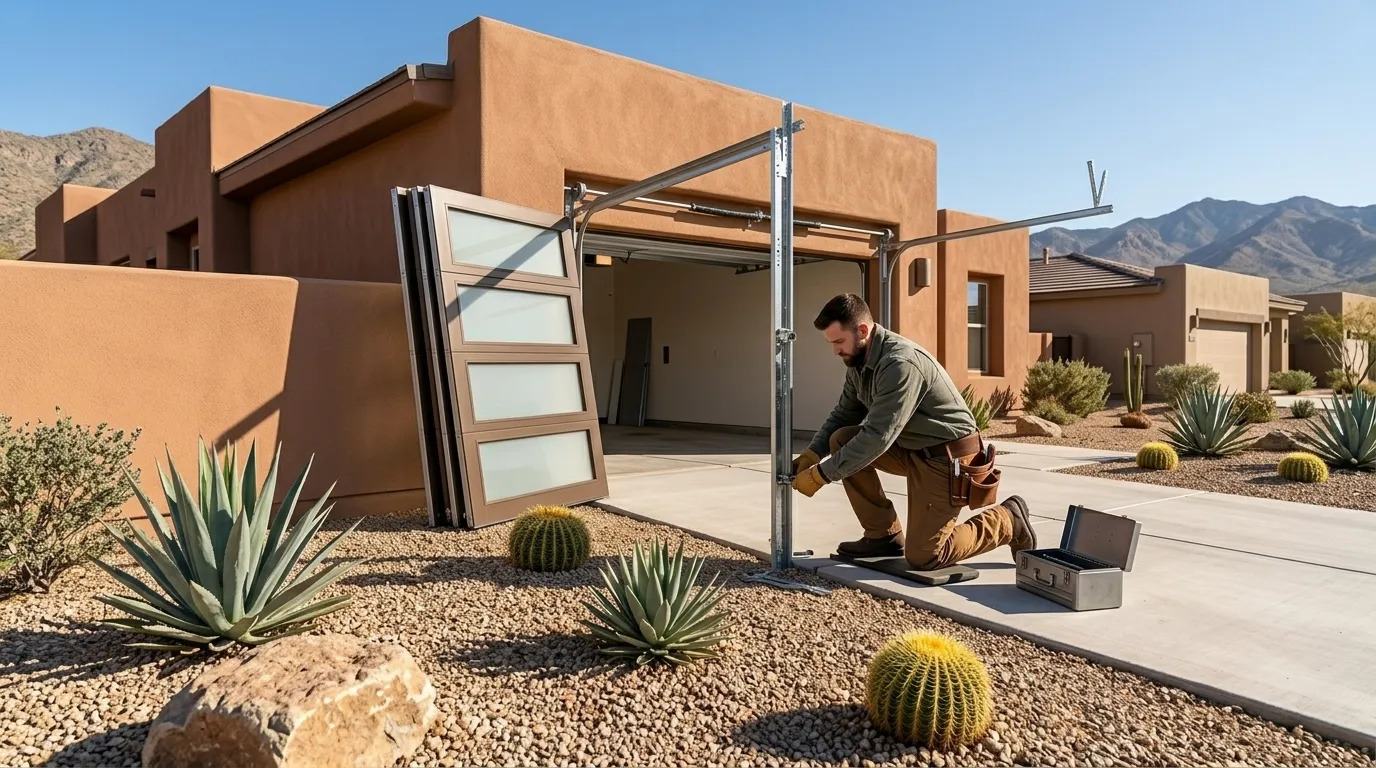
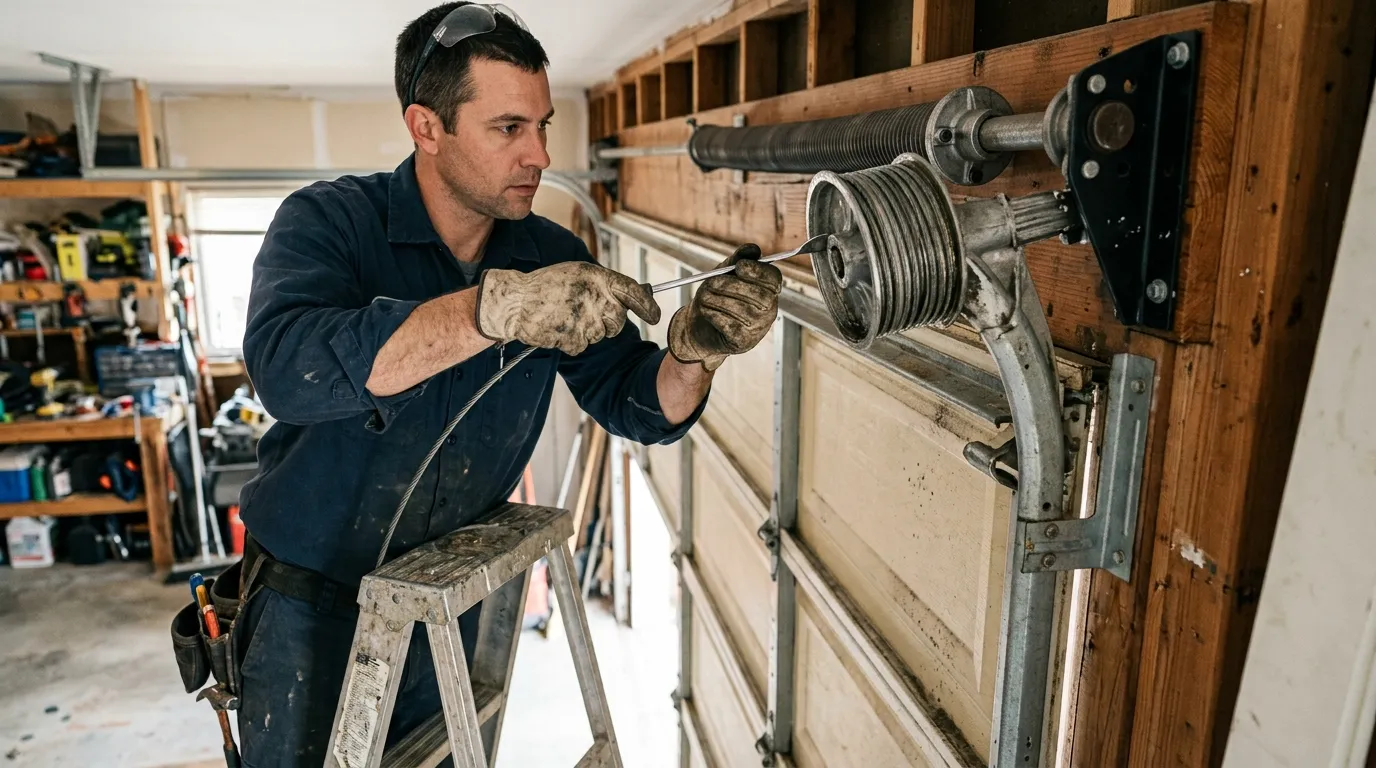
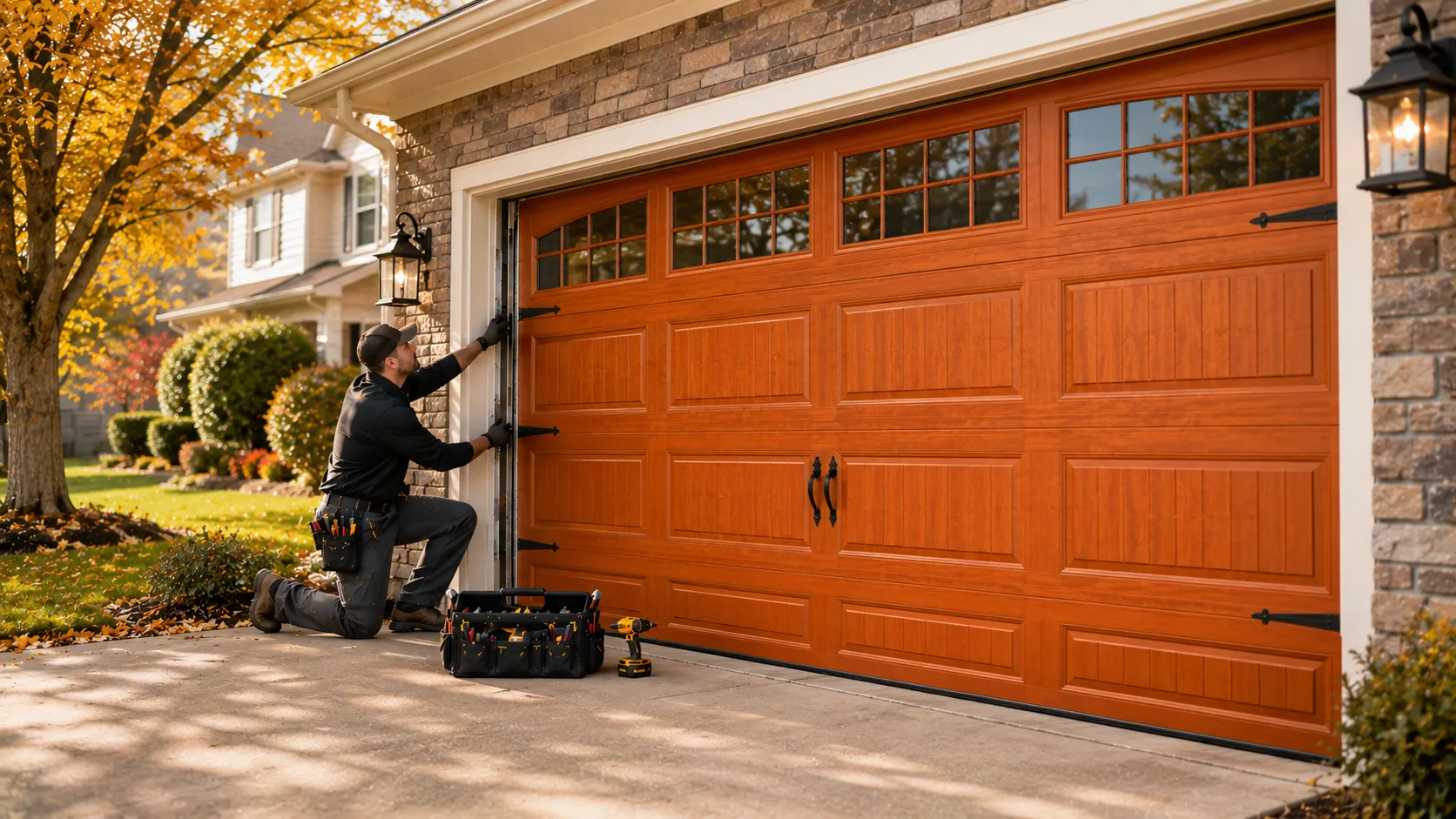
Melissa's housing stock skews young - the median home here dates to around 2015, which puts most garage doors in their first decade rather than needing a full teardown. That sounds like it should make panel replacement simple, and sometimes it is. The complication is that builder-grade doors from a single subdivision often come from one production run, one color, one texture stamp, and one insulation fill. A steel skin panel with polyurethane foam bonded inside isn't a modular part you can swap like a shingle. If the manufacturer changed a woodgrain texture or a paint code even slightly between runs, a single replacement panel can sit next to the others looking faintly off - close, not identical. We tell people this up front: on a door that age, the honest fix is sometimes a full door rather than chasing a panel match that won't quite land. We don't sell you a mismatch and call it done.
Booking a Visit
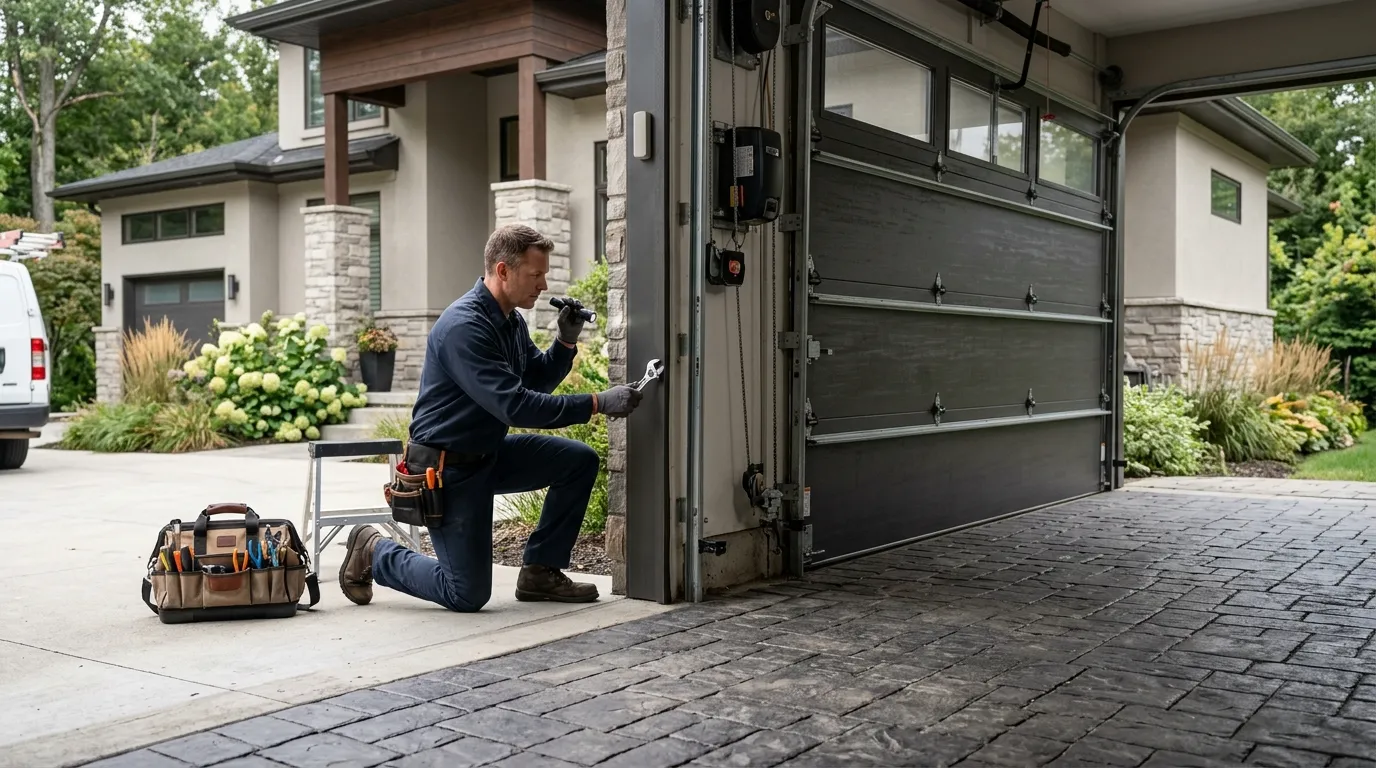
We work out of McKinney and travel the roughly 9 miles into Melissa for panel jobs - there's no branch office here, just a truck that comes to you. Before we book the visit, we ask for whatever's printed on the inside of the top section or the end stile: brand, model number, sometimes a run code. That sticker is the fastest way to find out whether your exact panel is still in production or whether we're looking at a close match instead. If you can't find it, that's fine - we can identify most doors from photos of the panel profile and the window layout. For general information on how we handle panel and door work across the wider area, our Melissa page and our McKinney panel replacement page cover the basics; this page is about what's specific to houses built in Melissa's newer wave.
What Causes It Around Here
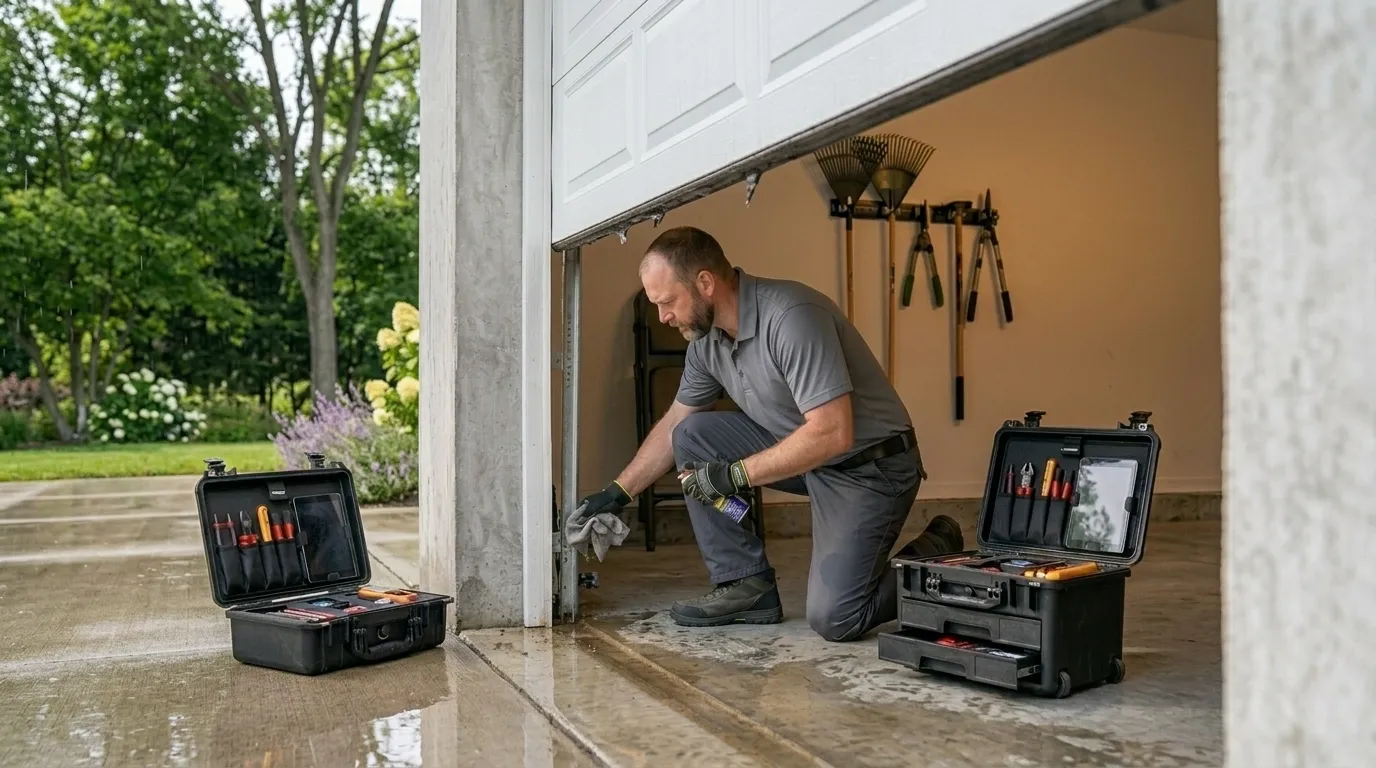
Most of what we see in Melissa traces back to two things: the age and type of door that shipped standard with these builds, and how the households living behind them use the garage. With a median household income above $137,000 in this area, a lot of these garages hold a second vehicle and gear, not overflow storage, so the door gets used daily and takes the occasional bumper tap or errant ball. The insulated steel panels standard on 2010s-era builds handle daily cycling fine, but they crack rather than flex when hit hard, unlike the thin single-layer steel on older stock elsewhere in the service area. Heat is a mild factor here too - this area sits in a moderate heat band, and dark vinyl-overlay panels can show more visible fade and slight warping on the sun-facing side of a garage than the shaded side, which is cosmetic wear rather than damage.
How Long It Takes
If your panel is a common size and the manufacturer still runs that color and texture, we can usually source it and get the door back together in a single visit once the part's in hand. Where it slows down is exactly what we flagged above: a panel that matches a specific build-year run. If your subdivision's doors came from a manufacturer that's since changed its texture stamp or discontinued a color, we may need to order from a smaller batch supplier, and that can add days rather than hours. We'll tell you at the estimate, not after the fact, whether your job is a same-visit swap or a wait-on-parts job - and if the wait makes a full door swap the smarter money, we'll say that instead of stretching a mismatched repair.