The Complications
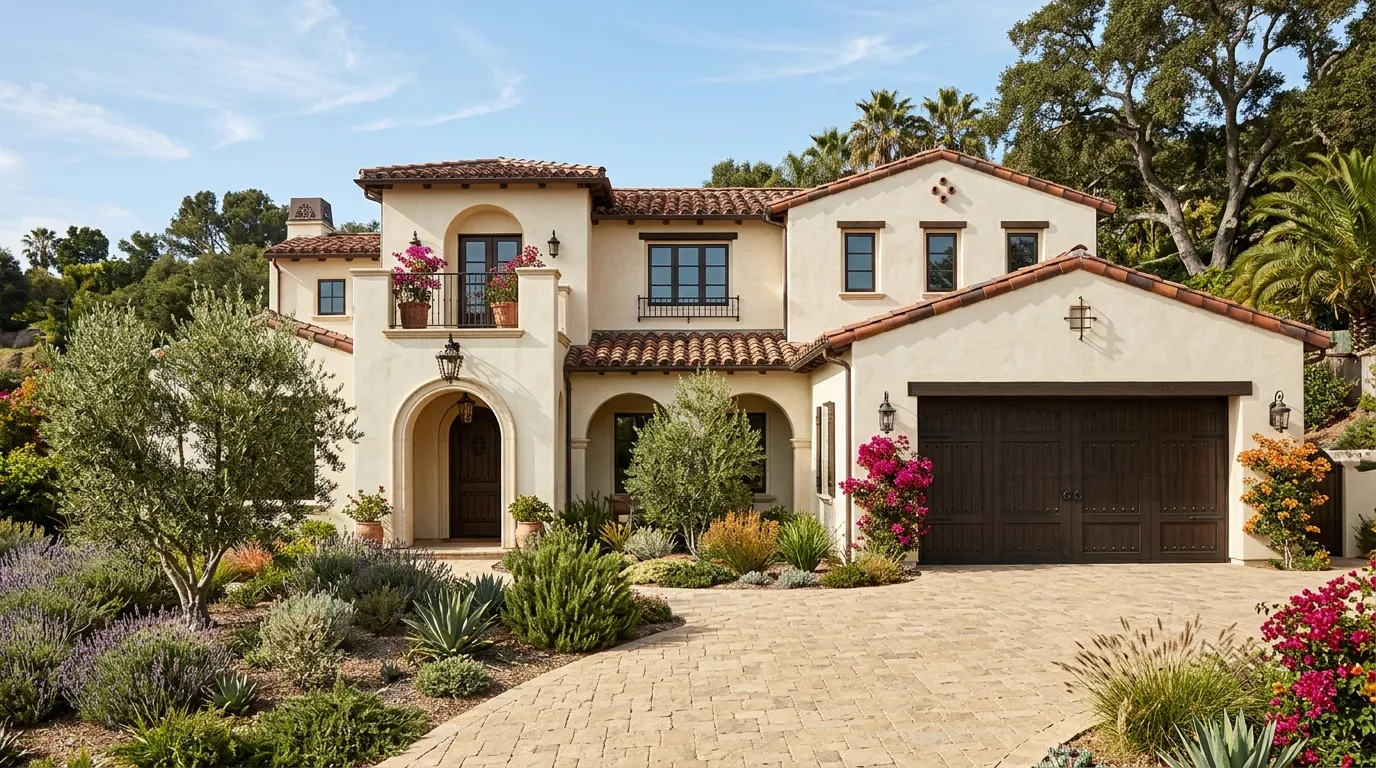
Melissa's median build year sits around 2015, which puts it noticeably newer than the broader McKinney service area, where the median build year across the 19 communities we cover lands closer to 2005. That ten-year gap matters more than it sounds. A house framed in 2015 or later almost always has a standard 7-foot or 8-foot door opening built to current code, insulated wall cavities, and a garage that was wired for an opener from day one - no retrofitting a circuit, no shimming a jamb that's settled out of square over twenty years. The complication in Melissa isn't old hardware fighting a new door. It's newer builders using production-grade doors and openers that were fine for resale but are due for an upgrade in insulation, noise, or smart-home compatibility. We're not fighting rust and sag here so much as swapping out a door that was never the strong part of the house to begin with. If your home was part of an earlier phase of development closer to the 2005 area median, the calculus shifts back toward the older-stock issues we see elsewhere in the service area - worth mentioning during the visit, not assuming ahead of it.
Booking a Visit
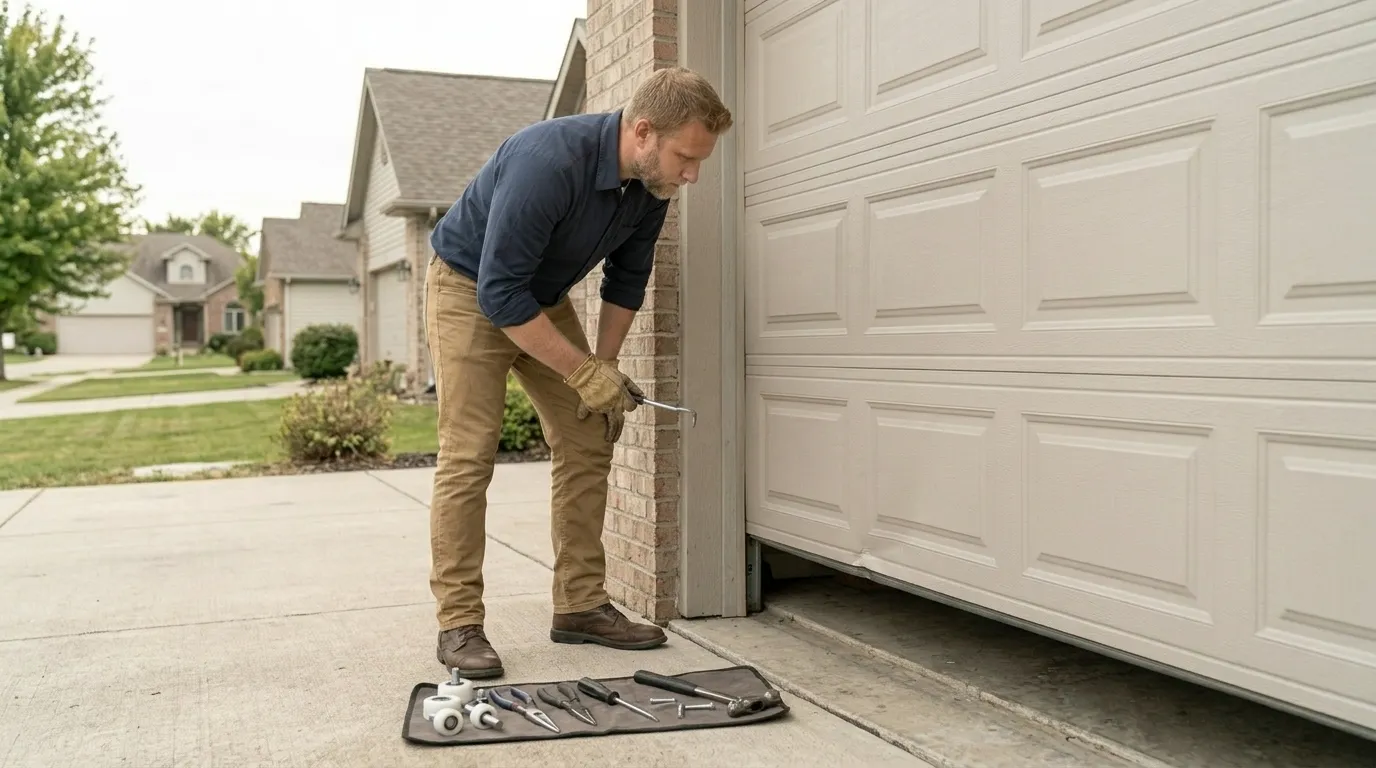
We run out of McKinney, about 9 miles from Melissa, so a visit here is scheduled the same way as any other stop on that route - we're not based in town and don't claim a local yard or a same-day guarantee we haven't earned. When you call, tell us the rough age of the house and whether the opener is original to the build. For homes built after 2015, we usually bring standard-width door stock and current opener models on the truck since that's what fits most Melissa openings. If your home is older or part of an earlier section of the area, we'll ask a few more questions before the visit so we're not guessing at panel size on-site.
What Causes It Around Here
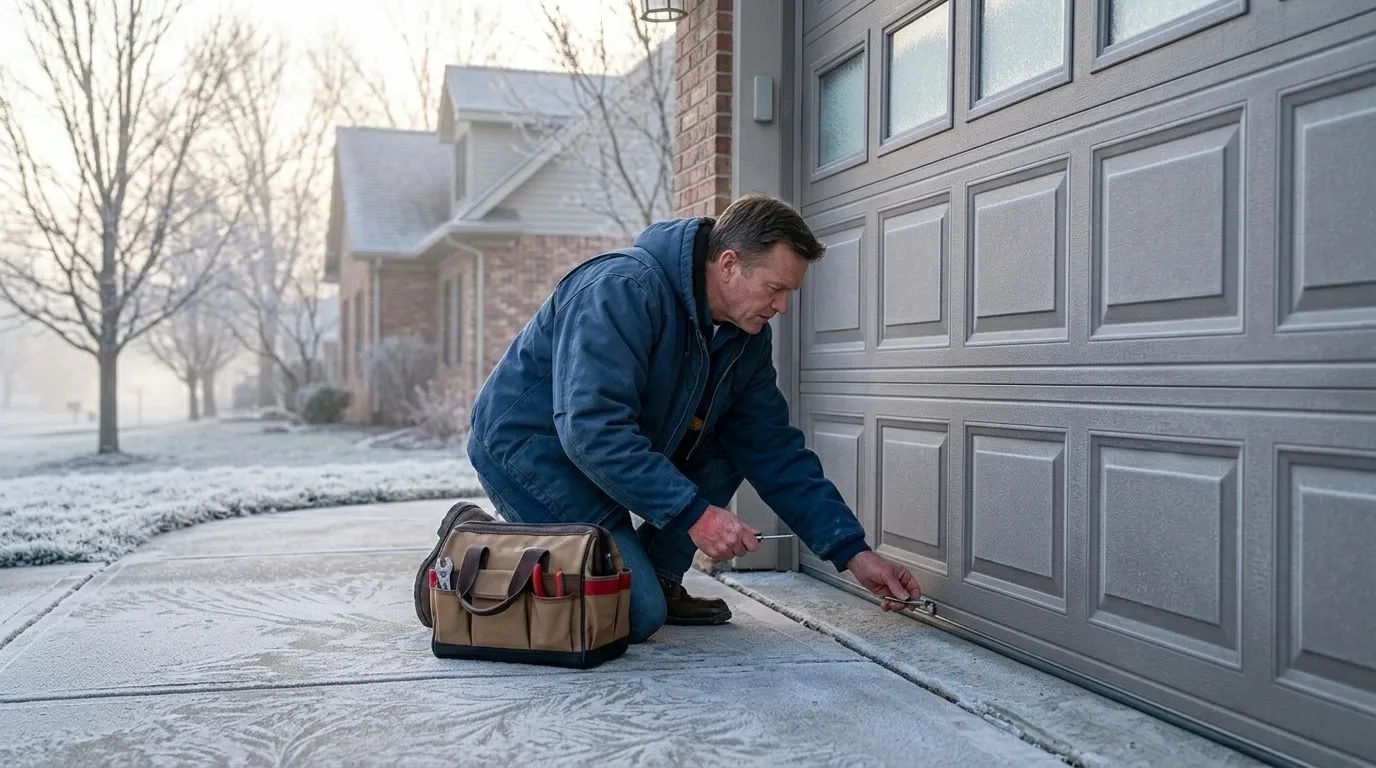
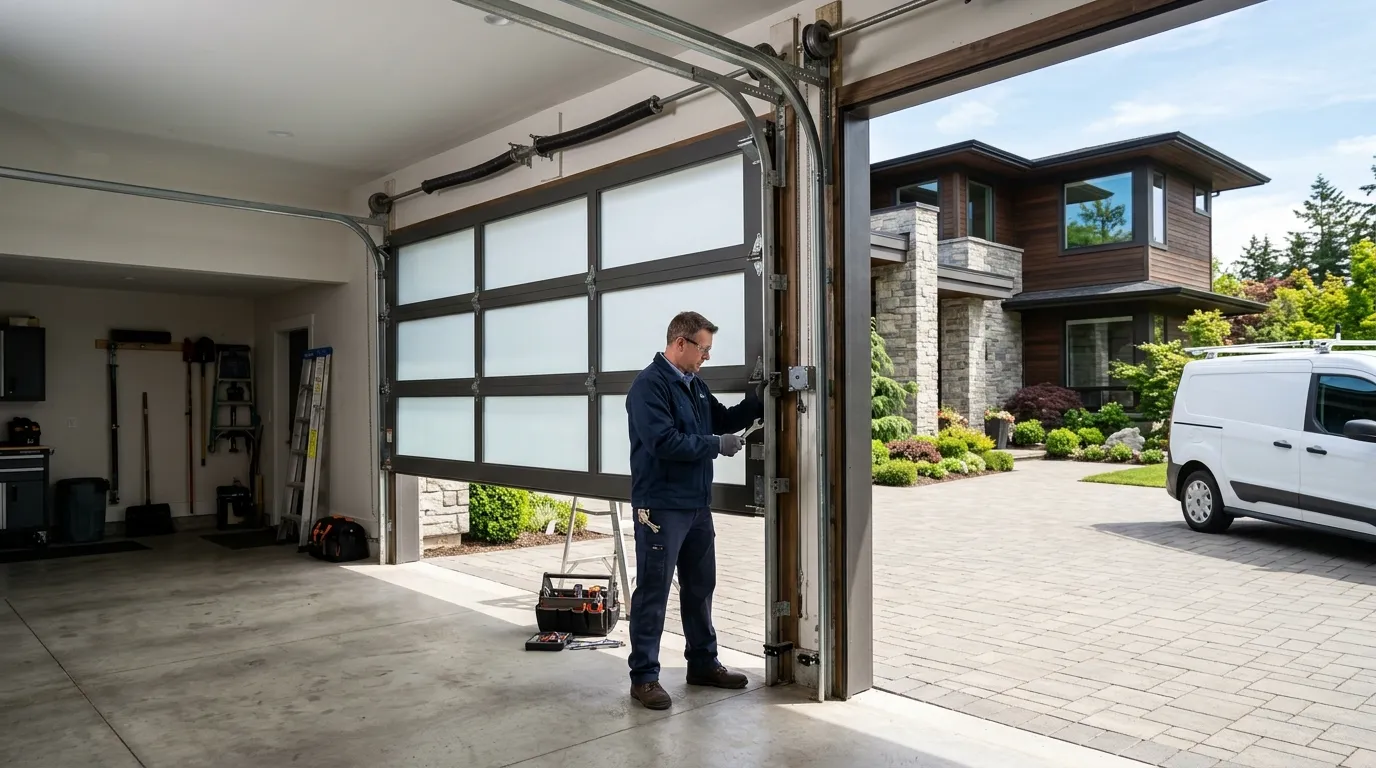
Household income in this part of the service area runs well above the broader McKinney-area median of $109,528, and Melissa's own figure runs higher still. That matters for installation because it shifts what homeowners are replacing the door with, not whether they replace it. We see fewer calls for the cheapest steel option and more requests for insulated doors, quieter belt-drive openers, and battery backup - upgrades that make sense once the original builder-grade door has done its five to ten years of service. Combine that with a moderate heat climate band that puts real thermal cycling on a garage-facing wall every summer, and the pattern is builder door out, better-spec door in, on a schedule tied to how the house was built rather than how it broke.
How Long It Takes
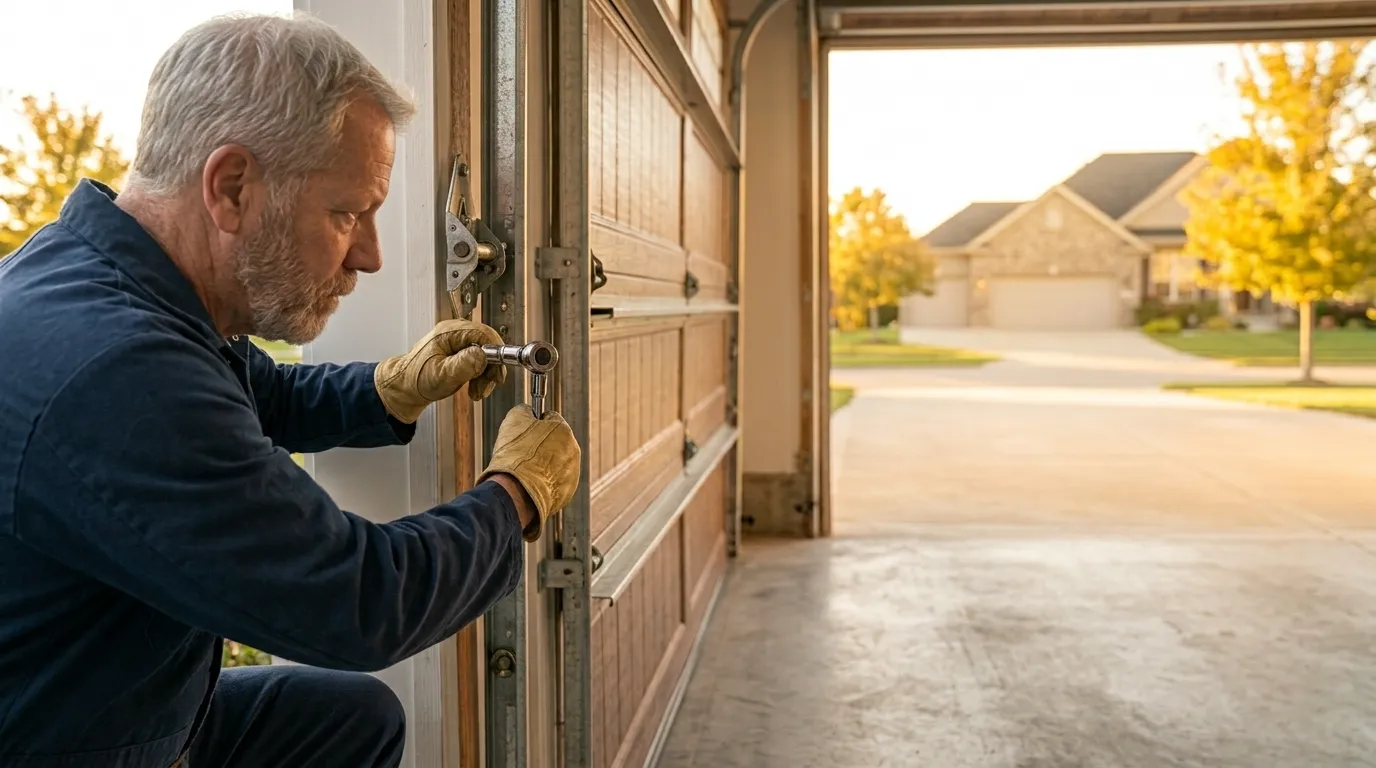
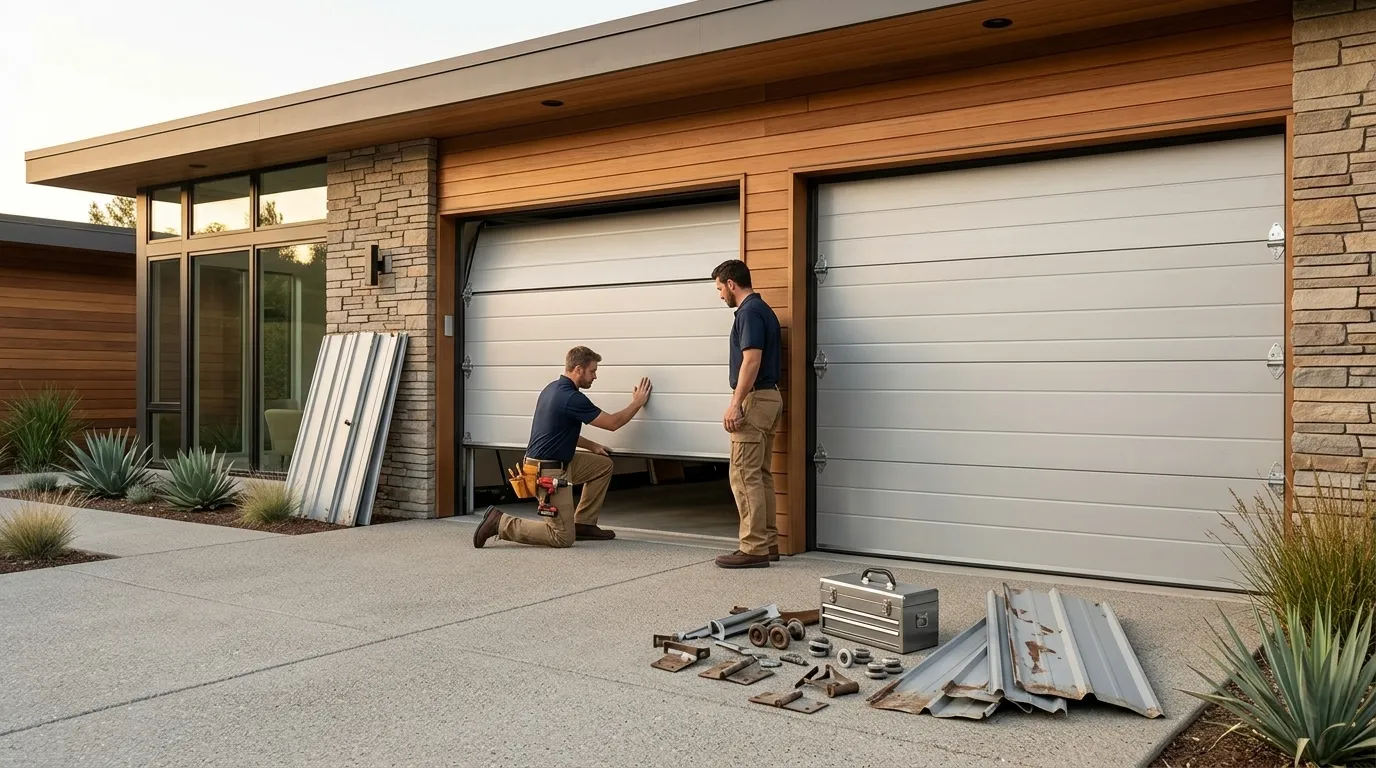
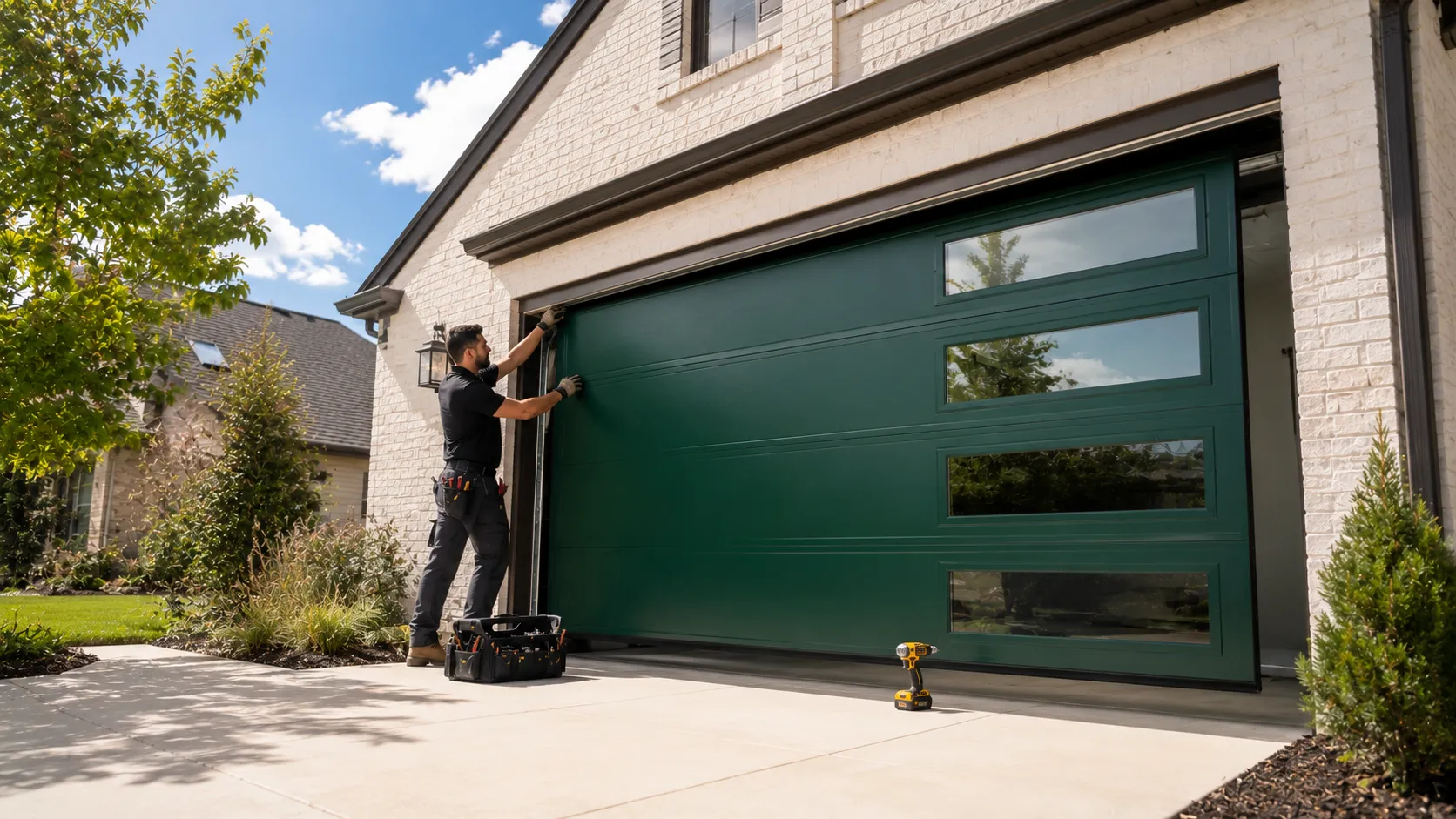
A straightforward swap on a standard opening - which is most of what we run into in newer construction - is a single-visit job. Add insulation upgrades, a wider double door, or an opener change that needs new wiring, and the visit runs longer, though we won't quote a specific window here since it depends on what's actually on the wall when we get there. The one thing we'll say plainly: if the frame or track has been modified from builder spec, or the opening is a nonstandard size, that's a repair-versus-replace conversation before anything else, not a job we start and figure out as we go.