How Long It Takes
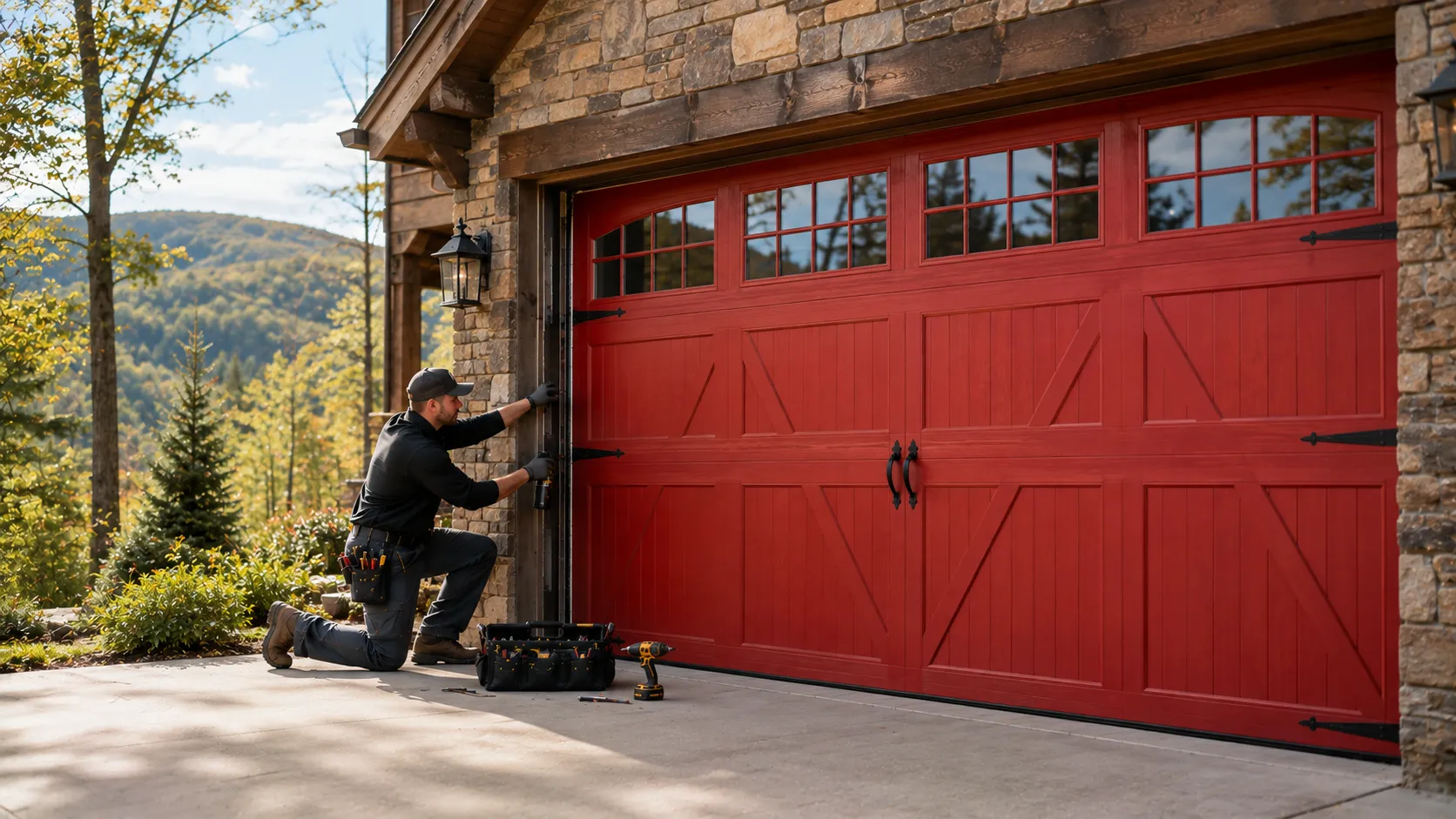
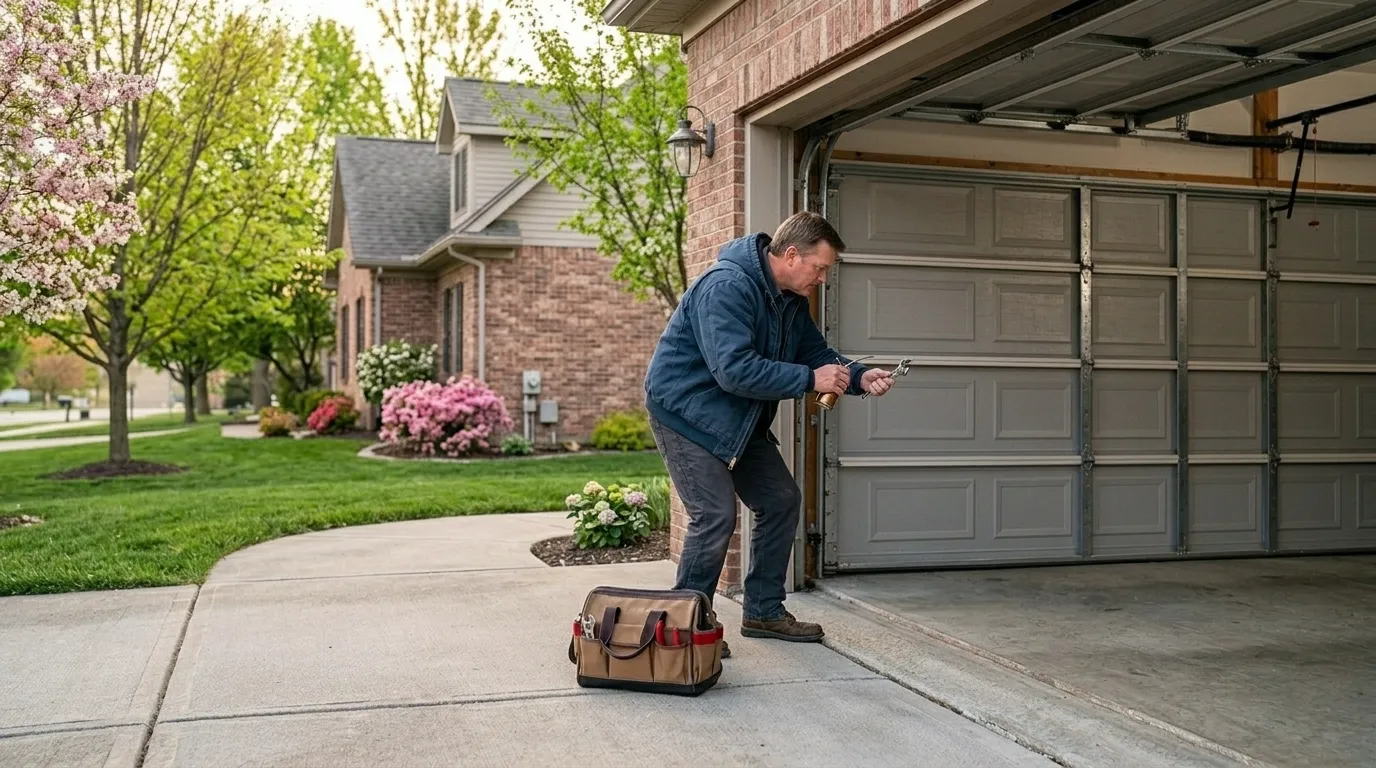
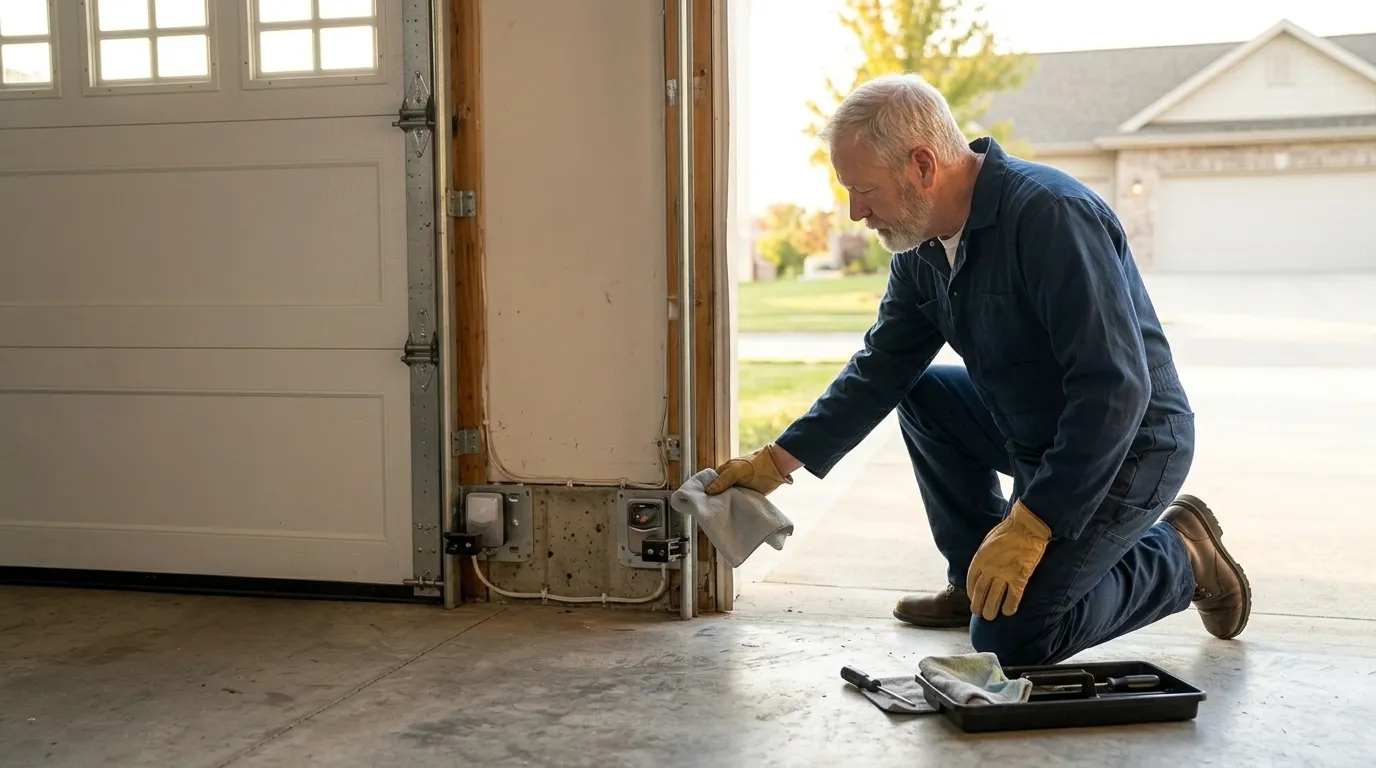
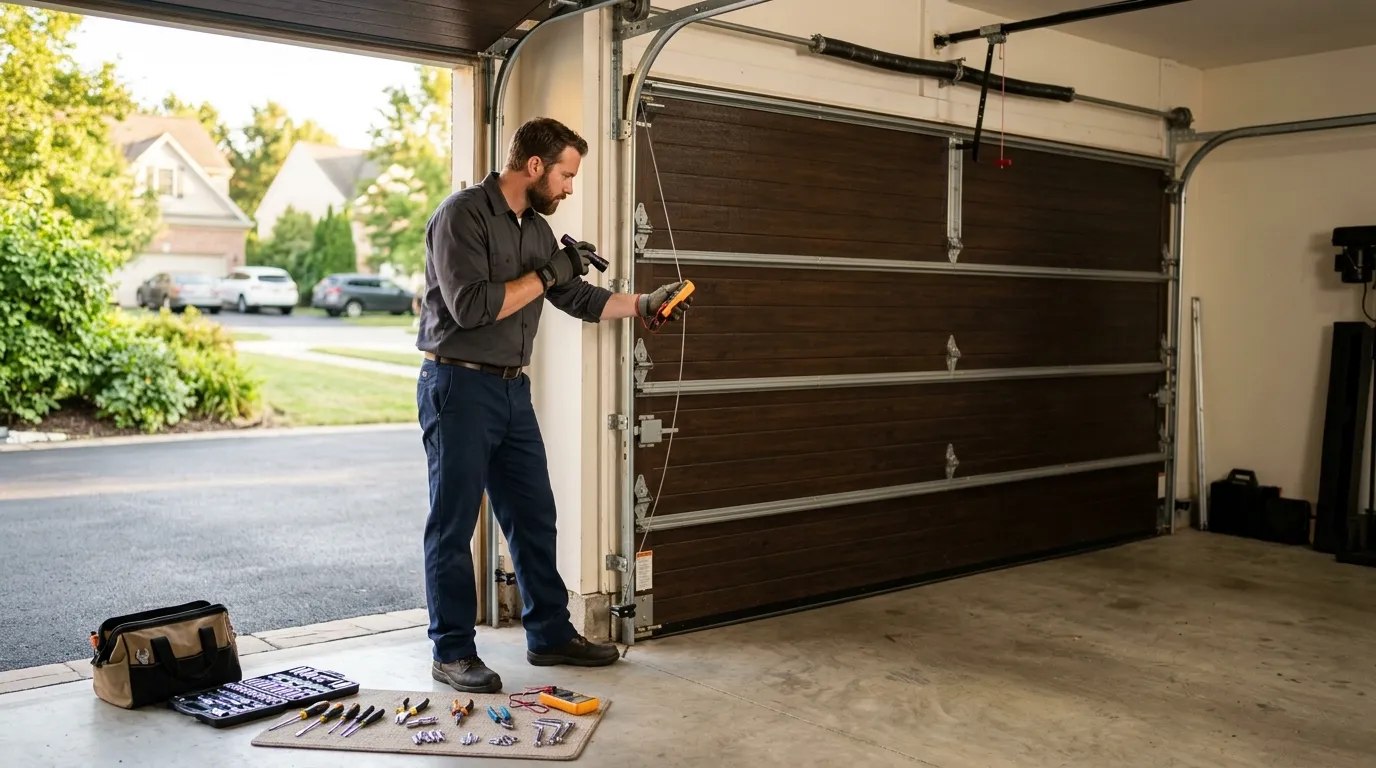
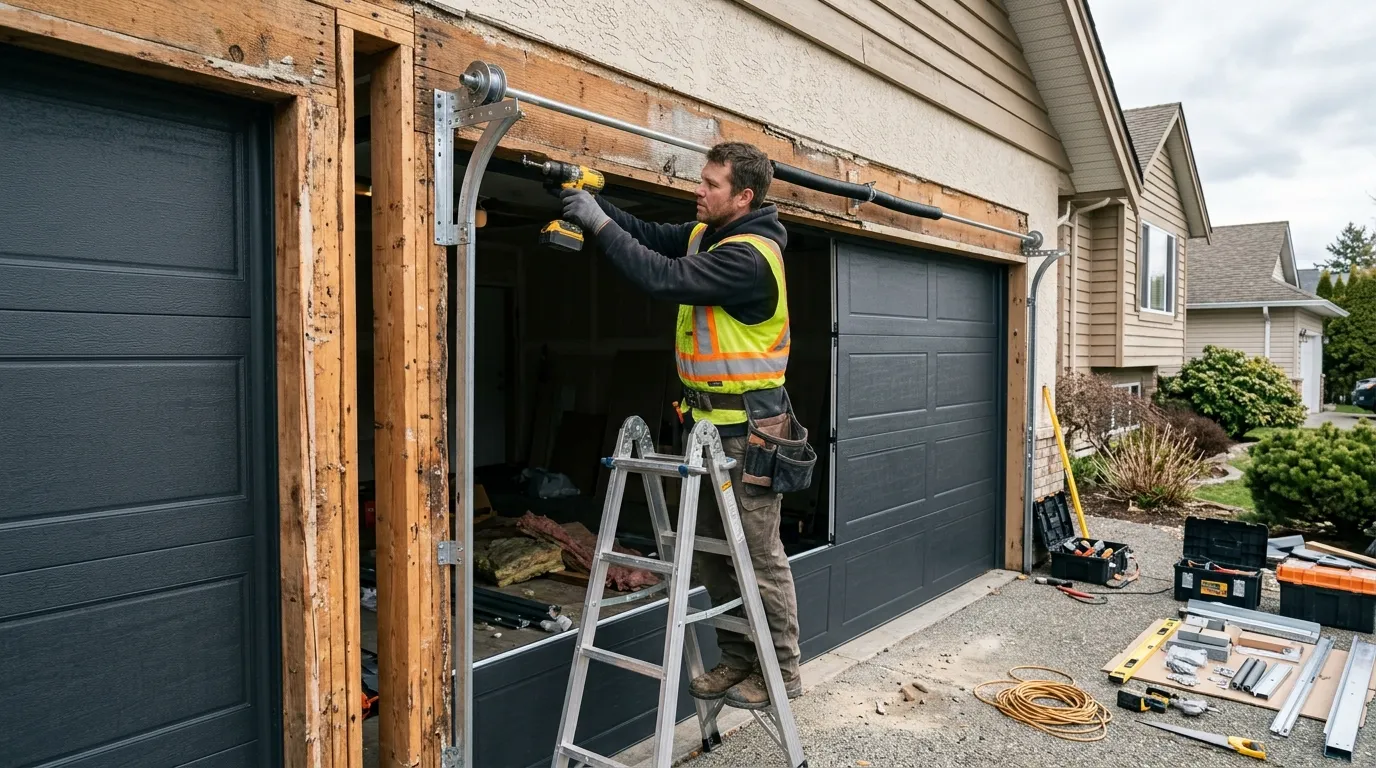
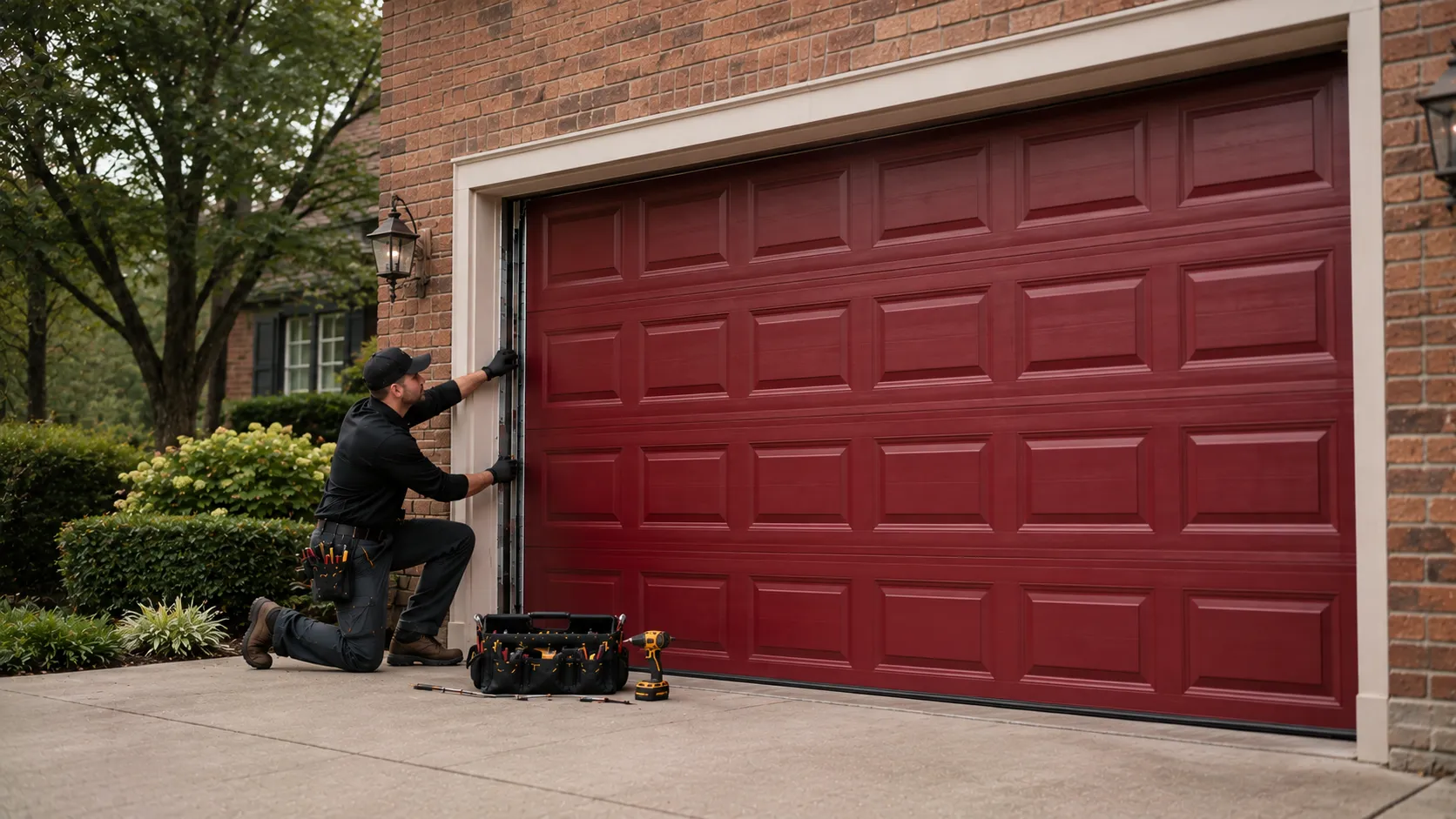
Murphy's houses mostly went up around 2005, which means the garage doors on them are almost all builder-grade steel sectional units - usually a 16x7 double on the front and a 9x7 or 8x7 single around the side, both with factory raised-panel faces and a thin foam-backed insulation layer. That's the door we're looking at before we ever get to the fault. A single panel swap on a door like that is a same-visit job once the matching panel is on the truck: unbolt the damaged section, slide the new one into the tracks, re-hang the hinges and rollers, and check the balance against the spring. If the door needs a full panel color-match order because the original run isn't stocked anymore, that part alone can add several days before we're back out. We drive in from McKinney, about 13 miles, so we schedule around that trip rather than a same-day walk-in.
What we can't shorten is manufacturer lead time on an exact-match panel for an off-run color or a discontinued profile. If your door is one of the more common styles from that era, we usually have it or can get it fast. If it's an odd panel, we'll tell you straight rather than guess at a date.
What Causes It Around Here
Steel sectional doors built around 2005 are solid but not immune to two things this climate does over time: sun-fade on the south and west-facing panels, and slow denting from basketball, trailer hitches, or a car door swung wide in a two-car garage. The heat band here is moderate rather than extreme, so we don't see the panel warping that shows up in harsher climates - but two decades of Texas sun on a factory-painted steel face is enough to leave a visible color mismatch between one replaced panel and the rest of the door, which matters if you're only replacing one section instead of the whole run.
The other common cause is simple age catching up with hardware that was never top-tier to begin with. Builder-grade doors from the mid-2000s often shipped with lighter-gauge steel and basic rollers, so a panel that's been flexing against a slightly worn hinge or a bent track for years is more likely to crack or bow at the seam. We see this pattern across the newer-built pockets in this part of the service area, where most of the housing stock is roughly the same age and started with roughly the same door.
Booking a Visit
We work Murphy from our McKinney base, roughly 13 miles out, so a visit here gets scheduled as a route stop rather than a drop-in. Tell us the door's approximate age, whether it's the double on the front or the single side door, and where the damage sits on the panel - that's usually enough for us to guess the profile before we arrive and bring the right hardware. If you're not sure of the exact make, a photo of the panel edge or the label inside the top section helps us more than a description over the phone.
If the door has more than one bad panel, or the track is bent along with the panel, it's often worth talking about full door replacement instead - we cover that on our main Murphy page. For panel-specific jobs, we come out, confirm the match, and give you a number before any ordering starts.