Booking a Visit
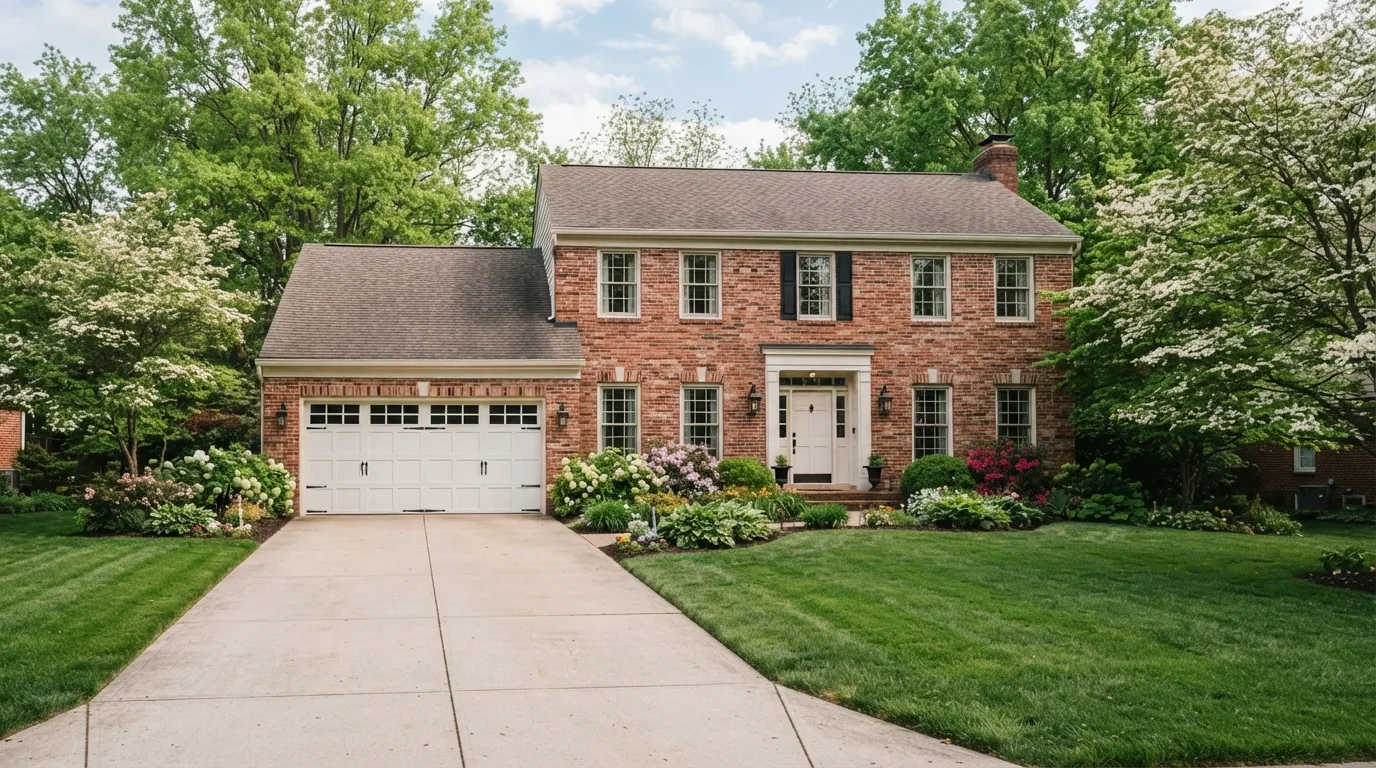
Lucas doesn't share McKinney's build timeline exactly. The broader service area runs mostly 2000s stock with a median build year of 2005, but Lucas itself came in a few years earlier, around 2002. That gap matters for rollers: the original steel rollers on those 2002 doors have logged more open-close cycles than rollers on a house built in 2007 or 2010, and they're the ones showing wear first when we get a call from this side of the service area.
We run this job from the McKinney shop - there's no branch or depot in Lucas - and the drive out is about 8 miles, close enough that a Lucas roller swap sits comfortably on the same route as jobs closer to McKinney proper. When you call, tell us the door's approximate age and whether it's grinding, jumping the track, or just loud. That's usually enough to load the right roller stock before the truck leaves.
One honest limit: if your door takes an odd-size roller stem or a track profile we don't carry that day, we may need to reschedule rather than force a part that doesn't fit. It doesn't happen often on 2000s-era doors, but it happens.
The Complications
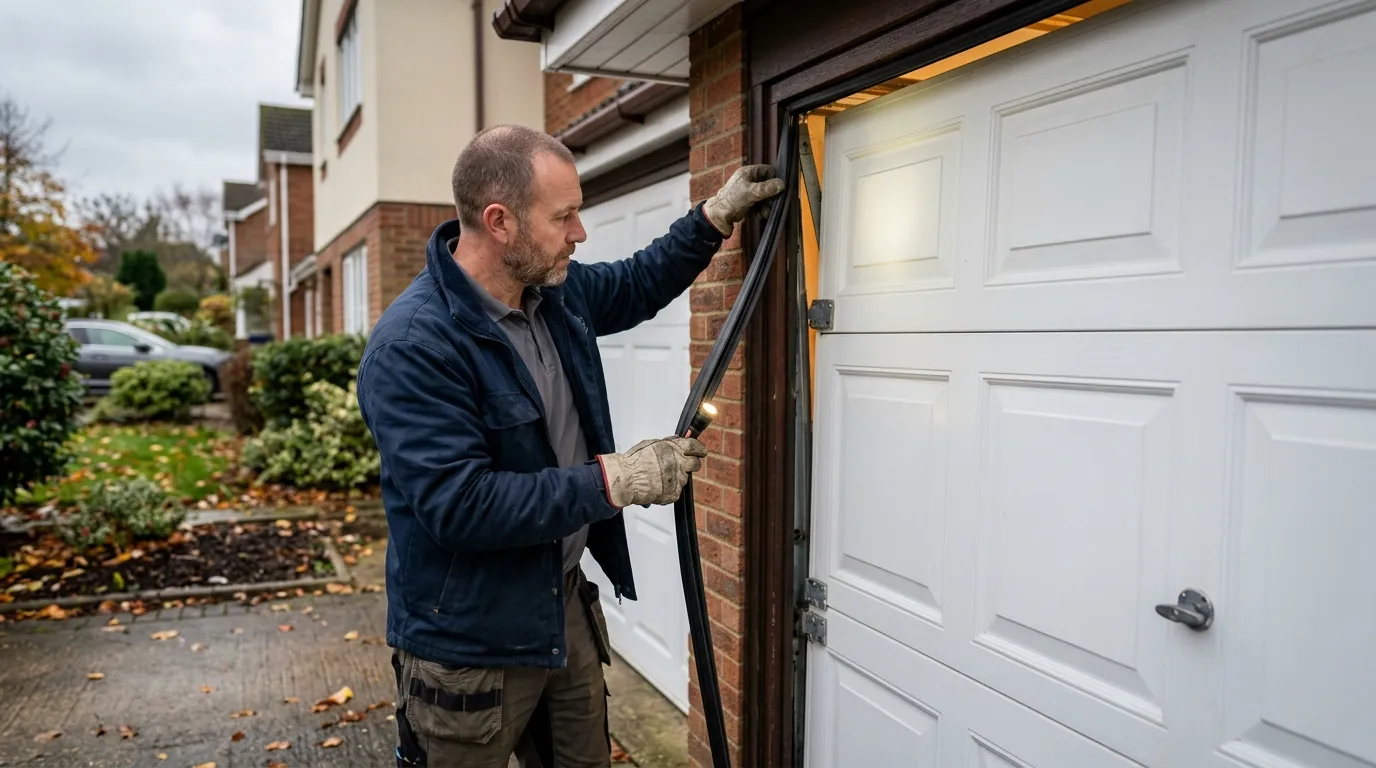
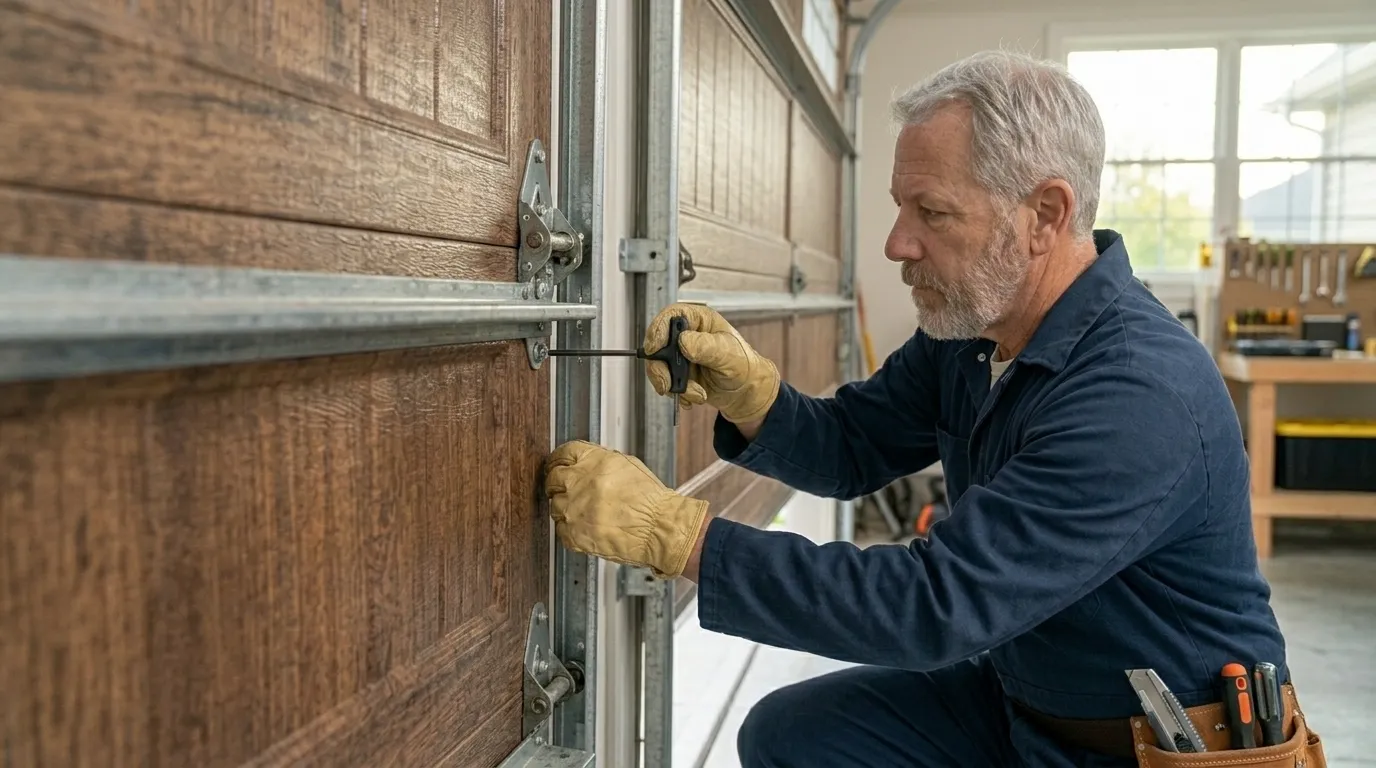
The complication on a 2002-built Lucas door usually isn't the roller itself - it's what the roller has been riding in for twenty-plus years. Steel rollers on steel track wear the track edges unevenly over that many cycles, so a straight roller swap without checking the track can leave the door still binding or drifting off-center.
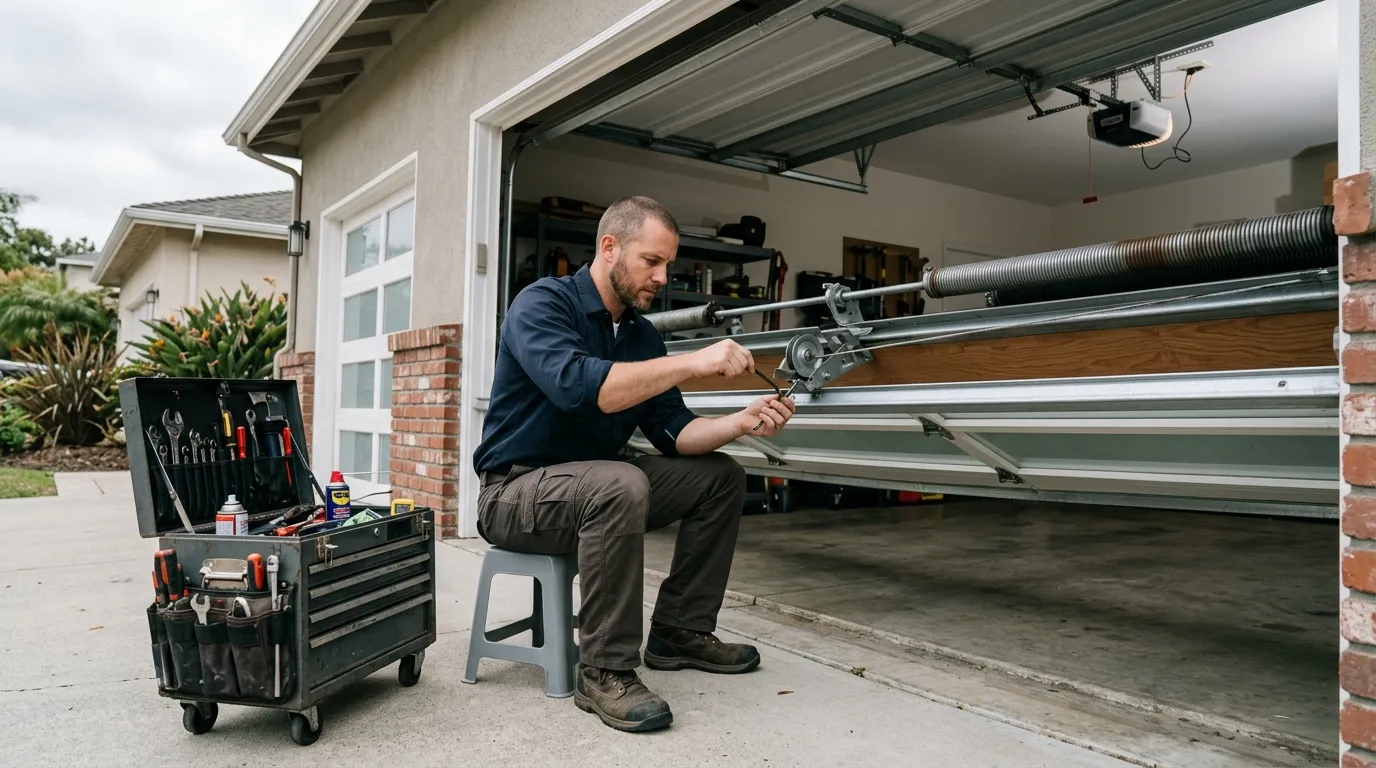
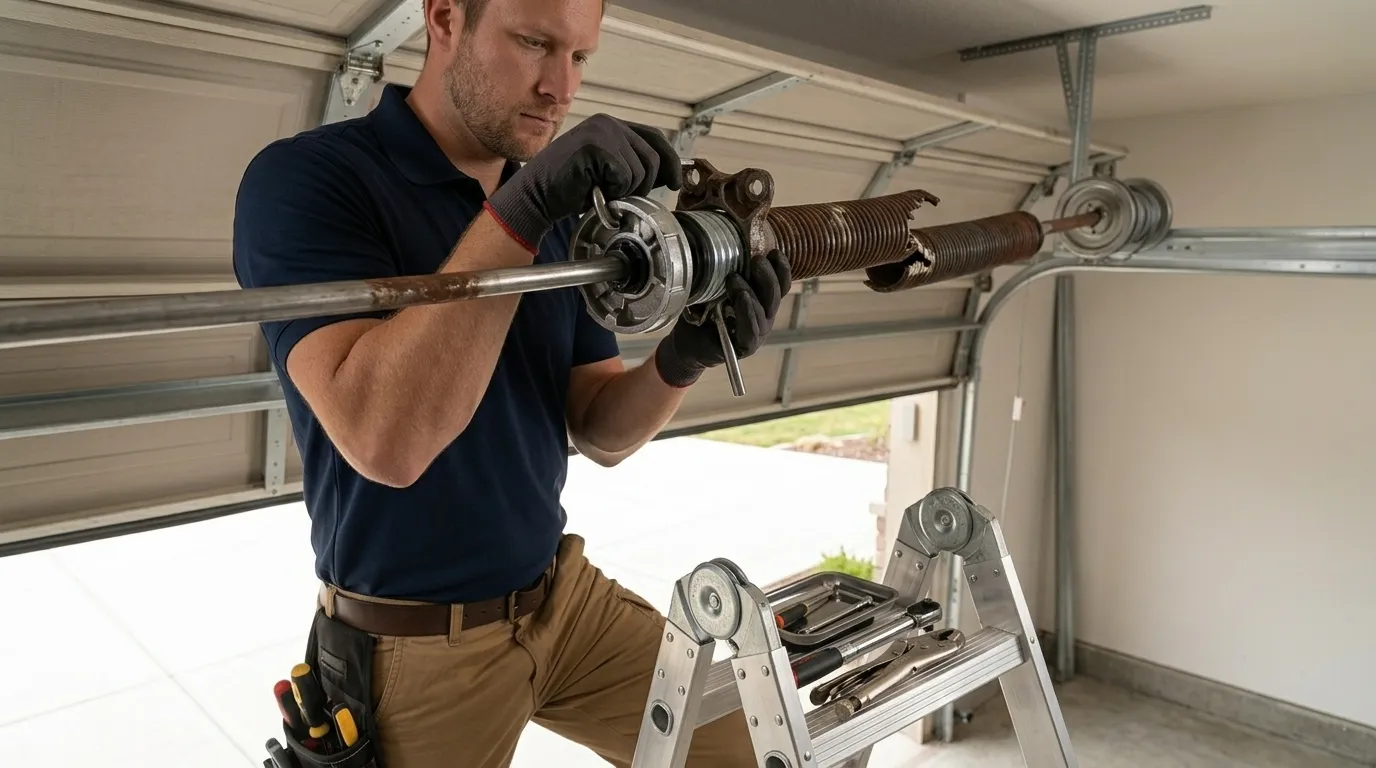
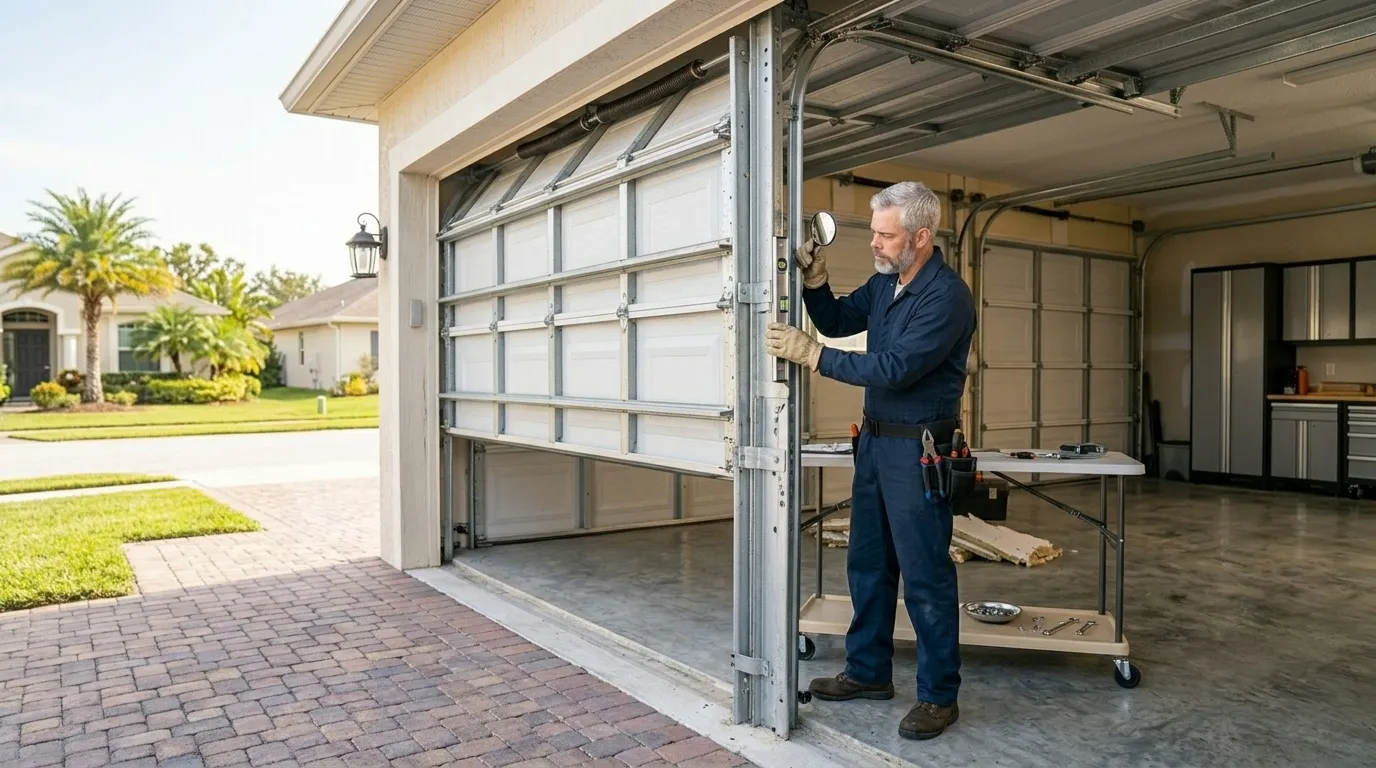
Double doors on these homes often run two independent torsion springs and two roller sets, which means twice the wear points and twice the chance that one side is further gone than the other. We check both sides rather than replacing only the one that's making noise.
The other complication is bracket condition. Original brackets from this build era are galvanized steel, and after two decades of Texas heat cycles some have surface rust at the mounting bolts. If a bracket is compromised, swapping the roller alone doesn't fix the underlying wobble - the bracket needs attention too, and that adds to the job rather than being a separate call. We flag it before we start, not after.
What Is on the Truck
For roller work we carry both 7-ball sealed nylon rollers and steel ball-bearing rollers, in the common stem lengths used on residential doors from this build era. Nylon is quieter and doesn't need the periodic lubrication steel rollers do, which is why most replacements on 2002-era doors move to nylon even when the original hardware was steel.
Lucas sits in the same moderate-heat climate band as the rest of the McKinney service area, so we're not stocking anything rated for extreme cold or desert heat swings - the wear we're fixing here comes from age and cycle count, not weather extremes. That keeps the parts list simpler: standard-duty rollers, replacement stems, and the brackets and roller shafts to match.
We also carry track cleaner and a straightening bar on the truck, since a roller swap on a door this age often turns into a quick track adjustment too. What we don't carry is custom or oversized commercial roller stock - if a door needs something outside residential standard, that's a separate order.
How Long It Takes
A straightforward roller swap - one side, no track work, no bracket replacement - is a short job, usually under an hour once the truck is set up and the door is up on the wall for access. A full double-door set with track cleanup on both sides runs longer, closer to two hours, because we're working both tracks and checking spring balance on each side before we close it out.
On 2002-built Lucas doors specifically, we budget a little extra time for the bracket check described above. It's not always needed, but on a door that old we'd rather build in the ten minutes to inspect than skip it and get called back.
What we don't do is rush a balance check to hit a time estimate. A door that closes fine on rollers alone but is out of spring balance will just come back with a different complaint in a few months, and that's not a faster job - it's two jobs.