Booking a Visit
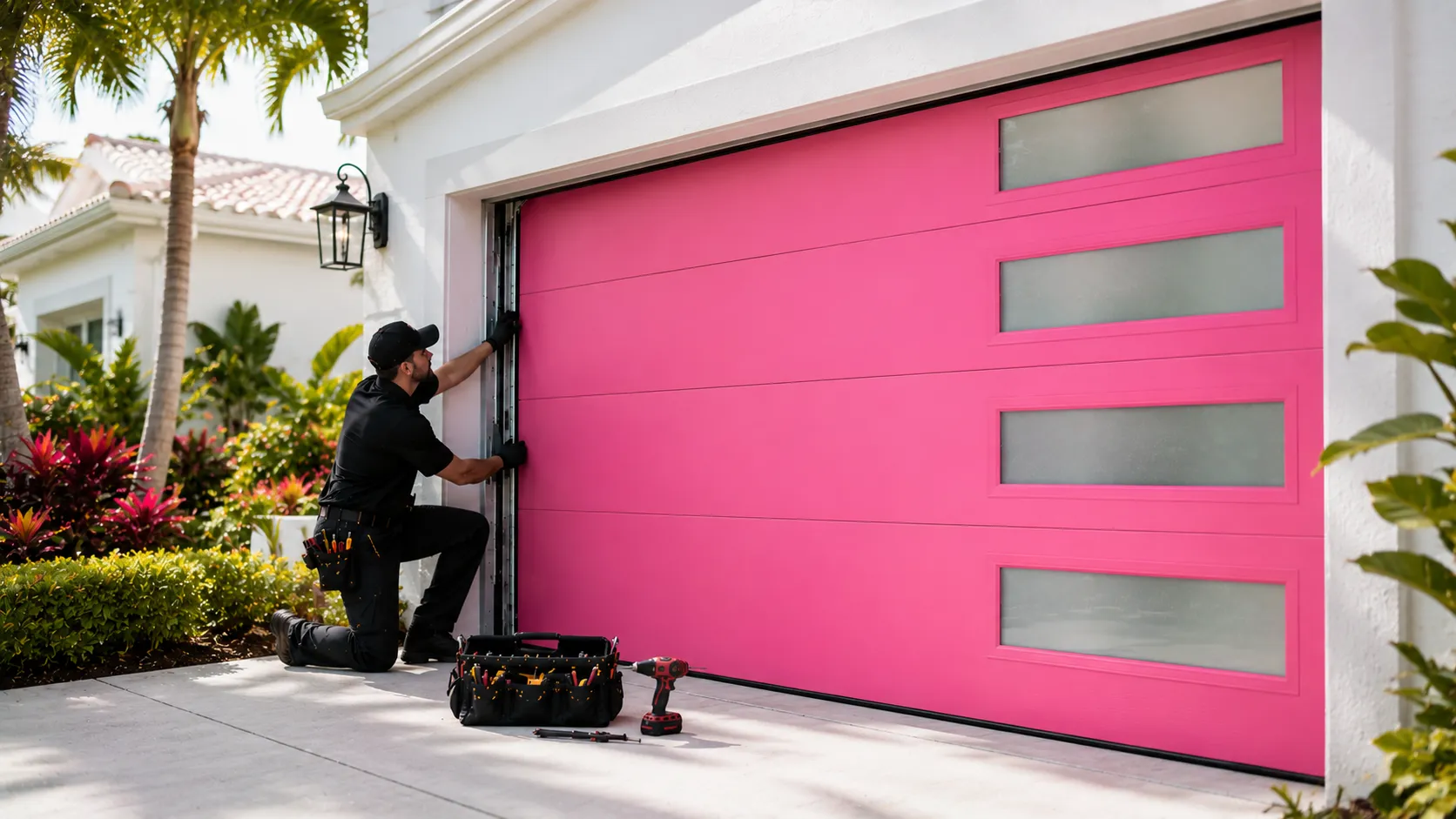
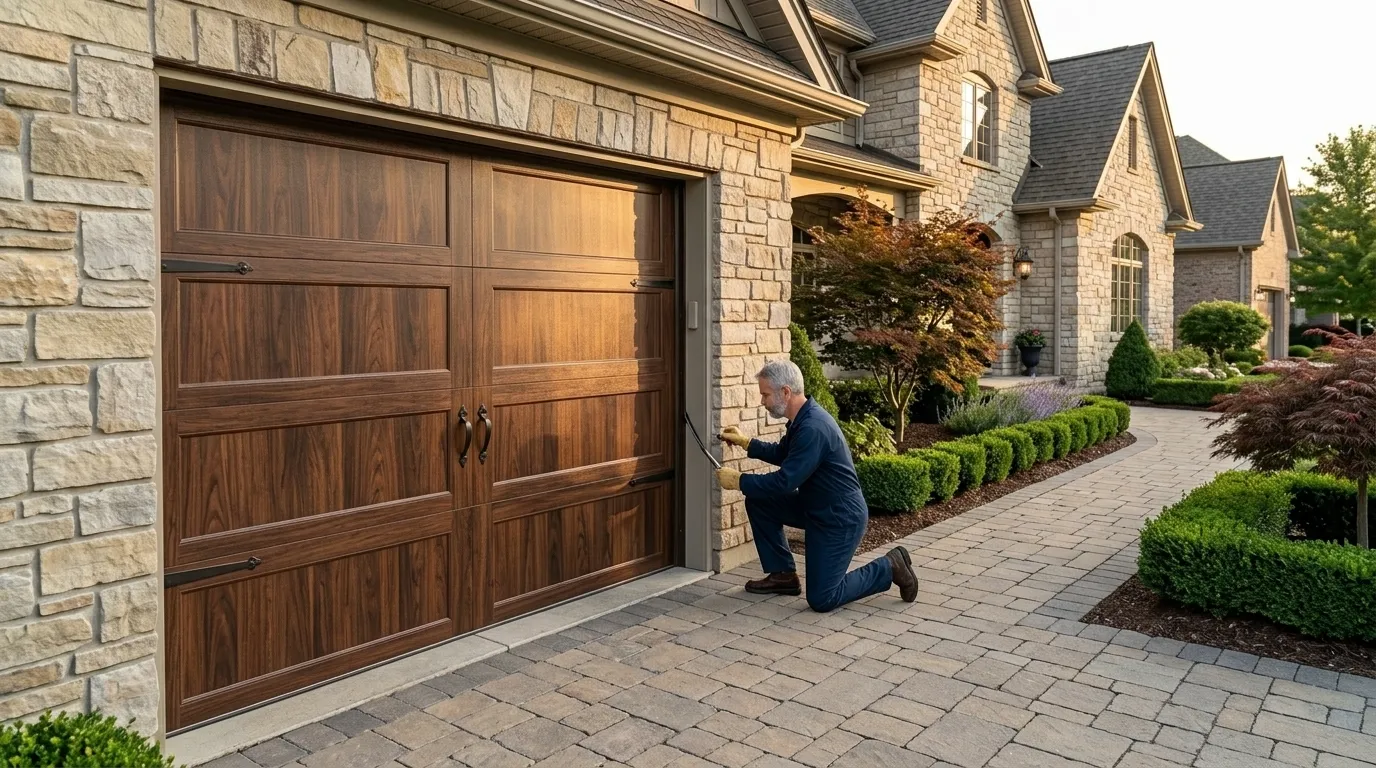
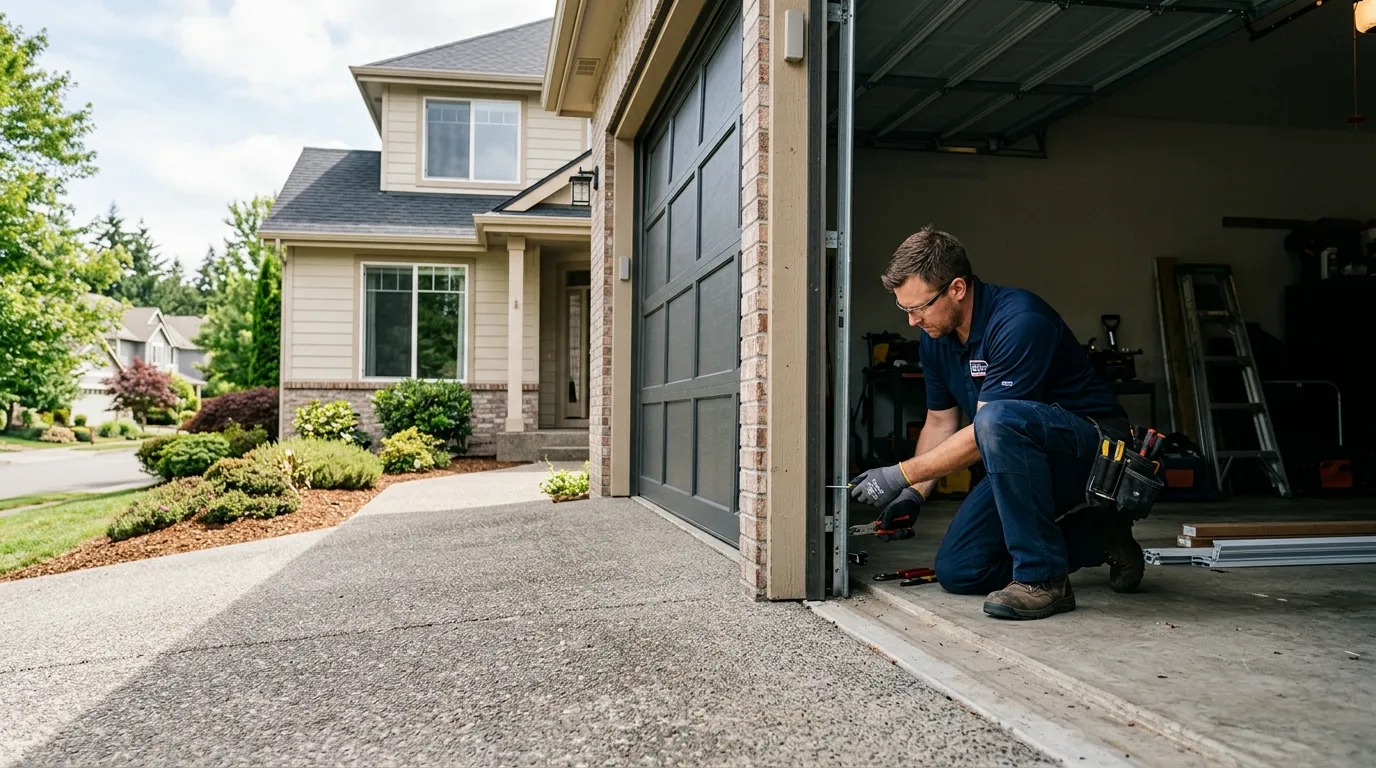
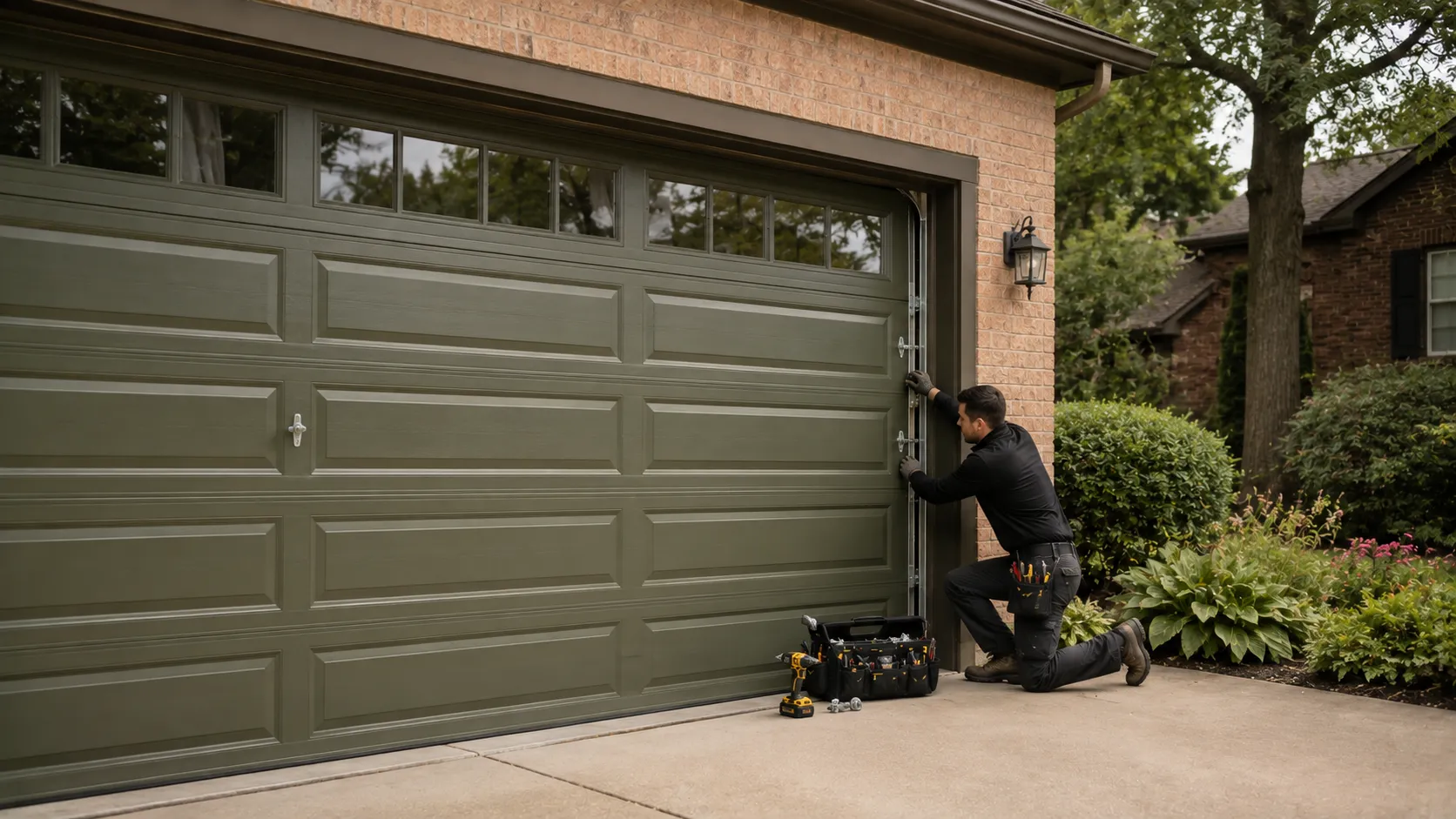
We run this job out of McKinney, about eight miles from Lucas, so there's no local yard to swing by - a truck comes out to you. When you call, we ask for the rough opening width and height and whether you've got a single 16-foot bay or two separate doors, because that's what determines which panels and which spring size go on the truck before we ever pull out of the lot. If you're not sure of your measurements, that's fine - we measure on site before we quote anything. We don't do same-day estimates sight unseen, and we won't guess a price over the phone without seeing the opening, the header clearance, and what's currently mounted there. If your opener is original to the house, tell us that too; a 2002-era unit changes what we bring for the swap. You can browse what a finished install looks like on our Lucas services page, or see the broader install work we do out of the McKinney shop on our main installation page.
The Complications
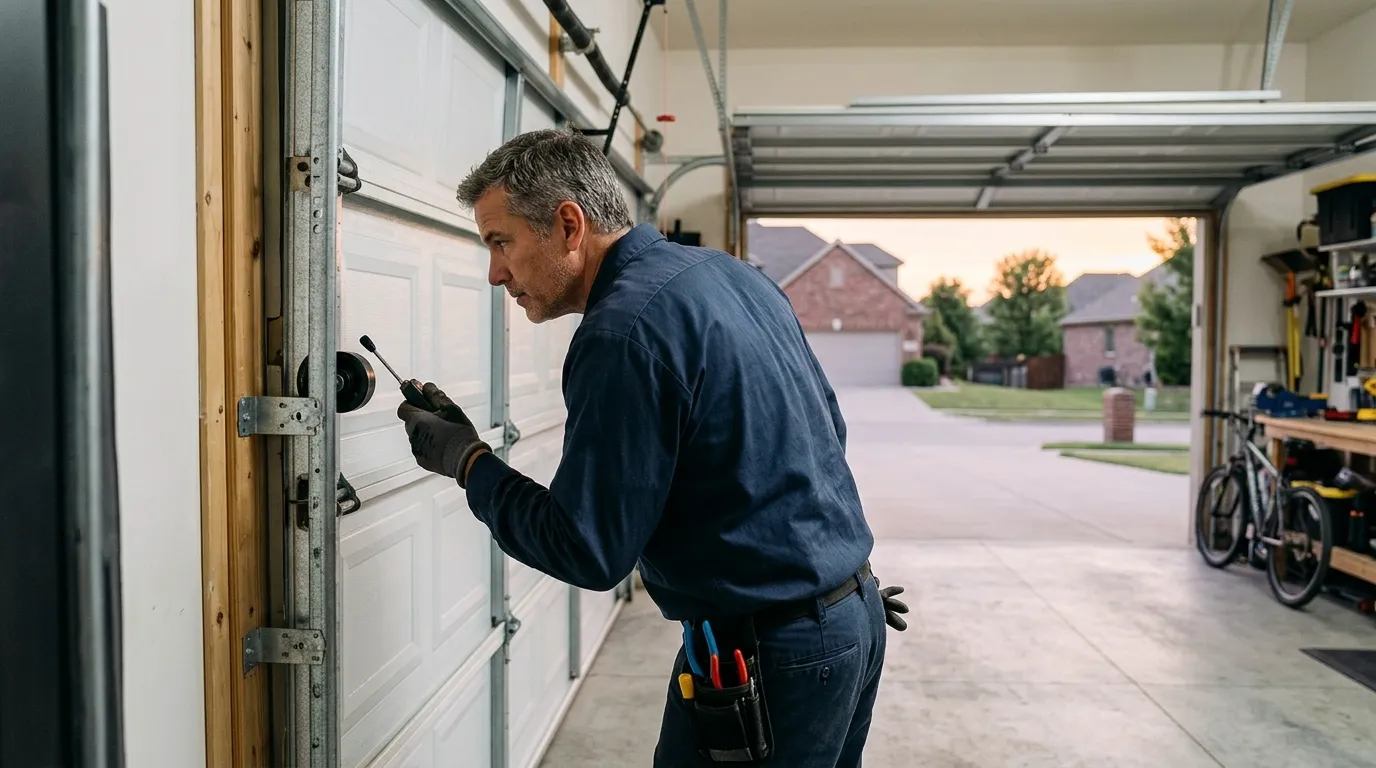
Lucas's housing stock has a median build year around 2002, which puts most of the town on the newer edge of the wider area's 1971 to 2015 range. That matters for one specific reason: 2002 is close to the point when builders started defaulting to insulated steel sections instead of single-layer skins, but not every house here got the upgrade - a fair number of these openings still carry the thinner, non-insulated panel that was standard just a few years earlier. You can't always tell from the driveway which one you've got until we pull the bottom panel and check the stamp. The other complication is header clearance. Openers from that era were mounted with less headroom margin than current code assumes, so a straight swap sometimes means re-hanging track, not just bolting on a new opener. And because the local climate band here runs moderate on heat rather than extreme, we're not fighting the kind of thermal cycling that cracks seals in hotter zones - panels here fail from age and use, not from sun damage on the weatherstrip. One honest limitation: if your opening is out of square by more than a small amount, which happens on some of these older slab foundations, we tell you before we order the door, not after it arrives and doesn't sit right.
What Is on the Truck
For a town like Lucas, the truck carries stock sized for the openings that era of house actually has - mostly 16-foot double bays and 8- or 9-foot singles, not the wider modern openings you see on newer construction elsewhere in the coverage area. Torsion springs are the default; extension spring setups mostly disappeared from new builds by the early 2000s, so we're not carrying much of that hardware for this part of the run. We stock both non-insulated and insulated steel sections because, as noted, you can't assume which one a given house needs until we're standing at the opening. Rollers, end hinges, and torsion hardware sized for a heavier insulated door are packed separately from the lighter stock used on original single-layer panels, since swapping one for the other usually means new springs too, not just a new door skin. Openers on the truck are current production units - we don't install anything discontinued, and if your existing opener is still working fine, we'll say so rather than push a swap you don't need.
How Long It Takes
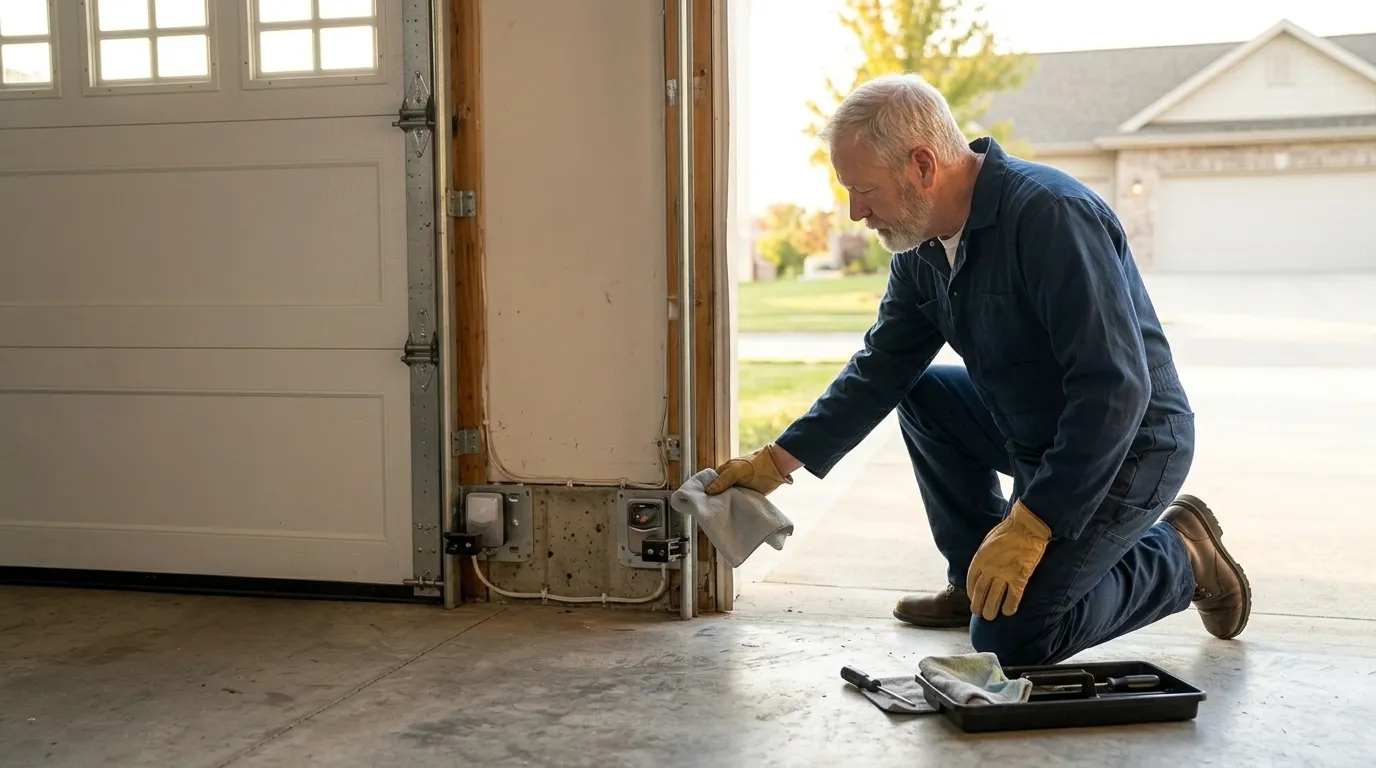
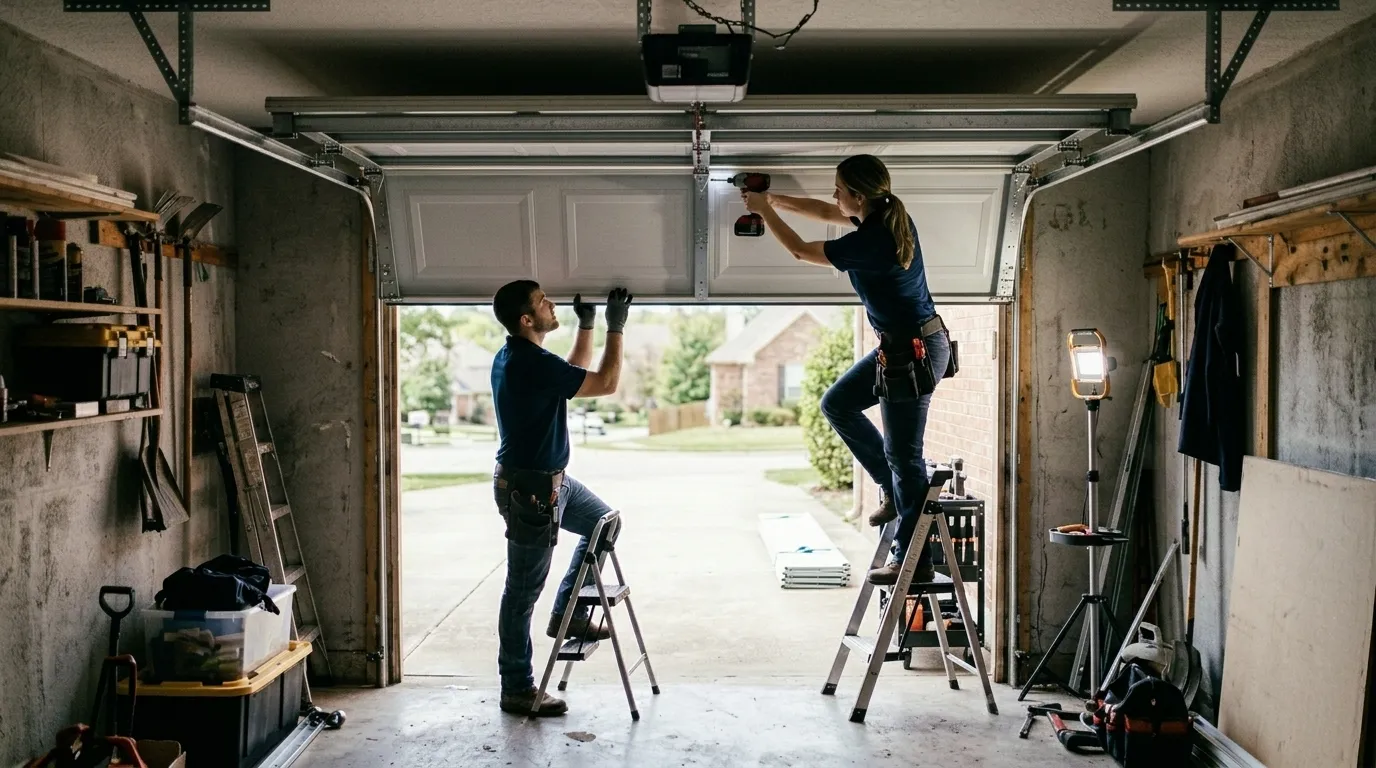
A single-door replacement on a straightforward opening - no header rework, no out-of-square jamb - usually runs a few hours from removal to a working opener. A double door, or any job where the track needs to be re-hung for clearance, takes closer to a full day. Houses built around 2002 in Lucas run a mixed bag here: some openings are dead square and take the short end of that range, others need extra time squaring the jamb before the new door will seal properly at the bottom. We won't know which one your house is until we're on site with a level. If we find something mid-job that changes the scope - a header that needs reinforcing, wiring that isn't up to current opener standards - we stop and talk it through with you before continuing, rather than push through and hand you a surprise at the end.